The Foundation of Presence: Shifting Focus from Performance to Connection
One of the most significant hurdles men face in maintaining sexual confidence is the pervasive pressure to “perform.” This results-oriented mindset can undermine the very essence of intimacy, transforming a potentially joyous experience into a high-stakes endeavor. Shifting this paradigm to one of presence and connection is crucial for cultivating lasting sexual confidence.
Embracing Sensations Over Outcomes
Instead of fixating on achieving a particular outcome, such as an erection of a certain rigidity or lasting for a specific duration, men are encouraged to re-route their attention to the wealth of sensations available during sexual encounters. This involves a mindful attunement to touch, smell, sound, and the emotional nuances of the interaction.
- Mindful Touch: Men can practice concentrating on the feeling of their partner’s skin against theirs, the warmth, the textures, and the delicate shifts. This active engagement with sensory input can anchor them in the present moment, diverting mental energy away from anxieties about performance.
- Body Awareness: Developing a keen awareness of their own body’s responses without judgment is also vital. How does blood flow feel? What exactly does arousal feel like as it builds? By observing these internal sensations, men can become more attuned to their bodies’ natural rhythm, fostering a sense of control and understanding.
- The Journey, Not the Destination: Framing sex as a journey of shared exploration rather than a destination to be reached alleviates immense pressure. The emphasis then shifts to the process of connection, mutual pleasure, and the unique unfolding of each intimate moment.
Treating Sex as Connection, Not Perfection
The notion that sex must be “perfect” is a deeply ingrained and highly damaging myth. Perfection is an illusion, especially in the realm of human intimacy, which is inherently messy, unpredictable, and wonderfully imperfect. Approaching sex as a form of connection—an opportunity to bond, express affection, and share vulnerability—recalibrates expectations and fosters a more sustainable confidence.
- Emotional Intimacy as a Precursor: Recognizing that emotional intimacy often precedes and enhances physical intimacy can be profoundly liberating. Investing in conversations, shared activities, and emotional support outside the bedroom can lay a robust foundation for sexual confidence within it.
- Vulnerability as Strength: Sharing anxieties or vulnerabilities with a trusted partner, even about sexual performance, can paradoxically strengthen the connection. It demonstrates trust and allows for mutual support, dispelling the myth that men must always appear strong and unshakeable.
- Shared Responsibility for Pleasure: Understanding that pleasure is a shared responsibility, not solely dependent on the man’s actions, can significantly reduce pressure. When both partners actively contribute to the experience, the burden of “performance” is lifted, paving the way for more authentic and joyful encounters.
The Power of Open Dialogue: Communicating for Greater Confidence
Silence is often the enemy of sexual confidence. Assumptions, unspoken desires, and ignored discomforts can erode intimacy and foster insecurity. Open, honest communication with a partner is a cornerstone of building robust sexual confidence.

Sharing Likes, Dislikes, and Boundaries
Many men are hesitant to express their sexual preferences or boundaries, fearing judgment or inadequacy. However, a partner who truly cares will appreciate this honesty, as it allows for a more tailored and mutually satisfying experience.
- Specific Preferences: Men should feel empowered to articulate what they find pleasurable, whether it’s a particular type of touch, a pacing preference, or even specific fantasies. This isn’t about giving orders but about sharing insights that can enhance mutual enjoyment.
- Discomforts and Limitations: Equally important is the ability to communicate what doesn’t feel good, or if there are any physical limitations or discomforts. Ignoring these can lead to resentment or withdrawal, further impacting confidence.
- Boundary Setting: Establishing clear boundaries, both physical and emotional, is a crucial aspect of healthy sexual encounters. This ensures both partners feel safe, respected, and in control, which is fundamental to building confidence.
The Transformative Role of Communication
When couples engage in open sexual communication, it creates a feedback loop that rapidly builds confidence. It shifts the dynamic from guesswork and assumption to informed exploration and mutual understanding.
- Understanding Partner’s Desires: Asking questions about a partner’s desires and listening actively to their responses provides invaluable insights, allowing men to feel more competent and effective in catering to their partner’s pleasure.
- Building Trust and Safety: The act of open communication itself demonstrates trust and fosters a sense of safety within the relationship. This psychological comfort is essential for reducing performance anxiety and enabling men to relax and enjoy the experience.
- Joint Problem-Solving: If issues arise, such as a drop in libido or difficulty with arousal, open communication allows couples to approach these challenges as a team, rather than leaving the man to struggle alone. This collaborative problem-solving reinforces confidence and strengthens the bond.
Mastering Control: Building Stamina and Arousal Regulation
For many men, concerns about premature ejaculation or an inability to maintain an erection can be significant blows to sexual confidence. Developing better control over arousal and building sexual stamina are practical skills that can directly address these anxieties.
Practice Edging and Pacing
Edging, or “orgasm control,” is a technique where a man brings himself to the brink of orgasm and then backs off, repeating the process multiple times before finally allowing climax. This practice helps to train the body to sustain sexual excitement for longer periods.
- During Masturbation: Men can begin practicing edging and pacing during solo masturbation, where there is no external pressure. This allows for focused experimentation and the development of a better understanding of their individual arousal curve.
- Gradual Integration with a Partner: Once comfortable with solo practice, these techniques can be gradually integrated into partnered sex. This might involve pausing during intercourse, shifting positions, or focusing on non-penetrative activities to manage arousal.
- Focus on Sensations, Not Just Build-Up: While practicing, men should concentrate on the various sensations throughout the arousal process, not solely on whether they are “holding back.” This enhances body awareness and control.
Developing Sexual Endurance
Beyond just delaying climax, building overall sexual endurance involves understanding cycles of arousal and incorporating elements that allow for sustained intimacy.
- Varying Stimulation Levels: Learning to vary the intensity and type of stimulation during sex can help manage arousal. Shifting from high-intensity direct stimulation to gentler, more diffused touch, or even a brief pause, can extend the duration of intimacy.
- Deep Breathing Techniques: Conscious breathing can be a powerful tool for managing arousal. Deep, slow breaths can help calm the nervous system and prevent the rapid escalation of excitement that often leads to premature ejaculation.
- Taking Advantage of Refractory Periods: For some men, understanding and utilizing their body’s natural refractory period after an orgasm can be a way to extend intimacy. While not an option for every man or every encounter, for those who can recover relatively quickly, it can open doors to multiple rounds of pleasure.
The Gentle Approach: Prioritizing Low-Pressure Intimacy
The expectation that every sexual encounter must culminate in penetrative intercourse and orgasm can create undue pressure. Embracing low-pressure forms of intimacy first can be a powerful way to rebuild confidence and cultivate a more holistic understanding of sexual pleasure.
Starting with Non-Penetrative Intimacy
Shifting the focus away from penetrative sex as the primary goal can be incredibly liberating. This allows for a wider exploration of pleasure and intimacy, reducing performance anxiety.

- The Art of Kissing: Re-discovering the power of deep, sensual kissing can be a profoundly intimate and confidence-boosting experience. It focuses on connection, breath, and the simple pleasure of closeness.
- Sensual Massage: Offering or receiving a sensual massage, without any expectation of it leading to anything further, can build trust and intimacy. It allows for exploration of touch, bodies, and connection in a relaxed, non-pressured environment.
- Soft Sex: This term encompasses various forms of intimate physical contact that may not involve penetration or orgasm, or where the emphasis is solely on gentle touch and shared presence. It allows for a gradual escalation of intimacy guided by comfort and mutual desire.
The Benefits of Extended Foreplay
Foreplay is often seen as a prelude to the “main event,” but it is an essential part of sexual intimacy in its own right. Extending foreplay can significantly enhance pleasure, build anticipation, and bolster confidence.
- Heightened Arousal for Both Partners: Adequate foreplay ensures both partners are sufficiently aroused, making penetration more comfortable and pleasurable for everyone involved. This reduces the pressure on the man to “get his partner ready.”
- Exploration of Erogenous Zones: Foreplay provides an opportunity to explore and discover various erogenous zones beyond the genitals, broadening the spectrum of pleasure and enhancing overall intimacy.
- Building Emotional Connection: The playful, intimate nature of extended foreplay can significantly strengthen the emotional bond between partners, fostering a sense of shared joy and connection that underpins sexual confidence. This also helps to reduce the focus on “performance” during later stages of intimacy.
Holistic Well-being: The Link Between Health and Sexual Confidence
It’s impossible to discuss sexual confidence without acknowledging the profound impact of overall physical and mental health. A healthy body and mind are crucial for optimal sexual function, libido, and sustained confidence.
Exercise and Overall Physical Health
Regular physical activity is not only beneficial for general health but also plays a direct role in sexual well-being and confidence.
- Improved Cardiovascular Health: Exercise strengthens the heart and improves blood circulation, which is vital for achieving and maintaining erections. A healthy circulatory system is a cornerstone of strong sexual function.
- Increased Stamina and Energy: Regular workouts boost stamina and energy levels, contributing to greater endurance during sex and a feeling of overall vitality.
- Enhanced Body Image: Physical activity can improve body composition and strength, leading to a more positive body image, which directly translates to increased confidence in the bedroom.
- Testosterone Regulation: Certain types of exercise, particularly strength training, can help regulate testosterone levels, a key hormone for libido and sexual function.
The Role of Diet, Sleep, and Substance Use
Lifestyle choices significantly influence sexual health and confidence.
- Balanced Diet: A diet rich in whole foods, fruits, vegetables, and lean proteins provides essential nutrients for hormonal balance and energy. Limiting processed foods, excessive sugar, and unhealthy fats can positively impact libido and overall sexual performance.
- Adequate Sleep: Chronic sleep deprivation can lead to fatigue, irritability, and decreased libido. Prioritizing 7-9 hours of quality sleep each night is fundamental for maintaining sexual vitality and confidence.
- Moderate Alcohol and Smoking: Excessive alcohol consumption can impair erectile function and reduce sensation. Smoking narrows blood vessels, hindering blood flow, which is detrimental to sexual health. Reducing or eliminating these substances can significantly boost sexual function and confidence.
Cultivating Self-Compassion and Positive Self-Talk
Internal dialogue greatly shapes confidence. Replacing self-critical thoughts with positive affirmations and self-compassion is a powerful tool for enhancing sexual confidence.
- Challenging Negative Thoughts: When negative thoughts about one’s body or sexual prowess arise, men should consciously challenge them. Are these thoughts truly accurate? Are they helpful?
- Focusing on Strengths: Instead of dwelling on perceived flaws, men can shift their focus to what their body can do, its capabilities, and its unique qualities. This positive reframing builds a more robust sense of self-worth.
- Affirmations: Regularly repeating positive affirmations related to sexual confidence, desirability, and capability can gradually rewire negative thought patterns and foster a more self-assured mindset. This is about being kind to oneself, even in moments of perceived imperfection.
Embracing Novelty and Exploring Together
Monotony can dampen sexual confidence and excitement. Injecting novelty and trying new experiences together can reignite passion and foster a playful approach to sex, which inherently boosts confidence.
Trying New Experiences Together
Consensual exploration of new sexual experiences can be a fantastic way to bond with a partner and discover new facets of pleasure.
- Positions and Techniques: Experimenting with new sexual positions or techniques can prevent routines from becoming stale and open up new avenues of pleasure for both partners. It’s about shared discovery.
- Role-Play and Fantasy: For those open to it, consensual role-play or exploring shared fantasies can bring a sense of playfulness and adventure to sex, making it feel less like a chore and more like an exciting exploration.
- Different Settings: Changing the environment—whether it’s a different room in the house, a weekend getaway, or even a discreet public space—can add an element of excitement and novelty.
The Power of Playfulness and Curiosity
Approaching sex with a curious and playful mindset, rather than a critical one, is paramount for sustained sexual confidence.
- “Getting Curious, Not Critical”: Instead of judging oneself or a situation as “good” or “bad,” men are encouraged to adopt a stance of curiosity. What aspects of this experience are interesting? What can be learned? This perspective reframes challenges as opportunities for growth.
- Shared Adventure: Frame sexual encounters as a shared adventure where both partners are explorers. This reduces pressure and encourages experimentation without fear of “failure.”
- Learning as a Process: Recognize that sexual mastery is a journey, not a destination. Just like any skill, it improves with practice, patience, and a willingness to learn. This perspective removes the burden of immediate perfection.
Prioritizing Mental Well-being: The Unseen Foundation
Mental health is inextricably linked to sexual health and confidence. Stress, anxiety, depression, and other mental health challenges can severely impact libido, performance, and self-perception in the bedroom. Addressing these issues is fundamental for building lasting sexual confidence.
Managing Stress and Anxiety
Chronic stress and anxiety can lead to a host of physical and psychological issues that interfere with sexual function.
- Mindfulness and Grounding Techniques: Practices like mindfulness meditation, deep breathing exercises, and grounding techniques can help reduce the physiological symptoms of stress and anxiety, making it easier to relax and be present during sex.
- Stress Reduction Strategies: Identifying and addressing sources of stress in daily life, whether through time management, delegation, or consciously setting boundaries, can free up mental and emotional energy for intimacy.
- Therapy and Counseling: For persistent stress or anxiety, seeking professional help from a therapist or counselor can provide effective strategies for coping and managing these challenges, often leading to significant improvements in sexual confidence.
Addressing Low Mood and Depression
Depression often manifests as a lack of interest in previously enjoyable activities, including sex. Low mood can directly impact libido and the ability to feel pleasure or connection.
- Professional Support: For symptoms of depression, seeking diagnosis and treatment from a mental health professional (e.g., psychiatrist or psychologist) is crucial. This might involve therapy, medication, or a combination of approaches.
- Support Systems: Leaning on friends, family, or support groups can provide emotional solace and practical assistance, helping to alleviate feelings of isolation that often accompany depression.
- Lifestyle Interventions: Alongside professional treatment, maintaining healthy habits such as regular exercise, a balanced diet, and sufficient sleep can play a supporting role in managing low mood and indirectly boosting sexual confidence.
In conclusion, boosting sexual confidence in men is not about achieving an elusive ideal of hyper-masculinity or flawless performance. Instead, it is a holistic journey of self-discovery, open communication, physical and mental well-being, and a willingness to approach intimacy with presence, curiosity, and compassion. By implementing these practical strategies, men can cultivate a deep, authentic sexual confidence that enriches their intimate lives and strengthens their relationships.
]]>Understanding Testosterone: The Master Male Hormone
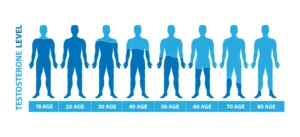
To accurately address the question of penis size, it is essential to first understand what testosterone is and what its primary functions are in the male body. Testosterone is an androgen, a type of steroid hormone, primarily produced in the testes. Smaller amounts are also produced by the adrenal glands. It is the most abundant and significant male sex hormone, driving the development of male reproductive tissues such as the testes and prostate, as well as promoting secondary sexual characteristics.
The Production and Regulation of Testosterone
Testosterone production is a complex hormonal cascade initiated by the hypothalamus in the brain. The hypothalamus releases gonadotropin-releasing hormone (GnRH), which stimulates the pituitary gland to release luteinizing hormone (LH) and follicle-stimulating hormone (FSH). LH, in particular, acts on the Leydig cells in the testes, signaling them to produce testosterone. The levels of testosterone are tightly regulated by a negative feedback loop: as testosterone levels in the blood rise, they signal the hypothalamus and pituitary gland to reduce the release of GnRH and LH, thus decreasing testosterone production. This intricate system ensures that testosterone levels remain within a healthy physiological range.
Testosterone’s Crucial Roles in Male Development
Testosterone’s most profound impact on penile development occurs during prenatal development and puberty.
Prenatal Development: The Foundation of Masculinity
During fetal development, testosterone released by the developing testes is critical for the masculinization of the external genitalia. It is responsible for the differentiation of the genital tubercle into the penis and scrotum. Without adequate levels of testosterone and its conversion to dihydrotestosterone (DHT), which is a more potent androgen, the external genitalia may not develop along typical male lines. This prenatal surge of testosterone is therefore fundamentally important for establishing the biological basis of male anatomy.
Puberty: The Adolescent Transformation
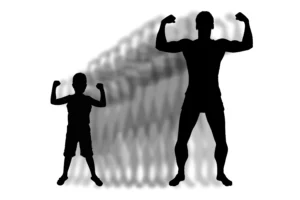
The onset of puberty, typically between the ages of 9 and 14, is marked by a significant increase in testosterone production. This surge is responsible for the maturation of the reproductive organs, including the growth of the penis and testes. During this period, the penis undergoes its most substantial growth spurt, along with changes in its structure and function. This includes an increase in length and girth, the development of erectile tissue, and the onset of sperm production. Testosterone is also responsible for other pubertal changes such as the deepening of the voice, the growth of body hair, and the increase in muscle mass.
Testosterone and Penile Anatomy
It is crucial to distinguish between the developmental roles of testosterone and its potential effects on adult penile physiology. The anatomy of the penis is composed of three cylindrical bodies: two corpora cavernosa and one corpus spongiosum, all surrounded by tunica albuginea, a fibrous sheath. Erections occur when these tissues fill with blood, increasing the penis’s size and rigidity.
The Corpora Cavernosa: The Engine of Erection
The corpora cavernosa are the primary erectile tissues responsible for penile rigidity. They are spongy structures containing a network of vascular spaces. During sexual arousal, nerve signals cause the relaxation of smooth muscles in the walls of the blood vessels supplying these tissues. This allows for increased blood flow into the corpora cavernosa, causing them to engorge and expand. The tunica albuginea, a strong connective tissue, restricts this expansion, leading to the rigidity necessary for penetration.
The Role of Testosterone in Erectile Function
While testosterone is essential for the growth of the corpora cavernosa during development and puberty, its direct role in the mechanics of adult erections is more indirect. Testosterone acts on androgen receptors within the smooth muscle cells of the corpora cavernosa and the penile arteries. It influences the responsiveness of these tissues to other signals that regulate blood flow, such as nitric oxide (NO). Testosterone’s presence is important for maintaining the health and function of erectile tissue and for optimizing the responsiveness of blood vessels to stimuli that cause erection. However, the actual process of achieving an erection relies heavily on adequate blood flow, neurological signals, and psychological arousal, not solely on testosterone levels.
The Unanswered Question: Can Testosterone Increase Adult Penis Size?
This is the central point of contention and where the scientific evidence diverges significantly from many popular claims. For an adult male with a typically developing reproductive system and normal testosterone levels, there is no robust scientific evidence to suggest that taking testosterone supplements will lead to a noticeable increase in penis size.
The Window of Opportunity: Development vs. Maintenance
The critical period for testosterone’s influence on penis size is during development, particularly in utero and during puberty. Once the growth plates in the bones have closed and sexual maturity has been reached, the potential for significant structural growth of the penis ceases. Testosterone at this stage primarily functions to maintain existing tissues and support sexual function.
Hormonal Replacement Therapy and Penile Size
In cases of male hypogonadism, a condition characterized by the testes not producing enough testosterone, hormone replacement therapy (HRT) is often prescribed. The primary goals of HRT in these individuals are to restore normal testosterone levels, alleviate symptoms of low testosterone (such as fatigue, decreased libido, and mood changes), and promote overall health. While HRT can help maintain erectile function and sexual desire in hypogonadal men, it has not been shown to significantly increase penis size beyond what was achieved during natural development. It can help prevent further atrophy of erectile tissues in some cases, but a substantial increase in dimension is not a typical outcome.
The Myth of Testosterone Booms and Adult Growth
Many advertisements and anecdotal reports promote the idea that “testosterone boosters” or exogenous testosterone can lead to penis enlargement. These claims are largely unsubstantiated by rigorous scientific research. The adult penis, in terms of its bone and tissue structure, has completed its growth. Therefore, introducing more testosterone will not cause these tissues to elongate or expand beyond their genetically determined potential.
Factors Influencing Penis Size: Beyond Testosterone
If testosterone doesn’t significantly increase adult penis size, what factors do? It’s important to understand that penis size is influenced by a combination of genetic predisposition, overall health, and developmental factors.
Genetic Predisposition: The Blueprint of Size
Genetics plays a primary role in determining the potential size of a penis. Just as genetics dictates height and other physical characteristics, it also influences the size and proportion of the penis. This genetic blueprint is established early in development and cannot be altered by external hormonal influences in adulthood.
Developmental Health: A Smooth Journey
The overall health and well-being of an individual during fetal development and puberty can indirectly influence penile size. Conditions that interfere with hormonal signaling or nutrient availability during these critical periods could potentially impact growth. However, this is a matter of normal development, not an opportunity for adult enhancement.
Body Fat Percentage: The Illusion of Size
One of the most common factors that can create the illusion of a smaller penis is a higher body fat percentage. Excess fat, particularly around the pubic area, can obscure a portion of the penile shaft, making it appear shorter. When an individual loses weight and reduces body fat, more of the penis can become visible, leading to a perceived increase in size even though the actual dimensions have not changed.
Lifestyle Factors: Indirect Influences
While not directly increasing size, certain lifestyle factors can impact erectile function, which in turn affects the fullness and appearance of the penis during erection. These include:
- Diet and Exercise: A healthy diet and regular exercise promote good cardiovascular health. This is crucial for blood flow, which is essential for achieving and maintaining firm erections. Poor cardiovascular health can lead to erectile dysfunction, making erections less robust and potentially appearing smaller.
- Smoking: Smoking damages blood vessels and impairs circulation, negatively affecting erectile function and thus the perceived size of the penis during erection.
- Alcohol Consumption: Excessive alcohol intake can depress the central nervous system, leading to impaired sexual arousal and erectile dysfunction.
- Stress and Mental Health: Psychological factors such as stress, anxiety, and depression can significantly impact libido and erectile function, indirectly influencing the appearance and experience of penile size.
The Science Behind So-Called Penis Enlargement Methods
Given the persistent allure of increasing penis size, a market for various enhancement methods has emerged. It is crucial to approach these with a critical and evidence-based perspective.
Pills and Supplements: Largely Ineffective
The vast majority of pills and supplements marketed for penis enlargement are not supported by scientific evidence. They often contain a mix of vitamins, minerals, herbs, and other ingredients that have not been proven to affect penile size. Some may claim to temporarily improve erections by increasing blood flow, but this is distinct from permanent size increase. Many are simply placebos.
Extenders and Traction Devices: Limited and Debatable Evidence
Penis extenders and traction devices are devices that apply gentle, sustained tension to the penis over extended periods. The theory is that this prolonged stretching can encourage tissue growth. While some limited studies have suggested a modest increase in length with consistent use of these devices, the results are often small, temporary, and require significant commitment. Furthermore, the long-term safety and efficacy of these devices are still debated, and improper use can lead to injury.
Surgery: Risks and Limited Efficacy
Surgical procedures for penis enlargement exist, but they are generally considered risky, with often underwhelming and potentially detrimental results.
Ligamentolysis (Suspensory Ligament Release)
This surgery involves cutting the suspensory ligament that attaches the penis to the pubic bone. This can allow more of the penile shaft to hang externally, creating the illusion of increased length when flaccid. However, it does not increase the actual size of the erectile tissue and can lead to instability of the penis during erection, making intercourse difficult or painful.
Fat or Tissue Grafting
Another surgical approach involves injecting or grafting fat or tissue into the penis to increase its girth. The results can be unpredictable, with a high risk of unevenness, scarring, and loss of sensation. The grafted tissue may also be reabsorbed by the body over time, leading to a loss of the achieved girth.
Vacuum Pumps: Temporary Solutions
Vacuum erection devices, often used for treating erectile dysfunction, can create a temporary increase in penile size by drawing blood into the corpora cavernosa. However, this effect is transient and subsides once the constricting ring is removed. They do not contribute to permanent size increase.
Conclusion: A Focus on Health and Realistic Expectations
In conclusion, while testosterone is undeniably vital for the development of the male reproductive system, including the penis, there is no scientific evidence to support the claim that it can increase penis size in adult men. The critical period for testosterone’s influence on penile growth is during prenatal development and puberty. Once maturity is reached, the penis has achieved its potential size, and further testosterone administration is unlikely to alter its dimensions.
The persistent myth of testosterone’s role in adult penis enlargement is fueled by marketing and a desire for enhancement. Instead of pursuing unproven and potentially harmful methods, individuals seeking to improve their sexual confidence and function should focus on overall health and well-being.
- Prioritize a healthy lifestyle: A balanced diet, regular exercise, adequate sleep, and stress management can significantly improve erectile function and sexual health, which are often more impactful than actual penis size.
- Address underlying health conditions: Conditions like diabetes, cardiovascular disease, and obesity can negatively affect sexual function. Managing these conditions is paramount.
- Seek professional medical advice: If there are concerns about testosterone levels or sexual health, consulting a qualified healthcare professional is essential. They can provide accurate diagnosis, appropriate treatment for any identified conditions, and realistic advice.
- Cultivate realistic expectations: Understanding the biological limitations of penis size and focusing on pleasure, intimacy, and overall sexual satisfaction within a relationship can lead to a more fulfilling sexual life, independent of perceived penile dimensions. The emphasis should be on health, function, and well-being, rather than on unrealistic anatomical alterations driven by misinformation.
Before delving into the specifics of masturbation, it is crucial to establish a foundational understanding of testosterone itself. While often labeled the primary male sex hormone, testosterone is present and plays vital roles in individuals of all sexes. Its production and function are complex and influenced by a myriad of factors.
The Production Pathway of Testosterone
Testosterone is primarily produced in the testes in men and in smaller amounts in the ovaries and adrenal glands in women. The journey begins in the brain, specifically in the hypothalamus and pituitary gland.
The Hypothalamic-Pituitary-Gonadal (HPG) Axis
The hypothalamus releases gonadotropin-releasing hormone (GnRH), which stimulates the pituitary gland to release luteinizing hormone (LH) and follicle-stimulating hormone (FSH). LH is the primary driver for testosterone production in the Leydig cells of the testes. FSH, while more directly involved in sperm production, also plays a supporting role in testicular function. This intricate feedback loop, known as the hypothalamic-pituitary-gonadal (HPG) axis, acts as a finely tuned regulator of hormone levels in the body.
The Multifaceted Roles of Testosterone
Testosterone’s influence extends far beyond reproductive health. It is a key androgen, instrumental in the development and maintenance of male secondary sexual characteristics, but its impact is widespread in both sexes.
Testosterone’s Influence on the Male Body
In males, testosterone is crucial for:
- Puberty: Development of a deep voice, facial and body hair, muscle mass, and bone growth.
- Reproductive Health: Sperm production and libido (sex drive).
- Muscle and Bone Mass: Maintaining strength, density, and growth of muscle and bone tissue throughout life.
- Red Blood Cell Production: Stimulating the bone marrow to produce red blood cells.
- Mood and Energy Levels: Contributing to feelings of well-being, energy, and motivation.
Masturbation: An Exploration of the Act
Masturbation, defined as the self-stimulation of one’s genitals for sexual pleasure, is a common and normal human behavior. It is practiced across different ages, genders, and cultures with varying frequencies. Understanding its nature is essential before examining its potential connection to testosterone.
The Physiology of Sexual Arousal and Orgasm
The physiological processes involved in masturbation are similar to those experienced during partnered sexual activity.
The Neurological and Hormonal Cascade
Sexual arousal triggers a complex cascade of neural signals and hormone releases. The brain, particularly areas associated with pleasure and reward, becomes activated. Neurotransmitters like dopamine play a crucial role in initiating and maintaining arousal. Physically, increased blood flow leads to genital engorgement.
The Climax of Orgasm
Orgasm, often experienced during masturbation, is a peak of sexual excitement characterized by intense pleasure and involuntary muscular contractions. During orgasm, a surge of hormones is released, including oxytocin and prolactin. Oxytocin, often dubbed the “love hormone,” is associated with bonding and feelings of satisfaction, while prolactin is linked to sexual satisfaction and plays a role in the refractory period.
The Psychological Aspects of Masturbation
Beyond the physical, masturbation holds significant psychological dimensions for individuals.

Reasons for Engaging in Masturbation
The motivations behind masturbation are diverse and can include:
- Pleasure and Stress Relief: A readily accessible way to experience pleasure and alleviate stress or tension.
- Self-Exploration: Understanding one’s own body and sexual responses.
- Sexual Outlet: A means of satisfying sexual urges, particularly in the absence of a partner.
- Sleep Aid: Some individuals find masturbation helps them relax and fall asleep.
Societal Perceptions and Stigma
Despite its prevalence, masturbation has historically been subject to societal disapproval and even moral condemnation in various cultures. This has led to lingering stigma, with some individuals experiencing guilt or shame associated with the practice. Fortunately, evolving societal attitudes and increased sex education are gradually ameliorating these negative perceptions.
The Scientific Landscape: Masturbation and Testosterone Levels
The core of this discussion lies in examining what scientific research has to say about the relationship between masturbation and testosterone. The prevailing scientific consensus, based on numerous studies, is that masturbation generally has little to no significant or lasting impact on testosterone levels in healthy individuals.
Studies on Short-Term Testosterone Fluctuations
Some research has investigated immediate changes in testosterone levels following ejaculation, which occurs during masturbation.
The “Refractory Period” and Hormone Dip
Following orgasm and ejaculation, there is often a temporary dip in testosterone levels, accompanied by an increase in prolactin. This is believed to be part of the physiological process of sexual recovery, known as the refractory period, during which further sexual arousal may be difficult. However, these changes are typically short-lived and return to baseline levels relatively quickly, usually within hours. Therefore, this momentary fluctuation does not indicate a sustained or meaningful depletion of testosterone.
The Lack of Evidence for Long-Term Testosterone Depletion
Concerns about masturbation leading to chronically low testosterone are largely unfounded by scientific evidence.
Explaining the Absence of Sustained Impact
The body’s endocrine system is designed for remarkable homeostasis, meaning it strives to maintain a stable internal environment. The HPG axis is a feedback-controlled system. If testosterone levels were to persistently drop due to an activity like masturbation, the HPG axis would likely compensate by increasing LH production to stimulate more testosterone synthesis.
Debunking Common Myths
Many myths persist regarding masturbation’s supposed negative effects on testosterone, such as causing infertility, hair loss, or weakness. These claims lack scientific support and often stem from outdated or misconstrued information. For instance, the idea that ejaculation depletes vital fluids or bodily resources is biologically inaccurate in the context of sustained testosterone production.
Factors That Do Influence Testosterone Levels
While masturbation is generally not a significant determinant of testosterone levels, numerous other factors play a far more substantial role. Understanding these influencers can provide a more holistic perspective on hormone health.
Lifestyle Choices and Their Impact
Everyday choices can have a profound effect on the body’s ability to produce and regulate testosterone.
Diet and Nutrition
A balanced diet rich in essential nutrients is crucial for optimal hormone production.
Macronutrients and Micronutrients
- Healthy Fats: Adequate intake of monounsaturated and polyunsaturated fats, found in avocados, nuts, seeds, and fatty fish, is vital for hormone synthesis, as steroid hormones are derived from cholesterol.
- Protein: Sufficient protein intake supports muscle maintenance and overall health, which can indirectly influence hormone balance.
- Vitamins and Minerals: Vitamins D and B, along with minerals like zinc and magnesium, are essential cofactors in various enzymatic processes involved in testosterone production. Deficiencies in these nutrients can potentially impair testosterone levels.
Exercise and Physical Activity
The type and intensity of exercise can significantly impact testosterone.
Resistance Training
Weightlifting and other forms of resistance training have been consistently shown to temporarily boost testosterone levels. This is thought to be due to the muscle-building stimulus that exercise provides, prompting the body to release hormones that support muscle repair and growth.
Moderate Aerobic Exercise
While intense, prolonged endurance exercise can sometimes lead to a temporary decrease in testosterone due to the body’s stress response and energy demands, moderate aerobic activity is generally beneficial for overall health and can contribute to stable hormone levels.
Sleep Quality and Quantity
Sleep is a critical period for hormonal regulation and repair.
The Impact of Sleep Deprivation
Chronic sleep deprivation can disrupt the HPG axis and lead to a significant decline in testosterone levels. During deep sleep, the body releases growth hormone and facilitates testosterone production. Insufficient sleep interferes with this natural process, resulting in lower circulating testosterone.
Stress Management
Chronic stress is a major disruptor of hormonal balance.
The Cortisol Connection
When the body experiences chronic stress, it releases cortisol, a stress hormone. High levels of cortisol can suppress the HPG axis and inhibit the synthesis of testosterone. Effective stress management techniques, such as mindfulness, meditation, and yoga, can help mitigate this negative impact.
Medical Conditions and Medications
Certain underlying health issues and pharmacological interventions can influence testosterone levels.
Endocrine Disorders
Conditions affecting the endocrine system, such as hypogonadism (a condition where the body doesn’t produce enough testosterone), directly impact testosterone production.
Chronic Illnesses
Various chronic diseases, including obesity, diabetes, kidney disease, and liver disease, can also lead to lower testosterone levels due to their systemic effects on the body’s metabolic and hormonal functions.
Medications
Certain medications, including opioids, corticosteroids, and some chemotherapy drugs, can suppress testosterone production. Conversely, testosterone replacement therapy (TRT) is a medical treatment used to increase testosterone levels in individuals with diagnosed deficiencies.
Addressing Misconceptions and Seeking Professional Guidance
Given the persistent myths surrounding masturbation and testosterone, it’s important to address common misconceptions and emphasize the value of professional medical advice.
Separating Fact from Fiction
It is crucial to rely on reputable scientific sources and qualified healthcare professionals for information regarding sexual health and hormone levels.
The Anecdotal Evidence Trap
Many beliefs about masturbation’s impact on testosterone are based on anecdotal evidence or personal interpretations rather than rigorous scientific study. While individual experiences can vary, they do not represent a universal biological truth.
The Importance of Evidence-Based Information
Scientific research, conducted through controlled studies and peer review, provides the most reliable foundation for understanding complex biological processes. It is essential to approach health-related topics with a critical mindset and a preference for evidence-based information.
When to Consult a Healthcare Professional
For most individuals, masturbation poses no threat to their testosterone levels. However, there are instances when seeking professional medical advice is paramount.

Symptoms of Low Testosterone
If an individual experiences persistent symptoms that could indicate low testosterone, such as a significant decrease in libido, fatigue, depression, erectile dysfunction, or a loss of muscle mass, it is crucial to consult a doctor.
Underlying Health Concerns
A healthcare professional can accurately assess hormone levels through blood tests and investigate any potential underlying medical conditions that might be affecting testosterone production. They can also provide personalized advice on lifestyle modifications or medical treatments if necessary. Self-diagnosing or attempting to self-treat hormone imbalances based on internet information can be detrimental to one’s health.
Conclusion: A Normal Aspect of Sexuality with No Significant Testosterone Impact
In conclusion, the scientific evidence overwhelmingly suggests that masturbation, in and of itself, does not have a significant or lasting negative impact on testosterone levels in healthy individuals. The temporary hormonal fluctuations observed shortly after ejaculation are transient and do not indicate a depletion of the hormone that would cause long-term issues.
Testosterone production is a complex physiological process influenced by a multitude of factors, with lifestyle choices such as diet, exercise, sleep, and stress management, as well as underlying medical conditions, playing far more substantial roles.
It is vital to approach discussions about sexuality and hormones with accurate, evidence-based information and to dispel the myths and stigma that have often surrounded practices like masturbation. For individuals experiencing concerns about their testosterone levels or sexual health, consulting a qualified healthcare professional remains the most appropriate and effective course of action. Understanding the science behind these bodily functions empowers individuals to make informed decisions about their well-being and to embrace a healthy and balanced approach to their sexuality and overall health.
]]>If any of these symptoms sound familiar, consider whether they are simply typical aging signs or if they stem from declining testosterone levels. Critical for many physical functions such as muscle development, libido, bone strength, cardiovascular health, mental clarity, and even penis size —adequate testosterone is vital. As levels fall, overall health may suffer.
Luckily, methods do exist to help increase your Testosterone. Nowadays boosters can be purchased at trusted, legal locations like local pharmacies or hormone therapy clinics. While they aren’t miracle cures and won’t stop aging completely, they can support maintaining healthy testosterone levels and possibly help preserve proper sexual function for years.
Alongside supplements, various natural approaches can increase T levels through nutrition, physical activity, and lifestyle changes. If you’re over 30, experiencing reduced workout stamina, difficulty focusing, or fatigue, keep reading. Our experts will guide you on the right path.
Factors Contributing to Declining Male Testosterone
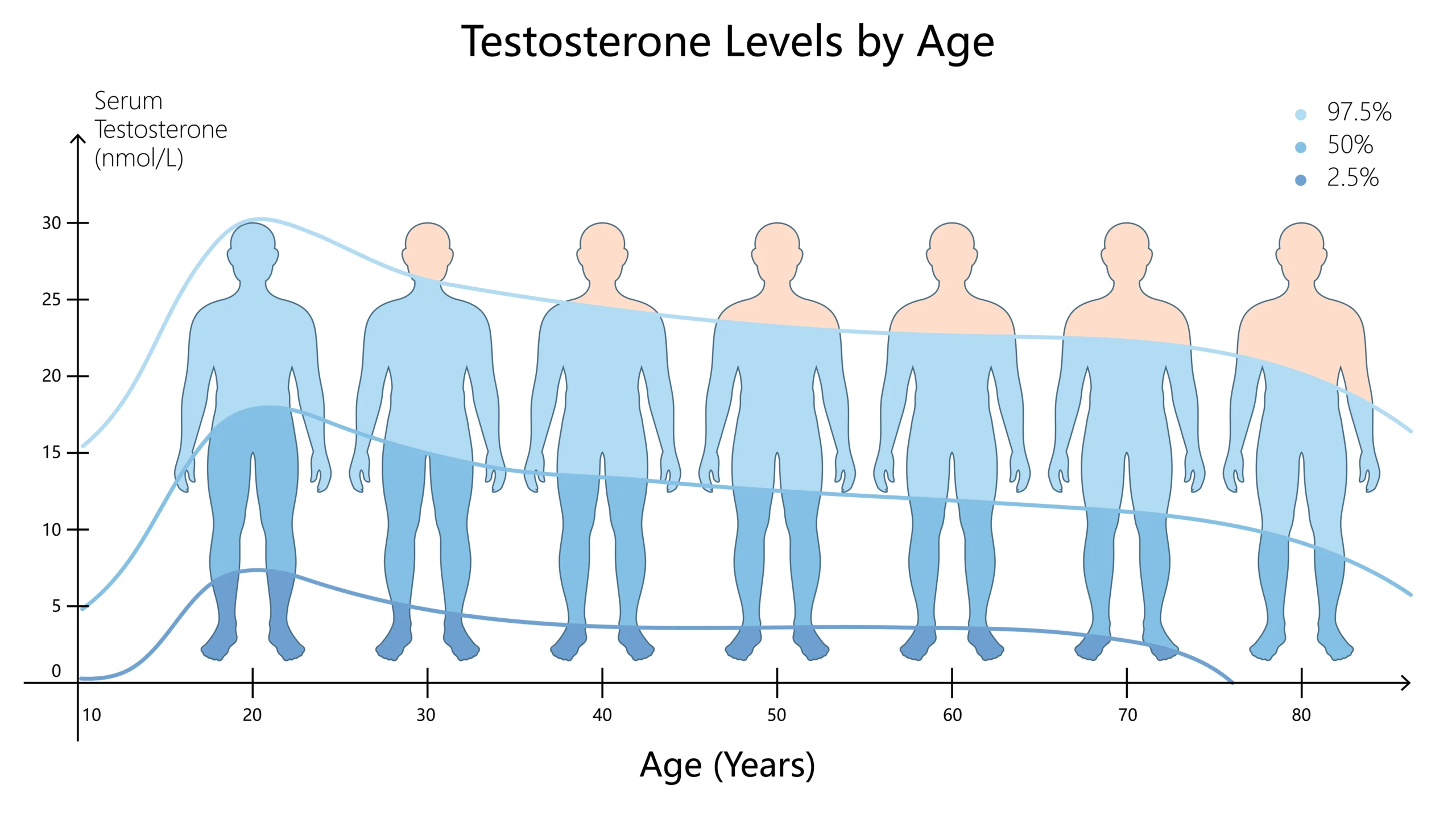
While lower testosterone levels are common and natural with aging—much like graying hair—they aren’t always a concern. According to the NHS, men in their thirties typically see a yearly decrease of 1-2% in their T-levels, which generally don’t lead to serious issues.
What causes T to drop more than expected? Often, lifestyle or mental health concerns are factors. Symptoms like erectile problems or diminished libido should prompt discussions with your healthcare provider to identify other potential causes like stress, depression, or anxiety.
Other reasons include hypogonadism—a condition where the testes produce little or no hormones. It may be congenital or acquired later due to injury or illness.
If left untreated, low T can weaken bones, raising osteoporosis risk. Worryingly, a study in the Journal of Clinical Endocrinology and Metabolism links low testosterone with increased mortality. If symptoms appear, timely medical evaluation is important.
Signs of Low Testosterone
Symptoms can vary by age. As per NHS, signs include fatigue, low stamina, mood swings like depression or anxiety, irritability, reduced libido, erectile difficulties, loss of physical strength, excessive sweating or night sweats, memory or focus issues, and less frequent shaving.
If such symptoms occur, the NHS notes that other factors may be involved. In these cases, supplements or hormone therapy might not be enough. Blood tests can confirm if testosterone levels are low.
What Is a Normal Testosterone Range by Age?
Testosterone levels are measured via blood tests, expressed in nanomoles per litre (nmol/l) in the UK. Generally, levels above 0.30 nmol/l are normal, with optimal levels above 0.45 nmol/l.
After age 30, T tends to decline roughly 1% yearly. Dr. Luke Pratsides, lead GP at Numan, explains that most men sustain healthy T levels well into old age, enabling many to father children into their eighties.
‘However, some individuals experience levels dropping below the normal range,’ he states. ‘This can cause decreased libido, erectile issues, fertility challenges, low energy, muscle loss, and a lower mood.’
What Do Testosterone Boosters Entail?
Testosterone boosters comprise various supplements designed to elevate T levels. Their choice depends on how low your levels are. Mild deficiencies can often be managed with herbal supplements like Tribulus Terrestris available from stores like Holland & Barrett or on Amazon.
For more severe deficiencies, medical treatments like DHEA—a steroid precursor available via prescription in the UK—may be considered, always under professional supervision. Excessive doses can cause mood swings and aggression, often dubbed roid rage, alongside other adverse effects. Medications like Clomifene and HCG are also options managed by healthcare providers.
Are Testosterone Boosters Effective?
Yes, if they are legitimate products and your T is actually low. Dr. Sohere Roked, an expert in hormone therapy at Omniya London, confirms, ‘I’ve seen these work for various individuals.’ She adds, ‘Some assume they’re unnecessary or a waste, but I’ve observed improvements in body composition, mood, energy, and functions closely linked to testosterone when combined with a healthy diet and exercise.’
Supporting evidence comes from studies like one from Shanghai University of Sport, which tracked 15 male boxers over three weeks of intensive training, with half receiving 1250mg of TT. Those supplementing showed reduced muscle damage and improved anaerobic performance.
Impact of Testosterone Boosters on Sexual Function
Boosters can boost libido, energy, and erectile function—if testosterone levels are genuinely low. However, overusing them can cause side effects like testicular shrinkage, gynecomastia, lower sperm count, or even erectile difficulties.
‘If arousal or erection issues arise, don’t assume it’s solely low T,’ suggests Sonia Khan of Medicine Direct. ‘Many factors—like alcohol, stress, depression, fatigue, or illness—affect libido. Consulting a healthcare professional is the safest approach.
Risks and Side Effects of Testosterone Boosters
Before using supplements, it’s crucial to confirm low T as the root cause of your symptoms. Unnecessary use may lead to irreversible problems—blood tests are essential for proper diagnosis. Regular blood work helps ensure appropriate dosing, as recommended by Roked.
Overproduction of testosterone can suppress natural hormone synthesis, lowering sperm count. Side effects might include acne, hair loss, mood swings, aggressive behavior, and more. Always seek professional advice before starting testosterone boosters.
‘Many gym-goers aren’t aware that supplements could permanently shut down their own hormone production or reduce fertility,’ notes Roked. ‘While rare, such issues are serious. It’s best to work with a healthcare provider and avoid unnecessary hormone use.’
Although compounds like DHEA can raise T levels, misuse or excessive doses can lead to liver issues, hormonal imbalance, high blood pressure, and increased heart attack or stroke risks, warns Dr. Emil Hodzovic, a bodybuilder and physician at Medichecks.
Should Men Consider Using Testosterone Boosters?
Without addressing overall health, using boosters is pointless. If physical health isn’t optimal, T-boosting techniques may have limited effect or even cause harm. Core lifestyle changes are key.
‘Poor habits—like sleep deprivation, high stress, or excess body fat—can mimic low T symptoms or cause them,’ states Hodzovic. ‘Focusing on sleep, a balanced diet, regular activity, and stress management is a good first step. Using boosters without correcting these fundamentals usually yields minimal benefit.’
Natural Ways to Increase Testosterone
As Roked suggests, increasing zinc and omega-3 intake can naturally elevate T levels. Incorporate these foods into your diet, or opt for supplements if you are deficient.
If diet and lifestyle adjustments aren’t enough, consult with an expert. Remember, ‘Supplements are ineffective if you neglect fundamental habits,’ Roked emphasizes. Be honest about your routines and choices.
Foods That Can Reduce Testosterone
‘Some foods promote estrogen-like hormones—female sex hormones—either directly or by converting testosterone into estrogens,’ explains Dr. Pratsides. ‘Elevated estrogen can suppress testosterone production.’

‘Overeating processed, high-fat, sugary foods increases abdominal fat,’ he continues. ‘This fat releases aromatase, an enzyme that converts testosterone into estrogen.’
Alcohol intake also affects T levels. ‘Ethanol reduces NAD+, a coenzyme essential for testosterone synthesis in the liver and testes,’ says Dr. Pratsides. Excessive drinking boosts estrogen and cortisol, which decrease testosterone levels.’
Occasional beer isn’t an issue, but heavy, long-term drinking can lower T. Diets high in dairy or low in dark leafy greens may also worsen hormonal balance, warns Khan.
Top Foods for Supporting Testosterone Production
Although testosterone declines naturally with age, you can stimulate your body to produce more through your diet. Consider adding these seven nutrient-rich foods:
- Oily fish like salmon, tuna, and sardines supply zinc, vitamin D, and protein—essential for maintaining T levels.
- Ginger—A 2012 study—found that daily ginger intake over three months boosted testosterone by 17.7% in men with fertility issues.
- Eggs—’The cholesterol in the yolk is a T precursor,’ says Kim Pearson.
- Dark greens like kale are rich in magnesium, crucial for healthy testosterone production.

- Extra virgin olive oil— 2013 study—shows that daily consumption can elevate T levels over three weeks.
- Fruits like berries, cherries, and pomegranates—research in the International Journal of Impotence Research reports that nearly half of men with erectile issues saw improvements after daily pomegranate juice.
- Red meats such as liver and ground beef contain vitamin D and zinc, vital for puberty and T production.
Effective Supplements for Enhancing Testosterone
If you’re seeking scientifically supported T-boosting supplements, here are some prominent options based on research:
Tribulus Terrestris
TT is popular for performance enhancement and may also support sexual health. While much of the evidence is from animal studies, some results are promising. Male rats given TT extracts showed increased mounting behavior, better erections, and heightened sexual activity, indicating potential benefits for humans.
D-Aspartic Acid
This natural amino acid is involved in testosterone synthesis. A 90-day trial with men suffering fertility issues showed that D-Aspartic acid doubled sperm counts from 8.2 million to 16.5 million per ml.
If your T is normal and you’re focusing on strength gains, D-Aspartic acid might offer limited advantages. A separate study published in Nutrition Research found no significant gains in body composition or strength among trained men taking it.
Vitamin D
Well-known for bone health, vitamin D also correlates with testosterone levels. A study from the University of Graz indicated that supplementing with vitamin D increased T over a year in overweight men. When sunlight exposure is limited, supplementation can be especially helpful.
Magnesium
Linked to T production, magnesium deficiency can reduce levels. A study involving athletes and sedentary men showed increased testosterone after magnesium supplements, highlighting its support role even for men with normal T levels.
DHEA
Earlier mentioned as a prescription steroid precursor, DHEA has been shown to raise T. A study in the European Journal of Applied Physiology found it prevented age-related T decline during high-intensity training in middle-aged men.
Read also: 12 Natural Foods that Boost Testosterone
]]>Erectile dysfunction (ED), the ongoing difficulty in achieving or maintaining an erection suitable for sex, is a common issue that tends to increase with age. While factors like psychological stress, hormonal imbalances, and nerve problems can contribute, high cholesterol is a significant, often overlooked cause. Its impact on erectile function is complex, mainly affecting the blood vessels.
Blockages in Arteries and Impaired Blood Flow
Sound erections depend on healthy blood flow to the penis. During arousal, the corpora cavernosa fill with blood as the penile arteries relax, allowing circulation. High cholesterol causes plaque buildup—fatty deposits—in artery walls. This condition, known as atherosclerosis, narrows arteries and hampers the smooth flow of blood.

Atherosclerosis and the Penile Blood Supply
The arteries feeding the penis are affected by atherosclerosis, too. As cholesterol deposits form, the inner lining becomes uneven and constricted. This limits blood flow volume and slows its delivery, meaning even with stimulation, the corpora cavernosa may not receive enough blood to produce or sustain an erection.
Nitric Oxide and Its Role in Erections
Erectile function relies heavily on nitric oxide (NO), which widens blood vessels—vasodilation. NO is made by cells lining the blood vessels, including those in the penis. When released, it relaxes smooth muscles, boosting blood flow. High cholesterol severely hampers NO production and availability.
Endothelial Damage
The endothelium, the vessel lining, becomes dysfunctional due to high cholesterol. Oxidative stress—primarily from LDL (“bad”) cholesterol—damages these cells, reducing NO synthesis. Additionally, plaques can physically block NO release and promote harmful molecules that counteract its effects. This combination results in decreased vasodilation, impairing erections.
The Cycle of Inflammation
Elevated cholesterol triggers chronic inflammation inside arterial walls. This damages the endothelium further, accelerates plaque buildup, and makes arteries stiffer. The resulting hostile environment diminishes overall vascular health, including the capacity to produce and maintain erections.
Oxidative Stress and Penile Tissue Damage
Besides causing arterial narrowing, high cholesterol increases oxidative stress throughout the body, including within penile tissues. This imbalance between free radicals—unstable molecules that damage cells—and the body’s defenses leads to tissue damage.
LDL and Radical Formation
Particularly, LDL or “bad” cholesterol, is involved in oxidative stress. When oxidized, it is more likely to be taken up by immune cells, forming foam cells that drive inflammation and plaque growth. Oxidized LDL also harms cells in blood vessel walls, including smooth muscle and endothelium cells.
Damage to Penile Smooth Muscle and Nerves
The ongoing inflammation and oxidative stress can directly hurt smooth muscle cells in the corpora cavernosa, reducing their response to NO. Small nerves vital for signaling sexual arousal may also be damaged, adding to erectile difficulties.
Cholesterol and Sexual Desire: Hormonal and Libido Effects
While its effect on erections is well-known, it also influences key aspects of sexual desire and hormonal balance that govern libido.
Cholesterol and Testosterone Production
Testosterone is critical for libido, mood, and energy, all vital for a healthy sex life. Cholesterol is an essential precursor for testosterone synthesis within the testes’ Leydig cells. A healthy cholesterol level supports optimal testosterone production.
Steroid Hormone Synthesis from Cholesterol
All steroid hormones, including testosterone, estrogen, and cortisol, originate from cholesterol. The molecule converts to pregnenolone through enzymatic steps, serving as the foundation for hormone creation. Imbalanced cholesterol levels can disrupt this process, affecting hormone levels.
Ideal balance for Hormone Production
While high cholesterol damages blood vessels, very low levels can limit the raw materials for testosterone. Nonetheless, the main concern regarding sexual health is how elevated cholesterol often coincides with hormonal disturbances.
High Cholesterol’s Effect on Testosterone
Interestingly, conditions leading to high cholesterol—such as obesity, insulin resistance, and chronic inflammation—are often linked to lower testosterone levels. These issues impair the Leydig cells’ ability to produce testosterone, even when cholesterol is abundant. Inflammation can also interfere with hormonal signaling pathways.
Impact on Other Sex Hormones
Cholesterol’s influence extends beyond testosterone. It can indirectly affect hormones like cortisol, elevated during inflammation, which can dampen libido and cause fatigue.
Thyroid Hormones and Sexual Function
Although not synthesized from cholesterol, thyroid hormones regulate metabolism and energy, both crucial for sexual performance. Metabolic syndrome, associated with high cholesterol, can impair thyroid function, leading to decreased libido and sexual performance issues.
Hormonal and Vascular Interactions
Hormonal balance and vascular health are interconnected. Testosterone influences blood vessels, while poor vascular health from high lipids can reduce hormone effectiveness, creating a vicious cycle.
Early Signs: When it Starts Affecting Sexual Life
High cholesterol often has no symptoms, with many unaware until serious cardiovascular issues arise. However, early signs may appear in sexual health. Persistent erectile problems or lowered libido, especially alongside other heart disease risk factors, should prompt medical evaluation.

Noticeable Changes in Erection Quality
Men concerned might observe erections becoming less firm or fading faster during sex. These subtle changes can initially be mistaken for fatigue or stress.
Morning Erections as Indicators
Having morning erections usually reflects good vascular health. A decrease or absence might suggest blood flow issues, potentially caused by high cholesterol.
Difficulty Maintaining Erections
Some men can initiate an erection but struggle to keep it, or experience difficulty with penetration. Such new problems merit medical attention.
Reduced Libido and Sexual Interest
A consistent decline in sexual desire or lack of interest can be linked to hormonal imbalances or the physical and mental effects of chronic conditions like high cholesterol.
Fatigue and Reduced Energy
High lipids, particularly with metabolic syndrome, can cause fatigue and low energy, reducing sexual motivation and desire.
Emotional Effects and Mood
Chronic health issues, such as high cholesterol, can negatively influence mental health. Anxiety, depression, and low mood can further diminish libido and enjoyment of intimacy.
Managing Cholesterol: Protecting Your Heart and Sexual Health
Recognizing the link between cholesterol and sexual wellness encourages men to actively control lipid levels. Efforts to lower lipids often improve erectile function and libido.
Lifestyle Changes as the Main Strategy
Healthier habits form the foundation of managing cholesterol and improving sexual health. These adjustments not only lower lipids but enhance overall quality of life.
Diet for Heart and Sexual Wellness
A heart-friendly diet involves reducing saturated and trans fats from sources like red meats, full-fat dairy, and processed foods. Focus on healthy fats from olive oil, avocados, nuts, and seeds. Increasing soluble fiber from oats, beans, fruits, and vegetables can lower LDL levels.
Benefits of Plant-Based Foods
Consuming more fruits, vegetables, whole grains, and legumes provides nutrients and fiber that help lower cholesterol and fight inflammation. Rich in antioxidants, these foods help combat oxidative stress.
Cutting Back on Processed Foods and Sugar
Limiting processed foods and sugars reduces inflammation and improves lipid profiles, offering significant benefits for vascular and sexual health.

Physical Activity’s Role in Heart and Sexual Function
Engaging in regular aerobic activity—aiming for at least 150 minutes of moderate or 75 minutes of vigorous exercise weekly—boosts cardiovascular health. Exercise reduces LDL, increases HDL (“good” cholesterol), and improves blood flow.
Enhancing Blood Flow and NO Production
Regular activity promotes healthy endothelium, aiding nitric oxide production, leading to better vasodilation and improved erections.
Weight Loss and Sexual Well-being
Maintaining a healthy weight benefits cholesterol and hormone levels. Shedding excess weight improves insulin sensitivity, reduces inflammation, and can raise testosterone levels.
Ceasing Smoking for Better Blood Vessels
Smoking significantly damages blood vessels, hampers blood flow, and accelerates atherosclerosis. Quitting smoking is one of the most effective steps to enhance both heart and sexual health, as nicotine constricts vessels and worsens vessel damage.
Medical Solutions When Lifestyle Changes Aren’t Enough
When lifestyle adjustments don’t achieve desired cholesterol levels, medications supervised by healthcare providers become necessary. These can markedly improve lipid profiles and thus benefit sexual function.

Statins and Erectile Function
Statins, the most prescribed cholesterol-lowering drugs, reduce LDL by blocking liver enzyme activity. Many studies indicate statins can improve erections by decreasing inflammation and improving endothelial health, including nitric oxide availability.
How Statins Work
By lowering LDL and reducing plaque buildup, statins enhance blood flow, directly supporting stronger and more reliable erections.
Side Effects and Sexual Health
While generally safe, statins can cause muscle pain or weakness in some men. Rarely, sexual side effects are reported, but their benefits often outweigh these concerns. Discussing symptoms with a doctor is essential.
Other Medications
Alternative drugs like PCSK9 inhibitors, ezetimibe, and fibrates help manage cholesterol, either alone or combined with statins. Their purpose is to lower cardiovascular risk and promote healthier blood vessels, which benefits sexual performance.
Regular Check-ups for Long-term Management
Consistent medical visits are vital for tracking cholesterol, assessing cardiovascular risks, and catching issues early. A proactive approach ensures tailored interventions for heart and sexual health.
Testing and Monitoring
Routine lipid screening, starting in adulthood, detects high lipids early, allowing for intervention before significant artery damage occurs.
Open Dialogue with Healthcare Providers
Discuss honestly any sexual health concerns or changes with your doctor. Their input helps craft the best overall plan, considering both cholesterol levels and sexual function.
]]>Erectile dysfunction, characterized by the consistent inability to achieve or maintain an erection firm enough for satisfactory sexual intercourse, is a prevalent condition affecting millions of men worldwide. Its origin is multifactorial, encompassing a wide range of physiological and psychological components. Understanding these underlying causes is paramount to appreciating how wine might, or might not, play a role in its prevention.
Physiological Factors Contributing to Erectile Dysfunction
The physiological foundations of erectile function are complex, relying on a delicate interplay of neurological, vascular, and hormonal systems. Any disruption to these intricate pathways can manifest as ED.

Endothelial Dysfunction
The inner lining of blood vessels, known as the endothelium, plays a critical role in regulating blood flow. Healthy endothelial function is essential for the production of nitric oxide (NO), a potent vasodilator that relaxes smooth muscle in the penis, allowing blood to engorge the erectile tissues. Impaired endothelial function, often linked to conditions like atherosclerosis, hypertension, and diabetes, can significantly reduce NO bioavailability, impeding the erectile process.
Atherosclerosis
The hardening and narrowing of arteries due to plaque buildup, atherosclerosis, can impede blood flow throughout the body, including to the penis. As the penile arteries are among the smallest in the body, they are often early indicators of systemic vascular disease. Reduced blood flow due to atherosclerosis directly compromises the ability to achieve and maintain an erection.
Hypertension
High blood pressure, or hypertension, damages blood vessels over time, making them less elastic and prone to narrowing. This can lead to impaired blood flow to the penis and contribute to endothelial dysfunction, both of which are risk factors for ED. Moreover, some medications given to treat hypertension can also trigger erectile dysfunction as a side effect.
Diabetes
Diabetes, particularly uncontrolled diabetes, is a major risk factor for Erectile Dysfunction. High blood sugar levels can damage nerves (neuropathy) and blood vessels (angiopathy) throughout the body, including those essential for erectile function. Diabetic neuropathy can impair nerve signals required for erection, while diabetic angiopathy contributes to poor blood flow.
Hormonal Imbalances
Testosterone, the primary male sex hormone, plays a crucial role in libido and erectile function. Low testosterone levels (hypogonadism) can contribute to Erectile Dysfunction. Other hormonal imbalances, such as those involving thyroid hormones or prolactin, can also impact erectile function.
Psychological Factors Influencing Erectile Dysfunction
Beyond physiological causes, psychological stressors and mental health conditions can significantly contribute to ED.

Stress and Anxiety
Chronic stress, performance anxiety, and general anxiety can activate the “fight or flight” response, diverting blood flow away from non-essential functions, including sexual arousal. These psychological states can also interfere with the complex neurological signals required for an erection.
Depression
Depression is strongly linked to ED. It can reduce libido, impact mood, and interfere with the brain’s ability to initiate and maintain an erection. Furthermore, some antidepressant medications can have sexual side effects, including Erectile dysfunction.
Relationship Issues
Interpersonal conflicts and communication issues within a relationship can create emotional distance and sexual difficulties, manifesting as Erectile Dysfunction.
The Science Behind Wine and Cardiovascular Health
The potential connection between wine, particularly red wine, and a reduced risk of erectile dysfunction largely stems from its purported cardiovascular benefits. A healthy cardiovascular system is fundamental for robust erectile function, as the underlying mechanism of an erection relies heavily on adequate blood flow.

Antioxidant Properties
Red wine is rich in polyphenols, a class of compounds known for their potent antioxidant properties. These antioxidants combat oxidative stress, a process that damages cells and contributes to various chronic diseases, including cardiovascular disease.
Resveratrol
One of the most extensively studied polyphenols in red wine is resveratrol. Resveratrol has been shown in numerous in vitro and animal studies to exert significant antioxidant and anti-inflammatory effects. It may protect endothelial cells from damage, promote the production of nitric oxide, and inhibit the oxidation of low-density lipoprotein (LDL) cholesterol, all of which contribute to improved vascular health.
Flavonoids
Other flavonoids present in red wine, such as anthocyanins, catechins, and quercetin, also contribute to its antioxidant capacity. These compounds work synergistically to protect against free radical damage, reduce inflammation, and support healthy blood vessel function.
Nitric Oxide Production
As previously mentioned, nitric oxide (NO) is a crucial molecule for penile erection. Studies suggest that certain compounds in red wine can enhance the activity of endothelial nitric oxide synthase (eNOS), the enzyme responsible for producing NO in blood vessels.
Endothelial Function Improvement
By promoting eNOS activity and reducing oxidative stress, wine polyphenols may contribute to improved endothelial function. A healthy endothelium is better equipped to produce sufficient levels of NO, leading to proper vasodilation and increased blood flow, which are vital for achieving and maintaining an erection.
Anti-inflammatory Effects
Chronic inflammation is a significant contributor to cardiovascular disease and, by extension, Erectile Dysfunction. The anti-inflammatory properties of wine polyphenols can help mitigate this systemic inflammation, protecting blood vessels and promoting overall cardiovascular health.
Wine and Erectile Dysfunction: Direct Evidence and Mechanisms
While the cardiovascular benefits of wine provide an indirect link to ED prevention, some research has explored a more direct correlation.
Epidemiological Studies
Several observational studies have investigated the association between wine consumption and the prevalence of Erectile Dysfunction. These studies, while not proving causation, have offered intriguing insights.
The Health Professionals Follow-up Study
One prominent study, the Health Professionals Follow-up Study, which tracked a large cohort of men over time, found that moderate wine consumption was associated with a lower risk of ED. Specifically, men who consumed 1-3 glasses of wine per week had a lower incidence of it compared to abstainers.
Other Observational Findings
Other epidemiological studies have similarly reported a reduced risk of Erectile Dysfunction among moderate wine drinkers, particularly red wine drinkers. These findings often attribute the protective effect to the aforementioned cardiovascular benefits and the actions of specific polyphenols.
Mechanisms Beyond Cardiovascular Health
Beyond its cardiovascular effects, wine may exert other physiological effects that could influence erectile function.
Testosterone Levels
Some research suggests that certain compounds in wine, particularly red wine, might influence testosterone levels, though this area requires further investigation. While chronic excessive alcohol intake is known to depress testosterone, moderate consumption might have a more nuanced effect. For instance, some flavonoids have been implicated in preventing the breakdown of testosterone, thus potentially maintaining healthier levels. However, this is largely theoretical and not yet conclusively proven in human studies with moderate wine consumption.
Cognitive and Psychological Impact
Moderate wine consumption can lead to relaxation and a reduction in stress, which in turn can positively impact psychological factors contributing to Erectile dysfunction. Reduced anxiety and enhanced mood could indirectly improve sexual function. It is important to emphasize that this effect is highly individual and easily negated by excessive consumption or pre-existing mental health conditions.
The Importance of Moderation: A Crucial Distinction
While the potential benefits of wine in preventing ED are intriguing, it is absolutely critical to emphasize the concept of “moderation.” The line between moderate and excessive alcohol consumption is a fine one, and crossing it can negate any potential benefits and instead lead to numerous adverse health outcomes, including worsened erectile dysfunction.

Defining Moderate Consumption
The definition of moderate alcohol consumption varies slightly across different health organizations, but generally, it refers to:
- For men: Up to two standard drinks per day.
- For women: Up to one standard drink per day.
A “standard drink” typically contains about 14 grams of pure alcohol, which equates to:
- 12 ounces of regular beer (about 5% alcohol)
- 5 ounces of wine (about 12% alcohol)
- 1.5 ounces of distilled spirits (about 40% alcohol)
Risks of Excessive Alcohol Consumption
Exceeding moderate limits can have detrimental effects on overall health and significantly worsen erectile function.
Direct Impact on the Nervous System
Excessive alcohol acts as a depressant on the central nervous system, slowing down nerve impulses, including those essential for initiating and maintaining an erection. It can impair the brain’s ability to communicate effectively with the penis.
Hormonal Disruption
Chronic heavy alcohol consumption can disrupt hormone balance, between testosterone and estrogen levels both of which can negatively impact libido and erectile function.
Liver Damage
The liver metabolizes alcohol, and excessive consumption can lead to liver damage, such as alcoholic fatty liver disease, hepatitis, and cirrhosis. These conditions can have systemic effects, including hormonal imbalances and impaired detoxification, which indirectly impact sexual health.
Vascular Damage
While moderate wine might benefit vascular health, heavy alcohol consumption is known to damage blood vessels, increase blood pressure, and contribute to atherosclerosis, directly counteracting any potential protective effects and exacerbating ED.
Performance Anxiety and Psychological Effects
Regular heavy drinking can lead to dependence, depression, and more anxiety, all of which are significant psychological contributors to Erectile dysfunction. The “hangover effect” alone can profoundly impact sexual desire and performance.
Beyond Wine: A Hollistic Approach to Erectile Dysfunction Prevention
While wine may play a modest role, it is essential to recognize that preventing Erectile dysfunction is a multifaceted endeavor that extends far beyond a single beverage. A comprehensive approach to health and lifestyle is paramount.
Adopting a Healthy Diet
A balanced and nutritious diet is fundamental for overall health, including cardiovascular and endocrine function.
Mediterranean Diet
The Mediterranean diet, rich in fruits, vegetables, whole grains, nuts, seeds, olive oil, and lean proteins, has consistently been associated with a lower risk of cardiovascular disease and Erectile dysfunction. Its emphasis on antioxidant-rich foods and healthy fats supports endothelial function and blood flow.
Limiting Processed Foods and Sugars
Diets in this type of foods, refined sugars, and unhealthy fats contribute to inflammation, oxidative stress, and weight gain, all of which are risk factors for Erectile dysfunction.
Regular Physical Activity
Consistent exercise is a cornerstone of good health and a powerful tool in erectile dysfunction prevention.
Improved Blood Flow
Physical activity strengthens the cardiovascular system, improves blood circulation, and enhances endothelial function, all of which are crucial for erections.
Weight Management
Regular exercise helps maintain a healthy weight, reducing the risk of obesity, diabetes, and hypertension.
Stress Reduction
Exercise is a well-known stress reliever, helping to mitigate the psychological factors that can impact erectile function.
Stress Management Techniques
Given the significant psychological component of ED, effective stress management is vital.
Mindfulness and Meditation
Practices like mindfulness and meditation can help reduce anxiety, improve mood, and foster a greater sense of well-being, indirectly benefiting sexual function.
Engaging in Hobbies and Social Activities
Participating in enjoyable activities and maintaining strong social connections can reduce stress and enhance overall mental health.
Adequate Sleep
Quality sleep is essential for hormonal balance, energy levels, and overall physical and mental recovery. Chronic sleep deprivation can negatively impact testosterone levels and contribute to stress and fatigue, increasing the risk of Erectile dysfunction.
Avoiding Smoking
Smoking is a major risk factor for cardiovascular disease, severely damaging blood vessels and impairing blood flow, making it a significant contributor to Erectile dysfunction. Quitting smoking is one of the most impactful steps a man can take to improve his erectile health.
Conclusion: A Nuanced Perspective
The available scientific evidence suggests that moderate consumption of wine, particularly red wine, may be associated with a reduced risk of erectile dysfunction. This potential benefit is largely attributed to its rich content of antioxidants and polyphenols, such as resveratrol, which contribute to improved cardiovascular health, enhanced endothelial function, and increased nitric oxide production. These mechanisms directly support the physiological processes necessary for achieving and maintaining an erection.
However, it is imperative to approach this conclusion with a nuanced perspective. The potential benefits are tightly linked to the concept of moderation; excessive alcohol consumption, conversely, is a well-established risk factor for Erectile dysfunction and can lead to numerous other serious health problems. Moreover, wine should not be considered a singular “cure” or primary preventative measure for it. Instead, it might be viewed as one small component within a broader, holistic approach to men’s health.
A comprehensive strategy for preventing Erectile dysfunction encompasses a healthy diet, regular exercise, effective stress management, adequate sleep, avoidance of smoking, and diligent management of underlying medical conditions. For individuals who already enjoy wine, moderate consumption might offer an additional, albeit minor, protective layer. For those who do not drink, there is no compelling reason to start for the sole purpose of preventing ED, as the same health benefits can be achieved through other, less risky lifestyle interventions. Ultimately, the relationship between wine and erectile function is complex, underscoring the importance of individual health choices, responsible consumption, and a holistic commitment to well-being.
Read Also: Top ED Treatments available on 2026
]]>A man’s diet is not merely about staying fit or staving off disease; it directly influences the quality and quantity of his sperm. The nutrients, or lack thereof, within his daily food intake can either support robust spermatogenesis (sperm production) or hinder it.
Nutritional Deficiencies and Sperm Health
A diet lacking in essential vitamins and minerals can have detrimental effects on sperm. Men who consume a diet high in processed foods, unhealthy fats, and refined sugars often exhibit lower sperm counts and reduced sperm motility.

Antioxidants: Guardians of Sperm
Antioxidants like vitamins C and E, selenium, zinc, and coenzyme Q10 are vital for protecting sperm from oxidative stress. Oxidative stress occurs when there’s an imbalance between free radicals and antioxidants in the body, leading to cellular damage. Sperm cells are particularly vulnerable to oxidative stress due to their high content of polyunsaturated fatty acids.
Vitamin C: Enhancing Sperm Motility
Research indicates that vitamin C can improve sperm motility and morphology. It also helps to prevent sperm agglutination, where sperm stick together, hindering their ability to reach and fertilize an egg.
Zinc: A Key Mineral for Testosterone and Sperm Production
Zinc is indispensable for male reproductive health. It plays a crucial role in testosterone metabolism, sperm production, and sperm motility. Deficiency in zinc has been linked to low testosterone levels, decreased sperm count, and impaired sperm function.
Selenium: Protecting Against Damage
Selenium is another powerful antioxidant that protects sperm from oxidative damage. Studies have shown that men with higher selenium intake tend to have better sperm quality and motility.
Folate: Preventing Chromosomal Abnormalities
Folate, a B vitamin, is crucial for DNA synthesis and repair. Adequate folate levels in men have been associated with a lower risk of chromosomal abnormalities in sperm, which can lead to miscarriages or birth defects.
Unhealthy Eating Habits and Their Consequences
Beyond specific deficiencies, general unhealthy eating habits can also contribute to infertility.

High Fat and Sugar Intake
Diets rich in saturated and trans fats, alongside high sugar consumption, can lead to obesity and insulin resistance, both of which are linked to impaired sperm quality. These diets can also cause inflammation, further damaging sperm DNA.
Processed Foods and Additives
Processed foods often contain synthetic additives, preservatives, and artificial sweeteners, which may have endocrine-disrupting effects. While research is ongoing, some studies suggest that these compounds could negatively impact hormone balance and sperm production.
The Role of Lifestyle Choices in Fertility Decline
Beyond diet, various other lifestyle choices can significantly influence a man’s reproductive capabilities. These choices often involve daily habits that, when accumulated over time, can have substantial repercussions.

Smoking and Alcohol Consumption
Both smoking and excessive alcohol consumption are well-established risk factors for male infertility.
Tobacco’s Toxic Impact
Smoking introduces numerous toxic chemicals into the body, many of which directly damage sperm.
Reduced Sperm Count and Motility
Smokers typically exhibit lower sperm concentrations, reduced sperm motility, and an increased percentage of abnormally shaped sperm. The nicotine and other toxins in cigarettes can also impair the Leydig cells, which are responsible for producing testosterone.
DNA Fragmentation
Perhaps most concerning is the increase in sperm DNA fragmentation seen in smokers. Damaged DNA in sperm can lead to difficulties in conception, recurrent miscarriages, and an increased risk of health problems in offspring.
Alcohol’s Detrimental Effects
While moderate alcohol consumption may have minimal impact, excessive drinking can severely compromise male fertility.
Hormonal Imbalance
Alcohol can disrupt the delicate hormonal balance required for sperm production. It can lower testosterone levels and increase estrogen levels, negatively affecting spermatogenesis.
Liver Damage and Nutrient Absorption
Chronic alcohol abuse can lead to liver damage, which impairs the liver’s ability to metabolize hormones and nutrients essential for reproductive health. It can also interfere with the absorption of crucial vitamins and minerals like zinc, selenium, and folate.
Direct Sperm Damage
Ethanol, the alcohol in alcoholic beverages, and its metabolites are directly toxic to sperm cells, leading to decreased sperm count, motility, and increased morphological abnormalities.
illicit Drug Use
The use of illicit drugs has profound negative effects on various bodily systems, including the reproductive system.
Marijuana
Regular use of marijuana has been linked to reduced sperm concentration, motility, and abnormal sperm morphology. THC, the active compound in marijuana, can also affect hormone levels, including testosterone.
Cocaine and Opioids
Cocaine can cause vasoconstriction, reducing blood flow to the testes, which can impair sperm production. Opioids, both illicit and prescription, can significantly lower testosterone levels, leading to reduced libido and impaired spermatogenesis.
Environmental Factors and Occupational Exposures
A man’s environment, including his workplace, can expose him to certain substances and conditions that are detrimental to his sperm health.
Exposure to Toxins and Chemicals
Modern living often involves exposure to a myriad of chemicals, some of which are recognized endocrine disruptors.
Pesticides and Herbicides
Men working in agriculture or living in areas with high pesticide use may experience reduced sperm quality. Many pesticides are endocrine disruptors, mimicking or interfering with hormones, thereby impacting sperm production and function.
Heavy Metals
Exposure to heavy metals such as lead, cadmium, and mercury, often found in industrial settings or contaminated environments, can negatively affect sperm parameters, including count, motility, and morphology. These metals can also induce oxidative stress.
Phthalates and Bisphenol A (BPA)
These chemicals are ubiquitous in plastics, personal care products, and food packaging. They are known endocrine disruptors that can interfere with male reproductive hormones, potentially leading to lower sperm quality. Reducing exposure to these chemicals by choosing BPA-free products and avoiding heating food in plastic containers can be beneficial.
Heat Exposure
Sperm production is optimally designed to occur at a temperature slightly below core body temperature.
Testicular Overheating
Frequent or prolonged exposure to high temperatures can impair spermatogenesis.
Hot Tubs and Saunas
Regular use of hot tubs and saunas can temporarily increase testicular temperature, leading to reduced sperm production and motility. While the effects are often reversible upon cessation, chronic exposure can have lasting impacts.
Tight Underwear and Laptop Use
While the evidence is less conclusive than for hot tubs, some studies suggest that tight-fitting underwear or prolonged laptop use directly on the lap could potentially raise scrotal temperature enough to affect sperm quality, although the impact is likely minor compared to other factors.
Occupational Heat Exposure
Men working in occupations exposed to high heat, such as foundry workers or bakers, may also experience compromised sperm health due due to elevated testicular temperatures.
Psychological Stress and Mental Health
The mind-body connection is powerful, and chronic psychological stress can significantly impact a man’s reproductive system.
Stress Hormones and Reproduction
When under stress, the body releases hormones like cortisol, which can interfere with the production of gonadotropin-releasing hormone (GnRH). GnRH is essential for stimulating the pituitary gland to produce luteinizing hormone (LH) and follicle-stimulating hormone (FSH), which in turn regulate testosterone production and spermatogenesis.
Reduced Libido and Sexual Dysfunction
Chronic stress can lead to decreased libido and erectile dysfunction, directly impacting a man’s ability to conceive. The pressure of infertility itself can create a vicious cycle of stress, further exacerbating the problem.
Oxidative Stress and Sperm Damage
Psychological stress can also increase oxidative stress in the body, which, as previously discussed, can damage sperm DNA and impair sperm function.
Sleep Deprivation
Adequate sleep is crucial for overall health, including reproductive health.
Hormonal Regulation
Sleep plays a significant role in hormonal regulation. Chronic sleep deprivation can disrupt the production of hormones vital for sperm production, including testosterone. Studies have shown that men with irregular sleep patterns or insufficient sleep may have lower sperm quality.
Decreased Immunity and Increased Inflammation
Poor sleep can also compromise the immune system and increase systemic inflammation, both of which can negatively impact testicular function and sperm health.
Weight and Physical Activity
A man’s body weight and level of physical activity are crucial determinants of his overall health, including his reproductive health.
Obesity and Overweight
Obesity is a growing epidemic with significant implications for male fertility.
Hormonal Imbalance
Adipose tissue (body fat) can convert testosterone into estrogen, leading to lower testosterone levels and impaired spermatogenesis. Obese men often have higher estrogen levels, which can further disrupt the hormonal balance necessary for sperm production.
Oxidative Stress and Inflammation
Obesity is associated with increased systemic inflammation and oxidative stress, both of which can directly damage sperm DNA and impair sperm function.
Erectile Dysfunction
Obese men are also at a higher risk of developing conditions like insulin resistance and cardiovascular disease, which can lead to erectile dysfunction, making conception more difficult.
Altered Testicular Temperature
Excess body fat, particularly in the abdominal and groin areas, can also increase scrotal temperature, potentially impairing sperm production.
Sedentary Lifestyle
A lack of physical activity, often accompanying obesity, can further contribute to fertility issues.
Poor Circulation
A sedentary lifestyle can lead to poor circulation, which might affect blood flow to the testes and hinder optimal testicular function.
Increased Risk of Chronic Diseases
Lack of exercise increases the risk of developing chronic diseases like type 2 diabetes and heart disease, both of which can negatively impact male fertility.
Excessive Exercise and Over-training
While moderate exercise is beneficial, excessive or extreme exercise can sometimes have adverse effects on male fertility.
Hormonal Disruption
Intense, long-duration exercise, particularly endurance training, can potentially lead to transient decreases in testosterone levels and increased cortisol levels. This hormonal shift, if chronic, could affect sperm production.
Testicular Trauma
Certain types of exercise, such as cycling, if performed excessively, can cause repeated microtrauma to the testes or put pressure on the perineal area, potentially affecting blood flow and testicular function. The increased scrotal temperature due to tight cycling shorts can also be a minor contributing factor. However, for most men, the benefits of regular, moderate exercise far outweigh these potential risks.
In conclusion, a man’s lifestyle choices are not merely individual preferences but critical determinants of his reproductive potential. From the food he eats and the substances he consumes to the environment he inhabits and the stress he endures, each aspect can either foster robust fertility or contribute to its decline. By adopting healthier habits, being mindful of environmental exposures, and effectively managing stress, men can significantly enhance their chances of conception and safeguard their long-term reproductive health. Consulting with healthcare professionals for personalised advice and fertility assessments is always recommended for those facing challenges in conceiving.
]]>The term “pornography” encompasses a vast and diverse range of visual and textual content designed to sexually arouse. Its accessibility has exploded in the digital age, moving from discreet magazines and VHS tapes to an omnipresent stream of online material. This accessibility has democratized access but also broadened the spectrum of what is considered porn, ranging from historically mainstream artistic depictions to extreme and niche content. The perceived purpose and function of pornography also vary greatly among individuals. For many, it is a private activity for personal exploration and fantasy. For some couples, it may be incorporated into shared sexual experiences, viewed together as a form of foreplay or exploration.
The Evolution of Pornography Consumption
Historically, porn was a niche product, often associated with adult bookstores and cinemas. The advent of the internet, and particularly the development of high-speed internet and streaming capabilities, revolutionized its consumption. This shift from physical media to digital platforms has made porn readily available at any time and from almost any device. This ubiquity has led to changes in how people encounter and integrate porn into their lives. It has also undeniably influenced societal norms and perceptions surrounding sexuality.
Categorizing Pornographic Content
The sheer volume and variety of pornographic content can be overwhelming. It ranges from artistic and erotic to explicit and extreme. Consumers often gravitate towards specific genres and subgenres based on personal preferences and evolving interests. This personalization, while offering tailored experiences, also means that the type of pornography consumed can significantly influence its impact.
Potential Benefits of Pornography in Sexual Exploration
For many individuals, pornography offers a gateway to understanding and exploring their own sexuality. It can be a source of education, inspiration, and a means of fulfilling fantasies that may not be readily accessible in real-life encounters. The ability to pause, rewind, and revisit scenes allows for a personalized pace of exploration, fostering a sense of control and agency over one’s sexual experiences.

Enhancing Sexual Knowledge and Curiosity
One of the primary ways porn can be helpful is by increasing an individual’s knowledge about different sexual acts, anatomy, and pleasure points. For individuals who may have limited sexual experience or come from environments where open discussion about sex is discouraged, porn can serve as an informal, albeit often sensationalized, educational tool. It can introduce novel ideas and techniques, sparking curiosity and encouraging further exploration, either privately or with a partner.
Discovering Different Sexual Preferences
Porn can expose individuals to a wide array of sexual practices and preferences that they may not have been aware of. This discovery can be liberating, helping individuals to understand and accept their own diverse desires. It can validate certain feelings or attractions, enabling them to feel less alone and more comfortable with their sexual identity and inclinations.
Fulfilling Fantasies and Desires
Fantasies are a natural and often healthy part of human sexuality. Pornography provides a visual or narrative medium for individuals to explore these fantasies safely and privately. For some, this may involve exploring desires they are hesitant to express with a partner, or simply indulging in imaginative scenarios that enhance their arousal and sexual satisfaction.
Arousal and Sexual Stimulation
At its core, pornography is designed to be sexually arousing. For many, it serves as an effective tool for increasing libido and achieving sexual arousal. This can be particularly helpful for individuals who experience difficulties with arousal or desire, or simply as a means to enhance existing sexual experiences. The visual and auditory stimulation provided can be potent in triggering a physiological response.
Overcoming Arousal Difficulties
In cases where individuals experience challenges with sexual arousal, porn can serve as a trigger to initiate and sustain sexual excitement. This can be a valuable tool for solo sexual exploration and can also be used in conjunction with a partner to enhance intimacy and arousal during sexual encounters.
Adding Variety to Sexual Experiences
For individuals in long-term relationships, sexual routines can sometimes lead to a decrease in excitement. Pornography can be a way to introduce novelty and variety into their sex lives. Viewing it together can spark new conversations, introduce new ideas, and lead to shared exploration and discovery, thereby strengthening the couple’s sexual connection.
Facilitating Communication with Partners
When approached collaboratively and with open communication, pornography can become a bridge for discussing sexual desires and boundaries with a partner. Sharing what one finds arousing or appealing in porn can lead to deeper understanding and a more fulfilling sexual relationship. It can be a way to express needs and preferences that might otherwise remain unspoken.
Introducing New Ideas and Scenarios
Couples can use porn as a springboard for discussing a wider range of sexual activities and scenarios. Seeing something in porn that appeals to one partner can be an invitation to explore it together, provided both individuals are comfortable and consenting. This can lead to a more adventurous and satisfying shared sex life.
Enhancing Intimacy Through Shared Experience
When consumed together, and with mutual agreement, watching pornography can become a shared activity that enhances intimacy. It can lead to playful teasing, shared laughter, and a deepening of connection through vulnerability and open expression of desire. The key here is the shared intent and the mutual enjoyment of the experience.
Potential Downsides of Pornography’s Influence
Despite its potential benefits, pornography also carries a significant risk of negative impacts on an individual’s sex life and relationships. These challenges often stem from the unrealistic portrayals within much of the content, the potential for addiction, and the impact on real-world intimacy and sexual expectations.

Unrealistic Expectations and Body Image Issues
A significant concern with pornography is the presentation of unrealistic body types, sexual performance, and relationship dynamics. The highly curated and often performative nature of pornographic content can lead viewers to develop distorted perceptions of what is normal or achievable in sexual encounters. This can create pressure and dissatisfaction with one’s own body or sexual capabilities.
The “Porn-Induced Erectile Dysfunction” Phenomenon
While not a formally recognized medical diagnosis, many individuals report experiencing a decline in their ability to achieve an erection with a partner when their primary source of arousal has become pornography. This is often attributed to the highly stimulating and novel nature of pornographic content, making real-life sexual encounters seem less exciting by comparison. The brain becomes accustomed to a higher level of stimulation, leading to difficulties with arousal in less “intense” situations.
Distorted Views of Consent and Relationships
Some forms of pornography can perpetuate harmful myths about consent, portraying it as something that is always implicit or can be overcome through persistence. This can warp an individual’s understanding of healthy sexual boundaries and enthusiastic consent in real-life interactions, potentially leading to harmful behaviors. Furthermore, the often objectified nature of participants and the focus on individual pleasure can create unrealistic expectations about the nature of intimacy and partnership.
Addiction and Compulsive Behavior

For a subset of individuals, the use of pornography can develop into a compulsive behavior or addiction. This can manifest as an inability to control consumption, spending excessive time and money on porn, and experiencing negative consequences in other areas of life, such as work, relationships, and personal well-being. The dopamine-driven reward system in the brain can be hijacked, leading to a cycle of escalating use to achieve the same level of satisfaction.
Loss of Control and Negative Consequences
When porn use becomes compulsive, individuals may find themselves unable to stop even when they want to. This loss of control can lead to significant distress, guilt, and shame. The time and energy dedicated to porn consumption can detract from other important aspects of life, leading to neglect of responsibilities, social isolation, and a decline in overall mental and emotional health.
Impact on Real-World Relationships
Compulsive porn use can severely damage romantic relationships. Partners may feel neglected, betrayed, or inadequate when their partner prioritizes porn over shared intimacy. The secrecy often associated with compulsive behavior can erode trust and create significant emotional distance. The unrealistic expectations fostered by porn can also lead to dissatisfaction with a partner’s sexual performance or appearance.
Erosion of Intimacy and Connection
The pervasive use of pornography, particularly when it becomes a substitute for real-life sexual interaction, can lead to a decline in intimacy and genuine connection between partners. The private nature of porn consumption can create a barrier to open communication and shared vulnerability, which are essential components of a healthy sexual relationship.
Replacing Partner Interaction with Solo Consumption
When individuals regularly turn to pornography for sexual release instead of engaging with their partner, it can create a disconnect. This can lead to a decline in desire for partnered sex and a feeling of emotional distance. The partner may feel like they are competing with a readily available and often more “exciting” alternative, leading to feelings of inadequacy and resentment.
Diminished Appreciation for Real-Life Intimacy
The constant exposure to highly stimulating and idealized sexual encounters in pornography can, for some, diminish their appreciation for the nuances and complexities of real-life intimacy. The slow build-up, emotional connection, and imperfect nature of partnered sex might seem less appealing compared to the immediate gratification and heightened stimuli of pornography.
Navigating Pornography in a Relationship: Openness and Boundaries
The impact of pornography on a couple’s sex life is heavily dependent on how it is navigated within the relationship. Open communication, mutual respect, and clearly defined boundaries are paramount to ensuring that porn, if used, contributes positively or at least neutrally to the relationship’s sexual health.
The Role of Honest Communication
Open and honest conversations about pornography are crucial for any couple. This involves discussing individual attitudes towards porn, any past experiences, and how it might be incorporated into their shared sex life. Avoiding these discussions can lead to assumptions, misunderstandings, and resentment.
Discussing Personal Attitudes and Preferences
Each partner should feel comfortable expressing their feelings about porn without judgment. This includes discussing whether they use it, what they find appealing or unappealing in it, and any concerns they might have. Understanding each other’s perspectives is the first step toward finding common ground.
Setting Clear Boundaries and Expectations
Once attitudes are understood, couples need to establish clear boundaries. This might include discussing whether porn is welcome, what types of content are acceptable, how often it might be viewed, and whether it will be a shared activity or a private one. These boundaries should be flexible and subject to ongoing discussion as the relationship evolves.
Incorporating Pornography as a Shared Activity
When both partners are comfortable and interested, pornography can be integrated into their shared sexual experiences. This can be a way to enhance foreplay, explore new desires together, or simply add a playful element to their intimacy. The key is that it is a consensual and mutually enjoyable activity.
Mutual Agreement and Enthusiastic Consent
It is vital that both partners enthusiastically agree to watch pornography together. It should never be a source of pressure or obligation. The entire experience should be based on mutual desire and comfort.
Using Pornography as a Tool for Exploration, Not a Crutch
When used as a shared activity, porn should be seen as a tool for exploration and enhancement, not as a replacement for genuine intimacy and connection. The focus should remain on each other and the shared experience.
Recognizing and Addressing Negative Impacts
If pornography is causing distress or negative consequences for one or both partners, it is crucial to address these issues directly. This may involve re-evaluating the role of porn in the relationship, setting stricter boundaries, or seeking professional help.
Seeking Professional Help When Necessary
If pornography use is leading to compulsive behavior, relationship distress, or significant mental health issues, seeking professional help from a therapist or counselor specializing in sexual health or addiction is highly recommended. They can provide guidance, support, and strategies for overcoming challenges.
Re-evaluating Pornography Use Habits
Couples may need to collectively or individually re-evaluate their pornography consumption habits. This could involve taking breaks, reducing frequency, or focusing on different types of content that are less likely to cause harm.
The Impact of Pornography on Individual Sexual Health and Well-being
Beyond relationships, pornography’s influence extends to an individual’s perception of their own sexual health and overall well-being. The constant exposure to certain narratives and imagery can subtly shape beliefs and behaviors, sometimes in ways that are detrimental.
The Psychological Effects of Pornography
The psychological impact of pornography is multifaceted. While it can provide pleasure and release for some, for others, excessive or certain types of consumption can lead to anxiety, depression, guilt, and shame. The validation sought from porn can become addictive, creating a cycle of dependence.
Dopamine Loops and Reward Pathways
Pornography, like other potentially addictive behaviors, can trigger the release of dopamine, a neurotransmitter associated with pleasure and reward. Over time, this can lead to a recalibration of the brain’s reward pathways, making it harder to derive pleasure from less stimulating activities, including real-life sexual encounters.
Self-Esteem and Self-Worth
When individuals begin to compare themselves to the idealized bodies and performances seen in pornography, it can negatively impact their self-esteem and self-worth. This can manifest as feelings of inadequacy, body dissatisfaction, and a diminished sense of sexual confidence.
The Moral and Ethical Considerations
Beyond personal impact, there are ethical considerations surrounding pornography production and consumption. Issues of exploitation, consent in production, and the potential for the normalization of harmful practices are important ethical dimensions to consider when discussing the broader impact of porn.
The Ethics of Production and Exploitation
Concerns about the exploitation of performers and the ethical sourcing of content are valid and important discussions within the broader discourse on pornography. Understanding the production side can influence an individual’s relationship with the content they consume.
Conclusion: A Personal Journey of Conscious Consumption
Ultimately, whether pornography is helpful or harmful to an individual’s sex life is not a universal answer but rather a deeply personal one. It depends on a multitude of factors, including the individual’s psychological makeup, their relationship dynamics, the type of pornography consumed, and the manner in which it is integrated into their lives.
The Importance of Self-Awareness and Critical Evaluation
The key to navigating the complex landscape of pornography lies in self-awareness and critical evaluation. Individuals must be honest with themselves about their motivations for viewing porn, the effects it has on their thoughts, feelings, and behaviors, and its impact on their relationships.
Understanding Personal Triggers and Patterns
Recognizing personal triggers for porn consumption, such as stress, boredom, or loneliness, can be crucial in developing healthier coping mechanisms. Understanding the patterns of use and their consequences is the first step towards making informed choices.
Questioning the Narratives Presented in Pornography
It is essential to approach pornography with a critical eye, recognizing that much of it is a fantasy construct, not a reflection of reality. Questioning the messages about sex, relationships, and consent that are implicitly or explicitly conveyed can help to avoid internalizing unrealistic expectations.
Finding a Healthy Balance
For many, finding a healthy balance with pornography involves conscious consumption. This means being intentional about when, why, and how it is used, and ensuring that it enhances rather than detracts from their overall sexual well-being and intimate relationships.
Intentional Use and Mindfulness
Approaching pornography with intentionality, rather than as a default habit, can lead to more positive experiences. This might involve setting specific goals for exploration or limiting viewing sessions to ensure that it doesn’t become an all-consuming activity.
Prioritizing Real-Life Intimacy and Connection
Ultimately, for a fulfilling sex life, real-life intimacy, communication, and emotional connection with a partner remain paramount. Pornography, if used, should ideally complement and enhance these aspects of a relationship, not substitute for them. The journey of understanding pornography’s role in one’s sex life is an ongoing process of learning, adaptation, and honest self-reflection.
]]>Most men understand that testosterone is a vital hormone responsible for libido, energy, sperm development, and is the main male sex hormone. Maintaining balanced testosterone levels is crucial for overall sexual health and performance.
This is especially important after age 30, as typical testosterone levels decline by about 1-2% annually starting around that age. Once these levels fall below a certain threshold, negative effects on mental health, physical health, and sexual desire become noticeable.
Why Do Testosterone Levels Matter for Men?
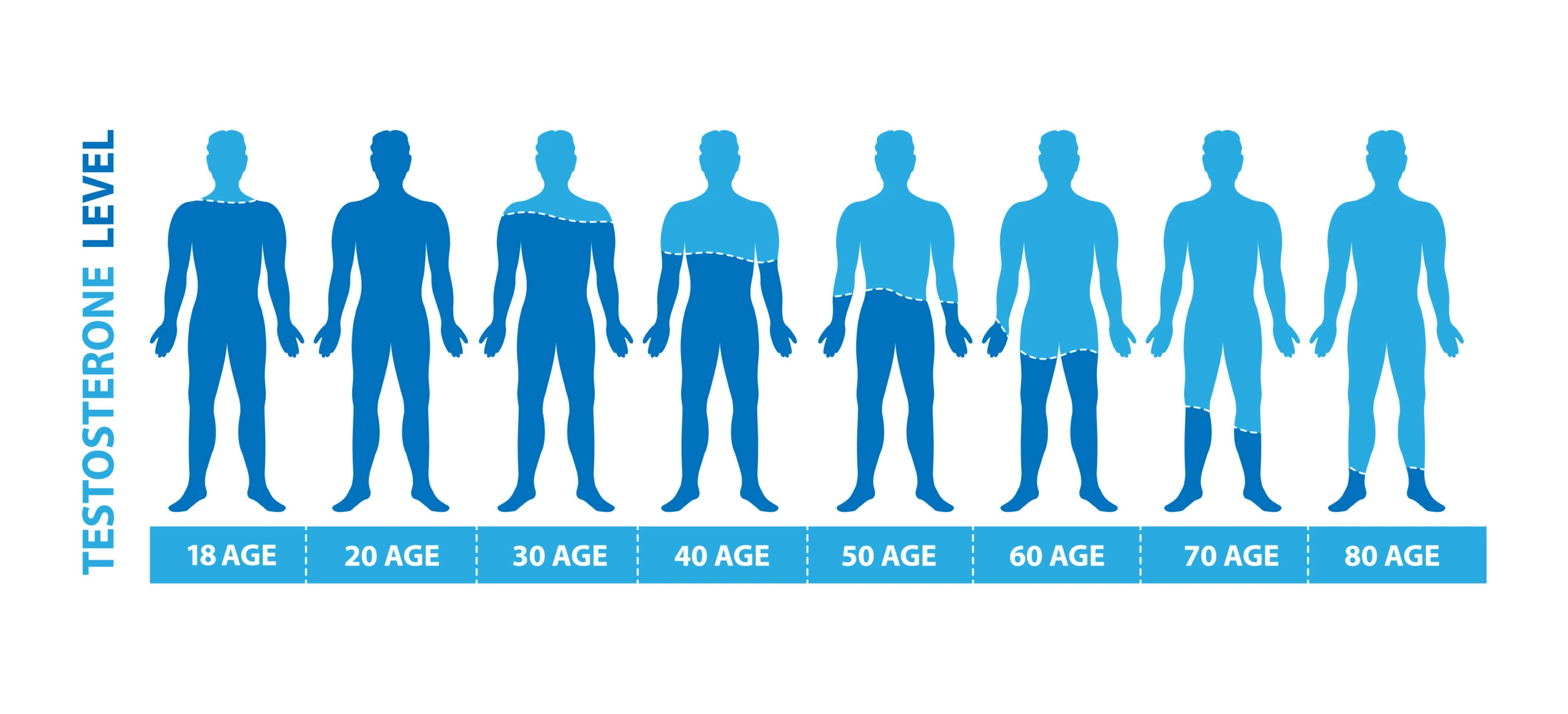
Let’s clarify – healthy testosterone levels are essential for the following bodily functions:
- Development of the penis and testes
- Deepening of the voice during puberty
- Bone density and strength
- Growth of facial and pubic hair (begins at puberty)
- Muscle size and strength
- Sperm production
- Libido (sex drive)
Yes, this is important! For adult men with balanced testosterone, benefits include:
- Greater muscle mass
- Enhanced strength
- Reduction in excess body fat
- Better focus
- Enhanced mood
Conversely, low testosterone levels can lead to the opposite effects. As a result, many health programs aim to boost testosterone into healthy ranges. Researchers are constantly seeking innovative solutions to combat testosterone deficiency.
This interest was sparked by reports of men using red light therapy to address low testosterone. Naturally, further investigation was necessary.
What is Red Light Therapy, and How Does It Work?
Here’s a brief overview: Red and near-infrared light therapy involves using specific light wavelengths to target skin, muscle tissue, and other body parts to stimulate cellular activity. Also called low-level laser therapy, photobiomodulation, or low-power laser therapy, it provides energy that cells actively require.
When skin is exposed to this light, the mitochondria—the energy-producing parts within cells—absorb it and produce more energy. Importantly, unlike UV light, red and near-infrared wavelengths do not cause burns or skin damage.
Additionally, this therapy can assist the body in managing oxidative stress—a condition caused by an imbalance between free radicals and antioxidants—and may also reduce cellular inflammation.
The good news is that red and near-infrared light devices are simple to use at home, without the need for complicated equipment.
Let’s explore the various applications and health benefits of red and near-infrared light therapy.
How Is Red Light Therapy Applied?
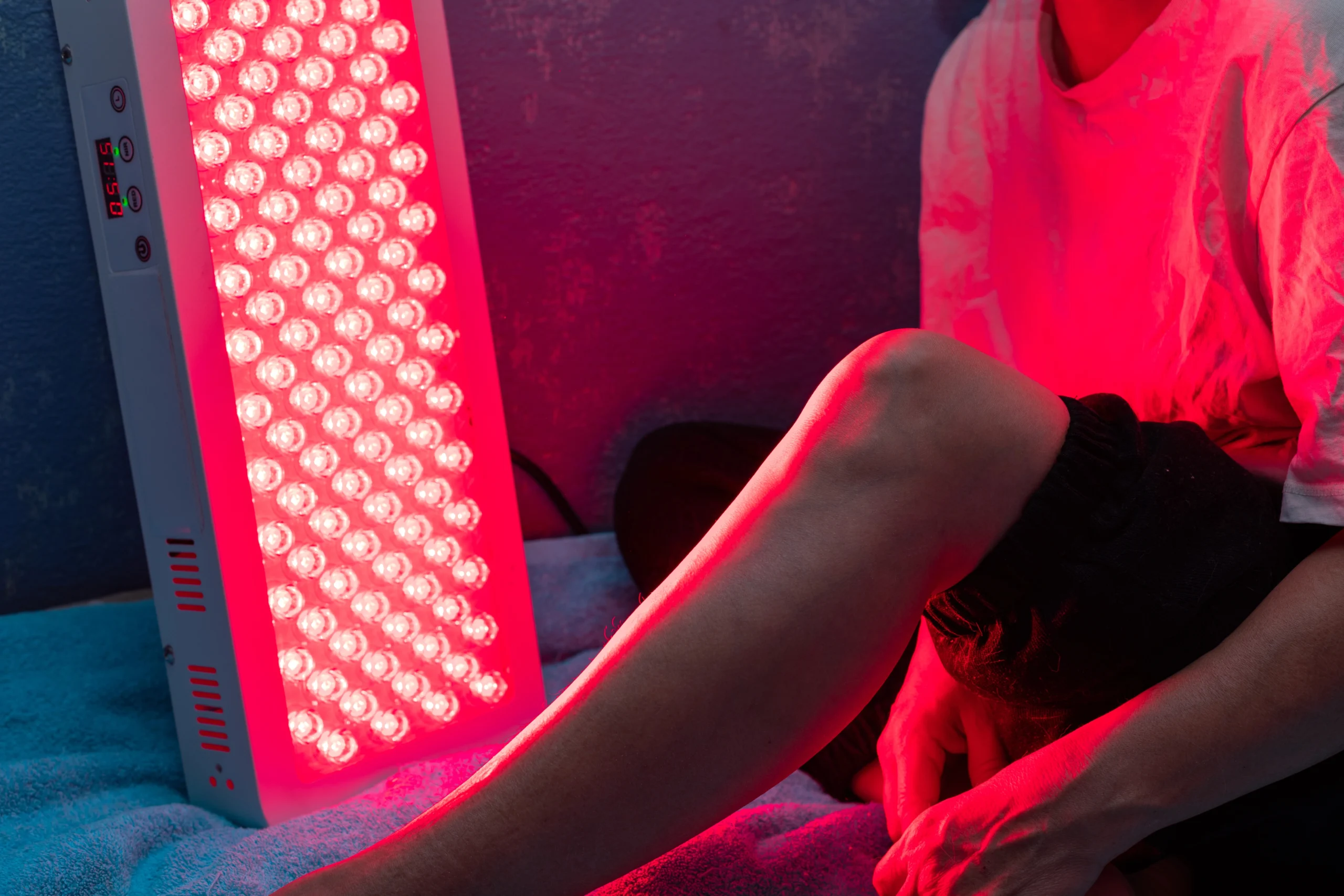
Most commonly, red light therapy is used for skin-related benefits, such as:
- Faster wound healing
- Minimizing stretch marks
- Reducing wrinkles, fine lines, and age spots
- Improving facial skin texture
- Alleviating psoriasis, rosacea, and eczema
- Healing scars
- Repairing sun-damaged skin
- Stimulating hair growth in androgenic alopecia
- Reducing acne and smoothing skin
- Boosting collagen production, which enhances skin structure, elasticity, and strength
- Stimulating fibroblast generation
- Enhancing blood flow to tissues
- Decreasing skin cell inflammation
That’s not all. Medical research also explores other uses, including:
- Reducing side effects from chemotherapy
- Relieving pain and swelling from conditions like tendonitis, carpal tunnel syndrome, arthritis, and knee osteoarthritis
- Preventing cold sores
- Potential benefits for dementia
- Decreasing dental pain
- Addressing hair loss
- Reducing anxiety
- Alleviating lower back pain
- Managing Seasonal Affective Disorder
The bottom line is that red light therapy can support many bodily functions when it is used properly.
The Pros and Cons of Light Exposure
Red light, whether natural or artificial, comes from various sources, including:
- Sunlight (generally beneficial)
- Most indoor or outdoor lighting (which may pose risks)
- Streetlights (potentially harmful)
Be cautious with exposure to these, as some contain UV or blue light wavelengths linked to adverse effects—particularly when viewed near your bedtime.
Excess heat from certain light sources can also negate potential benefits. Using the wrong type of light may reduce or cancel positive effects.
Caution with Blue & UV Light
Not all light is equal. Blue light, for instance, differs significantly from red light: While red light enhances cellular energy, blue light can have complex, sometimes harmful effects.
Overexposure to blue light, especially at short wavelengths, may induce oxidative stress, interfere with mitochondrial function, and disrupt ATP production and cell metabolism.
Although blue light can help fight acne-causing bacteria, excessive or prolonged exposure might cause cellular stress, potentially impacting conditions like diabetes and other metabolic issues.
The Impact of Sunlight on Testosterone Levels
Natural sunlight also influences testosterone. Scientific research indicates that proper sun exposure can be highly beneficial, including:
- Boosting Vitamin D synthesis
- Enhancing mood
- Fostering better energy metabolism
However, overexposure can cause skin burns and increase the risk of skin cancers, especially in sensitive areas like the testes with thin skin.
Testicle Sun Exposure and Testosterone
Research shows that sunlight can elevate testosterone. For example, a study found bright light exposure to the torso and testes increased sexual interest and boosted testosterone levels by 25% to 200%.
Natural light exposure on the skin and body enhances hormone production, improves cellular energy, reduces chronic inflammation, and promotes healthy blood flow—all vital for male fertility and testosterone health. This includes:
- Conversion of skin cholesterol into vitamin D3 sulfate
- Enhancement of oxidative metabolism
- Improvement in ATP synthesis
Despite these promising findings, more scientific research is needed to confirm the direct link between sunlight on the testicles and significant testosterone increases.
“Testicle Tanning” and Its Safety
“Testicle tanning” refers to exposing the testicles to sunlight to stimulate testosterone production. While some reports and limited studies suggest possible benefits, caution is crucial. Overexposure increases risks, such as skin damage or heat injury.
Unlike prolonged sun exposure, red or infrared light therapy uses short, controlled doses of LED light, reducing the risk of burns or cancer.
Scientific Evidence Supporting Red Light Devices
Red light therapy is backed by considerable scientific research.
One of the earliest studies was conducted by Hungarian researcher Endre Mester in the 1960s, illustrating its benefits.
Later, NASA experimented with red light for plant growth and pain management. The U.S. Navy SEALs also used red light to accelerate wound healing and muscle regeneration. Numerous studies since then confirm its health benefits.
Today, red light therapy is common in both clinical and home settings. It is primarily used for skin issues because other organs are protected by layers of bone, fat, or muscle, making direct light application challenging. However, in men’s health, one area remains accessible and important.
Applying Red Light Therapy to the Testicles

Male testicles are externally exposed and accessible, making them suitable for red light therapy to naturally boost testosterone levels. Since the testosterone-producing cells are outside the body cavity, they can be directly treated with red light, unlike internal organs.
Why Does Red Light Therapy on the Testicles Work?
The testes contain photoreceptive proteins called “opsins.” These respond to specific wavelengths of light, activating cellular processes that enhance function, including testosterone synthesis.
Red Light Therapy in Animal Studies
Initial research with animals demonstrated that red light therapy could increase testosterone in male rats . Additionally, studies with birds and small mammals show increased sexual activity after red light exposure.
Enhancing Male Fertility with Red Light Therapy
Current science recognizes red light therapy for its role in improving male fertility, mainly by improving sperm quality. High-quality sperm with good motility and viability boosts successful conception chances, and red light therapy shows promise in enhancing these parameters.
The Connection Between Light, Testosterone, and Sperm Development
Sperm originate in the testes, which need an environment rich in androgens, primarily testosterone, for optimal development. Red light stimulates the testes, increasing local testosterone production, which supports the formation of healthy sperm and higher sperm counts.
The Sperm Development Process
Sperm development, or spermatogenesis, occurs within the seminiferous tubules of the testes. It involves multiple stages of cell division and maturation, resulting in mature sperm capable of fertilization.
Supporting Sperm Health with Red Light Therapy
Red light enhances ATP generation, providing energy for sperm motility and overall fertility. Animal studies indicate increased sperm counts and motility, highlighting red light therapy’s potential for human fertility improvement.
Using Red Light Therapy for Male Infertility
This therapy offers a non-invasive, drug-free approach to addressing male infertility by improving sperm quantity and quality. It can mitigate the mitochondrial dysfunction caused by certain medications or lifestyle habits like alcohol or antidepressants, supporting better reproductive health.
Research also suggests red light supports sperm health post-ejaculation, which can improve success rates in procedures like IVF.
Implementing Red Light Therapy for Male Fertility
Red light therapy shows potential for boosting sperm count and motility, addressing common causes of infertility without pharmaceuticals. Its emerging clinical and home use applications offer hope for many men facing reproductive challenges.
Choosing a Safe Red Light Device to Naturally Elevate Testosterone
The testicles are positioned outside the body to maintain optimal temperature—around 95°F (35°C)—which is about two degrees below core body temperature. Excess heat can cause damage, so selecting the right device is vital.
Many types of bulbs or lamps, such as:
- Incandescent bulbs
- Heat lamps
- Infrared lamps above 1000nm
emit too much heat, making them unsafe for testicular use. Instead, opt for LEDs, which produce light without significant heat and are safer for this sensitive area.
Ideal wavelengths for therapy include red light from 630 to 660 nm and near-infrared (810-850 nm).
Applying Red Light Therapy to the Testicles
Sessions should last less than 30 minutes daily and be consistently performed over weeks or months, depending on individual response. Many people now use home devices successfully and find that 5-20 minute treatments are effective. Patience and consistency are key; noticeable results may take some time.
Long-Term Safety of Red Light Therapy
If used with appropriate devices, red light therapy is safe for ongoing use. Regular treatments can support cellular health and spermatogenesis. Ensuring sufficient light penetration into the tissues—especially beneath the skin—is essential for optimal effects on Leydig cells and the seminiferous tubules.
Additional Benefits: Targeting the Adrenal Glands
Besides the testes, red light can also be applied over the adrenal glands, located just above the kidneys. Since the adrenal glands produce small amounts of testosterone, stimulating them with red light on the lower back may further support hormone levels, though this is less direct than treatment of the testicles.
Using Red Light Therapy to Enhance Testosterone and Sexual Function
In summary, you now have essential insights into how red light therapy can be employed at home to support testosterone production and sexual health.
If you’re looking to boost your sex drive and testosterone naturally without medications, combining red light therapy with healthy lifestyle choices is a promising approach.
]]>While generally safe, excessive or improper use of it may result in side effects such as headaches, insomnia, dizziness, and digestive discomfort.
This article will cover what it is, its different types, how it helps with erectile dysfunction, correct usage, and possible risks.
Understanding Ginseng and its varieties
Ginseng, from the Panax genus, is a medicinal plant notable for its roots. These roots carry active compounds like ginsenosides and gintonin, which have been revered in traditional medicine for centuries.
Types of Ginseng
It exists in various forms of plants, similar to Avena Sativa, another botanical researched for its role in erectile health. These include:
- Asian/Korean Red (Panax ginseng)
- American (Panax quinquefolius)
Which Ginseng Is Most Effective for Erectile Dysfunction?

While both varieties are beneficial, Korean or Asian type is generally regarded as the most effective and commonly used for erectile dysfunction. It provides a boost of energy and contains elevated levels of ginsenosides that promote better blood flow, support nitric oxide synthesis, and enhance sexual performance.
Conversely, American or Chinese type is often used in traditional Chinese practices to help relax the body and boost energy—complementing nutrients like fish oil for erectile dysfunction. It is less energizing compared to Korean ginseng and aids in calming the nervous system and restoring vitality.
How Does Ginseng Treat Erectile Dysfunction?
Ginseng has long been considered a natural remedy for ED. Its benefits arise from multiple factors.
Nitric oxide boost and adaptogenic qualities
It stimulates nitric oxide production in the penile blood vessels. Nitric oxide facilitates relaxation of smooth muscle tissue in the penis, allowing for improved blood flow and stronger erections. Ginsenosides in ginseng help enhance endothelial function and circulation, making it particularly helpful for men with vascular-related ED.
Antioxidant effects
It is renowned for its antioxidant properties, which protect blood vessels and improve endothelial health. These effects can reduce the risk of erectile difficulties.
Stress and fatigue reduction
It is associated with lowering fatigue, insomnia, stress, and depression. These factors can negatively influence sexual interest and lead to ED.
Metabolic influence
In addition to these effects, it assists in regulating blood sugar levels, lipid metabolism, and reducing body inflammation. These metabolic and health issues can contribute to the development of ED.
Research Findings on Ginseng and Erectile Dysfunction

Numerous clinical studies, reviews, and research have demonstrated it’s positive influence on ED. They show improvements in erectile function, sexual desire, satisfaction, and overall scores on the International Index of Erectile Function (IIEF).
Here are some key studies supporting it as a natural ED treatment:
A 2008 trial involving 363 men aged 24-70 found that red ginseng improved vasculogenic and psychogenic ED, as well as elevating erectile function scores. Participants took doses between 600 mg and 1,000 mg daily over 4 to 12 weeks.
A 2018 study with 2,080 men concluded that it enhanced IIEF scores and moderately improved erectile function, suggesting it benefits men with mild to moderate ED.
Another review conducted in 2021, involving 587 men, confirmed that it improved sexual activity and the ability to engage in intercourse.
How to Properly Use Ginseng for Erectile Dysfunction
Research indicates that using it is generally safe when taken within doses of 600 to 1,000 mg daily. Supplements are available in capsules, powders, liquids, and teas.
Always opt for standardized products and seek advice from a healthcare provider prior to beginning supplementation.
Potential Risks and Side Effects of Ginseng for ED
Korean Red Ginseng is often well tolerated. However, natural does not always equate to safe, and some individuals may experience adverse effects if taken without medical guidance.
Side effects
Common side effects can include headaches, trouble sleeping, dizziness, and gastrointestinal upset.
Overuse syndrome
Prolonged excessive use of it may lead to immune overactivation, known as ginseng abuse syndrome or shanghuo. Symptoms include excessive heat, nervousness, high blood pressure, redness, and ulcers.
Inconsistency in supplement standards
Many products in the market lack proper standardization. Some may contain hidden drugs; for instance, Ginseng She Lian Wan was found to include harmful substances like dexamethasone and chlorpheniramine, which can cause adverse effects.
Absence of FDA approval
Ginseng is not approved by the FDA for any specific medical use. It is important to consult a healthcare professional before starting any supplement, especially if on other medications or with chronic health issues.
Alternative Methods for Treating Erectile Dysfunction
Natural remedies and herbal supplements might be suitable for some men with mild to moderate ED—often enhancing results when combined with exercises for erectile dysfunction. But severe cases may require medical intervention, including:
- Prescription medications such as PDE5 inhibitors (e.g., Viagra, sildenafil, Cialis, tadalafil)
- Vacuum erection devices or penis pumps
- Injections directly into the penis
- Devices like ED rings or tension rings
- Shockwave therapy to improve circulation
- Stem cell therapy for damaged blood vessels
- Platelet-rich plasma treatments
- Surgical options like penile implants or prostheses
Read also: Top 10 ED Treatments available in 2026
Summary
Ginseng, particularly Korean or Asian red one, serves as a natural option for managing erectile dysfunction. Its active elements, ginsenosides and gintonin, help increase nitric oxide production, enhance blood flow, support vascular health, and lower stress. Research confirms that it can improve erections, libido, satisfaction, and IIEF scores in men with mild to moderate ED. Although generally safe, it can cause headaches, insomnia, dizziness, or gastrointestinal issues, with long-term misuse posing risks like ginseng abuse syndrome. Since many supplements lack proper standardization or FDA approval, consulting a healthcare professional before use is recommended.
]]>