


The question of whether testosterone directly influences penis size has long been a source of curiosity and, for many, anxiety. Fueling this intrigue are a plethora of online advertisements, anecdotal claims, and a general societal fascination with male virility. While testosterone is undeniably the primary male sex hormone and plays a crucial role in the development and maintenance of male sexual characteristics, its direct impact on the length and girth of a fully developed penis is a more nuanced and complex issue than often portrayed. This article will delve into the scientific understanding of testosterone’s influence on penile development and its potential, or lack thereof, on adult penis size.
Understanding Testosterone: The Master Male Hormone
To accurately address the question of penis size, it is essential to first understand what testosterone is and what its primary functions are in the male body. Testosterone is an androgen, a type of steroid hormone, primarily produced in the testes. Smaller amounts are also produced by the adrenal glands. It is the most abundant and significant male sex hormone, driving the development of male reproductive tissues such as the testes and prostate, as well as promoting secondary sexual characteristics.
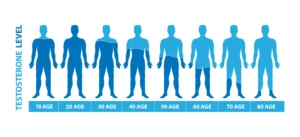
The Production and Regulation of Testosterone
Testosterone production is a complex hormonal cascade initiated by the hypothalamus in the brain. The hypothalamus releases gonadotropin-releasing hormone (GnRH), which stimulates the pituitary gland to release luteinizing hormone (LH) and follicle-stimulating hormone (FSH). LH, in particular, acts on the Leydig cells in the testes, signaling them to produce testosterone. The levels of testosterone are tightly regulated by a negative feedback loop: as testosterone levels in the blood rise, they signal the hypothalamus and pituitary gland to reduce the release of GnRH and LH, thus decreasing testosterone production. This intricate system ensures that testosterone levels remain within a healthy physiological range.
Testosterone’s Crucial Roles in Male Development
Testosterone’s most profound impact on penile development occurs during prenatal development and puberty.
Prenatal Development: The Foundation of Masculinity
During fetal development, testosterone released by the developing testes is critical for the masculinization of the external genitalia. It is responsible for the differentiation of the genital tubercle into the penis and scrotum. Without adequate levels of testosterone and its conversion to dihydrotestosterone (DHT), which is a more potent androgen, the external genitalia may not develop along typical male lines. This prenatal surge of testosterone is therefore fundamentally important for establishing the biological basis of male anatomy.
Puberty: The Adolescent Transformation
The onset of puberty, typically between the ages of 9 and 14, is marked by a significant increase in testosterone production. This surge is responsible for the maturation of the reproductive organs, including the growth of the penis and testes. During this period, the penis undergoes its most substantial growth spurt, along with changes in its structure and function. This includes an increase in length and girth, the development of erectile tissue, and the onset of sperm production. Testosterone is also responsible for other pubertal changes such as the deepening of the voice, the growth of body hair, and the increase in muscle mass.

Testosterone and Penile Anatomy
It is crucial to distinguish between the developmental roles of testosterone and its potential effects on adult penile physiology. The anatomy of the penis is composed of three cylindrical bodies: two corpora cavernosa and one corpus spongiosum, all surrounded by tunica albuginea, a fibrous sheath. Erections occur when these tissues fill with blood, increasing the penis’s size and rigidity.
The Corpora Cavernosa: The Engine of Erection
The corpora cavernosa are the primary erectile tissues responsible for penile rigidity. They are spongy structures containing a network of vascular spaces. During sexual arousal, nerve signals cause the relaxation of smooth muscles in the walls of the blood vessels supplying these tissues. This allows for increased blood flow into the corpora cavernosa, causing them to engorge and expand. The tunica albuginea, a strong connective tissue, restricts this expansion, leading to the rigidity necessary for penetration.
The Role of Testosterone in Erectile Function
While testosterone is essential for the growth of the corpora cavernosa during development and puberty, its direct role in the mechanics of adult erections is more indirect. Testosterone acts on androgen receptors within the smooth muscle cells of the corpora cavernosa and the penile arteries. It influences the responsiveness of these tissues to other signals that regulate blood flow, such as nitric oxide (NO). Testosterone’s presence is important for maintaining the health and function of erectile tissue and for optimizing the responsiveness of blood vessels to stimuli that cause erection. However, the actual process of achieving an erection relies heavily on adequate blood flow, neurological signals, and psychological arousal, not solely on testosterone levels.
The Unanswered Question: Can Testosterone Increase Adult Penis Size?
This is the central point of contention and where the scientific evidence diverges significantly from many popular claims. For an adult male with a typically developing reproductive system and normal testosterone levels, there is no robust scientific evidence to suggest that taking testosterone supplements will lead to a noticeable increase in penis size.
The Window of Opportunity: Development vs. Maintenance
The critical period for testosterone’s influence on penis size is during development, particularly in utero and during puberty. Once the growth plates in the bones have closed and sexual maturity has been reached, the potential for significant structural growth of the penis ceases. Testosterone at this stage primarily functions to maintain existing tissues and support sexual function.
Hormonal Replacement Therapy and Penile Size
In cases of male hypogonadism, a condition characterized by the testes not producing enough testosterone, hormone replacement therapy (HRT) is often prescribed. The primary goals of HRT in these individuals are to restore normal testosterone levels, alleviate symptoms of low testosterone (such as fatigue, decreased libido, and mood changes), and promote overall health. While HRT can help maintain erectile function and sexual desire in hypogonadal men, it has not been shown to significantly increase penis size beyond what was achieved during natural development. It can help prevent further atrophy of erectile tissues in some cases, but a substantial increase in dimension is not a typical outcome.
The Myth of Testosterone Booms and Adult Growth
Many advertisements and anecdotal reports promote the idea that “testosterone boosters” or exogenous testosterone can lead to penis enlargement. These claims are largely unsubstantiated by rigorous scientific research. The adult penis, in terms of its bone and tissue structure, has completed its growth. Therefore, introducing more testosterone will not cause these tissues to elongate or expand beyond their genetically determined potential.

Factors Influencing Penis Size: Beyond Testosterone
If testosterone doesn’t significantly increase adult penis size, what factors do? It’s important to understand that penis size is influenced by a combination of genetic predisposition, overall health, and developmental factors.
Genetic Predisposition: The Blueprint of Size
Genetics plays a primary role in determining the potential size of a penis. Just as genetics dictates height and other physical characteristics, it also influences the size and proportion of the penis. This genetic blueprint is established early in development and cannot be altered by external hormonal influences in adulthood.
Developmental Health: A Smooth Journey
The overall health and well-being of an individual during fetal development and puberty can indirectly influence penile size. Conditions that interfere with hormonal signaling or nutrient availability during these critical periods could potentially impact growth. However, this is a matter of normal development, not an opportunity for adult enhancement.
Body Fat Percentage: The Illusion of Size
One of the most common factors that can create the illusion of a smaller penis is a higher body fat percentage. Excess fat, particularly around the pubic area, can obscure a portion of the penile shaft, making it appear shorter. When an individual loses weight and reduces body fat, more of the penis can become visible, leading to a perceived increase in size even though the actual dimensions have not changed.
Lifestyle Factors: Indirect Influences
While not directly increasing size, certain lifestyle factors can impact erectile function, which in turn affects the fullness and appearance of the penis during erection. These include:
- Diet and Exercise: A healthy diet and regular exercise promote good cardiovascular health. This is crucial for blood flow, which is essential for achieving and maintaining firm erections. Poor cardiovascular health can lead to erectile dysfunction, making erections less robust and potentially appearing smaller.
- Smoking: Smoking damages blood vessels and impairs circulation, negatively affecting erectile function and thus the perceived size of the penis during erection.
- Alcohol Consumption: Excessive alcohol intake can depress the central nervous system, leading to impaired sexual arousal and erectile dysfunction.
- Stress and Mental Health: Psychological factors such as stress, anxiety, and depression can significantly impact libido and erectile function, indirectly influencing the appearance and experience of penile size.
The Science Behind So-Called Penis Enlargement Methods
Given the persistent allure of increasing penis size, a market for various enhancement methods has emerged. It is crucial to approach these with a critical and evidence-based perspective.
Pills and Supplements: Largely Ineffective
The vast majority of pills and supplements marketed for penis enlargement are not supported by scientific evidence. They often contain a mix of vitamins, minerals, herbs, and other ingredients that have not been proven to affect penile size. Some may claim to temporarily improve erections by increasing blood flow, but this is distinct from permanent size increase. Many are simply placebos.
Extenders and Traction Devices: Limited and Debatable Evidence
Penis extenders and traction devices are devices that apply gentle, sustained tension to the penis over extended periods. The theory is that this prolonged stretching can encourage tissue growth. While some limited studies have suggested a modest increase in length with consistent use of these devices, the results are often small, temporary, and require significant commitment. Furthermore, the long-term safety and efficacy of these devices are still debated, and improper use can lead to injury.
Surgery: Risks and Limited Efficacy
Surgical procedures for penis enlargement exist, but they are generally considered risky, with often underwhelming and potentially detrimental results.
Ligamentolysis (Suspensory Ligament Release)
This surgery involves cutting the suspensory ligament that attaches the penis to the pubic bone. This can allow more of the penile shaft to hang externally, creating the illusion of increased length when flaccid. However, it does not increase the actual size of the erectile tissue and can lead to instability of the penis during erection, making intercourse difficult or painful.
Fat or Tissue Grafting
Another surgical approach involves injecting or grafting fat or tissue into the penis to increase its girth. The results can be unpredictable, with a high risk of unevenness, scarring, and loss of sensation. The grafted tissue may also be reabsorbed by the body over time, leading to a loss of the achieved girth.
Vacuum Pumps: Temporary Solutions
Vacuum erection devices, often used for treating erectile dysfunction, can create a temporary increase in penile size by drawing blood into the corpora cavernosa. However, this effect is transient and subsides once the constricting ring is removed. They do not contribute to permanent size increase.
Conclusion: A Focus on Health and Realistic Expectations
In conclusion, while testosterone is undeniably vital for the development of the male reproductive system, including the penis, there is no scientific evidence to support the claim that it can increase penis size in adult men. The critical period for testosterone’s influence on penile growth is during prenatal development and puberty. Once maturity is reached, the penis has achieved its potential size, and further testosterone administration is unlikely to alter its dimensions.
The persistent myth of testosterone’s role in adult penis enlargement is fueled by marketing and a desire for enhancement. Instead of pursuing unproven and potentially harmful methods, individuals seeking to improve their sexual confidence and function should focus on overall health and well-being.
- Prioritize a healthy lifestyle: A balanced diet, regular exercise, adequate sleep, and stress management can significantly improve erectile function and sexual health, which are often more impactful than actual penis size.
- Address underlying health conditions: Conditions like diabetes, cardiovascular disease, and obesity can negatively affect sexual function. Managing these conditions is paramount.
- Seek professional medical advice: If there are concerns about testosterone levels or sexual health, consulting a qualified healthcare professional is essential. They can provide accurate diagnosis, appropriate treatment for any identified conditions, and realistic advice.
- Cultivate realistic expectations: Understanding the biological limitations of penis size and focusing on pleasure, intimacy, and overall sexual satisfaction within a relationship can lead to a more fulfilling sexual life, independent of perceived penile dimensions. The emphasis should be on health, function, and well-being, rather than on unrealistic anatomical alterations driven by misinformation.