


Red light therapy is increasingly being explored for its potential to improve testosterone by applying it to the testicles. Here’s what current research indicates, how it functions, and whether it can produce genuine results.
Most men understand that testosterone is a vital hormone responsible for libido, energy, sperm development, and is the main male sex hormone. Maintaining balanced testosterone levels is crucial for overall sexual health and performance.
This is especially important after age 30, as typical testosterone levels decline by about 1-2% annually starting around that age. Once these levels fall below a certain threshold, negative effects on mental health, physical health, and sexual desire become noticeable.
Why Do Testosterone Levels Matter for Men?
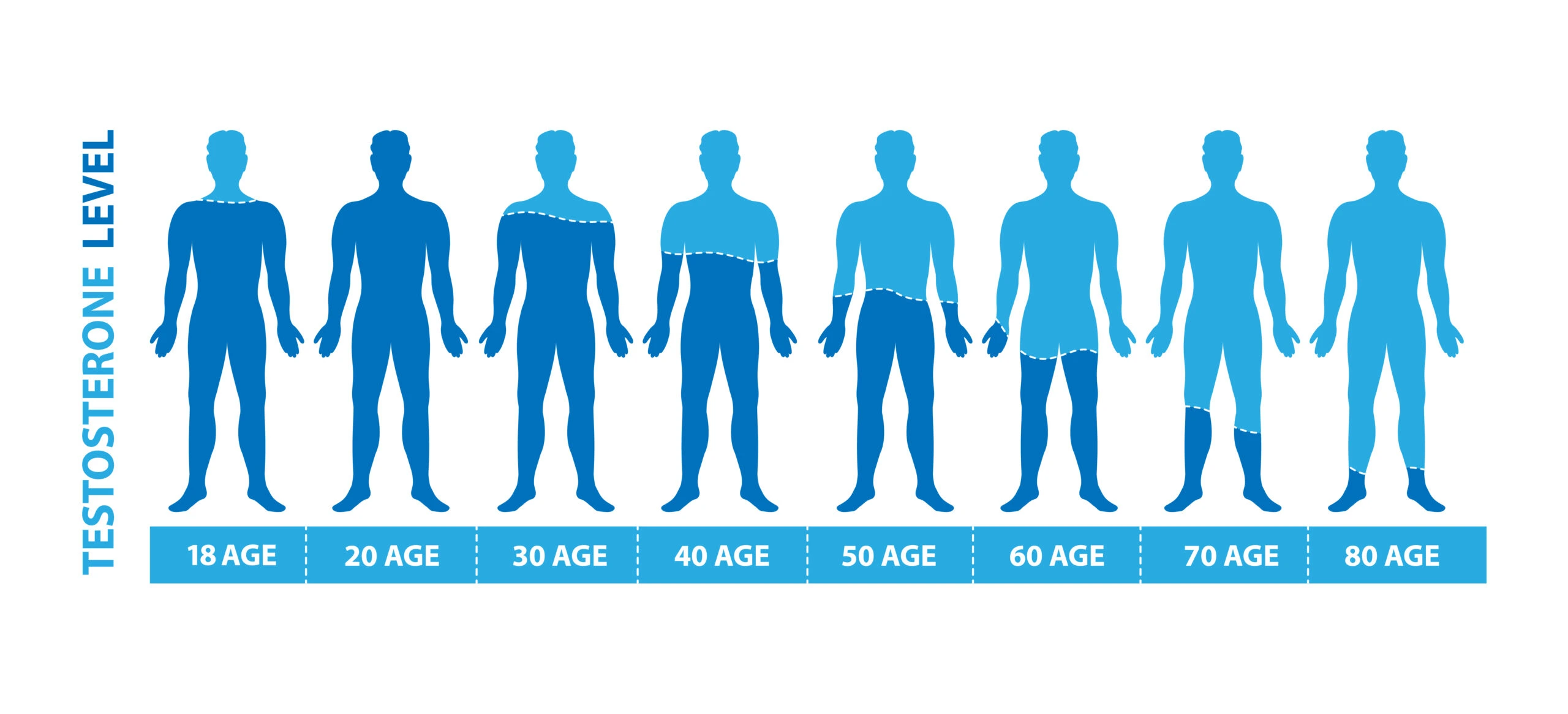
Let’s clarify – healthy testosterone levels are essential for the following bodily functions:
- Development of the penis and testes
- Deepening of the voice during puberty
- Bone density and strength
- Growth of facial and pubic hair (begins at puberty)
- Muscle size and strength
- Sperm production
- Libido (sex drive)
Yes, this is important! For adult men with balanced testosterone, benefits include:
- Greater muscle mass
- Enhanced strength
- Reduction in excess body fat
- Better focus
- Enhanced mood
Conversely, low testosterone levels can lead to the opposite effects. As a result, many health programs aim to boost testosterone into healthy ranges. Researchers are constantly seeking innovative solutions to combat testosterone deficiency.
This interest was sparked by reports of men using red light therapy to address low testosterone. Naturally, further investigation was necessary.
What is Red Light Therapy, and How Does It Work?
Here’s a brief overview: Red and near-infrared light therapy involves using specific light wavelengths to target skin, muscle tissue, and other body parts to stimulate cellular activity. Also called low-level laser therapy, photobiomodulation, or low-power laser therapy, it provides energy that cells actively require.
When skin is exposed to this light, the mitochondria—the energy-producing parts within cells—absorb it and produce more energy. Importantly, unlike UV light, red and near-infrared wavelengths do not cause burns or skin damage.
Additionally, this therapy can assist the body in managing oxidative stress—a condition caused by an imbalance between free radicals and antioxidants—and may also reduce cellular inflammation.
The good news is that red and near-infrared light devices are simple to use at home, without the need for complicated equipment.
Let’s explore the various applications and health benefits of red and near-infrared light therapy.
How Is Red Light Therapy Applied?
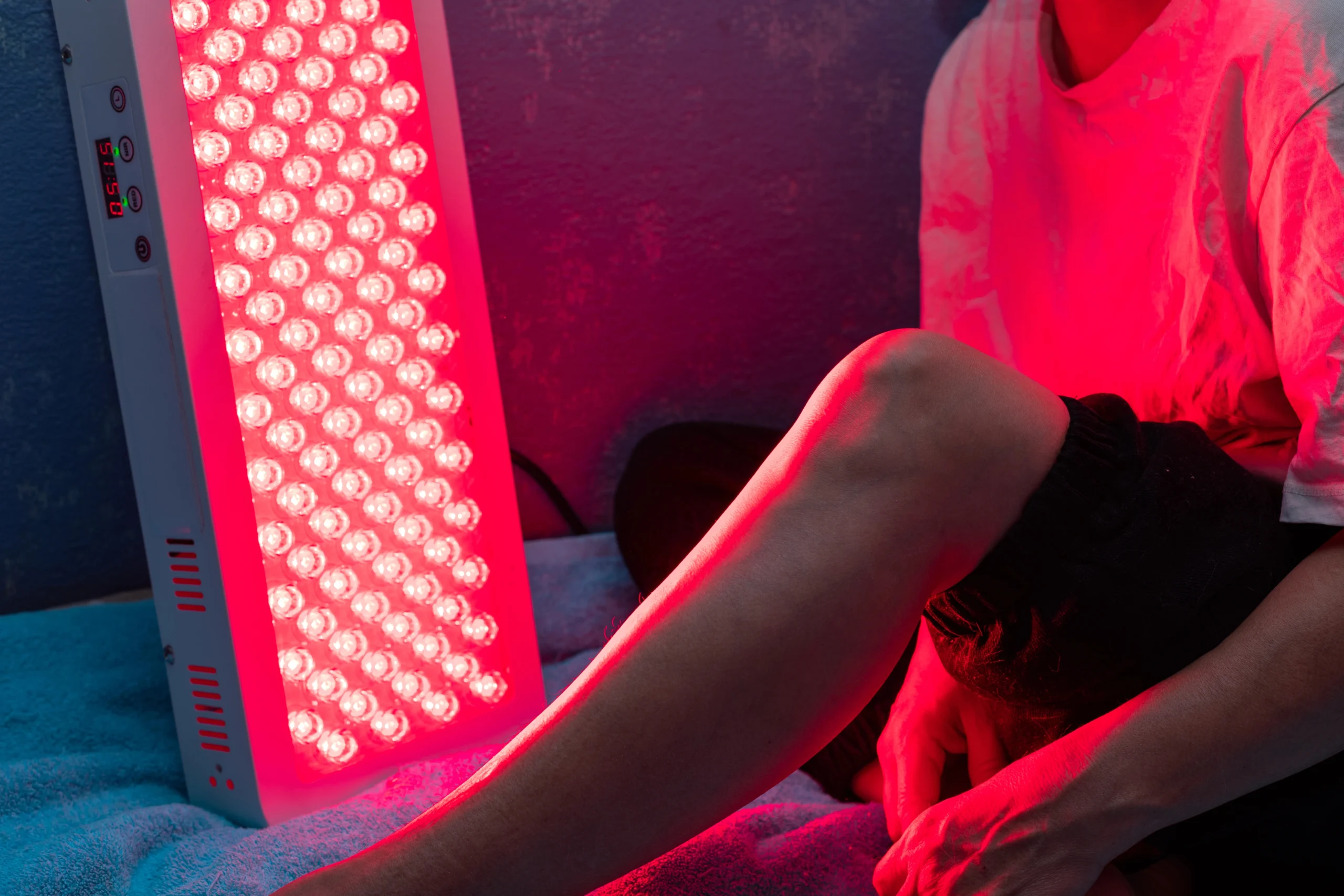
Most commonly, red light therapy is used for skin-related benefits, such as:
- Faster wound healing
- Minimizing stretch marks
- Reducing wrinkles, fine lines, and age spots
- Improving facial skin texture
- Alleviating psoriasis, rosacea, and eczema
- Healing scars
- Repairing sun-damaged skin
- Stimulating hair growth in androgenic alopecia
- Reducing acne and smoothing skin
- Boosting collagen production, which enhances skin structure, elasticity, and strength
- Stimulating fibroblast generation
- Enhancing blood flow to tissues
- Decreasing skin cell inflammation
That’s not all. Medical research also explores other uses, including:
- Reducing side effects from chemotherapy
- Relieving pain and swelling from conditions like tendonitis, carpal tunnel syndrome, arthritis, and knee osteoarthritis
- Preventing cold sores
- Potential benefits for dementia
- Decreasing dental pain
- Addressing hair loss
- Reducing anxiety
- Alleviating lower back pain
- Managing Seasonal Affective Disorder
The bottom line is that red light therapy can support many bodily functions when it is used properly.
The Pros and Cons of Light Exposure
Red light, whether natural or artificial, comes from various sources, including:
- Sunlight (generally beneficial)
- Most indoor or outdoor lighting (which may pose risks)
- Streetlights (potentially harmful)
Be cautious with exposure to these, as some contain UV or blue light wavelengths linked to adverse effects—particularly when viewed near your bedtime.
Excess heat from certain light sources can also negate potential benefits. Using the wrong type of light may reduce or cancel positive effects.
Caution with Blue & UV Light
Not all light is equal. Blue light, for instance, differs significantly from red light: While red light enhances cellular energy, blue light can have complex, sometimes harmful effects.
Overexposure to blue light, especially at short wavelengths, may induce oxidative stress, interfere with mitochondrial function, and disrupt ATP production and cell metabolism.
Although blue light can help fight acne-causing bacteria, excessive or prolonged exposure might cause cellular stress, potentially impacting conditions like diabetes and other metabolic issues.
The Impact of Sunlight on Testosterone Levels
Natural sunlight also influences testosterone. Scientific research indicates that proper sun exposure can be highly beneficial, including:
- Boosting Vitamin D synthesis
- Enhancing mood
- Fostering better energy metabolism
However, overexposure can cause skin burns and increase the risk of skin cancers, especially in sensitive areas like the testes with thin skin.
Testicle Sun Exposure and Testosterone
Research shows that sunlight can elevate testosterone. For example, a study found bright light exposure to the torso and testes increased sexual interest and boosted testosterone levels by 25% to 200%.
Natural light exposure on the skin and body enhances hormone production, improves cellular energy, reduces chronic inflammation, and promotes healthy blood flow—all vital for male fertility and testosterone health. This includes:
- Conversion of skin cholesterol into vitamin D3 sulfate
- Enhancement of oxidative metabolism
- Improvement in ATP synthesis
Despite these promising findings, more scientific research is needed to confirm the direct link between sunlight on the testicles and significant testosterone increases.
“Testicle Tanning” and Its Safety
“Testicle tanning” refers to exposing the testicles to sunlight to stimulate testosterone production. While some reports and limited studies suggest possible benefits, caution is crucial. Overexposure increases risks, such as skin damage or heat injury.
Unlike prolonged sun exposure, red or infrared light therapy uses short, controlled doses of LED light, reducing the risk of burns or cancer.
Scientific Evidence Supporting Red Light Devices
Red light therapy is backed by considerable scientific research.
One of the earliest studies was conducted by Hungarian researcher Endre Mester in the 1960s, illustrating its benefits.
Later, NASA experimented with red light for plant growth and pain management. The U.S. Navy SEALs also used red light to accelerate wound healing and muscle regeneration. Numerous studies since then confirm its health benefits.
Today, red light therapy is common in both clinical and home settings. It is primarily used for skin issues because other organs are protected by layers of bone, fat, or muscle, making direct light application challenging. However, in men’s health, one area remains accessible and important.
Applying Red Light Therapy to the Testicles

Male testicles are externally exposed and accessible, making them suitable for red light therapy to naturally boost testosterone levels. Since the testosterone-producing cells are outside the body cavity, they can be directly treated with red light, unlike internal organs.
Why Does Red Light Therapy on the Testicles Work?
The testes contain photoreceptive proteins called “opsins.” These respond to specific wavelengths of light, activating cellular processes that enhance function, including testosterone synthesis.
Red Light Therapy in Animal Studies
Initial research with animals demonstrated that red light therapy could increase testosterone in male rats . Additionally, studies with birds and small mammals show increased sexual activity after red light exposure.
Enhancing Male Fertility with Red Light Therapy
Current science recognizes red light therapy for its role in improving male fertility, mainly by improving sperm quality. High-quality sperm with good motility and viability boosts successful conception chances, and red light therapy shows promise in enhancing these parameters.
The Connection Between Light, Testosterone, and Sperm Development
Sperm originate in the testes, which need an environment rich in androgens, primarily testosterone, for optimal development. Red light stimulates the testes, increasing local testosterone production, which supports the formation of healthy sperm and higher sperm counts.
The Sperm Development Process
Sperm development, or spermatogenesis, occurs within the seminiferous tubules of the testes. It involves multiple stages of cell division and maturation, resulting in mature sperm capable of fertilization.
Supporting Sperm Health with Red Light Therapy
Red light enhances ATP generation, providing energy for sperm motility and overall fertility. Animal studies indicate increased sperm counts and motility, highlighting red light therapy’s potential for human fertility improvement.
Using Red Light Therapy for Male Infertility
This therapy offers a non-invasive, drug-free approach to addressing male infertility by improving sperm quantity and quality. It can mitigate the mitochondrial dysfunction caused by certain medications or lifestyle habits like alcohol or antidepressants, supporting better reproductive health.
Research also suggests red light supports sperm health post-ejaculation, which can improve success rates in procedures like IVF.
Implementing Red Light Therapy for Male Fertility
Red light therapy shows potential for boosting sperm count and motility, addressing common causes of infertility without pharmaceuticals. Its emerging clinical and home use applications offer hope for many men facing reproductive challenges.
Choosing a Safe Red Light Device to Naturally Elevate Testosterone
The testicles are positioned outside the body to maintain optimal temperature—around 95°F (35°C)—which is about two degrees below core body temperature. Excess heat can cause damage, so selecting the right device is vital.
Many types of bulbs or lamps, such as:
- Incandescent bulbs
- Heat lamps
- Infrared lamps above 1000nm
emit too much heat, making them unsafe for testicular use. Instead, opt for LEDs, which produce light without significant heat and are safer for this sensitive area.
Ideal wavelengths for therapy include red light from 630 to 660 nm and near-infrared (810-850 nm).
Applying Red Light Therapy to the Testicles
Sessions should last less than 30 minutes daily and be consistently performed over weeks or months, depending on individual response. Many people now use home devices successfully and find that 5-20 minute treatments are effective. Patience and consistency are key; noticeable results may take some time.
Long-Term Safety of Red Light Therapy
If used with appropriate devices, red light therapy is safe for ongoing use. Regular treatments can support cellular health and spermatogenesis. Ensuring sufficient light penetration into the tissues—especially beneath the skin—is essential for optimal effects on Leydig cells and the seminiferous tubules.
Additional Benefits: Targeting the Adrenal Glands
Besides the testes, red light can also be applied over the adrenal glands, located just above the kidneys. Since the adrenal glands produce small amounts of testosterone, stimulating them with red light on the lower back may further support hormone levels, though this is less direct than treatment of the testicles.
Using Red Light Therapy to Enhance Testosterone and Sexual Function
In summary, you now have essential insights into how red light therapy can be employed at home to support testosterone production and sexual health.
If you’re looking to boost your sex drive and testosterone naturally without medications, combining red light therapy with healthy lifestyle choices is a promising approach.