
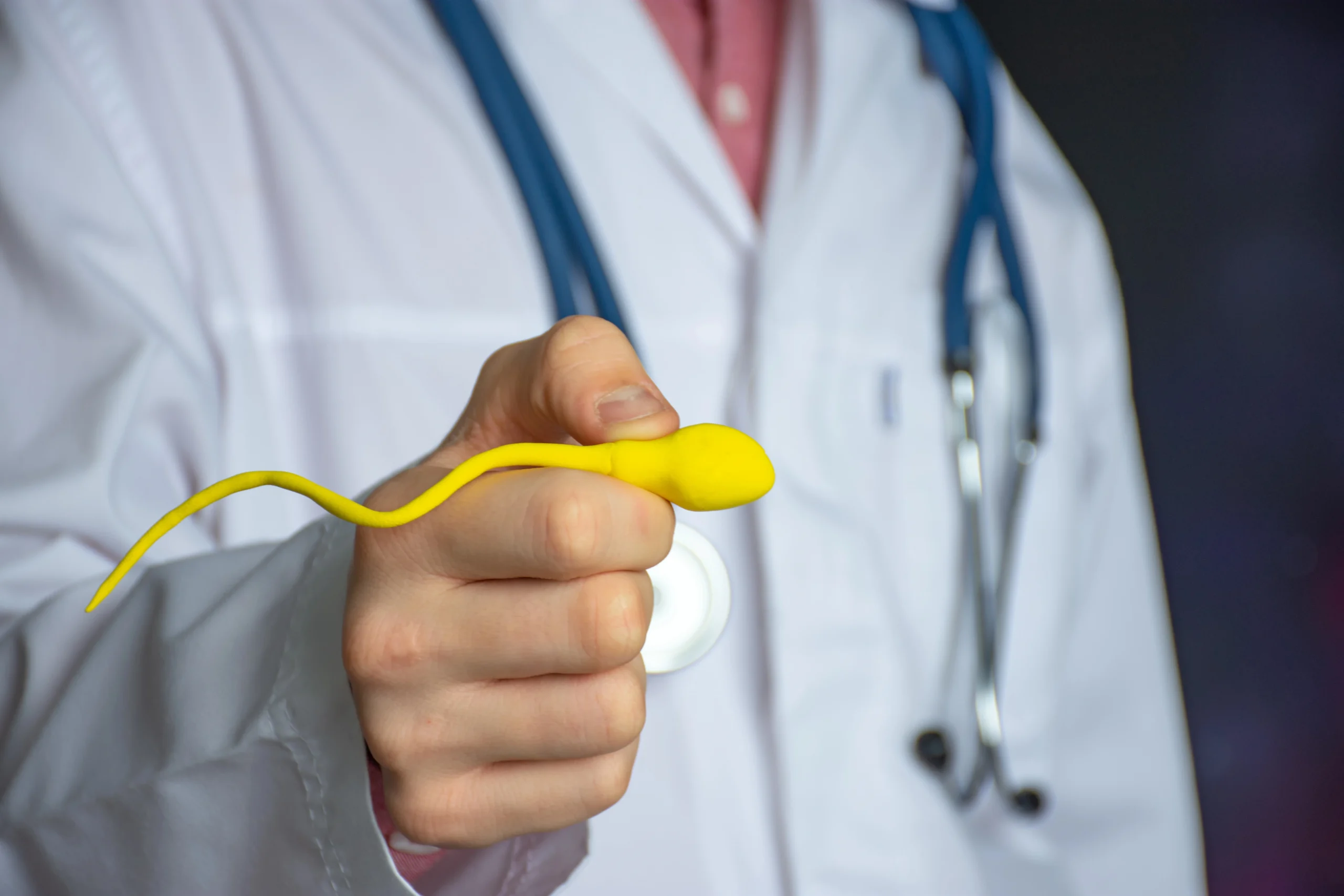

Lifestyle choices can significantly impact a man’s reproductive health, often without his immediate awareness. While infertility is a complex issue with various contributing factors, a growing body of scientific evidence suggests that certain daily habits and environmental exposures can play a pivotal role in a man’s ability to conceive. Understanding these connections is crucial for men who are trying to start a family or who wish to protect their future fertility. This article will explore the ways in which lifestyle factors can affect male fertility, providing insights into recognised risks and offering guidance for optimising reproductive potential.
A man’s diet is not merely about staying fit or staving off disease; it directly influences the quality and quantity of his sperm. The nutrients, or lack thereof, within his daily food intake can either support robust spermatogenesis (sperm production) or hinder it.
Nutritional Deficiencies and Sperm Health
A diet lacking in essential vitamins and minerals can have detrimental effects on sperm. Men who consume a diet high in processed foods, unhealthy fats, and refined sugars often exhibit lower sperm counts and reduced sperm motility.
Antioxidants: Guardians of Sperm
Antioxidants like vitamins C and E, selenium, zinc, and coenzyme Q10 are vital for protecting sperm from oxidative stress. Oxidative stress occurs when there’s an imbalance between free radicals and antioxidants in the body, leading to cellular damage. Sperm cells are particularly vulnerable to oxidative stress due to their high content of polyunsaturated fatty acids.
Vitamin C: Enhancing Sperm Motility
Research indicates that vitamin C can improve sperm motility and morphology. It also helps to prevent sperm agglutination, where sperm stick together, hindering their ability to reach and fertilize an egg.
Zinc: A Key Mineral for Testosterone and Sperm Production
Zinc is indispensable for male reproductive health. It plays a crucial role in testosterone metabolism, sperm production, and sperm motility. Deficiency in zinc has been linked to low testosterone levels, decreased sperm count, and impaired sperm function.
Selenium: Protecting Against Damage
Selenium is another powerful antioxidant that protects sperm from oxidative damage. Studies have shown that men with higher selenium intake tend to have better sperm quality and motility.
Folate: Preventing Chromosomal Abnormalities
Folate, a B vitamin, is crucial for DNA synthesis and repair. Adequate folate levels in men have been associated with a lower risk of chromosomal abnormalities in sperm, which can lead to miscarriages or birth defects.
Unhealthy Eating Habits and Their Consequences
Beyond specific deficiencies, general unhealthy eating habits can also contribute to infertility.

High Fat and Sugar Intake
Diets rich in saturated and trans fats, alongside high sugar consumption, can lead to obesity and insulin resistance, both of which are linked to impaired sperm quality. These diets can also cause inflammation, further damaging sperm DNA.
Processed Foods and Additives
Processed foods often contain synthetic additives, preservatives, and artificial sweeteners, which may have endocrine-disrupting effects. While research is ongoing, some studies suggest that these compounds could negatively impact hormone balance and sperm production.
The Role of Lifestyle Choices in Fertility Decline
Beyond diet, various other lifestyle choices can significantly influence a man’s reproductive capabilities. These choices often involve daily habits that, when accumulated over time, can have substantial repercussions.

Smoking and Alcohol Consumption
Both smoking and excessive alcohol consumption are well-established risk factors for male infertility.
Tobacco’s Toxic Impact
Smoking introduces numerous toxic chemicals into the body, many of which directly damage sperm.
Reduced Sperm Count and Motility
Smokers typically exhibit lower sperm concentrations, reduced sperm motility, and an increased percentage of abnormally shaped sperm. The nicotine and other toxins in cigarettes can also impair the Leydig cells, which are responsible for producing testosterone.
DNA Fragmentation
Perhaps most concerning is the increase in sperm DNA fragmentation seen in smokers. Damaged DNA in sperm can lead to difficulties in conception, recurrent miscarriages, and an increased risk of health problems in offspring.
Alcohol’s Detrimental Effects
While moderate alcohol consumption may have minimal impact, excessive drinking can severely compromise male fertility.
Hormonal Imbalance
Alcohol can disrupt the delicate hormonal balance required for sperm production. It can lower testosterone levels and increase estrogen levels, negatively affecting spermatogenesis.
Liver Damage and Nutrient Absorption
Chronic alcohol abuse can lead to liver damage, which impairs the liver’s ability to metabolize hormones and nutrients essential for reproductive health. It can also interfere with the absorption of crucial vitamins and minerals like zinc, selenium, and folate.
Direct Sperm Damage
Ethanol, the alcohol in alcoholic beverages, and its metabolites are directly toxic to sperm cells, leading to decreased sperm count, motility, and increased morphological abnormalities.
illicit Drug Use
The use of illicit drugs has profound negative effects on various bodily systems, including the reproductive system.
Marijuana
Regular use of marijuana has been linked to reduced sperm concentration, motility, and abnormal sperm morphology. THC, the active compound in marijuana, can also affect hormone levels, including testosterone.
Cocaine and Opioids
Cocaine can cause vasoconstriction, reducing blood flow to the testes, which can impair sperm production. Opioids, both illicit and prescription, can significantly lower testosterone levels, leading to reduced libido and impaired spermatogenesis.
Environmental Factors and Occupational Exposures
A man’s environment, including his workplace, can expose him to certain substances and conditions that are detrimental to his sperm health.
Exposure to Toxins and Chemicals
Modern living often involves exposure to a myriad of chemicals, some of which are recognized endocrine disruptors.
Pesticides and Herbicides
Men working in agriculture or living in areas with high pesticide use may experience reduced sperm quality. Many pesticides are endocrine disruptors, mimicking or interfering with hormones, thereby impacting sperm production and function.
Heavy Metals
Exposure to heavy metals such as lead, cadmium, and mercury, often found in industrial settings or contaminated environments, can negatively affect sperm parameters, including count, motility, and morphology. These metals can also induce oxidative stress.
Phthalates and Bisphenol A (BPA)
These chemicals are ubiquitous in plastics, personal care products, and food packaging. They are known endocrine disruptors that can interfere with male reproductive hormones, potentially leading to lower sperm quality. Reducing exposure to these chemicals by choosing BPA-free products and avoiding heating food in plastic containers can be beneficial.
Heat Exposure
Sperm production is optimally designed to occur at a temperature slightly below core body temperature.
Testicular Overheating
Frequent or prolonged exposure to high temperatures can impair spermatogenesis.
Hot Tubs and Saunas
Regular use of hot tubs and saunas can temporarily increase testicular temperature, leading to reduced sperm production and motility. While the effects are often reversible upon cessation, chronic exposure can have lasting impacts.
Tight Underwear and Laptop Use
While the evidence is less conclusive than for hot tubs, some studies suggest that tight-fitting underwear or prolonged laptop use directly on the lap could potentially raise scrotal temperature enough to affect sperm quality, although the impact is likely minor compared to other factors.
Occupational Heat Exposure
Men working in occupations exposed to high heat, such as foundry workers or bakers, may also experience compromised sperm health due due to elevated testicular temperatures.
Psychological Stress and Mental Health
The mind-body connection is powerful, and chronic psychological stress can significantly impact a man’s reproductive system.

Stress Hormones and Reproduction
When under stress, the body releases hormones like cortisol, which can interfere with the production of gonadotropin-releasing hormone (GnRH). GnRH is essential for stimulating the pituitary gland to produce luteinizing hormone (LH) and follicle-stimulating hormone (FSH), which in turn regulate testosterone production and spermatogenesis.
Reduced Libido and Sexual Dysfunction
Chronic stress can lead to decreased libido and erectile dysfunction, directly impacting a man’s ability to conceive. The pressure of infertility itself can create a vicious cycle of stress, further exacerbating the problem.
Oxidative Stress and Sperm Damage
Psychological stress can also increase oxidative stress in the body, which, as previously discussed, can damage sperm DNA and impair sperm function.
Sleep Deprivation
Adequate sleep is crucial for overall health, including reproductive health.
Hormonal Regulation
Sleep plays a significant role in hormonal regulation. Chronic sleep deprivation can disrupt the production of hormones vital for sperm production, including testosterone. Studies have shown that men with irregular sleep patterns or insufficient sleep may have lower sperm quality.
Decreased Immunity and Increased Inflammation
Poor sleep can also compromise the immune system and increase systemic inflammation, both of which can negatively impact testicular function and sperm health.
Weight and Physical Activity
A man’s body weight and level of physical activity are crucial determinants of his overall health, including his reproductive health.
Obesity and Overweight
Obesity is a growing epidemic with significant implications for male fertility.
Hormonal Imbalance
Adipose tissue (body fat) can convert testosterone into estrogen, leading to lower testosterone levels and impaired spermatogenesis. Obese men often have higher estrogen levels, which can further disrupt the hormonal balance necessary for sperm production.
Oxidative Stress and Inflammation
Obesity is associated with increased systemic inflammation and oxidative stress, both of which can directly damage sperm DNA and impair sperm function.
Erectile Dysfunction
Obese men are also at a higher risk of developing conditions like insulin resistance and cardiovascular disease, which can lead to erectile dysfunction, making conception more difficult.
Altered Testicular Temperature
Excess body fat, particularly in the abdominal and groin areas, can also increase scrotal temperature, potentially impairing sperm production.
Sedentary Lifestyle
A lack of physical activity, often accompanying obesity, can further contribute to fertility issues.
Poor Circulation
A sedentary lifestyle can lead to poor circulation, which might affect blood flow to the testes and hinder optimal testicular function.
Increased Risk of Chronic Diseases
Lack of exercise increases the risk of developing chronic diseases like type 2 diabetes and heart disease, both of which can negatively impact male fertility.
Excessive Exercise and Over-training
While moderate exercise is beneficial, excessive or extreme exercise can sometimes have adverse effects on male fertility.
Hormonal Disruption
Intense, long-duration exercise, particularly endurance training, can potentially lead to transient decreases in testosterone levels and increased cortisol levels. This hormonal shift, if chronic, could affect sperm production.
Testicular Trauma
Certain types of exercise, such as cycling, if performed excessively, can cause repeated microtrauma to the testes or put pressure on the perineal area, potentially affecting blood flow and testicular function. The increased scrotal temperature due to tight cycling shorts can also be a minor contributing factor. However, for most men, the benefits of regular, moderate exercise far outweigh these potential risks.
In conclusion, a man’s lifestyle choices are not merely individual preferences but critical determinants of his reproductive potential. From the food he eats and the substances he consumes to the environment he inhabits and the stress he endures, each aspect can either foster robust fertility or contribute to its decline. By adopting healthier habits, being mindful of environmental exposures, and effectively managing stress, men can significantly enhance their chances of conception and safeguard their long-term reproductive health. Consulting with healthcare professionals for personalised advice and fertility assessments is always recommended for those facing challenges in conceiving.