Understanding Testosterone: The Master Male Hormone
To accurately address the question of penis size, it is essential to first understand what testosterone is and what its primary functions are in the male body. Testosterone is an androgen, a type of steroid hormone, primarily produced in the testes. Smaller amounts are also produced by the adrenal glands. It is the most abundant and significant male sex hormone, driving the development of male reproductive tissues such as the testes and prostate, as well as promoting secondary sexual characteristics.
The Production and Regulation of Testosterone
Testosterone production is a complex hormonal cascade initiated by the hypothalamus in the brain. The hypothalamus releases gonadotropin-releasing hormone (GnRH), which stimulates the pituitary gland to release luteinizing hormone (LH) and follicle-stimulating hormone (FSH). LH, in particular, acts on the Leydig cells in the testes, signaling them to produce testosterone. The levels of testosterone are tightly regulated by a negative feedback loop: as testosterone levels in the blood rise, they signal the hypothalamus and pituitary gland to reduce the release of GnRH and LH, thus decreasing testosterone production. This intricate system ensures that testosterone levels remain within a healthy physiological range.
Testosterone’s Crucial Roles in Male Development
Testosterone’s most profound impact on penile development occurs during prenatal development and puberty.
Prenatal Development: The Foundation of Masculinity
During fetal development, testosterone released by the developing testes is critical for the masculinization of the external genitalia. It is responsible for the differentiation of the genital tubercle into the penis and scrotum. Without adequate levels of testosterone and its conversion to dihydrotestosterone (DHT), which is a more potent androgen, the external genitalia may not develop along typical male lines. This prenatal surge of testosterone is therefore fundamentally important for establishing the biological basis of male anatomy.
Puberty: The Adolescent Transformation
The onset of puberty, typically between the ages of 9 and 14, is marked by a significant increase in testosterone production. This surge is responsible for the maturation of the reproductive organs, including the growth of the penis and testes. During this period, the penis undergoes its most substantial growth spurt, along with changes in its structure and function. This includes an increase in length and girth, the development of erectile tissue, and the onset of sperm production. Testosterone is also responsible for other pubertal changes such as the deepening of the voice, the growth of body hair, and the increase in muscle mass.

Testosterone and Penile Anatomy
It is crucial to distinguish between the developmental roles of testosterone and its potential effects on adult penile physiology. The anatomy of the penis is composed of three cylindrical bodies: two corpora cavernosa and one corpus spongiosum, all surrounded by tunica albuginea, a fibrous sheath. Erections occur when these tissues fill with blood, increasing the penis’s size and rigidity.
The Corpora Cavernosa: The Engine of Erection
The corpora cavernosa are the primary erectile tissues responsible for penile rigidity. They are spongy structures containing a network of vascular spaces. During sexual arousal, nerve signals cause the relaxation of smooth muscles in the walls of the blood vessels supplying these tissues. This allows for increased blood flow into the corpora cavernosa, causing them to engorge and expand. The tunica albuginea, a strong connective tissue, restricts this expansion, leading to the rigidity necessary for penetration.
The Role of Testosterone in Erectile Function
While testosterone is essential for the growth of the corpora cavernosa during development and puberty, its direct role in the mechanics of adult erections is more indirect. Testosterone acts on androgen receptors within the smooth muscle cells of the corpora cavernosa and the penile arteries. It influences the responsiveness of these tissues to other signals that regulate blood flow, such as nitric oxide (NO). Testosterone’s presence is important for maintaining the health and function of erectile tissue and for optimizing the responsiveness of blood vessels to stimuli that cause erection. However, the actual process of achieving an erection relies heavily on adequate blood flow, neurological signals, and psychological arousal, not solely on testosterone levels.
The Unanswered Question: Can Testosterone Increase Adult Penis Size?
This is the central point of contention and where the scientific evidence diverges significantly from many popular claims. For an adult male with a typically developing reproductive system and normal testosterone levels, there is no robust scientific evidence to suggest that taking testosterone supplements will lead to a noticeable increase in penis size.
The Window of Opportunity: Development vs. Maintenance
The critical period for testosterone’s influence on penis size is during development, particularly in utero and during puberty. Once the growth plates in the bones have closed and sexual maturity has been reached, the potential for significant structural growth of the penis ceases. Testosterone at this stage primarily functions to maintain existing tissues and support sexual function.
Hormonal Replacement Therapy and Penile Size
In cases of male hypogonadism, a condition characterized by the testes not producing enough testosterone, hormone replacement therapy (HRT) is often prescribed. The primary goals of HRT in these individuals are to restore normal testosterone levels, alleviate symptoms of low testosterone (such as fatigue, decreased libido, and mood changes), and promote overall health. While HRT can help maintain erectile function and sexual desire in hypogonadal men, it has not been shown to significantly increase penis size beyond what was achieved during natural development. It can help prevent further atrophy of erectile tissues in some cases, but a substantial increase in dimension is not a typical outcome.
The Myth of Testosterone Booms and Adult Growth
Many advertisements and anecdotal reports promote the idea that “testosterone boosters” or exogenous testosterone can lead to penis enlargement. These claims are largely unsubstantiated by rigorous scientific research. The adult penis, in terms of its bone and tissue structure, has completed its growth. Therefore, introducing more testosterone will not cause these tissues to elongate or expand beyond their genetically determined potential.

Factors Influencing Penis Size: Beyond Testosterone
If testosterone doesn’t significantly increase adult penis size, what factors do? It’s important to understand that penis size is influenced by a combination of genetic predisposition, overall health, and developmental factors.
Genetic Predisposition: The Blueprint of Size
Genetics plays a primary role in determining the potential size of a penis. Just as genetics dictates height and other physical characteristics, it also influences the size and proportion of the penis. This genetic blueprint is established early in development and cannot be altered by external hormonal influences in adulthood.
Developmental Health: A Smooth Journey
The overall health and well-being of an individual during fetal development and puberty can indirectly influence penile size. Conditions that interfere with hormonal signaling or nutrient availability during these critical periods could potentially impact growth. However, this is a matter of normal development, not an opportunity for adult enhancement.
Body Fat Percentage: The Illusion of Size
One of the most common factors that can create the illusion of a smaller penis is a higher body fat percentage. Excess fat, particularly around the pubic area, can obscure a portion of the penile shaft, making it appear shorter. When an individual loses weight and reduces body fat, more of the penis can become visible, leading to a perceived increase in size even though the actual dimensions have not changed.
Lifestyle Factors: Indirect Influences
While not directly increasing size, certain lifestyle factors can impact erectile function, which in turn affects the fullness and appearance of the penis during erection. These include:
- Diet and Exercise: A healthy diet and regular exercise promote good cardiovascular health. This is crucial for blood flow, which is essential for achieving and maintaining firm erections. Poor cardiovascular health can lead to erectile dysfunction, making erections less robust and potentially appearing smaller.
- Smoking: Smoking damages blood vessels and impairs circulation, negatively affecting erectile function and thus the perceived size of the penis during erection.
- Alcohol Consumption: Excessive alcohol intake can depress the central nervous system, leading to impaired sexual arousal and erectile dysfunction.
- Stress and Mental Health: Psychological factors such as stress, anxiety, and depression can significantly impact libido and erectile function, indirectly influencing the appearance and experience of penile size.
The Science Behind So-Called Penis Enlargement Methods
Given the persistent allure of increasing penis size, a market for various enhancement methods has emerged. It is crucial to approach these with a critical and evidence-based perspective.
Pills and Supplements: Largely Ineffective
The vast majority of pills and supplements marketed for penis enlargement are not supported by scientific evidence. They often contain a mix of vitamins, minerals, herbs, and other ingredients that have not been proven to affect penile size. Some may claim to temporarily improve erections by increasing blood flow, but this is distinct from permanent size increase. Many are simply placebos.
Extenders and Traction Devices: Limited and Debatable Evidence
Penis extenders and traction devices are devices that apply gentle, sustained tension to the penis over extended periods. The theory is that this prolonged stretching can encourage tissue growth. While some limited studies have suggested a modest increase in length with consistent use of these devices, the results are often small, temporary, and require significant commitment. Furthermore, the long-term safety and efficacy of these devices are still debated, and improper use can lead to injury.
Surgery: Risks and Limited Efficacy
Surgical procedures for penis enlargement exist, but they are generally considered risky, with often underwhelming and potentially detrimental results.
Ligamentolysis (Suspensory Ligament Release)
This surgery involves cutting the suspensory ligament that attaches the penis to the pubic bone. This can allow more of the penile shaft to hang externally, creating the illusion of increased length when flaccid. However, it does not increase the actual size of the erectile tissue and can lead to instability of the penis during erection, making intercourse difficult or painful.
Fat or Tissue Grafting
Another surgical approach involves injecting or grafting fat or tissue into the penis to increase its girth. The results can be unpredictable, with a high risk of unevenness, scarring, and loss of sensation. The grafted tissue may also be reabsorbed by the body over time, leading to a loss of the achieved girth.
Vacuum Pumps: Temporary Solutions
Vacuum erection devices, often used for treating erectile dysfunction, can create a temporary increase in penile size by drawing blood into the corpora cavernosa. However, this effect is transient and subsides once the constricting ring is removed. They do not contribute to permanent size increase.
Conclusion: A Focus on Health and Realistic Expectations
In conclusion, while testosterone is undeniably vital for the development of the male reproductive system, including the penis, there is no scientific evidence to support the claim that it can increase penis size in adult men. The critical period for testosterone’s influence on penile growth is during prenatal development and puberty. Once maturity is reached, the penis has achieved its potential size, and further testosterone administration is unlikely to alter its dimensions.
The persistent myth of testosterone’s role in adult penis enlargement is fueled by marketing and a desire for enhancement. Instead of pursuing unproven and potentially harmful methods, individuals seeking to improve their sexual confidence and function should focus on overall health and well-being.
- Prioritize a healthy lifestyle: A balanced diet, regular exercise, adequate sleep, and stress management can significantly improve erectile function and sexual health, which are often more impactful than actual penis size.
- Address underlying health conditions: Conditions like diabetes, cardiovascular disease, and obesity can negatively affect sexual function. Managing these conditions is paramount.
- Seek professional medical advice: If there are concerns about testosterone levels or sexual health, consulting a qualified healthcare professional is essential. They can provide accurate diagnosis, appropriate treatment for any identified conditions, and realistic advice.
- Cultivate realistic expectations: Understanding the biological limitations of penis size and focusing on pleasure, intimacy, and overall sexual satisfaction within a relationship can lead to a more fulfilling sexual life, independent of perceived penile dimensions. The emphasis should be on health, function, and well-being, rather than on unrealistic anatomical alterations driven by misinformation.
Before delving into the specifics of masturbation, it is crucial to establish a foundational understanding of testosterone itself. While often labeled the primary male sex hormone, testosterone is present and plays vital roles in individuals of all sexes. Its production and function are complex and influenced by a myriad of factors.
The Production Pathway of Testosterone
Testosterone is primarily produced in the testes in men and in smaller amounts in the ovaries and adrenal glands in women. The journey begins in the brain, specifically in the hypothalamus and pituitary gland.
The Hypothalamic-Pituitary-Gonadal (HPG) Axis
The hypothalamus releases gonadotropin-releasing hormone (GnRH), which stimulates the pituitary gland to release luteinizing hormone (LH) and follicle-stimulating hormone (FSH). LH is the primary driver for testosterone production in the Leydig cells of the testes. FSH, while more directly involved in sperm production, also plays a supporting role in testicular function. This intricate feedback loop, known as the hypothalamic-pituitary-gonadal (HPG) axis, acts as a finely tuned regulator of hormone levels in the body.
The Multifaceted Roles of Testosterone
Testosterone’s influence extends far beyond reproductive health. It is a key androgen, instrumental in the development and maintenance of male secondary sexual characteristics, but its impact is widespread in both sexes.
Testosterone’s Influence on the Male Body
In males, testosterone is crucial for:
- Puberty: Development of a deep voice, facial and body hair, muscle mass, and bone growth.
- Reproductive Health: Sperm production and libido (sex drive).
- Muscle and Bone Mass: Maintaining strength, density, and growth of muscle and bone tissue throughout life.
- Red Blood Cell Production: Stimulating the bone marrow to produce red blood cells.
- Mood and Energy Levels: Contributing to feelings of well-being, energy, and motivation.
Masturbation: An Exploration of the Act
Masturbation, defined as the self-stimulation of one’s genitals for sexual pleasure, is a common and normal human behavior. It is practiced across different ages, genders, and cultures with varying frequencies. Understanding its nature is essential before examining its potential connection to testosterone.
The Physiology of Sexual Arousal and Orgasm
The physiological processes involved in masturbation are similar to those experienced during partnered sexual activity.
The Neurological and Hormonal Cascade
Sexual arousal triggers a complex cascade of neural signals and hormone releases. The brain, particularly areas associated with pleasure and reward, becomes activated. Neurotransmitters like dopamine play a crucial role in initiating and maintaining arousal. Physically, increased blood flow leads to genital engorgement.
The Climax of Orgasm
Orgasm, often experienced during masturbation, is a peak of sexual excitement characterized by intense pleasure and involuntary muscular contractions. During orgasm, a surge of hormones is released, including oxytocin and prolactin. Oxytocin, often dubbed the “love hormone,” is associated with bonding and feelings of satisfaction, while prolactin is linked to sexual satisfaction and plays a role in the refractory period.
The Psychological Aspects of Masturbation
Beyond the physical, masturbation holds significant psychological dimensions for individuals.

Reasons for Engaging in Masturbation
The motivations behind masturbation are diverse and can include:
- Pleasure and Stress Relief: A readily accessible way to experience pleasure and alleviate stress or tension.
- Self-Exploration: Understanding one’s own body and sexual responses.
- Sexual Outlet: A means of satisfying sexual urges, particularly in the absence of a partner.
- Sleep Aid: Some individuals find masturbation helps them relax and fall asleep.
Societal Perceptions and Stigma
Despite its prevalence, masturbation has historically been subject to societal disapproval and even moral condemnation in various cultures. This has led to lingering stigma, with some individuals experiencing guilt or shame associated with the practice. Fortunately, evolving societal attitudes and increased sex education are gradually ameliorating these negative perceptions.
The Scientific Landscape: Masturbation and Testosterone Levels
The core of this discussion lies in examining what scientific research has to say about the relationship between masturbation and testosterone. The prevailing scientific consensus, based on numerous studies, is that masturbation generally has little to no significant or lasting impact on testosterone levels in healthy individuals.
Studies on Short-Term Testosterone Fluctuations
Some research has investigated immediate changes in testosterone levels following ejaculation, which occurs during masturbation.
The “Refractory Period” and Hormone Dip
Following orgasm and ejaculation, there is often a temporary dip in testosterone levels, accompanied by an increase in prolactin. This is believed to be part of the physiological process of sexual recovery, known as the refractory period, during which further sexual arousal may be difficult. However, these changes are typically short-lived and return to baseline levels relatively quickly, usually within hours. Therefore, this momentary fluctuation does not indicate a sustained or meaningful depletion of testosterone.
The Lack of Evidence for Long-Term Testosterone Depletion
Concerns about masturbation leading to chronically low testosterone are largely unfounded by scientific evidence.
Explaining the Absence of Sustained Impact
The body’s endocrine system is designed for remarkable homeostasis, meaning it strives to maintain a stable internal environment. The HPG axis is a feedback-controlled system. If testosterone levels were to persistently drop due to an activity like masturbation, the HPG axis would likely compensate by increasing LH production to stimulate more testosterone synthesis.
Debunking Common Myths
Many myths persist regarding masturbation’s supposed negative effects on testosterone, such as causing infertility, hair loss, or weakness. These claims lack scientific support and often stem from outdated or misconstrued information. For instance, the idea that ejaculation depletes vital fluids or bodily resources is biologically inaccurate in the context of sustained testosterone production.
Factors That Do Influence Testosterone Levels
While masturbation is generally not a significant determinant of testosterone levels, numerous other factors play a far more substantial role. Understanding these influencers can provide a more holistic perspective on hormone health.
Lifestyle Choices and Their Impact
Everyday choices can have a profound effect on the body’s ability to produce and regulate testosterone.
Diet and Nutrition
A balanced diet rich in essential nutrients is crucial for optimal hormone production.
Macronutrients and Micronutrients
- Healthy Fats: Adequate intake of monounsaturated and polyunsaturated fats, found in avocados, nuts, seeds, and fatty fish, is vital for hormone synthesis, as steroid hormones are derived from cholesterol.
- Protein: Sufficient protein intake supports muscle maintenance and overall health, which can indirectly influence hormone balance.
- Vitamins and Minerals: Vitamins D and B, along with minerals like zinc and magnesium, are essential cofactors in various enzymatic processes involved in testosterone production. Deficiencies in these nutrients can potentially impair testosterone levels.
Exercise and Physical Activity
The type and intensity of exercise can significantly impact testosterone.
Resistance Training
Weightlifting and other forms of resistance training have been consistently shown to temporarily boost testosterone levels. This is thought to be due to the muscle-building stimulus that exercise provides, prompting the body to release hormones that support muscle repair and growth.
Moderate Aerobic Exercise
While intense, prolonged endurance exercise can sometimes lead to a temporary decrease in testosterone due to the body’s stress response and energy demands, moderate aerobic activity is generally beneficial for overall health and can contribute to stable hormone levels.
Sleep Quality and Quantity
Sleep is a critical period for hormonal regulation and repair.
The Impact of Sleep Deprivation
Chronic sleep deprivation can disrupt the HPG axis and lead to a significant decline in testosterone levels. During deep sleep, the body releases growth hormone and facilitates testosterone production. Insufficient sleep interferes with this natural process, resulting in lower circulating testosterone.
Stress Management
Chronic stress is a major disruptor of hormonal balance.
The Cortisol Connection
When the body experiences chronic stress, it releases cortisol, a stress hormone. High levels of cortisol can suppress the HPG axis and inhibit the synthesis of testosterone. Effective stress management techniques, such as mindfulness, meditation, and yoga, can help mitigate this negative impact.
Medical Conditions and Medications
Certain underlying health issues and pharmacological interventions can influence testosterone levels.
Endocrine Disorders
Conditions affecting the endocrine system, such as hypogonadism (a condition where the body doesn’t produce enough testosterone), directly impact testosterone production.
Chronic Illnesses
Various chronic diseases, including obesity, diabetes, kidney disease, and liver disease, can also lead to lower testosterone levels due to their systemic effects on the body’s metabolic and hormonal functions.
Medications
Certain medications, including opioids, corticosteroids, and some chemotherapy drugs, can suppress testosterone production. Conversely, testosterone replacement therapy (TRT) is a medical treatment used to increase testosterone levels in individuals with diagnosed deficiencies.
Addressing Misconceptions and Seeking Professional Guidance
Given the persistent myths surrounding masturbation and testosterone, it’s important to address common misconceptions and emphasize the value of professional medical advice.
Separating Fact from Fiction
It is crucial to rely on reputable scientific sources and qualified healthcare professionals for information regarding sexual health and hormone levels.
The Anecdotal Evidence Trap
Many beliefs about masturbation’s impact on testosterone are based on anecdotal evidence or personal interpretations rather than rigorous scientific study. While individual experiences can vary, they do not represent a universal biological truth.
The Importance of Evidence-Based Information
Scientific research, conducted through controlled studies and peer review, provides the most reliable foundation for understanding complex biological processes. It is essential to approach health-related topics with a critical mindset and a preference for evidence-based information.
When to Consult a Healthcare Professional
For most individuals, masturbation poses no threat to their testosterone levels. However, there are instances when seeking professional medical advice is paramount.

Symptoms of Low Testosterone
If an individual experiences persistent symptoms that could indicate low testosterone, such as a significant decrease in libido, fatigue, depression, erectile dysfunction, or a loss of muscle mass, it is crucial to consult a doctor.
Underlying Health Concerns
A healthcare professional can accurately assess hormone levels through blood tests and investigate any potential underlying medical conditions that might be affecting testosterone production. They can also provide personalized advice on lifestyle modifications or medical treatments if necessary. Self-diagnosing or attempting to self-treat hormone imbalances based on internet information can be detrimental to one’s health.
Conclusion: A Normal Aspect of Sexuality with No Significant Testosterone Impact
In conclusion, the scientific evidence overwhelmingly suggests that masturbation, in and of itself, does not have a significant or lasting negative impact on testosterone levels in healthy individuals. The temporary hormonal fluctuations observed shortly after ejaculation are transient and do not indicate a depletion of the hormone that would cause long-term issues.
Testosterone production is a complex physiological process influenced by a multitude of factors, with lifestyle choices such as diet, exercise, sleep, and stress management, as well as underlying medical conditions, playing far more substantial roles.
It is vital to approach discussions about sexuality and hormones with accurate, evidence-based information and to dispel the myths and stigma that have often surrounded practices like masturbation. For individuals experiencing concerns about their testosterone levels or sexual health, consulting a qualified healthcare professional remains the most appropriate and effective course of action. Understanding the science behind these bodily functions empowers individuals to make informed decisions about their well-being and to embrace a healthy and balanced approach to their sexuality and overall health.
]]>If any of these symptoms sound familiar, consider whether they are simply typical aging signs or if they stem from declining testosterone levels. Critical for many physical functions such as muscle development, libido, bone strength, cardiovascular health, mental clarity, and even penis size —adequate testosterone is vital. As levels fall, overall health may suffer.
Luckily, methods do exist to help increase your Testosterone. Nowadays boosters can be purchased at trusted, legal locations like local pharmacies or hormone therapy clinics. While they aren’t miracle cures and won’t stop aging completely, they can support maintaining healthy testosterone levels and possibly help preserve proper sexual function for years.
Alongside supplements, various natural approaches can increase T levels through nutrition, physical activity, and lifestyle changes. If you’re over 30, experiencing reduced workout stamina, difficulty focusing, or fatigue, keep reading. Our experts will guide you on the right path.
Factors Contributing to Declining Male Testosterone
While lower testosterone levels are common and natural with aging—much like graying hair—they aren’t always a concern. According to the NHS, men in their thirties typically see a yearly decrease of 1-2% in their T-levels, which generally don’t lead to serious issues.
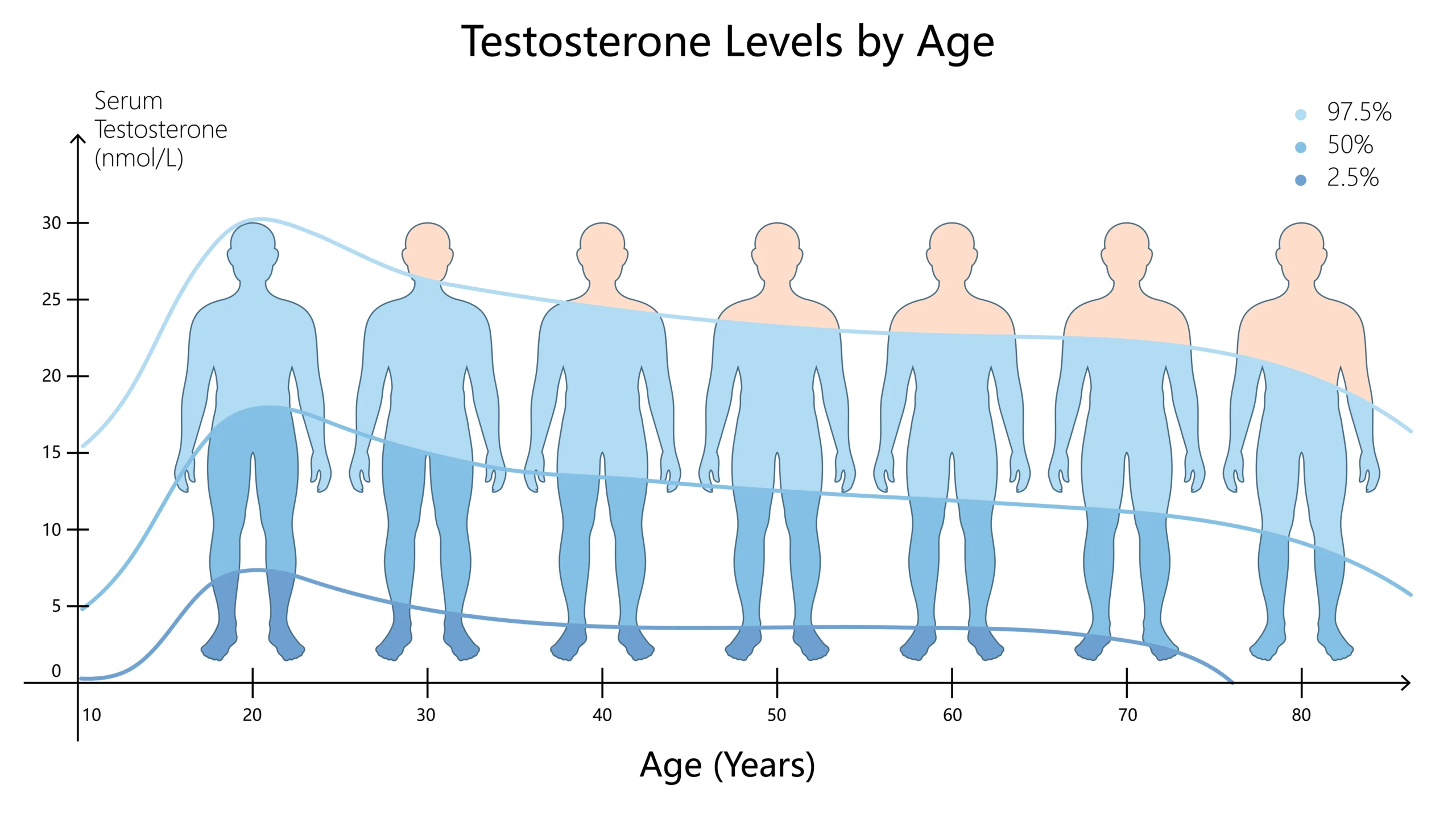
What causes T to drop more than expected? Often, lifestyle or mental health concerns are factors. Symptoms like erectile problems or diminished libido should prompt discussions with your healthcare provider to identify other potential causes like stress, depression, or anxiety.
Other reasons include hypogonadism—a condition where the testes produce little or no hormones. It may be congenital or acquired later due to injury or illness.
If left untreated, low T can weaken bones, raising osteoporosis risk. Worryingly, a study in the Journal of Clinical Endocrinology and Metabolism links low testosterone with increased mortality. If symptoms appear, timely medical evaluation is important.
Signs of Low Testosterone
Symptoms can vary by age. As per NHS, signs include fatigue, low stamina, mood swings like depression or anxiety, irritability, reduced libido, erectile difficulties, loss of physical strength, excessive sweating or night sweats, memory or focus issues, and less frequent shaving.
If such symptoms occur, the NHS notes that other factors may be involved. In these cases, supplements or hormone therapy might not be enough. Blood tests can confirm if testosterone levels are low.
What Is a Normal Testosterone Range by Age?
Testosterone levels are measured via blood tests, expressed in nanomoles per litre (nmol/l) in the UK. Generally, levels above 0.30 nmol/l are normal, with optimal levels above 0.45 nmol/l.
After age 30, T tends to decline roughly 1% yearly. Dr. Luke Pratsides, lead GP at Numan, explains that most men sustain healthy T levels well into old age, enabling many to father children into their eighties.
‘However, some individuals experience levels dropping below the normal range,’ he states. ‘This can cause decreased libido, erectile issues, fertility challenges, low energy, muscle loss, and a lower mood.’
What Do Testosterone Boosters Entail?
Testosterone boosters comprise various supplements designed to elevate T levels. Their choice depends on how low your levels are. Mild deficiencies can often be managed with herbal supplements like Tribulus Terrestris available from stores like Holland & Barrett or on Amazon.
For more severe deficiencies, medical treatments like DHEA—a steroid precursor available via prescription in the UK—may be considered, always under professional supervision. Excessive doses can cause mood swings and aggression, often dubbed roid rage, alongside other adverse effects. Medications like Clomifene and HCG are also options managed by healthcare providers.
Are Testosterone Boosters Effective?
Yes, if they are legitimate products and your T is actually low. Dr. Sohere Roked, an expert in hormone therapy at Omniya London, confirms, ‘I’ve seen these work for various individuals.’ She adds, ‘Some assume they’re unnecessary or a waste, but I’ve observed improvements in body composition, mood, energy, and functions closely linked to testosterone when combined with a healthy diet and exercise.’
Supporting evidence comes from studies like one from Shanghai University of Sport, which tracked 15 male boxers over three weeks of intensive training, with half receiving 1250mg of TT. Those supplementing showed reduced muscle damage and improved anaerobic performance.
Impact of Testosterone Boosters on Sexual Function
Boosters can boost libido, energy, and erectile function—if testosterone levels are genuinely low. However, overusing them can cause side effects like testicular shrinkage, gynecomastia, lower sperm count, or even erectile difficulties.
‘If arousal or erection issues arise, don’t assume it’s solely low T,’ suggests Sonia Khan of Medicine Direct. ‘Many factors—like alcohol, stress, depression, fatigue, or illness—affect libido. Consulting a healthcare professional is the safest approach.
Risks and Side Effects of Testosterone Boosters
Before using supplements, it’s crucial to confirm low T as the root cause of your symptoms. Unnecessary use may lead to irreversible problems—blood tests are essential for proper diagnosis. Regular blood work helps ensure appropriate dosing, as recommended by Roked.
Overproduction of testosterone can suppress natural hormone synthesis, lowering sperm count. Side effects might include acne, hair loss, mood swings, aggressive behavior, and more. Always seek professional advice before starting testosterone boosters.
‘Many gym-goers aren’t aware that supplements could permanently shut down their own hormone production or reduce fertility,’ notes Roked. ‘While rare, such issues are serious. It’s best to work with a healthcare provider and avoid unnecessary hormone use.’
Although compounds like DHEA can raise T levels, misuse or excessive doses can lead to liver issues, hormonal imbalance, high blood pressure, and increased heart attack or stroke risks, warns Dr. Emil Hodzovic, a bodybuilder and physician at Medichecks.
Should Men Consider Using Testosterone Boosters?
Without addressing overall health, using boosters is pointless. If physical health isn’t optimal, T-boosting techniques may have limited effect or even cause harm. Core lifestyle changes are key.
‘Poor habits—like sleep deprivation, high stress, or excess body fat—can mimic low T symptoms or cause them,’ states Hodzovic. ‘Focusing on sleep, a balanced diet, regular activity, and stress management is a good first step. Using boosters without correcting these fundamentals usually yields minimal benefit.’
Natural Ways to Increase Testosterone
As Roked suggests, increasing zinc and omega-3 intake can naturally elevate T levels. Incorporate these foods into your diet, or opt for supplements if you are deficient.
If diet and lifestyle adjustments aren’t enough, consult with an expert. Remember, ‘Supplements are ineffective if you neglect fundamental habits,’ Roked emphasizes. Be honest about your routines and choices.
Foods That Can Reduce Testosterone
‘Some foods promote estrogen-like hormones—female sex hormones—either directly or by converting testosterone into estrogens,’ explains Dr. Pratsides. ‘Elevated estrogen can suppress testosterone production.’

‘Overeating processed, high-fat, sugary foods increases abdominal fat,’ he continues. ‘This fat releases aromatase, an enzyme that converts testosterone into estrogen.’
Alcohol intake also affects T levels. ‘Ethanol reduces NAD+, a coenzyme essential for testosterone synthesis in the liver and testes,’ says Dr. Pratsides. Excessive drinking boosts estrogen and cortisol, which decrease testosterone levels.’
Occasional beer isn’t an issue, but heavy, long-term drinking can lower T. Diets high in dairy or low in dark leafy greens may also worsen hormonal balance, warns Khan.
Top Foods for Supporting Testosterone Production
Although testosterone declines naturally with age, you can stimulate your body to produce more through your diet. Consider adding these seven nutrient-rich foods:
- Oily fish like salmon, tuna, and sardines supply zinc, vitamin D, and protein—essential for maintaining T levels.
- Ginger—A 2012 study—found that daily ginger intake over three months boosted testosterone by 17.7% in men with fertility issues.
- Eggs—’The cholesterol in the yolk is a T precursor,’ says Kim Pearson.
- Dark greens like kale are rich in magnesium, crucial for healthy testosterone production.

- Extra virgin olive oil— 2013 study—shows that daily consumption can elevate T levels over three weeks.
- Fruits like berries, cherries, and pomegranates—research in the International Journal of Impotence Research reports that nearly half of men with erectile issues saw improvements after daily pomegranate juice.
- Red meats such as liver and ground beef contain vitamin D and zinc, vital for puberty and T production.
Effective Supplements for Enhancing Testosterone
If you’re seeking scientifically supported T-boosting supplements, here are some prominent options based on research:
Tribulus Terrestris
TT is popular for performance enhancement and may also support sexual health. While much of the evidence is from animal studies, some results are promising. Male rats given TT extracts showed increased mounting behavior, better erections, and heightened sexual activity, indicating potential benefits for humans.
D-Aspartic Acid
This natural amino acid is involved in testosterone synthesis. A 90-day trial with men suffering fertility issues showed that D-Aspartic acid doubled sperm counts from 8.2 million to 16.5 million per ml.
If your T is normal and you’re focusing on strength gains, D-Aspartic acid might offer limited advantages. A separate study published in Nutrition Research found no significant gains in body composition or strength among trained men taking it.
Vitamin D
Well-known for bone health, vitamin D also correlates with testosterone levels. A study from the University of Graz indicated that supplementing with vitamin D increased T over a year in overweight men. When sunlight exposure is limited, supplementation can be especially helpful.
Magnesium
Linked to T production, magnesium deficiency can reduce levels. A study involving athletes and sedentary men showed increased testosterone after magnesium supplements, highlighting its support role even for men with normal T levels.
DHEA
Earlier mentioned as a prescription steroid precursor, DHEA has been shown to raise T. A study in the European Journal of Applied Physiology found it prevented age-related T decline during high-intensity training in middle-aged men.
Read also: 12 Natural Foods that Boost Testosterone
]]>Erectile dysfunction (ED), the ongoing difficulty in achieving or maintaining an erection suitable for sex, is a common issue that tends to increase with age. While factors like psychological stress, hormonal imbalances, and nerve problems can contribute, high cholesterol is a significant, often overlooked cause. Its impact on erectile function is complex, mainly affecting the blood vessels.
Blockages in Arteries and Impaired Blood Flow
Sound erections depend on healthy blood flow to the penis. During arousal, the corpora cavernosa fill with blood as the penile arteries relax, allowing circulation. High cholesterol causes plaque buildup—fatty deposits—in artery walls. This condition, known as atherosclerosis, narrows arteries and hampers the smooth flow of blood.

Atherosclerosis and the Penile Blood Supply
The arteries feeding the penis are affected by atherosclerosis, too. As cholesterol deposits form, the inner lining becomes uneven and constricted. This limits blood flow volume and slows its delivery, meaning even with stimulation, the corpora cavernosa may not receive enough blood to produce or sustain an erection.
Nitric Oxide and Its Role in Erections
Erectile function relies heavily on nitric oxide (NO), which widens blood vessels—vasodilation. NO is made by cells lining the blood vessels, including those in the penis. When released, it relaxes smooth muscles, boosting blood flow. High cholesterol severely hampers NO production and availability.
Endothelial Damage
The endothelium, the vessel lining, becomes dysfunctional due to high cholesterol. Oxidative stress—primarily from LDL (“bad”) cholesterol—damages these cells, reducing NO synthesis. Additionally, plaques can physically block NO release and promote harmful molecules that counteract its effects. This combination results in decreased vasodilation, impairing erections.
The Cycle of Inflammation
Elevated cholesterol triggers chronic inflammation inside arterial walls. This damages the endothelium further, accelerates plaque buildup, and makes arteries stiffer. The resulting hostile environment diminishes overall vascular health, including the capacity to produce and maintain erections.
Oxidative Stress and Penile Tissue Damage
Besides causing arterial narrowing, high cholesterol increases oxidative stress throughout the body, including within penile tissues. This imbalance between free radicals—unstable molecules that damage cells—and the body’s defenses leads to tissue damage.
LDL and Radical Formation
Particularly, LDL or “bad” cholesterol, is involved in oxidative stress. When oxidized, it is more likely to be taken up by immune cells, forming foam cells that drive inflammation and plaque growth. Oxidized LDL also harms cells in blood vessel walls, including smooth muscle and endothelium cells.
Damage to Penile Smooth Muscle and Nerves
The ongoing inflammation and oxidative stress can directly hurt smooth muscle cells in the corpora cavernosa, reducing their response to NO. Small nerves vital for signaling sexual arousal may also be damaged, adding to erectile difficulties.
Cholesterol and Sexual Desire: Hormonal and Libido Effects
While its effect on erections is well-known, it also influences key aspects of sexual desire and hormonal balance that govern libido.
Cholesterol and Testosterone Production
Testosterone is critical for libido, mood, and energy, all vital for a healthy sex life. Cholesterol is an essential precursor for testosterone synthesis within the testes’ Leydig cells. A healthy cholesterol level supports optimal testosterone production.
Steroid Hormone Synthesis from Cholesterol
All steroid hormones, including testosterone, estrogen, and cortisol, originate from cholesterol. The molecule converts to pregnenolone through enzymatic steps, serving as the foundation for hormone creation. Imbalanced cholesterol levels can disrupt this process, affecting hormone levels.
Ideal balance for Hormone Production
While high cholesterol damages blood vessels, very low levels can limit the raw materials for testosterone. Nonetheless, the main concern regarding sexual health is how elevated cholesterol often coincides with hormonal disturbances.
High Cholesterol’s Effect on Testosterone
Interestingly, conditions leading to high cholesterol—such as obesity, insulin resistance, and chronic inflammation—are often linked to lower testosterone levels. These issues impair the Leydig cells’ ability to produce testosterone, even when cholesterol is abundant. Inflammation can also interfere with hormonal signaling pathways.
Impact on Other Sex Hormones
Cholesterol’s influence extends beyond testosterone. It can indirectly affect hormones like cortisol, elevated during inflammation, which can dampen libido and cause fatigue.
Thyroid Hormones and Sexual Function
Although not synthesized from cholesterol, thyroid hormones regulate metabolism and energy, both crucial for sexual performance. Metabolic syndrome, associated with high cholesterol, can impair thyroid function, leading to decreased libido and sexual performance issues.
Hormonal and Vascular Interactions
Hormonal balance and vascular health are interconnected. Testosterone influences blood vessels, while poor vascular health from high lipids can reduce hormone effectiveness, creating a vicious cycle.
Early Signs: When it Starts Affecting Sexual Life
High cholesterol often has no symptoms, with many unaware until serious cardiovascular issues arise. However, early signs may appear in sexual health. Persistent erectile problems or lowered libido, especially alongside other heart disease risk factors, should prompt medical evaluation.

Noticeable Changes in Erection Quality
Men concerned might observe erections becoming less firm or fading faster during sex. These subtle changes can initially be mistaken for fatigue or stress.
Morning Erections as Indicators
Having morning erections usually reflects good vascular health. A decrease or absence might suggest blood flow issues, potentially caused by high cholesterol.
Difficulty Maintaining Erections
Some men can initiate an erection but struggle to keep it, or experience difficulty with penetration. Such new problems merit medical attention.
Reduced Libido and Sexual Interest
A consistent decline in sexual desire or lack of interest can be linked to hormonal imbalances or the physical and mental effects of chronic conditions like high cholesterol.
Fatigue and Reduced Energy
High lipids, particularly with metabolic syndrome, can cause fatigue and low energy, reducing sexual motivation and desire.
Emotional Effects and Mood
Chronic health issues, such as high cholesterol, can negatively influence mental health. Anxiety, depression, and low mood can further diminish libido and enjoyment of intimacy.
Managing Cholesterol: Protecting Your Heart and Sexual Health
Recognizing the link between cholesterol and sexual wellness encourages men to actively control lipid levels. Efforts to lower lipids often improve erectile function and libido.
Lifestyle Changes as the Main Strategy
Healthier habits form the foundation of managing cholesterol and improving sexual health. These adjustments not only lower lipids but enhance overall quality of life.
Diet for Heart and Sexual Wellness
A heart-friendly diet involves reducing saturated and trans fats from sources like red meats, full-fat dairy, and processed foods. Focus on healthy fats from olive oil, avocados, nuts, and seeds. Increasing soluble fiber from oats, beans, fruits, and vegetables can lower LDL levels.
Benefits of Plant-Based Foods
Consuming more fruits, vegetables, whole grains, and legumes provides nutrients and fiber that help lower cholesterol and fight inflammation. Rich in antioxidants, these foods help combat oxidative stress.
Cutting Back on Processed Foods and Sugar
Limiting processed foods and sugars reduces inflammation and improves lipid profiles, offering significant benefits for vascular and sexual health.

Physical Activity’s Role in Heart and Sexual Function
Engaging in regular aerobic activity—aiming for at least 150 minutes of moderate or 75 minutes of vigorous exercise weekly—boosts cardiovascular health. Exercise reduces LDL, increases HDL (“good” cholesterol), and improves blood flow.
Enhancing Blood Flow and NO Production
Regular activity promotes healthy endothelium, aiding nitric oxide production, leading to better vasodilation and improved erections.
Weight Loss and Sexual Well-being
Maintaining a healthy weight benefits cholesterol and hormone levels. Shedding excess weight improves insulin sensitivity, reduces inflammation, and can raise testosterone levels.
Ceasing Smoking for Better Blood Vessels
Smoking significantly damages blood vessels, hampers blood flow, and accelerates atherosclerosis. Quitting smoking is one of the most effective steps to enhance both heart and sexual health, as nicotine constricts vessels and worsens vessel damage.
Medical Solutions When Lifestyle Changes Aren’t Enough
When lifestyle adjustments don’t achieve desired cholesterol levels, medications supervised by healthcare providers become necessary. These can markedly improve lipid profiles and thus benefit sexual function.

Statins and Erectile Function
Statins, the most prescribed cholesterol-lowering drugs, reduce LDL by blocking liver enzyme activity. Many studies indicate statins can improve erections by decreasing inflammation and improving endothelial health, including nitric oxide availability.
How Statins Work
By lowering LDL and reducing plaque buildup, statins enhance blood flow, directly supporting stronger and more reliable erections.
Side Effects and Sexual Health
While generally safe, statins can cause muscle pain or weakness in some men. Rarely, sexual side effects are reported, but their benefits often outweigh these concerns. Discussing symptoms with a doctor is essential.
Other Medications
Alternative drugs like PCSK9 inhibitors, ezetimibe, and fibrates help manage cholesterol, either alone or combined with statins. Their purpose is to lower cardiovascular risk and promote healthier blood vessels, which benefits sexual performance.
Regular Check-ups for Long-term Management
Consistent medical visits are vital for tracking cholesterol, assessing cardiovascular risks, and catching issues early. A proactive approach ensures tailored interventions for heart and sexual health.
Testing and Monitoring
Routine lipid screening, starting in adulthood, detects high lipids early, allowing for intervention before significant artery damage occurs.
Open Dialogue with Healthcare Providers
Discuss honestly any sexual health concerns or changes with your doctor. Their input helps craft the best overall plan, considering both cholesterol levels and sexual function.
]]>Most men understand that testosterone is a vital hormone responsible for libido, energy, sperm development, and is the main male sex hormone. Maintaining balanced testosterone levels is crucial for overall sexual health and performance.
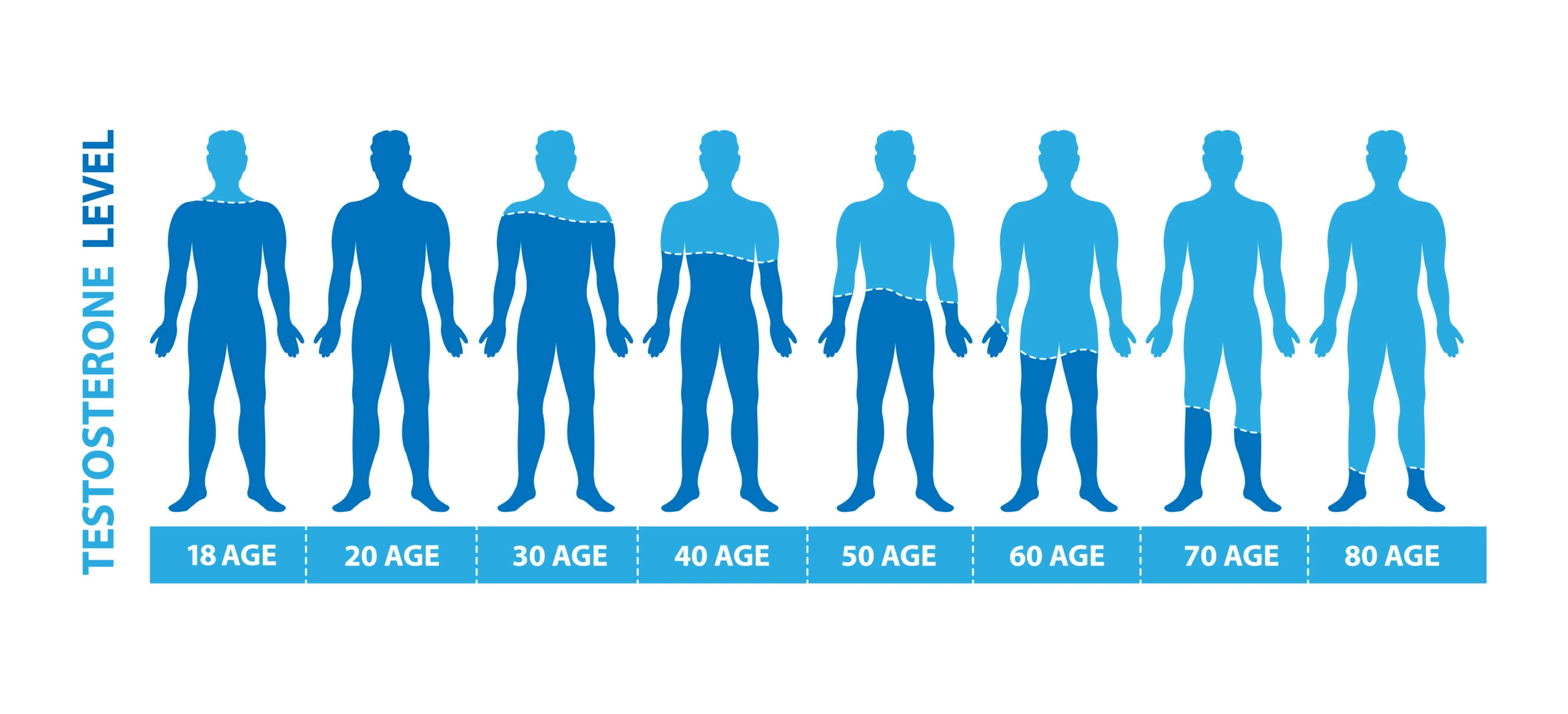
This is especially important after age 30, as typical testosterone levels decline by about 1-2% annually starting around that age. Once these levels fall below a certain threshold, negative effects on mental health, physical health, and sexual desire become noticeable.
Why Do Testosterone Levels Matter for Men?
Let’s clarify – healthy testosterone levels are essential for the following bodily functions:
- Development of the penis and testes
- Deepening of the voice during puberty
- Bone density and strength
- Growth of facial and pubic hair (begins at puberty)
- Muscle size and strength
- Sperm production
- Libido (sex drive)
Yes, this is important! For adult men with balanced testosterone, benefits include:
- Greater muscle mass
- Enhanced strength
- Reduction in excess body fat
- Better focus
- Enhanced mood
Conversely, low testosterone levels can lead to the opposite effects. As a result, many health programs aim to boost testosterone into healthy ranges. Researchers are constantly seeking innovative solutions to combat testosterone deficiency.
This interest was sparked by reports of men using red light therapy to address low testosterone. Naturally, further investigation was necessary.
What is Red Light Therapy, and How Does It Work?
Here’s a brief overview: Red and near-infrared light therapy involves using specific light wavelengths to target skin, muscle tissue, and other body parts to stimulate cellular activity. Also called low-level laser therapy, photobiomodulation, or low-power laser therapy, it provides energy that cells actively require.
When skin is exposed to this light, the mitochondria—the energy-producing parts within cells—absorb it and produce more energy. Importantly, unlike UV light, red and near-infrared wavelengths do not cause burns or skin damage.
Additionally, this therapy can assist the body in managing oxidative stress—a condition caused by an imbalance between free radicals and antioxidants—and may also reduce cellular inflammation.
The good news is that red and near-infrared light devices are simple to use at home, without the need for complicated equipment.
Let’s explore the various applications and health benefits of red and near-infrared light therapy.
How Is Red Light Therapy Applied?
Most commonly, red light therapy is used for skin-related benefits, such as:
- Faster wound healing
- Minimizing stretch marks
- Reducing wrinkles, fine lines, and age spots
- Improving facial skin texture
- Alleviating psoriasis, rosacea, and eczema
- Healing scars
- Repairing sun-damaged skin
- Stimulating hair growth in androgenic alopecia
- Reducing acne and smoothing skin
- Boosting collagen production, which enhances skin structure, elasticity, and strength
- Stimulating fibroblast generation
- Enhancing blood flow to tissues
- Decreasing skin cell inflammation
That’s not all. Medical research also explores other uses, including:
- Reducing side effects from chemotherapy
- Relieving pain and swelling from conditions like tendonitis, carpal tunnel syndrome, arthritis, and knee osteoarthritis
- Preventing cold sores
- Potential benefits for dementia
- Decreasing dental pain
- Addressing hair loss
- Reducing anxiety
- Alleviating lower back pain
- Managing Seasonal Affective Disorder
The bottom line is that red light therapy can support many bodily functions when it is used properly.
The Pros and Cons of Light Exposure
Red light, whether natural or artificial, comes from various sources, including:
- Sunlight (generally beneficial)
- Most indoor or outdoor lighting (which may pose risks)
- Streetlights (potentially harmful)
Be cautious with exposure to these, as some contain UV or blue light wavelengths linked to adverse effects—particularly when viewed near your bedtime.
Excess heat from certain light sources can also negate potential benefits. Using the wrong type of light may reduce or cancel positive effects.
Caution with Blue & UV Light
Not all light is equal. Blue light, for instance, differs significantly from red light: While red light enhances cellular energy, blue light can have complex, sometimes harmful effects.
Overexposure to blue light, especially at short wavelengths, may induce oxidative stress, interfere with mitochondrial function, and disrupt ATP production and cell metabolism.
Although blue light can help fight acne-causing bacteria, excessive or prolonged exposure might cause cellular stress, potentially impacting conditions like diabetes and other metabolic issues.
The Impact of Sunlight on Testosterone Levels
Natural sunlight also influences testosterone. Scientific research indicates that proper sun exposure can be highly beneficial, including:
- Boosting Vitamin D synthesis
- Enhancing mood
- Fostering better energy metabolism
However, overexposure can cause skin burns and increase the risk of skin cancers, especially in sensitive areas like the testes with thin skin.
Testicle Sun Exposure and Testosterone
Research shows that sunlight can elevate testosterone. For example, a study found bright light exposure to the torso and testes increased sexual interest and boosted testosterone levels by 25% to 200%.
Natural light exposure on the skin and body enhances hormone production, improves cellular energy, reduces chronic inflammation, and promotes healthy blood flow—all vital for male fertility and testosterone health. This includes:
- Conversion of skin cholesterol into vitamin D3 sulfate
- Enhancement of oxidative metabolism
- Improvement in ATP synthesis
Despite these promising findings, more scientific research is needed to confirm the direct link between sunlight on the testicles and significant testosterone increases.
“Testicle Tanning” and Its Safety
“Testicle tanning” refers to exposing the testicles to sunlight to stimulate testosterone production. While some reports and limited studies suggest possible benefits, caution is crucial. Overexposure increases risks, such as skin damage or heat injury.
Unlike prolonged sun exposure, red or infrared light therapy uses short, controlled doses of LED light, reducing the risk of burns or cancer.
Scientific Evidence Supporting Red Light Devices
Red light therapy is backed by considerable scientific research.
One of the earliest studies was conducted by Hungarian researcher Endre Mester in the 1960s, illustrating its benefits.
Later, NASA experimented with red light for plant growth and pain management. The U.S. Navy SEALs also used red light to accelerate wound healing and muscle regeneration. Numerous studies since then confirm its health benefits.
Today, red light therapy is common in both clinical and home settings. It is primarily used for skin issues because other organs are protected by layers of bone, fat, or muscle, making direct light application challenging. However, in men’s health, one area remains accessible and important.
Applying Red Light Therapy to the Testicles

Male testicles are externally exposed and accessible, making them suitable for red light therapy to naturally boost testosterone levels. Since the testosterone-producing cells are outside the body cavity, they can be directly treated with red light, unlike internal organs.
Why Does Red Light Therapy on the Testicles Work?
The testes contain photoreceptive proteins called “opsins.” These respond to specific wavelengths of light, activating cellular processes that enhance function, including testosterone synthesis.
Red Light Therapy in Animal Studies
Initial research with animals demonstrated that red light therapy could increase testosterone in male rats . Additionally, studies with birds and small mammals show increased sexual activity after red light exposure.
Enhancing Male Fertility with Red Light Therapy
Current science recognizes red light therapy for its role in improving male fertility, mainly by improving sperm quality. High-quality sperm with good motility and viability boosts successful conception chances, and red light therapy shows promise in enhancing these parameters.
The Connection Between Light, Testosterone, and Sperm Development
Sperm originate in the testes, which need an environment rich in androgens, primarily testosterone, for optimal development. Red light stimulates the testes, increasing local testosterone production, which supports the formation of healthy sperm and higher sperm counts.
The Sperm Development Process
Sperm development, or spermatogenesis, occurs within the seminiferous tubules of the testes. It involves multiple stages of cell division and maturation, resulting in mature sperm capable of fertilization.
Supporting Sperm Health with Red Light Therapy
Red light enhances ATP generation, providing energy for sperm motility and overall fertility. Animal studies indicate increased sperm counts and motility, highlighting red light therapy’s potential for human fertility improvement.
Using Red Light Therapy for Male Infertility
This therapy offers a non-invasive, drug-free approach to addressing male infertility by improving sperm quantity and quality. It can mitigate the mitochondrial dysfunction caused by certain medications or lifestyle habits like alcohol or antidepressants, supporting better reproductive health.
Research also suggests red light supports sperm health post-ejaculation, which can improve success rates in procedures like IVF.
Implementing Red Light Therapy for Male Fertility
Red light therapy shows potential for boosting sperm count and motility, addressing common causes of infertility without pharmaceuticals. Its emerging clinical and home use applications offer hope for many men facing reproductive challenges.
Choosing a Safe Red Light Device to Naturally Elevate Testosterone
The testicles are positioned outside the body to maintain optimal temperature—around 95°F (35°C)—which is about two degrees below core body temperature. Excess heat can cause damage, so selecting the right device is vital.
Many types of bulbs or lamps, such as:
- Incandescent bulbs
- Heat lamps
- Infrared lamps above 1000nm
emit too much heat, making them unsafe for testicular use. Instead, opt for LEDs, which produce light without significant heat and are safer for this sensitive area.
Ideal wavelengths for therapy include red light from 630 to 660 nm and near-infrared (810-850 nm).
Applying Red Light Therapy to the Testicles
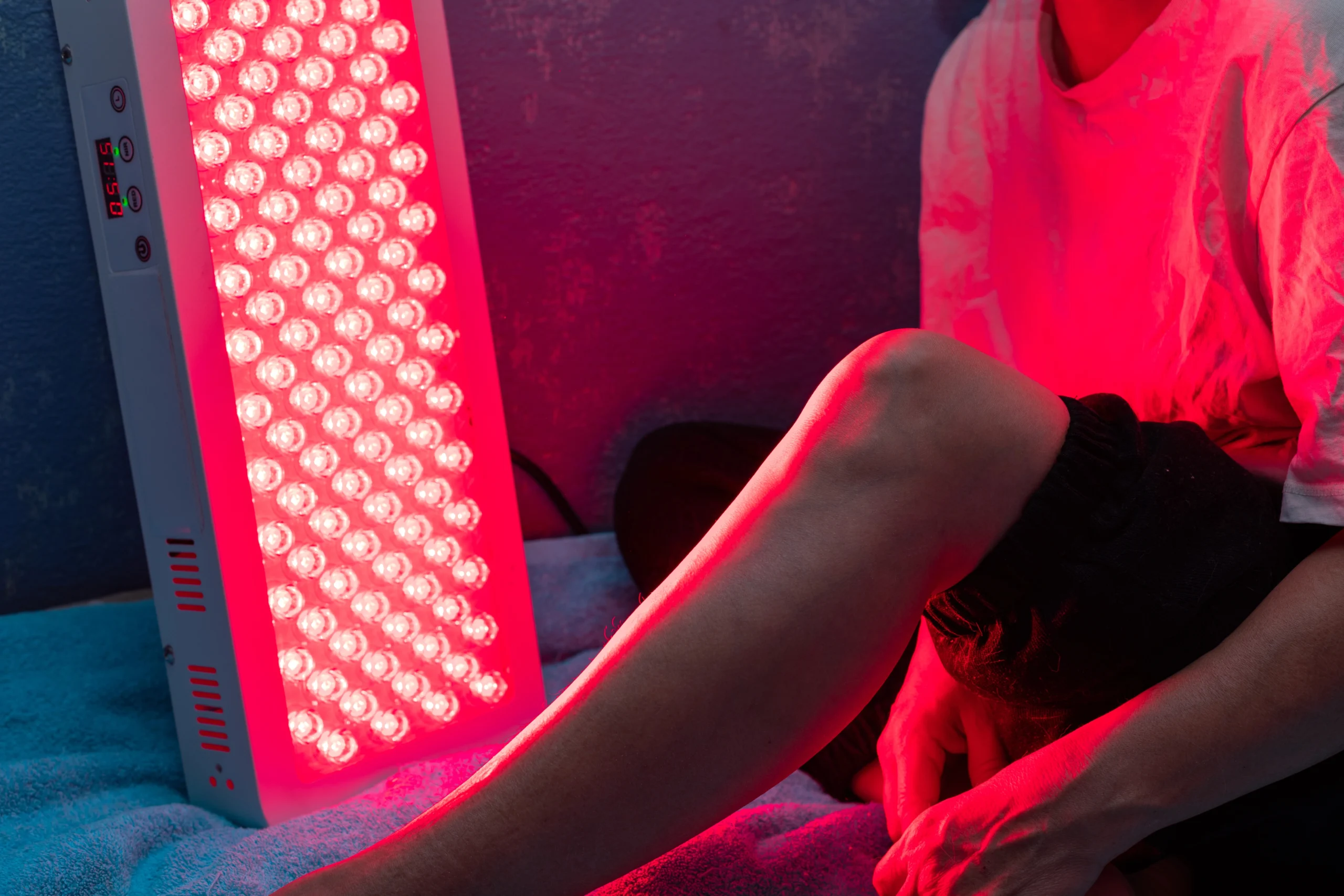
Sessions should last less than 30 minutes daily and be consistently performed over weeks or months, depending on individual response. Many people now use home devices successfully and find that 5-20 minute treatments are effective. Patience and consistency are key; noticeable results may take some time.
Long-Term Safety of Red Light Therapy
If used with appropriate devices, red light therapy is safe for ongoing use. Regular treatments can support cellular health and spermatogenesis. Ensuring sufficient light penetration into the tissues—especially beneath the skin—is essential for optimal effects on Leydig cells and the seminiferous tubules.
Additional Benefits: Targeting the Adrenal Glands
Besides the testes, red light can also be applied over the adrenal glands, located just above the kidneys. Since the adrenal glands produce small amounts of testosterone, stimulating them with red light on the lower back may further support hormone levels, though this is less direct than treatment of the testicles.
Using Red Light Therapy to Enhance Testosterone and Sexual Function
In summary, you now have essential insights into how red light therapy can be employed at home to support testosterone production and sexual health.
If you’re looking to boost your sex drive and testosterone naturally without medications, combining red light therapy with healthy lifestyle choices is a promising approach.
]]>- The Culinary Path to Peak Hormone Synthesis
- The 12 Natural Foods to Increase Testosterone
- The Quiet Shift: Reclaiming the Cornerstone of Vitality
- The Blueprint for Vigor: Foundational Fuel for Hormone Synthesis Support
- The 12 Pillars of Natural Testosterone Enhancement
- The Strategy of Synergy: Weaving Foods into a Life of Vitality
- The Lifestyle Pillars: Beyond the Plate
- Dosage and Dietary Blueprint
- The Silent Architects: Lifestyle Habits That Forge Your Testosterone Destiny
- The Final Blueprint: Answers to Your Hormone Questions
- Embracing the Journey to Hormonal Balance: A Complete Blueprint
There comes a moment when the engine of vitality begins to sputter, when the boundless energy of youth seems like a distant, romantic memory. You might feel the subtle drift, a dip in motivation, a lack of drive, or a noticeable shift in muscle recovery and mood.
This feeling often traces back to one critical hormone: Testosterone.
Testosterone is not merely about building muscle, it is the cornerstone of male sexual health, mood regulation, and that essential spark of confidence. It governs the Regulation of Masculine Traits and plays a pivotal role in the Enhancement of Sexual Desire.
But what if the key to reigniting that fire wasn’t found in a prescription bottle, but right in your kitchen?
The Culinary Path to Peak Hormone Synthesis
For too long, we’ve overlooked the profound power of natural foods to influence our endocrine system. Your diet is the blueprint for Hormone Synthesis Support, providing the raw materials your body needs to thrive.
The quest to significantly boost testosterone levels requires a strategic shift toward nutrient-dense, potent ingredients.
We are not talking about fleeting fixes. We are talking about incorporating specific, natural foods that deliver crucial micronutrients like Zinc and Vitamin D, which are essential for robust testosterone production.
These dietary choices act as powerful levers, helping to keep the stress hormone Cortisol in check while optimizing your body’s ability to manufacture this vital androgen.
This journey will guide you through 12 extraordinary natural foods, each scientifically proven to support and increase testosterone. Prepare to reclaim your strength, focus, and drive by simply adjusting what you put on your plate.
The 12 Natural Foods to Increase Testosterone
The following foods are pillars of a diet designed for optimal vitality. They range from fatty fish teeming with Vitamin D to humble produce that optimizes hormone signaling.
Let’s explore these powerful allies, understanding exactly how they work to elevate your testosterone levels and restore your peak physical and sexual health.
The Quiet Shift: Reclaiming the Cornerstone of Vitality
There comes a moment in life when the engine of vitality seems to slow, a quiet whisper rather than a shout. You notice the weights feel heavier, the morning mirror reflects a slightly dimmer spark, and the boundless energy required for peak performance and robust sexual health seems to require more conscious effort.
This subtle decline is often tied directly to shifting testosterone levels. This hormone is the master key, responsible not just for the Regulation of Masculine Traits, but also for mood stability, mental clarity, and maintaining robust muscle strength.
In a modern world defined by high Cortisol and chronic sleep deprivation, the body’s natural factory for testosterone production struggles. Many are seeking a natural path back to hormonal harmony.
The solution, surprisingly, doesn’t require complex prescriptions. Experts, including those referenced by Webmd.com, consistently point to the earth and sea, the simple, potent power of natural foods that can help boost testosterone.
This journey to naturally increase testosterone is a story written in critical micronutrients. We are talking about the crucial role of Zinc for Sperm Quality Improvement, the sunlit power of Vitamin D for Hormone Synthesis Support, and the calming force of Magnesium.
It is vital to understand the foundational lifestyle pillars, too. Remember this critical truth: the Impact of Sleep on Testosterone is profound. Studies show that sleep deprivation resulting in less than five hours of rest can slash your natural testosterone output by a staggering 15%.
We are not just talking about diet, we are discussing the architecture of vitality. By prioritizing protein-rich foods and magnesium-rich foods, you give your endocrine system the exact raw materials it desperately needs to function optimally.
Prepare to discover the twelve fundamental, natural ingredients that serve as the bedrock for hormonal harmony. They are the simple steps that can help you reclaim that essential, vibrant drive.
The Blueprint for Vigor: Foundational Fuel for Hormone Synthesis Support
The quest to increase testosterone is not just about eating specific power foods, it’s about providing the body with the specialized components it desperately needs. Think of your hormonal system as a finely tuned engine, it requires the right raw materials to manufacture vitality.
If the foundational elements are missing, the entire process of Testosterone production stalls. You cannot build a strong structure without solid groundwork.
Before we dive into the top 12 foods, we must establish this essential blueprint for Hormone Synthesis Support. Deficiency in three critical areas creates a bottleneck, slowing down the efficient Regulation of Masculine Traits.
Our immediate focus must be on maximizing the intake of the three critical players: Zinc, Magnesium, and Vitamin D. These are the unsung heroes of your endocrine system.
These micronutrients work in concert, supporting everything from Sperm Quality Improvement to actively reducing disruptive stress hormones like Cortisol. They are the key to unlocking greater physical resilience and the natural Enhancement of Sexual Desire.
By prioritizing foods rich in these compounds, you lay the groundwork for robust hormonal health, ensuring your body has the tools it needs to naturally boost testosterone levels.
The 12 Pillars of Natural Testosterone Enhancement
The journey toward revitalized masculine power requires more than just effort, it demands the right fuel. These foods are not merely calories, they are potent catalysts, nature’s own specialized laboratory, delivering the vitamins and minerals proven to support healthy testosterone levels.
Imagine unlocking a deep reservoir of energy. Here are the twelve foundational foods ready to serve as your blueprint for vigor.
1. Oysters: The Zinc Powerhouse for Fertility Enhancement

If the quest for vitality leads you to a single, undisputed champion, look no further than the humble oyster. These legendary mollusks are the single most potent natural source of zinc available.
Zinc is an absolute necessity for robust testosterone production, playing a crucial, non-negotiable role in testicular function and Fertility Enhancement. When your zinc intake is optimized, the body is fully equipped to synthesize and regulate this vital hormone.
To capitalize on this power, aim to eat oysters regularly, perhaps twice weekly, or ensure your daily routine includes other high-zinc sources like succulent lean beef and hearty beans.
2. Fatty Fish: The Sunlight Hormone Synthesis Support

Picture the deep, churning blue sea providing a medicinal boost straight to your endocrine system. Fatty fish, including wild-caught salmon, rich tuna, and oily mackerel, are superstars in the pursuit to naturally increase testosterone.
They deliver crucial Omega-3 fatty acids, which quell internal inflammation, and, critically, they are saturated with Vitamin D. Research confirms that Vitamin D acts less like a simple vitamin and more like a powerful steroid hormone, directly supporting crucial Hormone Synthesis Support.
Aim for three hearty servings of fatty fish weekly to flood your system with this natural, hormone-boosting power.
3. Avocados: The Champion of Monounsaturated Fats

The creamy, verdant flesh of the avocado is a beacon of healthy fats, essential for hormonal architecture. It is supremely rich in monounsaturated fats, which form the bedrock of endocrine health.
Studies, including those conducted by researchers at Penn University, have clearly established the connection between consistent Monounsaturated Fat Consumption and vastly improved testosterone profiles.
These beneficial fats work by helping to lower detrimental LDL Cholesterol, freeing up the necessary precursors the body needs to manufacture Testosterone. Slice half an avocado over your morning eggs or blend it into a thick, energizing smoothie daily.
4. Pomegranate Juice: Nature’s Cortisol Regulator

The vibrant, ruby-red seeds of the pomegranate hold a deep, ancient wisdom. Drinking pure pomegranate juice has shown a remarkable ability to refine hormonal balance.
It works by significantly lowering the damaging effects of stress hormones, particularly Cortisol. When Cortisol drops, that insidious enemy of vitality, the body finds a clearer, unobstructed pathway to effectively boost testosterone.
A single glass of pure, unsweetened pomegranate juice in the morning can dramatically reduce blood pressure and set the stage for total hormonal success.
5. Spinach and Dark Leafy Greens: Magnesium-Rich Foods

Do not underestimate the silent power contained within the green revolution. Dark, leafy greens like spinach are brimming with precious Magnesium, a mineral too often overlooked in modern diets.
This mineral is vital because it actively binds to Sex Hormone Binding Globulin (SHBG), effectively making more free, active Testosterone available to circulate in the bloodstream. This is a critical mechanism for anyone looking to effectively increase testosterone and build muscle strength.
Combine a handful of spinach with nuts like almonds or cashews, which are also excellent magnesium rich foods, for a powerful synergistic effect.
6. Onions and Garlic: Stimulating Natural Production and Sperm Quality Improvement

These pungent, everyday kitchen staples are far more than mere flavor enhancers, they are potent, scientifically validated endocrine allies. Regular consumption of onions and garlic has been linked to a measurable increase in the hormones that stimulate natural testosterone production.
They contribute significantly to Sperm Quality Improvement and overall sexual health. Incorporate them generously into your daily cooking, perhaps sautéed beneath your lean beef, chicken, or fish, providing unwavering support for your hormonal system.
7. Eggs: Complete Nutritional Support for Testosterone

The incredible egg is a masterpiece of complete nutrition, offering perfect protein, healthy fats, and key vitamins. The yolk, often needlessly feared, contains cholesterol, a necessary precursor for all steroid hormones, including Testosterone.
They also provide vital Vitamin D and high-quality protein, making them an ideal food for those focused on boosting sexual health and achieving maximum build muscle strength.
8. Lean Beef, Poultry, and Fish: Protein-Rich Foods Against Deficiency

The body cannot build muscle, sustain energy, or synthesize hormones without adequate protein. The devastating impact of protein deficiency can severely derail testosterone production.
Lean beef, poultry, and fish, and other high-quality sources provide the crucial amino acids necessary for repair and creation. Importantly, lean beef is also a fantastic source of zinc, doubling down on the T-boosting benefits and supporting the goals of the Mediterranean Diet framework.
9. Brazil Nuts: Selenium and Endocrine Balance

Just a few Brazil nuts daily can unlock a significant difference in your endocrine profile. They are exceptionally high in selenium, a trace mineral that profoundly supports thyroid function and, indirectly, optimizes hormone balance.
Like avocado and other cornerstone ingredients in the Mediterranean Dietary Regimen, they provide essential healthy fats that support overall hormone synthesis.
10. Ginger: Anti-Inflammatory Catalyst for Testicular Health

Used for millennia in traditional healing, ginger root now has emerging research supporting its direct role in enhancing testosterone production. It appears to work by drastically reducing oxidative stress and improving overall testicular health, the very factory where the vast majority of the hormone is manufactured.
Try grating fresh ginger into your morning tea or incorporating it into marinades for lean beef or fatty fish to ignite its benefits.
11. Berries: Anti-Estrogen Antioxidants

While not a direct booster, power-packed berries like deep purple blueberries and vibrant raspberries are rich in antioxidants that help manage excessive Estrogen levels. This is crucial for masculine health.
By controlling excessive Estrogen, the body is far better positioned to prioritize and maintain high testosterone levels. They also fiercely fight inflammation, creating a clean, efficient internal environment for hormone regulation.
12. Fortified Dairy Products: Calcium and Vitamin D Synergy

Milk and fortified yogurts often provide a robust, bioavailable dose of bone-strengthening calcium and essential Vitamin D. When consumed in moderation, especially fermented varieties like Greek yogurt, it supports skeletal health and contributes crucial Vitamin D for efficient testosterone synthesis support.
The Strategy of Synergy: Weaving Foods into a Life of Vitality
Reclaiming your masculine edge is not a sprint, it is the steady, consistent rhythm of fueling your body with intention. These powerful foods are most effective when they are woven into a holistic eating pattern.
The Mediterranean Dietary Regimen stands out as the ultimate blueprint, emphasizing healthy fats, whole grains, and minimal processed foods. It is not about eating dozens of oysters every day, but about creating a sustained, diverse nutritional environment that whispers to your body: “It is time to thrive.”
The Foundational Fuel: Zinc and the Deep Tides of Fertility
Imagine Zinc as the master key to the factory of testosterone production. This mineral is absolutely critical for the processes that govern hormone synthesis and fertility enhancement.
The famed champions in this category are, without question, oysters. They deliver zinc in potent, readily available doses. However, consistent intake of foods like lean beef and certain beans also provides the essential building blocks needed to maintain healthy testosterone levels.
Sunlight in a Capsule: The Power of Vitamin D
We often think of Vitamin D as just a nutrient, but functionally, it behaves like a crucial steroid hormone that directly supports testosterone production. When Vitamin D levels plummet, so often does the natural ability of the body to regulate masculine traits.
This is where the bounty of the sea steps in. Fatty fish like wild salmon, tuna, and mackerel are rich sources of Vitamin D and Omega-3s, which are vital for inflammation reduction and robust hormone synthesis support. Aim for these marine treasures several times a week to keep your internal engine running smoothly.
Unlocking the Free Hormone: Magnesium’s Quiet Strength
You might be consuming enough testosterone, but is it active? That is where Magnesium plays its pivotal role. This mineral helps reduce the binding of testosterone to proteins in the blood, effectively increasing the amount of free, active testosterone available for use.
Incorporating magnesium-rich foods like dark, leafy spinach, almonds, and cashews into your daily diet is a simple, powerful strategy to naturally boost testosterone and maximize its benefits.
The Essential Fat: Monounsaturated Fats for Hormone Precursors
Fats are not the enemy, they are the raw material. Your body needs healthy fats to create testosterone. Specifically, monounsaturated fats are crucial.
Research, including studies conducted at Penn University, consistently links the consumption of foods like avocado, olive oil, and nuts to lower levels of harmful LDL Cholesterol and the provision of necessary precursors for robust testosterone production. Half an avocado daily is a delicious way to support your endocrine system.
The Lifestyle Pillars: Beyond the Plate
Even the perfect diet cannot overcome poor lifestyle habits. The true strategy for natural testosterone enhancement involves surrounding your food intake with essential restorative practices.
Restoring the Reservoir: Sleep and the Rhythms of Testosterone
The deepest replenishment happens when the world sleeps. Testosterone production is highly dependent on your sleep cycle, peaking significantly during the deepest periods of REM sleep.
The data is stark: sleep deprivation, defined as consistently getting less than five hours of rest, can reduce your circulating testosterone levels by a staggering 15%. Prioritize your rest. Make the commitment to get enough sleep to allow your body the crucial time needed for hormone synthesis support.
Forging Strength: Weight Training and Muscle Building
The body responds to challenge by producing the hormones necessary to meet it. High-intensity resistance training and targeted weight training exercises are proven methods to naturally boost testosterone and drive muscle strength development.
You must challenge your muscles to build muscle strength, but beware of overtraining. Too much high-volume endurance exercise without sufficient recovery can actually increase Cortisol and negatively impact testosterone levels.
The Spice of Vitality: Onions and Garlic
These humble kitchen staples hold surprising power. Regular consumption of onions and garlic has been shown to increase the hormones that stimulate natural testosterone production and significantly improve sperm quality improvement.
Do not underestimate the impact these pungent additions have on overall sexual health and the enhancement of sexual desire.
The Silent Disruptors: Managing Stress and Alcohol
The stress hormone, Cortisol, is the natural enemy of Testosterone. When Cortisol rises, Testosterone inevitably falls. Foods high in antioxidants, such as pomegranate juice, can help manage stress and lower Cortisol.
Furthermore, mindful consumption is key. Chronic alcohol consumption and the guidelines to limit alcohol are crucial because excessive intake severely disrupts the endocrine system, impacting hormone synthesis support.
Dosage and Dietary Blueprint
Consistency is your greatest tool. Use the following guide, compiled from research sources like the MyVinmec app data and Webmd.com research, as your daily map to maximize these natural boosters.
| Food | Primary Nutrient | Direct Benefit to Testosterone | Consumption Recommendation |
|---|---|---|---|
| Oysters | Zinc | Crucial for fertility and direct T synthesis. | 2-3 servings weekly. |
| Fatty Fish (Salmon) | Vitamin D, Omega-3s | Supports hormone synthesis, reduces inflammation. | 3 servings weekly. |
| Avocados | Monounsaturated Fats | Lowers LDL Cholesterol, provides T precursors. | Half an avocado daily. |
| Spinach | Magnesium | Increases free, active testosterone availability. | One cup raw daily. |
| Pomegranate Juice | Antioxidants | Lowers Cortisol (stress hormone). | One glass daily. |
| Lean Beef | Protein, Zinc | Provides building blocks for hormones and muscle. | Moderate intake (3-4 times weekly). |
The Silent Architects: Lifestyle Habits That Forge Your Testosterone Destiny
Imagine building a magnificent fortress with a foundation of top-tier natural foods, only to leave the gates open to attackers. A perfect diet can only take you so far.
The true regulation of your hormone balance, your ability to dramatically boost testosterone and sustain those healthy testosterone levels, rests firmly on the pillars of sleep, stress management, and physical exertion.
This is where intention meets biology.
The Night Shift: Why Deep Sleep is Your Hormone Factory
The stillness of the night is when the body performs its most profound alchemy. The bulk of testosterone production happens during the deep, restorative phases of the sleep cycle, peaking specifically during REM.
When you cheat yourself of rest, the consequences are immediate and devastating. Suffering from chronic sleep deprivation means your body simply stops manufacturing the vital hormone.
Studies confirm that sleeping less than five hours per night can slash your circulating Testosterone by a staggering 15%. You must prioritize seven to nine hours of quality, uninterrupted rest to ensure optimal hormone output and support your sexual health.
Forging Vitality: The Power of Strength Training
If you seek a potent, natural stimulant for testosterone production, look no further than the iron in the gym. Weight training and strength exercises send a direct, powerful signal to your endocrine system: Grow stronger.
This beautiful cycle means higher testosterone levels allow you to build muscle strength, and in turn, the process of Muscle Strength Development helps to dramatically increase testosterone.
Yet, even here, balance is key. Pushing too hard, too often, overtraining, causes a surge in the stress hormone Cortisol, which acts as a powerful antagonist, actively working against your vitality.
Guarding the Gates: Managing Insulin and Alcohol
The silent enemy of hormone health often hides in plain sight: metabolic chaos. The Management of Insulin Resistance is absolutely paramount for sustained hormonal health.
Diets swimming in refined sugars and processed carbohydrates cause chronic insulin spikes, which sabotage healthy testosterone levels.
Furthermore, the Effects of Chronic Alcohol Consumption wreak havoc on the endocrine system. Excessive alcohol consumption directly interferes with testicular function and accelerates the conversion of precious Testosterone into Estrogen.
To protect your vitality and ensure Hormone Synthesis Support, you must actively limit alcohol intake.
Invisible Threats: Avoiding Endocrine Disrupting Agents
It is crucial to remember that your environment is just as critical as your plate. Chemical exposure, specifically to compounds like Bisphenol-A (BPA), often lurking in plastics and can linings, acts as a powerful Endocrine Disruption agent.
These insidious chemicals mimic the effects of Estrogen, confusing the body’s natural signaling systems and potentially lowering natural testosterone levels.
Protect your hormonal destiny: always store your food and drinking water in glass or stainless steel containers to minimize this exposure.
Dr. Elias Vance, a leading endocrinologist quoted on the MyVinmec app, often emphasizes this simple, undeniable truth: “The body is a precision machine. You cannot expect peak performance if you feed it low-grade fuel and persistently ignore the importance of deep, restorative sleep. Lifestyle is the ultimate regulator of your hormonal destiny.”
The Final Blueprint: Answers to Your Hormone Questions
Can diet alone repair clinically low testosterone levels?
Imagine your body as a magnificent engine. Optimizing your fuel with natural foods rich in essential elements like zinc, magnesium, and vitamin D provides the highest quality ingredients for Hormone Synthesis Support.
This commitment to diet is the essential first step to naturally boost testosterone, maximizing your body’s potential. However, if your testosterone levels have plummeted due to serious medical conditions or the natural decline of advanced age, diet alone may not be the full solution.
These powerful natural foods create the perfect internal environment. But if you suspect a clinical deficiency, seeking the guidance of a healthcare professional is crucial for proper diagnosis and treatment.
How quickly can I expect to feel the shift when eating these natural foods?
The speed of your transformation depends entirely on your starting point and, critically, your consistency. For men who have been struggling with deficiencies in vital micronutrients like Magnesium or Zinc, the change can feel dramatic.
You might notice a palpable lift in energy, an improved mood, and significant strides in sexual health within four to twelve weeks.
Remember that this journey is compounded by habit. When you combine this optimized diet with dedicated weight training to build muscle strength and diligently address sleep deprivation, the results multiply. Your body starts producing the full, robust cascade of hormones you deserve.
Do these foods influence Estrogen levels?
Absolutely. Think of your hormones as a perfectly balanced scale. While we focus on lifting testosterone production, maintaining a healthy equilibrium with Estrogen is equally vital for Regulation of Masculine Traits and overall well-being.
Many of the vibrant natural foods we’ve championed, particularly antioxidant-rich items like berries and certain compounds found in pomegranate juice, act as nature’s detoxifiers.
They support optimal liver function and reduce oxidative stress, aiding the body in managing or eliminating excess Estrogen. This delicate balance is key not only for vitality but also for Fertility Enhancement.
Is the Mediterranean Diet truly the best framework for maximizing testosterone?
The Mediterranean Diet is not just a diet, it’s a lifestyle steeped in ancient wisdom, and its alignment with optimal hormone health is profound. This dietary regimen is highly recommended because its core structure is a powerhouse for Hormone Synthesis Support.
It emphasizes healthy fats, like those found in abundant avocado and olive oil, which deliver critical monounsaturated fats. Research, including findings from experts at Penn University, consistently links this type of fat consumption to improved testosterone levels and a reduction in harmful LDL Cholesterol.
By being naturally low in processed sugars, the Mediterranean Dietary Regimen drastically aids in the Management of Insulin Resistance. This creates a clean, low-inflammation environment, allowing the body to naturally increase testosterone production efficiently and sustainably.
What is the role of Zinc and Vitamin D in boosting testosterone?
These two micronutrients are the silent giants of testosterone production. Zinc is absolutely crucial, it acts as a cofactor in numerous enzymatic reactions necessary for hormone synthesis and Sperm Quality Improvement.
To maximize this benefit, you should eat oysters as they are the premier source of this mineral, but you can also find significant amounts in lean beef and beans.
Similarly, Vitamin D is not just a vitamin, it functions much like a steroid hormone itself. Fatty fish like salmon, tuna, and mackerel are essential sources, providing the building blocks needed to maintain robust testosterone levels throughout the year.
How important is sleep and exercise for maximizing results?
A pristine diet will falter without the support of lifestyle pillars. When you are asleep, especially during the deepest REM cycles, your body engages in critical Sleep Cycle Dependent Hormone Production.
The research is stark: sleep deprivation of less than five hours per night can slash your testosterone levels by up to 15%.
Furthermore, regular, dedicated weight training and strength exercises are unparalleled accelerators. They signal to your body the need to build muscle strength, which directly translates into a natural spike in increase testosterone. Remember to avoid chronic overtraining, which can raise Cortisol and negate your hard work.
Should I limit alcohol consumption while trying to boost testosterone?
Yes, consistency is key, and chronic alcohol consumption is a known disruptor. While an occasional glass of wine may not derail your progress, excessive limit alcohol intake can significantly impair the liver’s ability to process hormones and increase oxidative stress.
The Effects of Chronic Alcohol Consumption can suppress testosterone production and increase the conversion of testosterone into Estrogen, working against all the benefits you gain from eating natural foods.
Choosing water, green tea, or pomegranate juice over excessive alcohol is a powerful step toward sustained hormonal health and Enhancement of Sexual Desire.
Are specific vegetables beneficial? What about onions and garlic?
Absolutely. While we focus on protein rich foods and healthy fats, certain vegetables hold surprising power. Onions and garlic, often overlooked kitchen staples, are fantastic examples.
Regular consumption of onions and garlic has been scientifically shown to increase the hormones that stimulate natural testosterone production, leading to better overall testosterone levels and notable improvements in Sperm Quality Improvement.
These pungent heroes are easy to incorporate into your daily meals of lean beef or poultry or fish, adding flavor and potent hormonal support.
Embracing the Journey to Hormonal Balance: A Complete Blueprint
You have seen the list of potent, natural foods. But the journey to robust testosterone levels requires more than just a grocery list, it demands a shift in how you view your body and your vitality. Imagine standing at the threshold of a new dawn, ready to reclaim the strength that feels inherently yours.
This is not about quick fixes. It is about building a fortress of enduring vigor, brick by nutritional brick, guided by research from institutions like Penn University and the clinical expertise at Vinmec.
The Essential Trio: Zinc, Magnesium, and Vitamin D
The story of boosting testosterone production often begins with three unsung heroes of the nutrient world. When these elements are missing, the entire process of Hormone Synthesis Support stalls, leaving your engine running on fumes.
Zinc: The Fertility Catalyst
If there is one mineral that whispers the promise of renewed sexual health, it is Zinc. We often hear the legends of ancient strength, and perhaps they knew instinctively what modern science confirms: Zinc is crucial for Sperm Quality Improvement and Fertility Enhancement.
To truly boost testosterone, you must seek the ocean’s bounty. Oysters are the undisputed king, a true powerhouse of Zinc. But fear not if seafood is not your calling, incorporating lean beef and beans into your rotation also provides substantial Zinc to support healthy testosterone levels.
Magnesium: Taming the Stress Hormone
Life in the modern era is often defined by stress, and stress elevates Cortisol, the great enemy of Testosterone. This is where Magnesium steps onto the stage.
Found in the deep, verdant greens of spinach and the satisfying crunch of almonds, these magnesium-rich foods act as a calming anchor. They help regulate sleep and reduce muscle tension, creating an optimal environment where testosterone production can flourish undisturbed.
Vitamin D: The Hormone of Vitality
Often called the sunshine vitamin, Vitamin D is technically a steroid hormone precursor, making its role in testosterone production non-negotiable. If you live far from the equator or spend your days indoors, your levels are likely suffering.
The key to correcting this lies in the deep waters. Fatty fish like salmon, tuna, and mackerel are incredible sources of this essential nutrient. Prioritize these fatty fish to ensure your body has the raw materials needed for sustained testosterone levels.
The Fat Factor and Culinary Secrets
We were once told to fear fat, but the truth is, the right kind of fat is essential for hormone creation. Testosterone is synthesized from cholesterol, and the quality of that cholesterol matters immensely.
Monounsaturated Fats and Hormone Support
Researchers, including those at Penn University, have highlighted the profound benefits of monounsaturated fats. Think of the creamy richness of avocado or the golden drizzle of quality olive oil.
These fats actively work to lower detrimental LDL Cholesterol while supporting the overall integrity of the cell membranes where hormones are manufactured. Making Monounsaturated Fat Consumption a daily habit, perhaps half an avocado with lunch, is a profound investment in your hormonal future.
The Flavor Boosters: Onions and Garlic
These pungent staples of global cuisine do more than just add depth to a dish. Regular consumption of onions and garlic contains compounds that stimulate the production of hormones necessary for natural testosterone production.
They improve blood flow and support general sexual health, making them indispensable additions to your daily cooking.
Beyond the Plate: Lifestyle Amplifiers
Eating the right natural foods is half the battle, the other half is creating the physical and mental space for those nutrients to work their magic. This holistic approach aligns perfectly with the principles of the Mediterranean Dietary Regimen.
The Sanctuary of Sleep
As you drift into the deep stages of sleep, specifically during the vital REM cycles, your body shifts into high-gear repair mode, and testosterone production surges. This is why you must get enough sleep, it is a directive, not a suggestion.
Studies show that sleep deprivation, defined as receiving less than five hours of rest, can plummet your daily testosterone levels by a staggering 15%. Protect your sleep cycle, it is where your vitality is forged.
Building Strength Through Weight Training
The narrative of strength is incomplete without mention of weight training. Engaging in strength exercises doesn’t just help you build muscle strength, it sends a powerful signal to your endocrine system to ramp up testosterone production.
However, remember the delicate balance: overtraining can spike Cortisol and negate the benefits. Focus on challenging your muscles consistently, but allow for adequate recovery.
Addressing Endocrine Disrupting Agents
While you focus on eating clean, remember that what holds your food matters. Endocrine Disruption, particularly from compounds like Bisphenol-A (BPA) found in many plastics, can mimic Estrogen and actively depress testosterone levels.
Commit to storing your nourishing protein rich foods in glass containers and strive to limit alcohol consumption. The Effects of Chronic Alcohol Consumption significantly elevate Estrogen and stress the liver, further hindering your Hormone Synthesis Support.
The pursuit of optimal health is not a sprint, it is a marathon fueled by mindful choices. By integrating these twelve powerful natural foods and adopting these lifestyle pillars into your daily life, you are not just eating, you are investing in your long-term vitality. This is the story of renewed strength, driven by the simple, profound wisdom of nature.
]]>This detailed report examines the typical testosterone levels experienced by men across different age brackets, investigating the natural transformations that occur as they mature. We utilize data and perspectives from established publications, such as HealthGains, Healthline, and Medichecks, to offer a thorough description of the average testosterone levels in men relative to their age.
Defining Normal Testosterone Concentrations
Prior to exploring the statistics related to specific age groups, it is crucial to establish the parameters of a healthy testosterone concentration and the method used for its quantification. Testosterone concentration is usually quantified in nanograms per deciliter (ng/dL) within the bloodstream. While the acceptable range for mature men fluctuates, it commonly spans from 270 up to 1070 ng/dL.
It must be acknowledged that testosterone measurements differ significantly among individuals, being susceptible to influences from factors like heredity, daily habits, and pre-existing medical issues. A level deemed “standard” for one person might be atypical for someone else. Nevertheless, analyzing the mean testosterone levels corresponding to age provides valuable insight into the anticipated hormonal evolution across the male lifespan.
Testosterone Concentrations During Puberty
The adolescent phase signals the initiation of profound endocrine shifts in young males as they move from youth toward maturity. At this time, the body undergoes a rapid increase in testosterone synthesis, which triggers the emergence of secondary male traits, including the growth of facial hair, vocal deepening, and enhanced muscle volume.
Based on the referenced sources, the typical testosterone measurements for male adolescents generally fall within the range of 300 to 1,000 ng/dL. Nonetheless, personalized differences can be considerable throughout this stage, meaning some boys may register readings above or below this spectrum. It is necessary to remember that these figures are estimates and are subject to individual variation.
Testosterone Concentrations in Early Adulthood

During the early adult years, testosterone concentrations are sustained at an elevated rate. This time frame usually corresponds to a man’s highest point of physical capability and sexual function. Generally, males in their twenties and thirties exhibit testosterone levels between 270 and 1070 ng/dL.
In this life stage, testosterone aids in promoting muscle development, maintaining high energy, and supporting general vigor. Males commonly possess strong physical power and a healthy sex drive. It should be noted, though, that personal habits, including nutritional choices, physical activity, and handling stress, can impact testosterone concentrations even when men are young.
Testosterone Concentrations During Midlife
When men reach their fourth and fifth decades (40s and 50s), the concentration of testosterone typically begins a slow reduction. This phenomenon is an inherent aspect of maturation, often termed “andropause” or the “male climacteric.” Data from the HealthGains article indicates that the mean testosterone levels for men aged 40 to 49 usually fall between 252 and 916 ng/dL, whereas those aged 50 to 59 may show ranges from 215 to 878 ng/dL.
This decrease in testosterone during midlife can manifest through several indicators, such as diminished sexual desire, loss of muscle bulk, persistent tiredness, and emotional instability. Nonetheless, it is vital to stress that not every man will suffer from pronounced symptoms, and the intensity of these effects differs considerably among individuals.
Testosterone Concentrations in Advanced Age
As the male lifespan progresses, testosterone concentrations persistently decrease. Once men enter their sixties and seventies, the typical readings are likely to drop even lower. The Medichecks publication suggests that males who are 60 years of age and above generally exhibit testosterone levels spanning from 192 to 916 ng/dL.
Reduced testosterone concentrations in later life may contribute to numerous health concerns, such as diminished bone mineral density, atrophy of muscle tissue, and an elevated vulnerability to osteoporosis. Furthermore, these lower levels might negatively affect mental processing and emotional state, potentially resulting in symptoms like melancholy and impaired focus.
The Health Consequences of Insufficient Testosterone
A deficiency in testosterone, medically termed hypogonadism, carries profound health consequences regardless of a man’s age. Although a gradual reduction due to aging is expected, concentrations that are pathologically low can give rise to a multitude of medical disorders.
- Diminished Muscle Volume and Power: Insufficient testosterone can cause muscle wasting (atrophy) and lessen physical capability, thereby hindering mobility and overall life satisfaction.
- Elevated Tiredness: Persistent weariness and lowered energy are frequent indicators of testosterone deficiency, negatively affecting daily routines and output.
- Impaired Sexual Desire and Erectile Issues: Given testosterone’s essential role in sexual performance, a reduction in the hormone often results in lessened libido and difficulty achieving or maintaining an erection.
- Emotional Instability: Low testosterone concentrations are connected to heightened irritability, rapid shifts in mood, and a greater predisposition toward depressive states.
- Reduced Skeletal Mass: Since testosterone assists in preserving bone density, a deficit can heighten the danger of fractures and osteoporosis, particularly for older individuals.
- Mental Clarity: Certain studies propose a link between low testosterone and impaired cognitive processing, potentially increasing the likelihood of mental decline in aging males.
- Heart and Vascular Wellness: Low testosterone levels have been correlated with an elevated threat of cardiovascular ailments, such as stroke and coronary artery disease.
It should be noted that although a testosterone deficit may exacerbate these medical concerns, it is rarely the singular trigger. A person’s overall wellness is also significantly influenced by other variables, including nutrition, physical activity, genetic predisposition, and coexisting health problems.
Therapeutic Approaches for Testosterone Deficiency

When a male exhibits signs of testosterone deficiency and consults a physician, several therapeutic avenues can be pursued. A medical professional must evaluate the patient’s unique requirements and potential risks when determining these options. Typical interventions encompass:
- Testosterone Replacement Therapy (TRT): This therapeutic approach involves administering testosterone via methods such as injections, topical gels, skin patches, or subcutaneous implants. TRT is effective in mitigating deficiency symptoms and enhancing general quality of life.
- Modifying Daily Habits: Implementing constructive lifestyle adjustments, such as consistent physical activity, consuming a nutritious diet, effective stress control, and sufficient rest, can naturally aid in maximizing testosterone production.
- Optimal Body Weight: Sustaining a healthy weight is beneficial for preserving ideal testosterone concentrations, as excessive body fat is frequently correlated with reduced levels.
- Managing Root Causes: It is crucial for holistic health to resolve any existing medical issues that might be contributing to the testosterone deficit, such as diabetes or excessive weight.
- Pharmaceutical Interventions: Certain pharmacological agents may be recommended in specific scenarios to encourage the body’s own testosterone synthesis or to treat specific related symptoms.
For those individuals noticing indicators of insufficient testosterone, seeking consultation with a healthcare professional is mandatory to establish the best and safest plan of care.
Summary of Age-Specific Testosterone Levels
Grasping the typical testosterone concentrations relative to a man’s age is fundamental knowledge for patients and clinicians alike. Although a natural reduction in the hormone occurs as one ages, marked differences persist between individuals. By upholding a healthy regimen, engaging in consistent physical activity, and ensuring adequate nourishment, men can support optimal testosterone readings and general vitality across their lifespan.
It is vital to monitor testosterone levels and intervene promptly when deficiencies are identified, thereby reducing the severity of associated symptoms and ensuring a sustained high quality of life. Through awareness of their hormonal status and accessing professional medical support, men are better equipped to manage age-related endocrine shifts while preserving peak health and vigor.
Read also: Do Cold Showers Increase Testosterone?
]]>Testosterone, a primary male sex hormone, plays a pivotal role in a man’s overall health and well-being, extending far beyond its association with masculinity. Its influence on sexual function is multifaceted, acting as a conductor for various physiological processes essential for a healthy sex life. Understanding these fundamental roles is crucial before delving into its link with ED.
The Basics of Testosterone Production and Function
Produced primarily in the testes and in smaller amounts by the adrenal glands, testosterone levels naturally fluctuate throughout a man’s life. Production typically peaks in adolescence and early adulthood, gradually declining with age. This gradual decline, known as andropause or the “male menopause,” can, in some individuals, lead to levels that impact their physical and psychological health. Beyond its direct sexual effects, testosterone is instrumental in maintaining muscle mass, bone density, red blood cell production, mood regulation, and energy levels. Its presence is, therefore, a cornerstone of male vitality.
Testosterone’s Reach: Libido and Desire
One of the most well-established roles of testosterone is its impact on libido, or sex drive. It acts as a powerful catalyst for sexual desire and arousal. When testosterone levels are adequate, men typically experience normal levels of interest in sexual activity. Conversely, a significant drop in testosterone can lead to a diminished libido, where the desire for sex wanes. This reduction in desire can be a significant precursor to, or concurrent symptom of, ED, as a lack of sexual interest can make achieving or maintaining an erection less likely or even a secondary concern.
The Indirect Influence on Erections
While testosterone is essential for libido, its direct role in the physical mechanism of erection is less pronounced than commonly believed. Erections are primarily a vascular and neurological event, heavily reliant on nitric oxide production and smooth muscle relaxation within the penile tissue. However, testosterone plays an indirect but important supporting role. It helps maintain the health and responsiveness of the penile tissues, including the smooth muscle and blood vessels, over the long term. Without sufficient testosterone, these tissues may become less pliable and less capable of responding robustly to the stimuli that trigger an erection. Think of testosterone as the essential maintenance crew for the machinery of erection; while it might not be the switch that turns it on, its absence can lead to the machinery becoming rusty and less functional over time.
The Prevalent Link: Low Testosterone in Men with ED
The observation that a significant proportion of men presenting with erectile dysfunction also exhibit low testosterone levels is a recurring theme in clinical practice and research. This statistical association has led many to assume a direct causal link, but the reality is more nuanced, a complex tapestry rather than a simple thread.
Statistical Prevalence: A Significant Overlap
Studies have consistently shown a high prevalence of hypogonadism, or low testosterone, among men diagnosed with ED. Depending on the study and the definition of low testosterone used (often an arbitrary threshold like <400 ngdl or <300 dl),nearly half of men with ed may have testosterone levels below the normal range. this statistic is compelling and undeniable; it highlights that these two conditions often walk hand in hand. however, crucial to recognize correlation does not equate causation. presence low a large percentage patients not, itself, prove sole even primary driver their erectile issues.
Beyond the Numbers: Understanding the Contributing Factors
The observed overlap is likely due to a confluence of shared risk factors that contribute to both low testosterone and ED. Conditions such as obesity, type 2 diabetes, metabolic syndrome, cardiovascular disease, and chronic inflammation are known to negatively impact both gonadal function (leading to lower testosterone production) and vascular health (impairing the erectile process). Therefore, when these underlying conditions are present, they can simultaneously suppress testosterone and directly compromise the physical ability to achieve and maintain an erection. In essence, these shared culprits are often the architects of both problems.
Navigating the Complexity: Low Testosterone is Not Always the Primary Culprit
While the prevalence of low testosterone in ED patients is undeniable, it is a vital distinction to make that it is rarely the sole or initiating cause of erectile dysfunction for the majority of men. The intricate mechanisms of erection involve a delicate interplay of vascular, neurological, hormonal, and psychological factors, and low testosterone, while a contributing element, often plays a supporting or exacerbating role rather than leading the charge.
Vascular Issues: The Silent Engine of ED
The primary driver of ED for most men, particularly as they age, is impaired blood flow to the penis. This vascular component is often the first and most significant hurdle. Conditions like atherosclerosis (hardening of the arteries), hypertension (high blood pressure), and diabetes can damage the delicate blood vessels in the penis, restricting the blood flow necessary for an erection. These conditions can compromise the smooth muscle function and endothelial nitric oxide production, which are the workhorses of the erectile process. It is like trying to fill a garden hose with a kink in it; no matter how much pressure is applied, the water flow will be insufficient.
The Psychological Dimension: The Mind-Body Connection
The mind plays a profound role in sexual function. Performance anxiety, stress, depression, relationship issues, and guilt can all create significant psychological barriers to achieving an erection. These psychological stressors can trigger the body’s “fight or flight” response, which diverts blood away from the extremities, including the penis, making an erection difficult or impossible. In such cases, even with optimal testosterone levels and healthy vascularity, psychological factors can act as a potent inhibitor.
Medications and Lifestyle: Unseen Saboteurs
A wide range of prescription medications, including those for blood pressure, antidepressants, and even some pain relievers, can have ED as a side effect. Lifestyle choices also play a substantial role. Smoking damages blood vessels, excessive alcohol consumption can impair nerve function and hormonal balance, and a sedentary lifestyle contributes to weight gain and poor cardiovascular health. These factors can individually or collectively undermine the complex systems required for a healthy erection.
The Therapeutic Landscape: Testosterone Replacement Therapy (TRT) and ED
When low testosterone is confirmed to be a significant factor, Testosterone Replacement Therapy (TRT) emerges as a potential treatment option. However, understanding its precise impact on ED is crucial; it is not a universal panacea and its benefits are often concentrated in specific areas of sexual function.
Boosting Libido and Mood: Reliable Benefits
One of the most consistent and reliably observed benefits of TRT is its positive effect on libido and overall mood. For men experiencing a significantly reduced sex drive due to hypogonadism, TRT can often reignite their desire for intimacy. This improvement in sex drive can be quite pronounced and is a primary indication for therapy. Furthermore, adequate testosterone levels are linked to better energy, reduced fatigue, and improved mood regulation. Many men on TRT report feeling more energetic and less prone to depressive symptoms, which indirectly can contribute to a more positive outlook on sexual activity.
The Nuance of Erectile Function Improvement
The effect of TRT on the physical aspect of erectile function is, by contrast, often more nuanced and less dramatic. While some men with low testosterone may see an improvement in their ability to achieve and maintain erections with TRT alone, this is not universally the case. TRT’s contribution to erections is largely indirect, by improving the health and responsiveness of penile tissues over time, rather than directly facilitating the immediate vascular event of erection. For many, TRT may improve their baseline erectile capacity, making them more responsive to other treatments, or it might be insufficient on its own to overcome existing vascular or neurological impediments. It is like ensuring the car’s engine is running smoothly; it makes it more likely to perform well, but it doesn’t fix a flat tire.
Synergy with Other Treatments: A Combined Approach
For a significant proportion of men with ED and low testosterone, TRT is most effective when used in conjunction with other ED treatments, particularly phosphodiesterase-5 (PDE-5) inhibitors such as sildenafil (Viagra), tadalafil (Cialis), and vardenafil (Levitra). These medications directly address the vascular component of ED by increasing blood flow to the penis. When combined, TRT can improve the underlying hormonal environment and tissue health, while PDE-5 inhibitors provide the immediate vascular support. This synergistic approach often yields the most comprehensive improvements in erectile function. The combination allows for both a healthier foundation and a more potent immediate response.
Long-Term Efficacy and Considerations
The long-term efficacy of TRT for ED can vary. While improvements in libido and mood may be sustained, the impact on erectile function can sometimes diminish or plateau over time, especially if underlying vascular or neurological issues are progressive. Furthermore, TRT is a lifelong commitment with potential side effects that require ongoing monitoring, including an increased risk of blood clots, prostate issues, and sleep apnea. Therefore, a thorough discussion with a healthcare professional is essential to weigh the benefits against the risks and to establish realistic expectations regarding long-term outcomes.
When to Consider Screening: Identifying the Role of Low Testosterone
The decision to screen for low testosterone in men experiencing erectile dysfunction is a clinically informed one, guided by a constellation of symptoms and patient circumstances. It is not a universal recommendation for all men with ED, but rather a strategic diagnostic step in specific scenarios.
The Red Flags for Low Testosterone
Several indicators suggest that low testosterone might be a significant contributor to a man’s ED. Beyond the physical act of experiencing erectile difficulties, men may report a noticeable decline in their libido or sexual interest. Persistent fatigue, a decrease in muscle mass or strength, and a tendency towards a more somber or depressed mood can also be associated with hypogonadism. If a man presents with ED alongside these other symptoms, it raises the suspicion that low testosterone is playing a role in his overall health, including his sexual function.
Patients Unresponsive to Standard Treatments
A particularly strong indication for testosterone screening involves men whose ED has not adequately responded to first-line treatments, such as PDE-5 inhibitors. If Viagra or Cialis, when taken correctly and in appropriate dosages, fail to produce satisfactory results, it suggests that the underlying cause of the ED might not be solely vascular or that there are additional contributing factors at play. In such cases, low testosterone becomes a more likely suspect, and testing can help to uncover this potential obstacle to successful treatment. It’s a bit like trying a common key that doesn’t work; it’s time to explore alternative locks.
Comprehensive Health Assessment
Screening for low testosterone is often integrated into a broader health assessment for men with ED. This comprehensive approach acknowledges that ED is frequently a harbinger of underlying health issues. By testing testosterone levels, a physician can gain valuable insights into a patient’s endocrine health and identify potential imbalances. Even if low testosterone is not the primary cause of ED, its treatment can lead to improvements in other health parameters, such as a reduction in abdominal fat and an improved metabolic profile, which can, in turn, positively influence erectile function. It is about treating the whole person, not just the symptom.
Conclusion: A Collaborative Approach to Sexual Health
The link between low testosterone and erectile dysfunction is a complex interplay, not a simple cause-and-effect relationship. While low testosterone can significantly impact libido and contribute to ED, it is rarely the sole perpetrator. Vascular issues, psychological factors, medications, and lifestyle choices often play more dominant roles in the genesis of erectile dysfunction.
For men experiencing ED, a thorough evaluation by a healthcare professional is paramount. This assessment should include a comprehensive history, physical examination, and appropriate diagnostic testing, which may include testosterone levels, especially if standard treatments are ineffective or if other symptoms of hypogonadism are present.
If low testosterone is confirmed, Testosterone Replacement Therapy (TRT) can be a valuable component of treatment, particularly for improving libido and mood, and for enhancing the overall responsiveness to other ED therapies. However, it is crucial to have realistic expectations, as TRT alone may not fully resolve erectile dysfunction.
Ultimately, addressing ED effectively requires a collaborative approach between patient and physician, one that considers all potential contributing factors and tailors the treatment plan to the individual’s unique needs. By understanding the nuanced relationship between testosterone and erectile function, men can make informed decisions about their sexual health and work towards achieving greater satisfaction and well-being.
]]>In females, testosterone contributes to bone density, muscle strength, and overall well-being, albeit at lower levels. The significance of testosterone cannot be overstated; it is involved in numerous bodily functions that affect both physical and mental health. For instance, testosterone influences mood regulation, energy levels, and cognitive functions.
Low testosterone levels can lead to a range of health issues, including fatigue, depression, and decreased libido. Understanding testosterone’s role throughout different life stages is essential for recognizing how it impacts overall health and well-being.
Key Takeaways
- Testosterone is a hormone that plays a crucial role in the development of male reproductive tissues and promotes secondary sexual characteristics.
- Testosterone is produced in the testes in men and in smaller amounts in the ovaries in women, and it is responsible for regulating sex drive, bone mass, fat distribution, muscle mass and strength, and the production of red blood cells and sperm.
- Testosterone levels in adolescence typically peak during late teenage years and early 20s, leading to the development of male secondary sexual characteristics such as facial hair and deepening of the voice.
- In adulthood, testosterone levels gradually decline at a rate of about 1% per year after the age of 30, leading to changes in sexual function, energy levels, and muscle mass.
- Testosterone levels in middle age continue to decline, leading to symptoms such as decreased libido, erectile dysfunction, and reduced bone density.
Testosterone Production and Function
Testosterone is synthesized from cholesterol through a series of enzymatic reactions primarily occurring in the Leydig cells of the testes in males. The process begins with the conversion of cholesterol into pregnenolone, which is then transformed into various steroid hormones before ultimately becoming testosterone. In females, the ovaries and adrenal glands produce testosterone through similar pathways, albeit in significantly lower quantities.
The regulation of testosterone production is primarily controlled by the hypothalamic-pituitary-gonadal (HPG) axis, which involves a feedback loop between the hypothalamus, pituitary gland, and gonads. The functions of testosterone are diverse and multifaceted. In males, it is essential for spermatogenesis—the production of sperm—and plays a critical role in libido and erectile function.
Beyond reproductive health, testosterone contributes to muscle mass and strength by promoting protein synthesis and inhibiting protein breakdown. It also plays a vital role in maintaining bone density by stimulating bone mineralization and reducing the risk of osteoporosis. In both sexes, testosterone influences fat distribution, energy levels, and even mood regulation, highlighting its importance in overall health.
Testosterone Levels in Adolescence

During adolescence, testosterone levels undergo significant changes as the body transitions from childhood to adulthood. In boys, testosterone levels begin to rise dramatically around the onset of puberty, typically between ages 9 and 14. This surge in testosterone is responsible for the development of secondary sexual characteristics such as increased muscle mass, growth of facial and body hair, and deepening of the voice.
The peak levels of testosterone during this period can be several times higher than prepubescent levels, marking a critical phase for physical development. The effects of rising testosterone levels during adolescence extend beyond physical changes; they also influence psychological and emotional development. Increased testosterone can lead to heightened aggression and risk-taking behaviors, which are often observed during this tumultuous period.
Additionally, fluctuations in hormone levels can impact mood and self-esteem, making adolescence a complex time for many young individuals. Understanding these changes is crucial for parents and educators to provide appropriate support during this formative stage.
Testosterone Levels in Adulthood
As individuals transition into adulthood, testosterone levels stabilize but remain subject to various influences. In males, testosterone levels typically peak in their late teens to early twenties before gradually declining at a rate of about 1% per year after the age of 30. This decline can lead to noticeable changes in physical health, including reduced muscle mass, increased body fat, and diminished libido.
For many men, these changes can be subtle at first but may become more pronounced over time. In women, testosterone levels also peak in their twenties but decline more gradually with age. While women produce significantly less testosterone than men, it still plays an essential role in maintaining sexual function, bone density, and overall vitality.
Adult women may experience symptoms related to low testosterone levels such as fatigue, decreased libido, and mood swings. Recognising these changes is vital for both men and women to address potential health concerns proactively.
Testosterone Levels in Middle Age
Middle age often brings about more pronounced changes in testosterone levels for both men and women. For men, this period can be marked by a more significant decline in testosterone production due to age-related factors such as decreased testicular function and changes in the HPG axis. Symptoms associated with low testosterone—often referred to as “andropause”—can include fatigue, reduced muscle strength, weight gain, mood disturbances, and diminished sexual desire.
These changes can significantly impact quality of life and may lead some men to seek medical intervention. Women also experience hormonal shifts during middle age, particularly as they approach menopause. The decline in estrogen production during this time can affect testosterone levels as well.
Women may experience symptoms such as decreased libido, mood swings, and changes in body composition due to lower testosterone levels. Understanding these hormonal changes is crucial for both men and women navigating this life stage to ensure they maintain their health and well-being.
Testosterone Levels in Older Adults
As individuals enter their senior years, testosterone levels continue to decline for both men and women. In older men, low testosterone levels can lead to a range of health issues including frailty, osteoporosis, cardiovascular problems, and cognitive decline. The symptoms associated with low testosterone can significantly affect daily functioning and overall quality of life.
Research has shown that older men with low testosterone levels may experience increased fatigue, depression, and reduced motivation. For older women, the decline in testosterone can also have significant implications for health. Post-menopausal women often experience lower energy levels, decreased muscle mass, and an increased risk of osteoporosis due to reduced hormone levels.
The interplay between estrogen and testosterone becomes particularly important during this stage of life as both hormones contribute to maintaining bone density and overall vitality. Addressing hormonal imbalances through lifestyle changes or medical interventions can be crucial for older adults seeking to enhance their quality of life.
Factors Affecting Testosterone Levels with Age
Several factors contribute to the decline of testosterone levels as individuals age. One primary factor is the natural aging process itself; as men and women grow older, their bodies undergo various physiological changes that affect hormone production. Additionally, lifestyle factors such as diet, exercise habits, sleep quality, and stress levels play a significant role in determining testosterone levels throughout life.
Chronic illnesses such as obesity, diabetes, hypertension, and metabolic syndrome can also negatively impact testosterone production. For instance, excess body fat is associated with lower testosterone levels due to increased aromatase activity—the enzyme that converts testosterone into estrogen—leading to hormonal imbalances. Furthermore, psychological factors such as chronic stress or depression can influence hormone regulation through the HPG axis.
Understanding these factors is essential for developing strategies to manage testosterone levels effectively as one ages.
Managing Testosterone Levels as You Age
Managing testosterone levels effectively requires a multifaceted approach that encompasses lifestyle modifications and medical interventions when necessary. Regular physical activity is one of the most effective ways to maintain healthy testosterone levels; resistance training has been shown to boost testosterone production while also improving muscle mass and strength. Additionally, maintaining a balanced diet rich in healthy fats—such as omega-3 fatty acids—lean proteins, fruits, and vegetables can support hormonal health.
Sleep quality is another critical factor; inadequate sleep has been linked to lower testosterone levels. Prioritizing good sleep hygiene by establishing a regular sleep schedule and creating a restful environment can help mitigate hormonal declines associated with aging. Stress management techniques such as mindfulness meditation or yoga can also play a vital role in maintaining hormonal balance by reducing cortisol levels that may negatively impact testosterone production.
For those experiencing significant symptoms related to low testosterone levels despite lifestyle changes, medical interventions may be warranted. Hormone replacement therapy (HRT) is one option that some individuals consider; however, it is essential to weigh the potential benefits against risks such as cardiovascular issues or prostate health concerns in men. Consulting with healthcare professionals who specialize in hormone health can provide valuable insights into personalized treatment options tailored to individual needs.
In conclusion, understanding the complexities of testosterone production and its fluctuations throughout life stages is crucial for maintaining overall health and well-being. By recognizing the factors that influence hormone levels with age and implementing proactive management strategies, individuals can navigate the challenges associated with hormonal changes more effectively.
]]>This negative perception has led to the proliferation of myths surrounding its effects on physical and mental health, particularly concerning testosterone levels in men. The belief that masturbation can lead to a significant decrease in testosterone has been perpetuated through anecdotal evidence and cultural narratives, rather than scientific inquiry. As society progresses and the stigma surrounding sexual health begins to diminish, it is crucial to address these myths with factual information.
Understanding the relationship between masturbation and testosterone levels is essential for promoting a healthy attitude toward sexual practices. By examining the biological mechanisms at play and reviewing scientific studies, we can dispel the misconceptions that have long clouded this topic. This exploration will not only clarify the effects of masturbation on testosterone but also provide insights into the broader implications for sexual health and well-being.
Key Takeaways
- The myth of masturbation has been a topic of interest for many years, with various beliefs about its effects on testosterone levels.
- Testosterone plays a crucial role in the body, influencing muscle mass, bone density, and sex drive, among other functions.
- Scientific studies have debunked the myth that masturbation significantly affects testosterone levels, showing no long-term impact on hormone levels.
- Factors such as age, diet, exercise, and sleep can influence testosterone levels, with stress and obesity negatively impacting hormone production.
- Masturbation can have both benefits and risks, such as stress relief and potential addiction, but does not have a significant impact on testosterone levels.
The Role of Testosterone in the Body
Testosterone is a steroid hormone primarily produced in the testes in men and in smaller amounts in the ovaries and adrenal glands in women. It plays a pivotal role in various bodily functions, influencing everything from muscle mass and bone density to mood regulation and libido. In men, testosterone is crucial for the development of male reproductive tissues, including the testes and prostate, as well as promoting secondary sexual characteristics such as increased muscle and bone mass, body hair growth, and voice deepening during puberty.
Beyond its physical effects, testosterone also has significant psychological implications. It is linked to mood stability, energy levels, and overall sense of well-being. Low testosterone levels can lead to a range of issues, including fatigue, depression, decreased libido, and cognitive difficulties.
Understanding the importance of maintaining optimal testosterone levels is essential for both men and women, as hormonal balance plays a critical role in overall health. Factors such as age, lifestyle choices, diet, and stress levels can all influence testosterone production, making it vital to consider these elements when discussing sexual health.
Debunking the Myth: Does Masturbation Affect Testosterone Levels?

The myth that masturbation significantly lowers testosterone levels has been widely circulated but lacks substantial scientific backing. Many individuals believe that engaging in masturbation can lead to a depletion of testosterone, resulting in diminished energy levels, reduced libido, and other negative health outcomes. However, research indicates that while there may be short-term fluctuations in hormone levels following sexual activity, these changes are typically transient and do not result in long-term hormonal imbalances.
In fact, some studies suggest that masturbation may have neutral or even positive effects on testosterone levels. For instance, engaging in sexual activity can lead to temporary spikes in testosterone due to increased arousal and physical stimulation. These fluctuations are part of the body’s natural response to sexual activity and do not indicate a lasting decrease in hormone levels.
Therefore, the notion that masturbation is detrimental to testosterone production is largely unfounded and rooted more in cultural stigma than in scientific evidence.
Scientific Studies on Masturbation and Testosterone Levels
A number of scientific studies have sought to explore the relationship between masturbation and testosterone levels, providing valuable insights into this often-misunderstood topic. One notable study conducted by Exton et al. (2001) examined the hormonal responses of men during sexual arousal and orgasm.
The researchers found that while there were temporary increases in testosterone levels during sexual activity, these changes were short-lived and returned to baseline shortly after ejaculation. This suggests that while masturbation may cause brief fluctuations in hormone levels, it does not lead to a sustained decrease in testosterone. Another study published in the Journal of Clinical Endocrinology & Metabolism investigated the effects of abstaining from ejaculation on testosterone levels.
The researchers found that after seven days of abstinence from ejaculation, there was a significant increase in serum testosterone levels on the seventh day. However, this spike was not sustained beyond that point. This finding indicates that while there may be short-term variations associated with sexual activity or abstinence, regular masturbation does not negatively impact overall testosterone production.
Factors that Can Influence Testosterone Levels
While masturbation itself does not significantly affect testosterone levels, various other factors can play a crucial role in determining hormonal balance. Age is one of the most significant influences; testosterone levels naturally decline as men age, particularly after the age of 30. This decline can lead to symptoms such as decreased libido, fatigue, and mood changes.
Lifestyle choices also have a profound impact on testosterone production. Regular exercise, particularly resistance training and high-intensity interval training (HIIT), has been shown to boost testosterone levels. Diet is another critical factor; consuming a balanced diet rich in healthy fats, proteins, vitamins, and minerals can support optimal hormone production.
Nutrients such as zinc and vitamin D are particularly important for maintaining healthy testosterone levels. Stress management is equally vital; chronic stress leads to elevated cortisol levels, which can negatively impact testosterone production. Therefore, adopting healthy habits such as mindfulness practices, adequate sleep, and regular physical activity can help maintain hormonal balance.
The Benefits and Risks of Masturbation

Masturbation is often viewed through a lens of stigma; however, it can offer several benefits when practiced in moderation. One of the primary advantages is its role in sexual health. Masturbation allows individuals to explore their bodies, understand their sexual preferences, and enhance their overall sexual experience.
It can also serve as a safe outlet for sexual release without the risks associated with sexual intercourse, such as sexually transmitted infections (STIs) or unintended pregnancies. Moreover, masturbation has been linked to various psychological benefits. Engaging in this practice can help reduce stress and anxiety by promoting relaxation through the release of endorphins and other feel-good hormones.
It can also improve sleep quality by inducing feelings of relaxation and satisfaction. However, it is essential to recognize that excessive or compulsive masturbation may lead to negative consequences such as guilt or anxiety about one’s sexual behavior or interfere with daily life activities.
Healthy Habits for Maintaining Optimal Testosterone Levels
To maintain optimal testosterone levels and overall hormonal balance, individuals should adopt a holistic approach that encompasses various lifestyle factors. Regular physical activity is paramount; engaging in both aerobic exercises and strength training can stimulate testosterone production while improving overall health. Aim for at least 150 minutes of moderate-intensity exercise per week combined with two days of strength training.
Nutrition plays an equally vital role; incorporating whole foods rich in healthy fats—such as avocados, nuts, seeds, and olive oil—can support hormone production. Additionally, ensuring adequate intake of protein from sources like lean meats, fish, legumes, and dairy products is essential for muscle maintenance and overall health. Staying hydrated is also crucial; dehydration can negatively impact energy levels and hormonal balance.
Furthermore, prioritizing sleep hygiene is essential for maintaining optimal testosterone levels. Aim for 7-9 hours of quality sleep each night to allow the body to recover and regulate hormone production effectively. Managing stress through mindfulness practices such as meditation or yoga can also help mitigate cortisol’s negative effects on testosterone levels.
Understanding the Truth about Masturbation and Testosterone
The relationship between masturbation and testosterone levels has been clouded by myths and misconceptions for far too long. Scientific evidence suggests that while there may be temporary fluctuations in hormone levels associated with sexual activity, regular masturbation does not lead to significant decreases in testosterone production. Instead of viewing masturbation through a lens of shame or guilt, it is essential to recognize its potential benefits for sexual health and well-being.
By understanding the factors that influence testosterone levels—such as age, lifestyle choices, diet, and stress management—individuals can take proactive steps toward maintaining hormonal balance. Embracing healthy habits not only supports optimal testosterone production but also contributes to overall physical and mental well-being. As society continues to evolve in its understanding of sexual health, it is crucial to foster open discussions about topics like masturbation to promote informed choices free from stigma or misinformation.
Understanding these diverse perspectives can provide a more comprehensive view of how personal habits, like masturbation, are viewed and their perceived impact on health across different societies.
]]>