A man’s diet is not merely about staying fit or staving off disease; it directly influences the quality and quantity of his sperm. The nutrients, or lack thereof, within his daily food intake can either support robust spermatogenesis (sperm production) or hinder it.
Nutritional Deficiencies and Sperm Health
A diet lacking in essential vitamins and minerals can have detrimental effects on sperm. Men who consume a diet high in processed foods, unhealthy fats, and refined sugars often exhibit lower sperm counts and reduced sperm motility.
Antioxidants: Guardians of Sperm
Antioxidants like vitamins C and E, selenium, zinc, and coenzyme Q10 are vital for protecting sperm from oxidative stress. Oxidative stress occurs when there’s an imbalance between free radicals and antioxidants in the body, leading to cellular damage. Sperm cells are particularly vulnerable to oxidative stress due to their high content of polyunsaturated fatty acids.
Vitamin C: Enhancing Sperm Motility
Research indicates that vitamin C can improve sperm motility and morphology. It also helps to prevent sperm agglutination, where sperm stick together, hindering their ability to reach and fertilize an egg.
Zinc: A Key Mineral for Testosterone and Sperm Production
Zinc is indispensable for male reproductive health. It plays a crucial role in testosterone metabolism, sperm production, and sperm motility. Deficiency in zinc has been linked to low testosterone levels, decreased sperm count, and impaired sperm function.
Selenium: Protecting Against Damage
Selenium is another powerful antioxidant that protects sperm from oxidative damage. Studies have shown that men with higher selenium intake tend to have better sperm quality and motility.
Folate: Preventing Chromosomal Abnormalities
Folate, a B vitamin, is crucial for DNA synthesis and repair. Adequate folate levels in men have been associated with a lower risk of chromosomal abnormalities in sperm, which can lead to miscarriages or birth defects.
Unhealthy Eating Habits and Their Consequences
Beyond specific deficiencies, general unhealthy eating habits can also contribute to infertility.

High Fat and Sugar Intake
Diets rich in saturated and trans fats, alongside high sugar consumption, can lead to obesity and insulin resistance, both of which are linked to impaired sperm quality. These diets can also cause inflammation, further damaging sperm DNA.
Processed Foods and Additives
Processed foods often contain synthetic additives, preservatives, and artificial sweeteners, which may have endocrine-disrupting effects. While research is ongoing, some studies suggest that these compounds could negatively impact hormone balance and sperm production.
The Role of Lifestyle Choices in Fertility Decline
Beyond diet, various other lifestyle choices can significantly influence a man’s reproductive capabilities. These choices often involve daily habits that, when accumulated over time, can have substantial repercussions.

Smoking and Alcohol Consumption
Both smoking and excessive alcohol consumption are well-established risk factors for male infertility.
Tobacco’s Toxic Impact
Smoking introduces numerous toxic chemicals into the body, many of which directly damage sperm.
Reduced Sperm Count and Motility
Smokers typically exhibit lower sperm concentrations, reduced sperm motility, and an increased percentage of abnormally shaped sperm. The nicotine and other toxins in cigarettes can also impair the Leydig cells, which are responsible for producing testosterone.
DNA Fragmentation
Perhaps most concerning is the increase in sperm DNA fragmentation seen in smokers. Damaged DNA in sperm can lead to difficulties in conception, recurrent miscarriages, and an increased risk of health problems in offspring.
Alcohol’s Detrimental Effects
While moderate alcohol consumption may have minimal impact, excessive drinking can severely compromise male fertility.
Hormonal Imbalance
Alcohol can disrupt the delicate hormonal balance required for sperm production. It can lower testosterone levels and increase estrogen levels, negatively affecting spermatogenesis.
Liver Damage and Nutrient Absorption
Chronic alcohol abuse can lead to liver damage, which impairs the liver’s ability to metabolize hormones and nutrients essential for reproductive health. It can also interfere with the absorption of crucial vitamins and minerals like zinc, selenium, and folate.
Direct Sperm Damage
Ethanol, the alcohol in alcoholic beverages, and its metabolites are directly toxic to sperm cells, leading to decreased sperm count, motility, and increased morphological abnormalities.
illicit Drug Use
The use of illicit drugs has profound negative effects on various bodily systems, including the reproductive system.
Marijuana
Regular use of marijuana has been linked to reduced sperm concentration, motility, and abnormal sperm morphology. THC, the active compound in marijuana, can also affect hormone levels, including testosterone.
Cocaine and Opioids
Cocaine can cause vasoconstriction, reducing blood flow to the testes, which can impair sperm production. Opioids, both illicit and prescription, can significantly lower testosterone levels, leading to reduced libido and impaired spermatogenesis.
Environmental Factors and Occupational Exposures
A man’s environment, including his workplace, can expose him to certain substances and conditions that are detrimental to his sperm health.
Exposure to Toxins and Chemicals
Modern living often involves exposure to a myriad of chemicals, some of which are recognized endocrine disruptors.
Pesticides and Herbicides
Men working in agriculture or living in areas with high pesticide use may experience reduced sperm quality. Many pesticides are endocrine disruptors, mimicking or interfering with hormones, thereby impacting sperm production and function.
Heavy Metals
Exposure to heavy metals such as lead, cadmium, and mercury, often found in industrial settings or contaminated environments, can negatively affect sperm parameters, including count, motility, and morphology. These metals can also induce oxidative stress.
Phthalates and Bisphenol A (BPA)
These chemicals are ubiquitous in plastics, personal care products, and food packaging. They are known endocrine disruptors that can interfere with male reproductive hormones, potentially leading to lower sperm quality. Reducing exposure to these chemicals by choosing BPA-free products and avoiding heating food in plastic containers can be beneficial.
Heat Exposure
Sperm production is optimally designed to occur at a temperature slightly below core body temperature.
Testicular Overheating
Frequent or prolonged exposure to high temperatures can impair spermatogenesis.
Hot Tubs and Saunas
Regular use of hot tubs and saunas can temporarily increase testicular temperature, leading to reduced sperm production and motility. While the effects are often reversible upon cessation, chronic exposure can have lasting impacts.
Tight Underwear and Laptop Use
While the evidence is less conclusive than for hot tubs, some studies suggest that tight-fitting underwear or prolonged laptop use directly on the lap could potentially raise scrotal temperature enough to affect sperm quality, although the impact is likely minor compared to other factors.
Occupational Heat Exposure
Men working in occupations exposed to high heat, such as foundry workers or bakers, may also experience compromised sperm health due due to elevated testicular temperatures.
Psychological Stress and Mental Health
The mind-body connection is powerful, and chronic psychological stress can significantly impact a man’s reproductive system.

Stress Hormones and Reproduction
When under stress, the body releases hormones like cortisol, which can interfere with the production of gonadotropin-releasing hormone (GnRH). GnRH is essential for stimulating the pituitary gland to produce luteinizing hormone (LH) and follicle-stimulating hormone (FSH), which in turn regulate testosterone production and spermatogenesis.
Reduced Libido and Sexual Dysfunction
Chronic stress can lead to decreased libido and erectile dysfunction, directly impacting a man’s ability to conceive. The pressure of infertility itself can create a vicious cycle of stress, further exacerbating the problem.
Oxidative Stress and Sperm Damage
Psychological stress can also increase oxidative stress in the body, which, as previously discussed, can damage sperm DNA and impair sperm function.
Sleep Deprivation
Adequate sleep is crucial for overall health, including reproductive health.
Hormonal Regulation
Sleep plays a significant role in hormonal regulation. Chronic sleep deprivation can disrupt the production of hormones vital for sperm production, including testosterone. Studies have shown that men with irregular sleep patterns or insufficient sleep may have lower sperm quality.
Decreased Immunity and Increased Inflammation
Poor sleep can also compromise the immune system and increase systemic inflammation, both of which can negatively impact testicular function and sperm health.
Weight and Physical Activity
A man’s body weight and level of physical activity are crucial determinants of his overall health, including his reproductive health.
Obesity and Overweight
Obesity is a growing epidemic with significant implications for male fertility.
Hormonal Imbalance
Adipose tissue (body fat) can convert testosterone into estrogen, leading to lower testosterone levels and impaired spermatogenesis. Obese men often have higher estrogen levels, which can further disrupt the hormonal balance necessary for sperm production.
Oxidative Stress and Inflammation
Obesity is associated with increased systemic inflammation and oxidative stress, both of which can directly damage sperm DNA and impair sperm function.
Erectile Dysfunction
Obese men are also at a higher risk of developing conditions like insulin resistance and cardiovascular disease, which can lead to erectile dysfunction, making conception more difficult.
Altered Testicular Temperature
Excess body fat, particularly in the abdominal and groin areas, can also increase scrotal temperature, potentially impairing sperm production.
Sedentary Lifestyle
A lack of physical activity, often accompanying obesity, can further contribute to fertility issues.
Poor Circulation
A sedentary lifestyle can lead to poor circulation, which might affect blood flow to the testes and hinder optimal testicular function.
Increased Risk of Chronic Diseases
Lack of exercise increases the risk of developing chronic diseases like type 2 diabetes and heart disease, both of which can negatively impact male fertility.
Excessive Exercise and Over-training
While moderate exercise is beneficial, excessive or extreme exercise can sometimes have adverse effects on male fertility.
Hormonal Disruption
Intense, long-duration exercise, particularly endurance training, can potentially lead to transient decreases in testosterone levels and increased cortisol levels. This hormonal shift, if chronic, could affect sperm production.
Testicular Trauma
Certain types of exercise, such as cycling, if performed excessively, can cause repeated microtrauma to the testes or put pressure on the perineal area, potentially affecting blood flow and testicular function. The increased scrotal temperature due to tight cycling shorts can also be a minor contributing factor. However, for most men, the benefits of regular, moderate exercise far outweigh these potential risks.
In conclusion, a man’s lifestyle choices are not merely individual preferences but critical determinants of his reproductive potential. From the food he eats and the substances he consumes to the environment he inhabits and the stress he endures, each aspect can either foster robust fertility or contribute to its decline. By adopting healthier habits, being mindful of environmental exposures, and effectively managing stress, men can significantly enhance their chances of conception and safeguard their long-term reproductive health. Consulting with healthcare professionals for personalised advice and fertility assessments is always recommended for those facing challenges in conceiving.
]]>Most men understand that testosterone is a vital hormone responsible for libido, energy, sperm development, and is the main male sex hormone. Maintaining balanced testosterone levels is crucial for overall sexual health and performance.
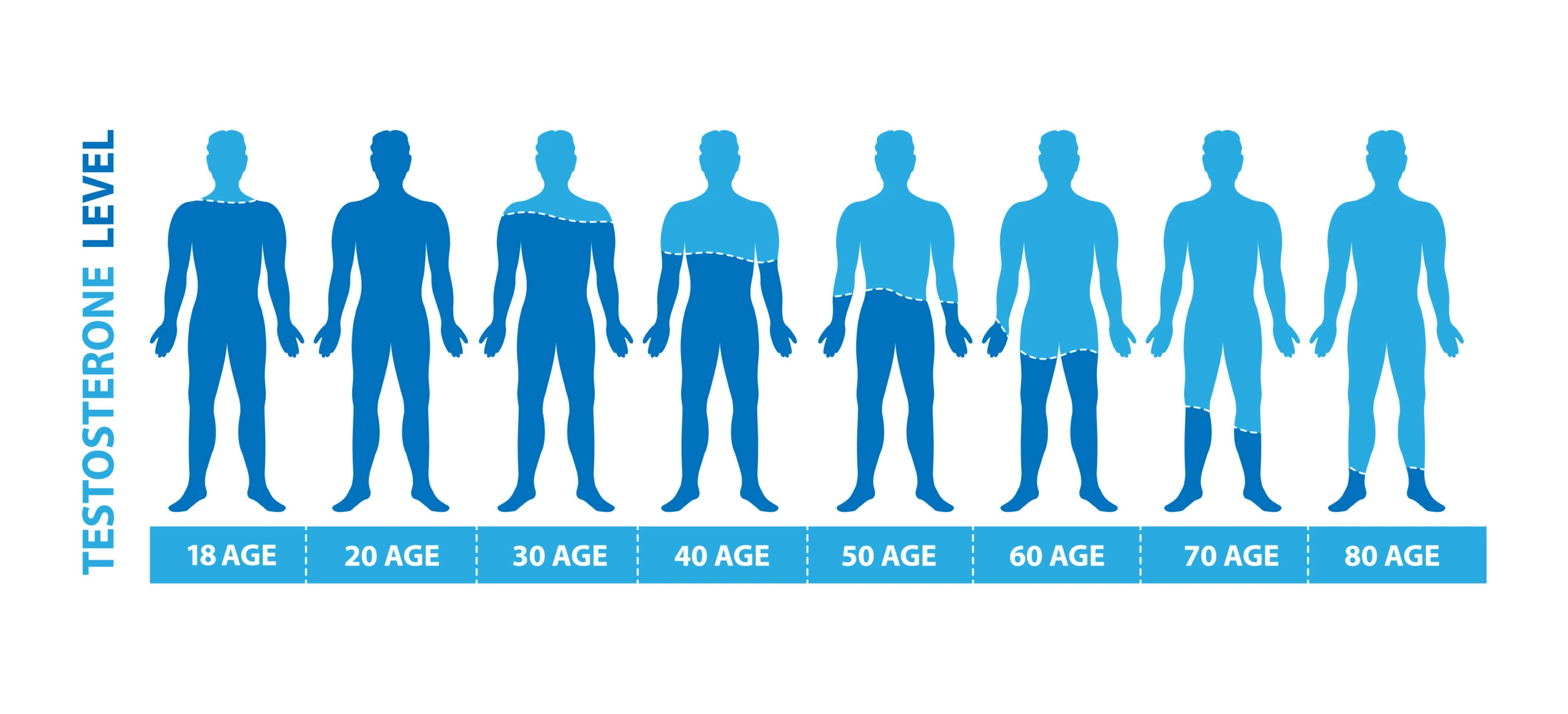
This is especially important after age 30, as typical testosterone levels decline by about 1-2% annually starting around that age. Once these levels fall below a certain threshold, negative effects on mental health, physical health, and sexual desire become noticeable.
Why Do Testosterone Levels Matter for Men?
Let’s clarify – healthy testosterone levels are essential for the following bodily functions:
- Development of the penis and testes
- Deepening of the voice during puberty
- Bone density and strength
- Growth of facial and pubic hair (begins at puberty)
- Muscle size and strength
- Sperm production
- Libido (sex drive)
Yes, this is important! For adult men with balanced testosterone, benefits include:
- Greater muscle mass
- Enhanced strength
- Reduction in excess body fat
- Better focus
- Enhanced mood
Conversely, low testosterone levels can lead to the opposite effects. As a result, many health programs aim to boost testosterone into healthy ranges. Researchers are constantly seeking innovative solutions to combat testosterone deficiency.
This interest was sparked by reports of men using red light therapy to address low testosterone. Naturally, further investigation was necessary.
What is Red Light Therapy, and How Does It Work?
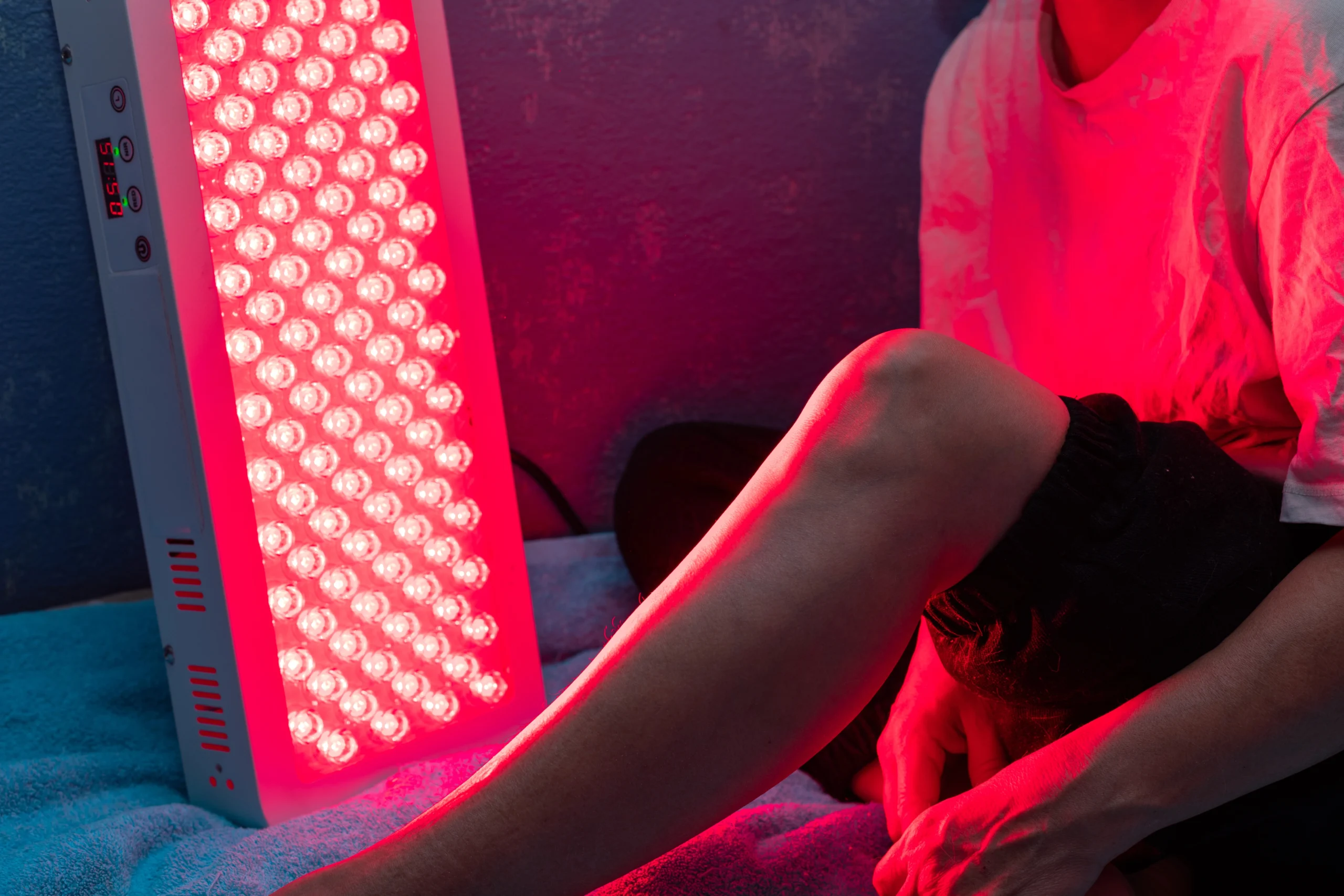
Here’s a brief overview: Red and near-infrared light therapy involves using specific light wavelengths to target skin, muscle tissue, and other body parts to stimulate cellular activity. Also called low-level laser therapy, photobiomodulation, or low-power laser therapy, it provides energy that cells actively require.
When skin is exposed to this light, the mitochondria—the energy-producing parts within cells—absorb it and produce more energy. Importantly, unlike UV light, red and near-infrared wavelengths do not cause burns or skin damage.
Additionally, this therapy can assist the body in managing oxidative stress—a condition caused by an imbalance between free radicals and antioxidants—and may also reduce cellular inflammation.
The good news is that red and near-infrared light devices are simple to use at home, without the need for complicated equipment.
Let’s explore the various applications and health benefits of red and near-infrared light therapy.
How Is Red Light Therapy Applied?
Most commonly, red light therapy is used for skin-related benefits, such as:
- Faster wound healing
- Minimizing stretch marks
- Reducing wrinkles, fine lines, and age spots
- Improving facial skin texture
- Alleviating psoriasis, rosacea, and eczema
- Healing scars
- Repairing sun-damaged skin
- Stimulating hair growth in androgenic alopecia
- Reducing acne and smoothing skin
- Boosting collagen production, which enhances skin structure, elasticity, and strength
- Stimulating fibroblast generation
- Enhancing blood flow to tissues
- Decreasing skin cell inflammation
That’s not all. Medical research also explores other uses, including:
- Reducing side effects from chemotherapy
- Relieving pain and swelling from conditions like tendonitis, carpal tunnel syndrome, arthritis, and knee osteoarthritis
- Preventing cold sores
- Potential benefits for dementia
- Decreasing dental pain
- Addressing hair loss
- Reducing anxiety
- Alleviating lower back pain
- Managing Seasonal Affective Disorder
The bottom line is that red light therapy can support many bodily functions when it is used properly.
The Pros and Cons of Light Exposure
Red light, whether natural or artificial, comes from various sources, including:
- Sunlight (generally beneficial)
- Most indoor or outdoor lighting (which may pose risks)
- Streetlights (potentially harmful)
Be cautious with exposure to these, as some contain UV or blue light wavelengths linked to adverse effects—particularly when viewed near your bedtime.
Excess heat from certain light sources can also negate potential benefits. Using the wrong type of light may reduce or cancel positive effects.
Caution with Blue & UV Light
Not all light is equal. Blue light, for instance, differs significantly from red light: While red light enhances cellular energy, blue light can have complex, sometimes harmful effects.
Overexposure to blue light, especially at short wavelengths, may induce oxidative stress, interfere with mitochondrial function, and disrupt ATP production and cell metabolism.
Although blue light can help fight acne-causing bacteria, excessive or prolonged exposure might cause cellular stress, potentially impacting conditions like diabetes and other metabolic issues.
The Impact of Sunlight on Testosterone Levels
Natural sunlight also influences testosterone. Scientific research indicates that proper sun exposure can be highly beneficial, including:
- Boosting Vitamin D synthesis
- Enhancing mood
- Fostering better energy metabolism
However, overexposure can cause skin burns and increase the risk of skin cancers, especially in sensitive areas like the testes with thin skin.
Testicle Sun Exposure and Testosterone
Research shows that sunlight can elevate testosterone. For example, a study found bright light exposure to the torso and testes increased sexual interest and boosted testosterone levels by 25% to 200%.
Natural light exposure on the skin and body enhances hormone production, improves cellular energy, reduces chronic inflammation, and promotes healthy blood flow—all vital for male fertility and testosterone health. This includes:
- Conversion of skin cholesterol into vitamin D3 sulfate
- Enhancement of oxidative metabolism
- Improvement in ATP synthesis
Despite these promising findings, more scientific research is needed to confirm the direct link between sunlight on the testicles and significant testosterone increases.
“Testicle Tanning” and Its Safety
“Testicle tanning” refers to exposing the testicles to sunlight to stimulate testosterone production. While some reports and limited studies suggest possible benefits, caution is crucial. Overexposure increases risks, such as skin damage or heat injury.
Unlike prolonged sun exposure, red or infrared light therapy uses short, controlled doses of LED light, reducing the risk of burns or cancer.
Scientific Evidence Supporting Red Light Devices
Red light therapy is backed by considerable scientific research.
One of the earliest studies was conducted by Hungarian researcher Endre Mester in the 1960s, illustrating its benefits.
Later, NASA experimented with red light for plant growth and pain management. The U.S. Navy SEALs also used red light to accelerate wound healing and muscle regeneration. Numerous studies since then confirm its health benefits.
Today, red light therapy is common in both clinical and home settings. It is primarily used for skin issues because other organs are protected by layers of bone, fat, or muscle, making direct light application challenging. However, in men’s health, one area remains accessible and important.
Applying Red Light Therapy to the Testicles

Male testicles are externally exposed and accessible, making them suitable for red light therapy to naturally boost testosterone levels. Since the testosterone-producing cells are outside the body cavity, they can be directly treated with red light, unlike internal organs.
Why Does Red Light Therapy on the Testicles Work?
The testes contain photoreceptive proteins called “opsins.” These respond to specific wavelengths of light, activating cellular processes that enhance function, including testosterone synthesis.
Red Light Therapy in Animal Studies
Initial research with animals demonstrated that red light therapy could increase testosterone in male rats . Additionally, studies with birds and small mammals show increased sexual activity after red light exposure.
Enhancing Male Fertility with Red Light Therapy
Current science recognizes red light therapy for its role in improving male fertility, mainly by improving sperm quality. High-quality sperm with good motility and viability boosts successful conception chances, and red light therapy shows promise in enhancing these parameters.
The Connection Between Light, Testosterone, and Sperm Development
Sperm originate in the testes, which need an environment rich in androgens, primarily testosterone, for optimal development. Red light stimulates the testes, increasing local testosterone production, which supports the formation of healthy sperm and higher sperm counts.
The Sperm Development Process
Sperm development, or spermatogenesis, occurs within the seminiferous tubules of the testes. It involves multiple stages of cell division and maturation, resulting in mature sperm capable of fertilization.
Supporting Sperm Health with Red Light Therapy
Red light enhances ATP generation, providing energy for sperm motility and overall fertility. Animal studies indicate increased sperm counts and motility, highlighting red light therapy’s potential for human fertility improvement.
Using Red Light Therapy for Male Infertility
This therapy offers a non-invasive, drug-free approach to addressing male infertility by improving sperm quantity and quality. It can mitigate the mitochondrial dysfunction caused by certain medications or lifestyle habits like alcohol or antidepressants, supporting better reproductive health.
Research also suggests red light supports sperm health post-ejaculation, which can improve success rates in procedures like IVF.
Implementing Red Light Therapy for Male Fertility
Red light therapy shows potential for boosting sperm count and motility, addressing common causes of infertility without pharmaceuticals. Its emerging clinical and home use applications offer hope for many men facing reproductive challenges.
Choosing a Safe Red Light Device to Naturally Elevate Testosterone
The testicles are positioned outside the body to maintain optimal temperature—around 95°F (35°C)—which is about two degrees below core body temperature. Excess heat can cause damage, so selecting the right device is vital.
Many types of bulbs or lamps, such as:
- Incandescent bulbs
- Heat lamps
- Infrared lamps above 1000nm
emit too much heat, making them unsafe for testicular use. Instead, opt for LEDs, which produce light without significant heat and are safer for this sensitive area.
Ideal wavelengths for therapy include red light from 630 to 660 nm and near-infrared (810-850 nm).
Applying Red Light Therapy to the Testicles
Sessions should last less than 30 minutes daily and be consistently performed over weeks or months, depending on individual response. Many people now use home devices successfully and find that 5-20 minute treatments are effective. Patience and consistency are key; noticeable results may take some time.
Long-Term Safety of Red Light Therapy
If used with appropriate devices, red light therapy is safe for ongoing use. Regular treatments can support cellular health and spermatogenesis. Ensuring sufficient light penetration into the tissues—especially beneath the skin—is essential for optimal effects on Leydig cells and the seminiferous tubules.
Additional Benefits: Targeting the Adrenal Glands
Besides the testes, red light can also be applied over the adrenal glands, located just above the kidneys. Since the adrenal glands produce small amounts of testosterone, stimulating them with red light on the lower back may further support hormone levels, though this is less direct than treatment of the testicles.
Using Red Light Therapy to Enhance Testosterone and Sexual Function
In summary, you now have essential insights into how red light therapy can be employed at home to support testosterone production and sexual health.
If you’re looking to boost your sex drive and testosterone naturally without medications, combining red light therapy with healthy lifestyle choices is a promising approach.
]]>This decline can lead to various physical and psychological changes that may affect a man’s quality of life. The concept of male menopause has gained attention in recent years as more men become aware of the potential effects of aging on their hormonal balance. While not all men experience significant symptoms or changes, those who do may find themselves facing challenges that can impact their relationships, self-esteem, and overall well-being.
Understanding male menopause is crucial for recognizing its symptoms and seeking appropriate interventions to maintain health and vitality as one ages.
Key Takeaways
- Male menopause, also known as andropause, is a natural decline in testosterone levels as men age.
- Symptoms of male menopause can include fatigue, depression, decreased libido, and erectile dysfunction.
- Causes of male menopause can include aging, stress, and unhealthy lifestyle habits.
- Prevention of male menopause can be achieved through a healthy diet, regular exercise, and stress management techniques.
- Hormone replacement therapy can be an option for treating male menopause, but lifestyle changes should be the first line of defense.

Symptoms of Male Menopause
The symptoms associated with male menopause can vary widely among individuals, making it a complex condition to diagnose. Commonly reported symptoms include fatigue, decreased libido, erectile dysfunction, and mood swings. Many men also experience changes in body composition, such as increased body fat and decreased muscle mass.
These physical changes can lead to feelings of frustration and inadequacy, particularly in a society that often equates masculinity with physical strength and virility. In addition to the physical symptoms, psychological effects can also manifest during this transitional phase. Men may experience increased irritability, anxiety, or even depression as they grapple with the changes occurring in their bodies.
Cognitive functions may also be affected, leading to difficulties with concentration and memory. The interplay between these physical and emotional symptoms can create a cycle of distress that further exacerbates the challenges associated with male menopause.
Causes of Male Menopause
The primary cause of male menopause is the natural decline in testosterone production that occurs with age. However, several other factors can contribute to this hormonal shift. Lifestyle choices such as poor diet, lack of exercise, excessive alcohol consumption, and smoking can all negatively impact testosterone levels.
Additionally, chronic health conditions such as obesity, diabetes, and hypertension can further exacerbate hormonal imbalances. Another significant factor is stress. Chronic stress can lead to elevated levels of cortisol, a hormone that can inhibit testosterone production.
This relationship between stress and hormonal balance highlights the importance of addressing mental health alongside physical health in the context of male menopause. Furthermore, certain medications and medical treatments can also influence testosterone levels, making it essential for men to be aware of how their overall health and lifestyle choices can affect their hormonal status.
Prevention of Male Menopause through Diet and Exercise
Diet plays a pivotal role in maintaining hormonal balance and preventing the onset of male menopause symptoms. A well-balanced diet rich in whole foods, including fruits, vegetables, lean proteins, and healthy fats, can support overall health and well-being. Specific nutrients have been shown to have a positive impact on testosterone levels; for instance, zinc and vitamin D are crucial for testosterone production.
Foods such as oysters, fatty fish, nuts, and seeds are excellent sources of these nutrients. Regular exercise is equally important in preventing male menopause. Engaging in both aerobic and strength training exercises can help maintain muscle mass, reduce body fat, and improve mood—all factors that contribute to healthy testosterone levels.
Studies have shown that men who engage in regular physical activity tend to have higher testosterone levels compared to sedentary individuals. Moreover, exercise has the added benefit of reducing stress levels, which can further support hormonal balance.
Importance of Stress Management in Preventing Male Menopause
Stress management is a critical component in preventing the symptoms associated with male menopause. Chronic stress not only affects mental health but also has a direct impact on hormonal balance. Elevated cortisol levels resulting from prolonged stress can inhibit testosterone production, leading to a cascade of negative effects on mood, energy levels, and sexual function.
Incorporating stress-reduction techniques into daily life can significantly improve overall well-being. Mindfulness practices such as meditation and yoga have been shown to lower cortisol levels and promote relaxation. Additionally, engaging in hobbies or activities that bring joy can serve as effective outlets for stress relief.
Building strong social connections and seeking support from friends or family can also provide emotional stability during challenging times.
Hormone Replacement Therapy for Male Menopause
For some men experiencing significant symptoms related to declining testosterone levels, hormone replacement therapy (HRT) may be a viable option. HRT involves administering testosterone through various methods such as injections, patches, or gels to restore hormone levels to a more youthful state. This treatment can alleviate many symptoms associated with male menopause, including low libido, fatigue, and mood disturbances.
However, HRT is not without its risks and potential side effects. Men considering this treatment should engage in thorough discussions with their healthcare providers to weigh the benefits against the risks. Monitoring is essential during HRT to ensure that testosterone levels remain within a safe range and to assess any adverse effects that may arise during treatment.
It is crucial for men to approach HRT with caution and under professional guidance.
Lifestyle Changes to Prevent Male Menopause
Making proactive lifestyle changes can significantly mitigate the effects of male menopause and promote overall health as men age. In addition to maintaining a balanced diet and regular exercise routine, prioritizing sleep is essential for hormonal balance. Poor sleep quality has been linked to lower testosterone levels; therefore, establishing healthy sleep habits—such as maintaining a consistent sleep schedule and creating a restful sleep environment—can be beneficial.
Moreover, avoiding harmful substances such as tobacco and excessive alcohol is vital for maintaining hormonal health. Smoking has been shown to negatively impact testosterone levels, while excessive alcohol consumption can lead to liver damage and hormonal imbalances. By adopting healthier habits and eliminating detrimental behaviors, men can take control of their health and reduce the likelihood of experiencing severe symptoms associated with male menopause.
Seeking Professional Help for Male Menopause
Recognizing the signs of male menopause and seeking professional help is crucial for managing its effects effectively. Many men may feel hesitant to discuss their symptoms due to societal stigma surrounding masculinity and aging; however, it is essential to understand that seeking help is a sign of strength rather than weakness. Healthcare providers can offer valuable insights into managing symptoms through lifestyle modifications or medical interventions.
Men experiencing significant distress related to their symptoms should not hesitate to consult with specialists such as endocrinologists or urologists who have expertise in hormonal health. These professionals can conduct comprehensive evaluations to determine hormone levels and recommend appropriate treatment options tailored to individual needs. Additionally, mental health professionals can provide support for emotional challenges associated with male menopause, helping men navigate this transitional phase with greater resilience and understanding.
In conclusion, male menopause is a multifaceted condition that requires awareness and proactive management. By understanding its symptoms, causes, and potential interventions—ranging from lifestyle changes to professional help—men can navigate this natural phase of life with confidence and maintain their overall well-being as they age.
In the discussion of male menopause and its prevention, it’s essential to consider the broader context of how modern advancements are influencing our lives. An interesting perspective can be found in the article How Technology is Redefining Our Culture and Social Interactions. This article explores the profound impact of technology on our daily lives, which can indirectly affect health and well-being, including issues related to male menopause. By understanding these technological influences, individuals can better navigate the challenges of aging and implement strategies to maintain their health and vitality.
]]>Additionally, Y chromosome microdeletions, which involve the loss of specific genes crucial for sperm development, have been linked to oligospermia (low sperm count) and azoospermia (absence of sperm). Genetic testing can help identify these abnormalities, allowing for targeted interventions. Moreover, single nucleotide polymorphisms (SNPs) have been associated with various aspects of male fertility.
For instance, variations in genes related to hormone regulation, such as the androgen receptor gene, can affect how effectively testosterone functions in the body. This can lead to issues with libido and sperm production. Furthermore, epigenetic factors—changes in gene expression that do not involve alterations to the DNA sequence—can also influence fertility.
Environmental exposures and lifestyle choices can induce epigenetic changes that may be passed down to future generations, potentially affecting their reproductive health as well.
Key Takeaways
- Genetic factors play a significant role in male infertility, with conditions such as Klinefelter syndrome and Y chromosome microdeletions affecting sperm production.
- Hormonal imbalance, particularly low levels of testosterone and high levels of prolactin, can contribute to male infertility by affecting sperm production and quality.
- Varicocele, a condition characterized by enlarged veins in the scrotum, can lead to decreased sperm production and quality, impacting male fertility.
- Infections such as sexually transmitted infections and urinary tract infections can cause inflammation and damage to the reproductive system, leading to male infertility.
- Environmental factors such as exposure to toxins, radiation, and heavy metals can negatively impact sperm production and quality, contributing to male infertility.
- Unhealthy lifestyle choices such as smoking, excessive alcohol consumption, and drug use can impair sperm production and function, leading to male infertility.
- Medical treatments such as chemotherapy, radiation therapy, and certain medications can have adverse effects on sperm production and quality, contributing to male infertility.
- Age can also play a role in male infertility, as sperm quality and quantity tend to decline with age, making it more difficult to conceive.
Hormonal Imbalance
Hormonal balance is crucial for maintaining male reproductive health, as hormones regulate the production of sperm and the functioning of the male reproductive system. Testosterone, the primary male sex hormone, is essential for spermatogenesis—the process of sperm production. An imbalance in testosterone levels can lead to various fertility issues.
Hypogonadism, characterized by low testosterone levels, can result in decreased libido, erectile dysfunction, and reduced sperm production. Conversely, elevated levels of estrogen or other hormones can disrupt the delicate balance necessary for optimal reproductive function. The hypothalamic-pituitary-gonadal (HPG) axis plays a significant role in regulating hormone levels.
Any disruption in this axis can lead to hormonal imbalances that affect fertility. For example, conditions such as hyperprolactinemia—an excess of prolactin hormone—can inhibit testosterone production and impair sperm development. Additionally, stress and obesity can influence hormone levels by affecting the HPG axis.
Chronic stress can lead to elevated cortisol levels, which may suppress testosterone production and negatively impact fertility. Addressing hormonal imbalances through lifestyle changes or medical interventions is often a critical step in improving male fertility.
Varicocele
Varicocele is a condition characterized by the enlargement of veins within the scrotum, similar to varicose veins that occur in the legs. It is one of the most common causes of male infertility, affecting approximately 15% of the male population and up to 40% of men with infertility issues. The presence of a varicocele can lead to increased scrotal temperature and impaired blood flow, which may negatively impact sperm production and quality.
The elevated temperature can disrupt spermatogenesis, leading to lower sperm counts and motility. Diagnosis of varicocele typically involves a physical examination and may be confirmed through ultrasound imaging. Treatment options vary depending on the severity of the condition and its impact on fertility.
Surgical intervention, such as varicocelectomy, aims to remove or ligate the affected veins to restore normal blood flow and reduce scrotal temperature. Studies have shown that surgical correction of varicocele can improve sperm parameters and increase the chances of conception, either naturally or through assisted reproductive technologies like in vitro fertilization (IVF).
Infections
Infections can significantly impact male fertility by affecting the reproductive organs and disrupting normal sperm production. Conditions such as epididymitis and orchitis—often caused by sexually transmitted infections (STIs) like chlamydia or gonorrhea—can lead to inflammation and scarring of the reproductive tract. This inflammation can obstruct the passage of sperm, resulting in reduced fertility.
Additionally, infections can alter the seminal fluid’s composition, affecting sperm motility and viability. Chronic infections may also lead to systemic effects that impair fertility. For instance, systemic inflammatory responses can disrupt hormonal balance and negatively impact spermatogenesis.
Furthermore, certain viral infections, such as mumps, can lead to orchitis and subsequent testicular damage, resulting in long-term fertility issues. Early diagnosis and treatment of infections are crucial for preserving male fertility. Antibiotics or antiviral medications may be necessary to treat bacterial or viral infections effectively.
Environmental Factors
Environmental factors encompass a wide range of influences that can adversely affect male fertility. Exposure to environmental toxins such as heavy metals (lead, cadmium), pesticides, and industrial chemicals has been linked to decreased sperm quality and quantity. For example, studies have shown that men exposed to high levels of lead may experience lower testosterone levels and reduced sperm motility.
Similarly, phthalates—chemicals found in many plastics—have been associated with hormonal disruptions that can impair reproductive function. Moreover, lifestyle factors such as exposure to heat can also impact male fertility. Prolonged exposure to high temperatures—such as frequent use of saunas or hot tubs—can elevate scrotal temperature and negatively affect spermatogenesis.
Occupational hazards are another consideration; men working in industries with high exposure to chemicals or radiation may face increased risks of infertility. Awareness of these environmental factors is essential for men seeking to optimize their reproductive health.
Lifestyle Choices
Lifestyle choices play a significant role in male fertility and overall reproductive health. Factors such as diet, exercise, smoking, alcohol consumption, and substance abuse can all influence sperm quality and quantity. A diet rich in antioxidants—found in fruits and vegetables—can help combat oxidative stress that negatively affects sperm function.
Nutrients such as zinc and folate are particularly important for maintaining healthy sperm production. Physical activity is another critical component of a healthy lifestyle that supports male fertility. Regular exercise helps maintain a healthy weight and reduces the risk of obesity-related hormonal imbalances that can impair fertility.
Conversely, sedentary behavior has been linked to lower testosterone levels and poorer sperm quality. Smoking has been shown to have detrimental effects on sperm parameters; it increases oxidative stress and DNA fragmentation in sperm cells. Similarly, excessive alcohol consumption can disrupt hormonal balance and negatively impact spermatogenesis.
Medical Treatments
Medical treatments for male infertility vary depending on the underlying cause but often include hormonal therapies, surgical interventions, or assisted reproductive technologies (ART). Hormonal treatments may be prescribed for men with hormonal imbalances affecting sperm production. For instance, testosterone replacement therapy may be indicated for men with hypogonadism; however, it is essential to monitor hormone levels closely since exogenous testosterone can suppress natural production.
Surgical options are available for conditions such as varicocele or obstructive azoospermia (blockages in the reproductive tract). Procedures like varicocelectomy or vasectomy reversal aim to restore normal function and improve fertility outcomes. In cases where natural conception is not possible due to severe male factor infertility, ART methods such as intrauterine insemination (IUI) or in vitro fertilization (IVF) may be recommended.
These techniques allow for direct manipulation of sperm and eggs to facilitate conception.
Age
Age is a significant factor influencing male fertility, with evidence suggesting that male reproductive health declines with advancing age. While women experience a more pronounced decline in fertility after a certain age due to decreased ovarian reserve, men also face challenges related to aging. Sperm quality tends to deteriorate over time; studies indicate that older men may have lower sperm motility and higher rates of DNA fragmentation compared to younger counterparts.
Additionally, advanced paternal age has been associated with an increased risk of genetic abnormalities in offspring. Conditions such as autism spectrum disorders and schizophrenia have been linked to older paternal age at conception. The decline in testosterone levels associated with aging can also contribute to reduced libido and erectile dysfunction, further complicating efforts to conceive.
As societal norms shift towards later parenthood, understanding the implications of age on male fertility becomes increasingly important for prospective fathers seeking to start families later in life.
In exploring the topic of male infertility, it’s essential to consider the broader context of men’s health and well-being. An interesting related article is Maximize Happiness by Balancing Work, Family, and Personal Time, which discusses the importance of achieving a balanced lifestyle. This balance can significantly impact overall health, including reproductive health. By managing stress and ensuring adequate personal time, men can potentially improve their fertility outcomes, highlighting the interconnectedness of lifestyle choices and physical health.
]]>The balance of sex hormones is crucial for maintaining reproductive health, regulating menstrual cycles in women, and supporting libido and fertility in both genders. An imbalance can lead to a range of health issues, such as polycystic ovary syndrome (PCOS) in women or low testosterone levels in men, which can affect everything from energy levels to mood stability. Understanding the intricate relationship between sex hormones and lifestyle choices is essential for optimizing health and well-being.
Key Takeaways
- Sex hormones play a crucial role in regulating various bodily functions and can be influenced by diet, exercise, stress, sleep, alcohol and drug use, and environmental factors.
- A balanced diet rich in nutrients like omega-3 fatty acids, vitamins, and minerals can support healthy sex hormone levels.
- Regular physical activity and exercise can help regulate sex hormones and improve overall hormonal balance.
- Stress management techniques such as meditation, yoga, and deep breathing can help reduce cortisol levels and support healthy sex hormone production.
- Prioritizing quality sleep and rest is essential for maintaining optimal sex hormone levels and overall well-being.
Diet and Nutrition
Diet and nutrition are fundamental components that can significantly influence sex hormone levels. The foods we consume provide the building blocks for hormone production and can either support or hinder hormonal balance. For instance, diets rich in healthy fats—such as omega-3 fatty acids found in fish, nuts, and seeds—are known to promote optimal hormone production.
These fats are essential for the synthesis of steroid hormones, including estrogen and testosterone. Conversely, diets high in processed sugars and unhealthy fats can lead to hormonal imbalances, contributing to conditions like insulin resistance, which is often linked to disrupted sex hormone levels. Moreover, specific nutrients play critical roles in hormone regulation.
For example, zinc is vital for testosterone production; men with low zinc levels often experience reduced testosterone levels. Similarly, vitamin D has been shown to influence estrogen levels in women. A deficiency in this vitamin can lead to irregular menstrual cycles and other hormonal issues.
Incorporating a variety of whole foods—fruits, vegetables, lean proteins, and whole grains—can help ensure that the body receives the necessary nutrients to maintain hormonal balance.
Exercise and Physical Activity

Regular physical activity is another key factor that can profoundly affect sex hormone levels. Exercise has been shown to increase testosterone levels in men and improve estrogen metabolism in women. Engaging in resistance training or high-intensity interval training (HIIT) can lead to acute increases in testosterone levels, which may contribute to muscle growth and improved physical performance.
Additionally, regular exercise helps reduce body fat percentage, which is crucial since excess body fat can lead to increased estrogen levels due to the conversion of testosterone into estrogen in adipose tissue. Furthermore, exercise is not only beneficial for hormone production but also plays a significant role in stress reduction. Physical activity stimulates the release of endorphins, often referred to as “feel-good” hormones, which can help mitigate the effects of stress on the body.
Chronic stress is known to elevate cortisol levels, which can negatively impact sex hormone balance. By incorporating regular exercise into one’s routine—whether through aerobic activities like running or cycling or strength training—individuals can support their hormonal health while also enhancing their overall physical fitness.
Stress Management
The impact of stress on sex hormones cannot be overstated. Chronic stress leads to elevated levels of cortisol, a hormone produced by the adrenal glands in response to stressors. Prolonged high cortisol levels can disrupt the delicate balance of sex hormones, leading to issues such as decreased libido, irregular menstrual cycles, and even infertility.
The relationship between stress and hormonal health highlights the importance of effective stress management techniques. Mindfulness practices such as meditation, yoga, and deep-breathing exercises have been shown to lower cortisol levels and promote relaxation. These techniques not only help individuals cope with daily stressors but also create a more favorable environment for hormonal balance.
Additionally, engaging in hobbies or activities that bring joy can serve as a natural antidote to stress. Whether it’s painting, gardening, or spending time with loved ones, finding time for enjoyable activities can significantly improve mental well-being and support healthy hormone levels.
Sleep and Rest
Sleep is a critical yet often overlooked factor that significantly influences sex hormone levels. Quality sleep is essential for the regulation of various hormones, including testosterone and estrogen. Research indicates that inadequate sleep can lead to decreased testosterone production in men and disrupted menstrual cycles in women.
The body undergoes various restorative processes during sleep that are vital for hormonal balance; thus, chronic sleep deprivation can have far-reaching effects on overall health. Establishing a consistent sleep routine is crucial for optimizing hormonal health. This includes creating a conducive sleep environment—dark, quiet, and cool—and adhering to a regular sleep schedule by going to bed and waking up at the same time each day.
Limiting exposure to screens before bedtime can also enhance sleep quality by reducing blue light exposure that interferes with melatonin production. Prioritizing sleep not only supports hormonal balance but also contributes to improved mood, cognitive function, and overall well-being.
Alcohol and Drug Use
The consumption of alcohol and recreational drugs can have profound effects on sex hormone levels and overall hormonal health. Alcohol consumption has been linked to alterations in testosterone levels; excessive drinking can lead to decreased testosterone production in men while increasing estrogen levels in women. This imbalance can result in various health issues, including reduced libido and fertility problems.
Moreover, alcohol can disrupt sleep patterns and exacerbate stress levels, further compounding its negative effects on hormonal health. Recreational drugs also pose risks to hormonal balance. For instance, anabolic steroids—synthetic derivatives of testosterone—can lead to significant hormonal disruptions when misused for muscle building or athletic performance enhancement.
The body may respond by reducing its natural testosterone production due to feedback mechanisms that regulate hormone levels. Additionally, substances like marijuana have been shown to affect testosterone levels variably; while some studies suggest it may lower testosterone production, others indicate it could have no significant effect or even increase levels temporarily.
Environmental Factors
Environmental factors play an increasingly recognized role in influencing sex hormone levels through exposure to endocrine-disrupting chemicals (EDCs). These substances can interfere with hormone signaling pathways and mimic or block the action of natural hormones in the body. Common sources of EDCs include plastics (such as bisphenol A or BPA), pesticides, and personal care products containing parabens or phthalates.
Prolonged exposure to these chemicals has been linked to various reproductive health issues, including infertility and hormonal imbalances. To mitigate exposure to EDCs, individuals can take proactive steps such as choosing organic produce when possible to reduce pesticide exposure and opting for glass or stainless steel containers instead of plastic for food storage. Additionally, being mindful of personal care products by selecting those free from harmful chemicals can further reduce the risk of disrupting hormonal health.
Awareness of environmental factors is essential for maintaining optimal hormone balance and overall health.
Conclusion and Recommendations
In summary, maintaining balanced sex hormones is crucial for overall health and well-being. A multifaceted approach that includes attention to diet and nutrition, regular exercise, effective stress management techniques, quality sleep, mindful consumption of alcohol and drugs, and awareness of environmental factors is essential for optimizing hormonal health. By making informed lifestyle choices and prioritizing these aspects of daily life, individuals can support their hormonal balance effectively.
For those experiencing symptoms related to hormonal imbalances—such as fatigue, mood swings, or changes in libido—consulting with healthcare professionals is advisable for personalized guidance and potential interventions. Emphasizing a holistic approach that encompasses various lifestyle factors will not only enhance hormonal health but also contribute to improved quality of life overall.
]]>