Erectile dysfunction (ED), the ongoing difficulty in achieving or maintaining an erection suitable for sex, is a common issue that tends to increase with age. While factors like psychological stress, hormonal imbalances, and nerve problems can contribute, high cholesterol is a significant, often overlooked cause. Its impact on erectile function is complex, mainly affecting the blood vessels.
Blockages in Arteries and Impaired Blood Flow
Sound erections depend on healthy blood flow to the penis. During arousal, the corpora cavernosa fill with blood as the penile arteries relax, allowing circulation. High cholesterol causes plaque buildup—fatty deposits—in artery walls. This condition, known as atherosclerosis, narrows arteries and hampers the smooth flow of blood.

Atherosclerosis and the Penile Blood Supply
The arteries feeding the penis are affected by atherosclerosis, too. As cholesterol deposits form, the inner lining becomes uneven and constricted. This limits blood flow volume and slows its delivery, meaning even with stimulation, the corpora cavernosa may not receive enough blood to produce or sustain an erection.
Nitric Oxide and Its Role in Erections
Erectile function relies heavily on nitric oxide (NO), which widens blood vessels—vasodilation. NO is made by cells lining the blood vessels, including those in the penis. When released, it relaxes smooth muscles, boosting blood flow. High cholesterol severely hampers NO production and availability.
Endothelial Damage
The endothelium, the vessel lining, becomes dysfunctional due to high cholesterol. Oxidative stress—primarily from LDL (“bad”) cholesterol—damages these cells, reducing NO synthesis. Additionally, plaques can physically block NO release and promote harmful molecules that counteract its effects. This combination results in decreased vasodilation, impairing erections.
The Cycle of Inflammation
Elevated cholesterol triggers chronic inflammation inside arterial walls. This damages the endothelium further, accelerates plaque buildup, and makes arteries stiffer. The resulting hostile environment diminishes overall vascular health, including the capacity to produce and maintain erections.
Oxidative Stress and Penile Tissue Damage
Besides causing arterial narrowing, high cholesterol increases oxidative stress throughout the body, including within penile tissues. This imbalance between free radicals—unstable molecules that damage cells—and the body’s defenses leads to tissue damage.
LDL and Radical Formation
Particularly, LDL or “bad” cholesterol, is involved in oxidative stress. When oxidized, it is more likely to be taken up by immune cells, forming foam cells that drive inflammation and plaque growth. Oxidized LDL also harms cells in blood vessel walls, including smooth muscle and endothelium cells.
Damage to Penile Smooth Muscle and Nerves
The ongoing inflammation and oxidative stress can directly hurt smooth muscle cells in the corpora cavernosa, reducing their response to NO. Small nerves vital for signaling sexual arousal may also be damaged, adding to erectile difficulties.
Cholesterol and Sexual Desire: Hormonal and Libido Effects
While its effect on erections is well-known, it also influences key aspects of sexual desire and hormonal balance that govern libido.
Cholesterol and Testosterone Production
Testosterone is critical for libido, mood, and energy, all vital for a healthy sex life. Cholesterol is an essential precursor for testosterone synthesis within the testes’ Leydig cells. A healthy cholesterol level supports optimal testosterone production.
Steroid Hormone Synthesis from Cholesterol
All steroid hormones, including testosterone, estrogen, and cortisol, originate from cholesterol. The molecule converts to pregnenolone through enzymatic steps, serving as the foundation for hormone creation. Imbalanced cholesterol levels can disrupt this process, affecting hormone levels.
Ideal balance for Hormone Production
While high cholesterol damages blood vessels, very low levels can limit the raw materials for testosterone. Nonetheless, the main concern regarding sexual health is how elevated cholesterol often coincides with hormonal disturbances.
High Cholesterol’s Effect on Testosterone
Interestingly, conditions leading to high cholesterol—such as obesity, insulin resistance, and chronic inflammation—are often linked to lower testosterone levels. These issues impair the Leydig cells’ ability to produce testosterone, even when cholesterol is abundant. Inflammation can also interfere with hormonal signaling pathways.
Impact on Other Sex Hormones
Cholesterol’s influence extends beyond testosterone. It can indirectly affect hormones like cortisol, elevated during inflammation, which can dampen libido and cause fatigue.
Thyroid Hormones and Sexual Function
Although not synthesized from cholesterol, thyroid hormones regulate metabolism and energy, both crucial for sexual performance. Metabolic syndrome, associated with high cholesterol, can impair thyroid function, leading to decreased libido and sexual performance issues.
Hormonal and Vascular Interactions
Hormonal balance and vascular health are interconnected. Testosterone influences blood vessels, while poor vascular health from high lipids can reduce hormone effectiveness, creating a vicious cycle.
Early Signs: When it Starts Affecting Sexual Life
High cholesterol often has no symptoms, with many unaware until serious cardiovascular issues arise. However, early signs may appear in sexual health. Persistent erectile problems or lowered libido, especially alongside other heart disease risk factors, should prompt medical evaluation.

Noticeable Changes in Erection Quality
Men concerned might observe erections becoming less firm or fading faster during sex. These subtle changes can initially be mistaken for fatigue or stress.
Morning Erections as Indicators
Having morning erections usually reflects good vascular health. A decrease or absence might suggest blood flow issues, potentially caused by high cholesterol.
Difficulty Maintaining Erections
Some men can initiate an erection but struggle to keep it, or experience difficulty with penetration. Such new problems merit medical attention.
Reduced Libido and Sexual Interest
A consistent decline in sexual desire or lack of interest can be linked to hormonal imbalances or the physical and mental effects of chronic conditions like high cholesterol.
Fatigue and Reduced Energy
High lipids, particularly with metabolic syndrome, can cause fatigue and low energy, reducing sexual motivation and desire.
Emotional Effects and Mood
Chronic health issues, such as high cholesterol, can negatively influence mental health. Anxiety, depression, and low mood can further diminish libido and enjoyment of intimacy.
Managing Cholesterol: Protecting Your Heart and Sexual Health
Recognizing the link between cholesterol and sexual wellness encourages men to actively control lipid levels. Efforts to lower lipids often improve erectile function and libido.
Lifestyle Changes as the Main Strategy
Healthier habits form the foundation of managing cholesterol and improving sexual health. These adjustments not only lower lipids but enhance overall quality of life.
Diet for Heart and Sexual Wellness
A heart-friendly diet involves reducing saturated and trans fats from sources like red meats, full-fat dairy, and processed foods. Focus on healthy fats from olive oil, avocados, nuts, and seeds. Increasing soluble fiber from oats, beans, fruits, and vegetables can lower LDL levels.
Benefits of Plant-Based Foods
Consuming more fruits, vegetables, whole grains, and legumes provides nutrients and fiber that help lower cholesterol and fight inflammation. Rich in antioxidants, these foods help combat oxidative stress.
Cutting Back on Processed Foods and Sugar
Limiting processed foods and sugars reduces inflammation and improves lipid profiles, offering significant benefits for vascular and sexual health.

Physical Activity’s Role in Heart and Sexual Function
Engaging in regular aerobic activity—aiming for at least 150 minutes of moderate or 75 minutes of vigorous exercise weekly—boosts cardiovascular health. Exercise reduces LDL, increases HDL (“good” cholesterol), and improves blood flow.
Enhancing Blood Flow and NO Production
Regular activity promotes healthy endothelium, aiding nitric oxide production, leading to better vasodilation and improved erections.
Weight Loss and Sexual Well-being
Maintaining a healthy weight benefits cholesterol and hormone levels. Shedding excess weight improves insulin sensitivity, reduces inflammation, and can raise testosterone levels.
Ceasing Smoking for Better Blood Vessels
Smoking significantly damages blood vessels, hampers blood flow, and accelerates atherosclerosis. Quitting smoking is one of the most effective steps to enhance both heart and sexual health, as nicotine constricts vessels and worsens vessel damage.
Medical Solutions When Lifestyle Changes Aren’t Enough
When lifestyle adjustments don’t achieve desired cholesterol levels, medications supervised by healthcare providers become necessary. These can markedly improve lipid profiles and thus benefit sexual function.

Statins and Erectile Function
Statins, the most prescribed cholesterol-lowering drugs, reduce LDL by blocking liver enzyme activity. Many studies indicate statins can improve erections by decreasing inflammation and improving endothelial health, including nitric oxide availability.
How Statins Work
By lowering LDL and reducing plaque buildup, statins enhance blood flow, directly supporting stronger and more reliable erections.
Side Effects and Sexual Health
While generally safe, statins can cause muscle pain or weakness in some men. Rarely, sexual side effects are reported, but their benefits often outweigh these concerns. Discussing symptoms with a doctor is essential.
Other Medications
Alternative drugs like PCSK9 inhibitors, ezetimibe, and fibrates help manage cholesterol, either alone or combined with statins. Their purpose is to lower cardiovascular risk and promote healthier blood vessels, which benefits sexual performance.
Regular Check-ups for Long-term Management
Consistent medical visits are vital for tracking cholesterol, assessing cardiovascular risks, and catching issues early. A proactive approach ensures tailored interventions for heart and sexual health.
Testing and Monitoring
Routine lipid screening, starting in adulthood, detects high lipids early, allowing for intervention before significant artery damage occurs.
Open Dialogue with Healthcare Providers
Discuss honestly any sexual health concerns or changes with your doctor. Their input helps craft the best overall plan, considering both cholesterol levels and sexual function.
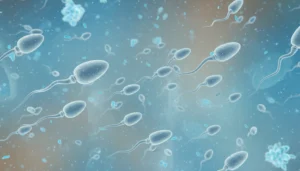
]]>A man’s diet is not merely about staying fit or staving off disease; it directly influences the quality and quantity of his sperm. The nutrients, or lack thereof, within his daily food intake can either support robust spermatogenesis (sperm production) or hinder it.
Nutritional Deficiencies and Sperm Health
A diet lacking in essential vitamins and minerals can have detrimental effects on sperm. Men who consume a diet high in processed foods, unhealthy fats, and refined sugars often exhibit lower sperm counts and reduced sperm motility.
Antioxidants: Guardians of Sperm
Antioxidants like vitamins C and E, selenium, zinc, and coenzyme Q10 are vital for protecting sperm from oxidative stress. Oxidative stress occurs when there’s an imbalance between free radicals and antioxidants in the body, leading to cellular damage. Sperm cells are particularly vulnerable to oxidative stress due to their high content of polyunsaturated fatty acids.
Vitamin C: Enhancing Sperm Motility
Research indicates that vitamin C can improve sperm motility and morphology. It also helps to prevent sperm agglutination, where sperm stick together, hindering their ability to reach and fertilize an egg.
Zinc: A Key Mineral for Testosterone and Sperm Production
Zinc is indispensable for male reproductive health. It plays a crucial role in testosterone metabolism, sperm production, and sperm motility. Deficiency in zinc has been linked to low testosterone levels, decreased sperm count, and impaired sperm function.
Selenium: Protecting Against Damage
Selenium is another powerful antioxidant that protects sperm from oxidative damage. Studies have shown that men with higher selenium intake tend to have better sperm quality and motility.
Folate: Preventing Chromosomal Abnormalities
Folate, a B vitamin, is crucial for DNA synthesis and repair. Adequate folate levels in men have been associated with a lower risk of chromosomal abnormalities in sperm, which can lead to miscarriages or birth defects.
Unhealthy Eating Habits and Their Consequences
Beyond specific deficiencies, general unhealthy eating habits can also contribute to infertility.

High Fat and Sugar Intake
Diets rich in saturated and trans fats, alongside high sugar consumption, can lead to obesity and insulin resistance, both of which are linked to impaired sperm quality. These diets can also cause inflammation, further damaging sperm DNA.
Processed Foods and Additives
Processed foods often contain synthetic additives, preservatives, and artificial sweeteners, which may have endocrine-disrupting effects. While research is ongoing, some studies suggest that these compounds could negatively impact hormone balance and sperm production.
The Role of Lifestyle Choices in Fertility Decline
Beyond diet, various other lifestyle choices can significantly influence a man’s reproductive capabilities. These choices often involve daily habits that, when accumulated over time, can have substantial repercussions.

Smoking and Alcohol Consumption
Both smoking and excessive alcohol consumption are well-established risk factors for male infertility.
Tobacco’s Toxic Impact
Smoking introduces numerous toxic chemicals into the body, many of which directly damage sperm.
Reduced Sperm Count and Motility
Smokers typically exhibit lower sperm concentrations, reduced sperm motility, and an increased percentage of abnormally shaped sperm. The nicotine and other toxins in cigarettes can also impair the Leydig cells, which are responsible for producing testosterone.
DNA Fragmentation
Perhaps most concerning is the increase in sperm DNA fragmentation seen in smokers. Damaged DNA in sperm can lead to difficulties in conception, recurrent miscarriages, and an increased risk of health problems in offspring.
Alcohol’s Detrimental Effects
While moderate alcohol consumption may have minimal impact, excessive drinking can severely compromise male fertility.
Hormonal Imbalance
Alcohol can disrupt the delicate hormonal balance required for sperm production. It can lower testosterone levels and increase estrogen levels, negatively affecting spermatogenesis.
Liver Damage and Nutrient Absorption
Chronic alcohol abuse can lead to liver damage, which impairs the liver’s ability to metabolize hormones and nutrients essential for reproductive health. It can also interfere with the absorption of crucial vitamins and minerals like zinc, selenium, and folate.
Direct Sperm Damage
Ethanol, the alcohol in alcoholic beverages, and its metabolites are directly toxic to sperm cells, leading to decreased sperm count, motility, and increased morphological abnormalities.
illicit Drug Use
The use of illicit drugs has profound negative effects on various bodily systems, including the reproductive system.
Marijuana
Regular use of marijuana has been linked to reduced sperm concentration, motility, and abnormal sperm morphology. THC, the active compound in marijuana, can also affect hormone levels, including testosterone.
Cocaine and Opioids
Cocaine can cause vasoconstriction, reducing blood flow to the testes, which can impair sperm production. Opioids, both illicit and prescription, can significantly lower testosterone levels, leading to reduced libido and impaired spermatogenesis.
Environmental Factors and Occupational Exposures
A man’s environment, including his workplace, can expose him to certain substances and conditions that are detrimental to his sperm health.
Exposure to Toxins and Chemicals
Modern living often involves exposure to a myriad of chemicals, some of which are recognized endocrine disruptors.
Pesticides and Herbicides
Men working in agriculture or living in areas with high pesticide use may experience reduced sperm quality. Many pesticides are endocrine disruptors, mimicking or interfering with hormones, thereby impacting sperm production and function.
Heavy Metals
Exposure to heavy metals such as lead, cadmium, and mercury, often found in industrial settings or contaminated environments, can negatively affect sperm parameters, including count, motility, and morphology. These metals can also induce oxidative stress.
Phthalates and Bisphenol A (BPA)
These chemicals are ubiquitous in plastics, personal care products, and food packaging. They are known endocrine disruptors that can interfere with male reproductive hormones, potentially leading to lower sperm quality. Reducing exposure to these chemicals by choosing BPA-free products and avoiding heating food in plastic containers can be beneficial.
Heat Exposure
Sperm production is optimally designed to occur at a temperature slightly below core body temperature.
Testicular Overheating
Frequent or prolonged exposure to high temperatures can impair spermatogenesis.
Hot Tubs and Saunas
Regular use of hot tubs and saunas can temporarily increase testicular temperature, leading to reduced sperm production and motility. While the effects are often reversible upon cessation, chronic exposure can have lasting impacts.
Tight Underwear and Laptop Use
While the evidence is less conclusive than for hot tubs, some studies suggest that tight-fitting underwear or prolonged laptop use directly on the lap could potentially raise scrotal temperature enough to affect sperm quality, although the impact is likely minor compared to other factors.
Occupational Heat Exposure
Men working in occupations exposed to high heat, such as foundry workers or bakers, may also experience compromised sperm health due due to elevated testicular temperatures.
Psychological Stress and Mental Health
The mind-body connection is powerful, and chronic psychological stress can significantly impact a man’s reproductive system.

Stress Hormones and Reproduction
When under stress, the body releases hormones like cortisol, which can interfere with the production of gonadotropin-releasing hormone (GnRH). GnRH is essential for stimulating the pituitary gland to produce luteinizing hormone (LH) and follicle-stimulating hormone (FSH), which in turn regulate testosterone production and spermatogenesis.
Reduced Libido and Sexual Dysfunction
Chronic stress can lead to decreased libido and erectile dysfunction, directly impacting a man’s ability to conceive. The pressure of infertility itself can create a vicious cycle of stress, further exacerbating the problem.
Oxidative Stress and Sperm Damage
Psychological stress can also increase oxidative stress in the body, which, as previously discussed, can damage sperm DNA and impair sperm function.
Sleep Deprivation
Adequate sleep is crucial for overall health, including reproductive health.
Hormonal Regulation
Sleep plays a significant role in hormonal regulation. Chronic sleep deprivation can disrupt the production of hormones vital for sperm production, including testosterone. Studies have shown that men with irregular sleep patterns or insufficient sleep may have lower sperm quality.
Decreased Immunity and Increased Inflammation
Poor sleep can also compromise the immune system and increase systemic inflammation, both of which can negatively impact testicular function and sperm health.
Weight and Physical Activity
A man’s body weight and level of physical activity are crucial determinants of his overall health, including his reproductive health.
Obesity and Overweight
Obesity is a growing epidemic with significant implications for male fertility.
Hormonal Imbalance
Adipose tissue (body fat) can convert testosterone into estrogen, leading to lower testosterone levels and impaired spermatogenesis. Obese men often have higher estrogen levels, which can further disrupt the hormonal balance necessary for sperm production.
Oxidative Stress and Inflammation
Obesity is associated with increased systemic inflammation and oxidative stress, both of which can directly damage sperm DNA and impair sperm function.
Erectile Dysfunction
Obese men are also at a higher risk of developing conditions like insulin resistance and cardiovascular disease, which can lead to erectile dysfunction, making conception more difficult.
Altered Testicular Temperature
Excess body fat, particularly in the abdominal and groin areas, can also increase scrotal temperature, potentially impairing sperm production.
Sedentary Lifestyle
A lack of physical activity, often accompanying obesity, can further contribute to fertility issues.
Poor Circulation
A sedentary lifestyle can lead to poor circulation, which might affect blood flow to the testes and hinder optimal testicular function.
Increased Risk of Chronic Diseases
Lack of exercise increases the risk of developing chronic diseases like type 2 diabetes and heart disease, both of which can negatively impact male fertility.
Excessive Exercise and Over-training
While moderate exercise is beneficial, excessive or extreme exercise can sometimes have adverse effects on male fertility.
Hormonal Disruption
Intense, long-duration exercise, particularly endurance training, can potentially lead to transient decreases in testosterone levels and increased cortisol levels. This hormonal shift, if chronic, could affect sperm production.
Testicular Trauma
Certain types of exercise, such as cycling, if performed excessively, can cause repeated microtrauma to the testes or put pressure on the perineal area, potentially affecting blood flow and testicular function. The increased scrotal temperature due to tight cycling shorts can also be a minor contributing factor. However, for most men, the benefits of regular, moderate exercise far outweigh these potential risks.
In conclusion, a man’s lifestyle choices are not merely individual preferences but critical determinants of his reproductive potential. From the food he eats and the substances he consumes to the environment he inhabits and the stress he endures, each aspect can either foster robust fertility or contribute to its decline. By adopting healthier habits, being mindful of environmental exposures, and effectively managing stress, men can significantly enhance their chances of conception and safeguard their long-term reproductive health. Consulting with healthcare professionals for personalised advice and fertility assessments is always recommended for those facing challenges in conceiving.
]]>The term “pornography” encompasses a vast and diverse range of visual and textual content designed to sexually arouse. Its accessibility has exploded in the digital age, moving from discreet magazines and VHS tapes to an omnipresent stream of online material. This accessibility has democratized access but also broadened the spectrum of what is considered porn, ranging from historically mainstream artistic depictions to extreme and niche content. The perceived purpose and function of pornography also vary greatly among individuals. For many, it is a private activity for personal exploration and fantasy. For some couples, it may be incorporated into shared sexual experiences, viewed together as a form of foreplay or exploration.
The Evolution of Pornography Consumption
Historically, porn was a niche product, often associated with adult bookstores and cinemas. The advent of the internet, and particularly the development of high-speed internet and streaming capabilities, revolutionized its consumption. This shift from physical media to digital platforms has made porn readily available at any time and from almost any device. This ubiquity has led to changes in how people encounter and integrate porn into their lives. It has also undeniably influenced societal norms and perceptions surrounding sexuality.
Categorizing Pornographic Content
The sheer volume and variety of pornographic content can be overwhelming. It ranges from artistic and erotic to explicit and extreme. Consumers often gravitate towards specific genres and subgenres based on personal preferences and evolving interests. This personalization, while offering tailored experiences, also means that the type of pornography consumed can significantly influence its impact.
Potential Benefits of Pornography in Sexual Exploration
For many individuals, pornography offers a gateway to understanding and exploring their own sexuality. It can be a source of education, inspiration, and a means of fulfilling fantasies that may not be readily accessible in real-life encounters. The ability to pause, rewind, and revisit scenes allows for a personalized pace of exploration, fostering a sense of control and agency over one’s sexual experiences.

Enhancing Sexual Knowledge and Curiosity
One of the primary ways porn can be helpful is by increasing an individual’s knowledge about different sexual acts, anatomy, and pleasure points. For individuals who may have limited sexual experience or come from environments where open discussion about sex is discouraged, porn can serve as an informal, albeit often sensationalized, educational tool. It can introduce novel ideas and techniques, sparking curiosity and encouraging further exploration, either privately or with a partner.
Discovering Different Sexual Preferences
Porn can expose individuals to a wide array of sexual practices and preferences that they may not have been aware of. This discovery can be liberating, helping individuals to understand and accept their own diverse desires. It can validate certain feelings or attractions, enabling them to feel less alone and more comfortable with their sexual identity and inclinations.
Fulfilling Fantasies and Desires
Fantasies are a natural and often healthy part of human sexuality. Pornography provides a visual or narrative medium for individuals to explore these fantasies safely and privately. For some, this may involve exploring desires they are hesitant to express with a partner, or simply indulging in imaginative scenarios that enhance their arousal and sexual satisfaction.
Arousal and Sexual Stimulation
At its core, pornography is designed to be sexually arousing. For many, it serves as an effective tool for increasing libido and achieving sexual arousal. This can be particularly helpful for individuals who experience difficulties with arousal or desire, or simply as a means to enhance existing sexual experiences. The visual and auditory stimulation provided can be potent in triggering a physiological response.
Overcoming Arousal Difficulties
In cases where individuals experience challenges with sexual arousal, porn can serve as a trigger to initiate and sustain sexual excitement. This can be a valuable tool for solo sexual exploration and can also be used in conjunction with a partner to enhance intimacy and arousal during sexual encounters.
Adding Variety to Sexual Experiences
For individuals in long-term relationships, sexual routines can sometimes lead to a decrease in excitement. Pornography can be a way to introduce novelty and variety into their sex lives. Viewing it together can spark new conversations, introduce new ideas, and lead to shared exploration and discovery, thereby strengthening the couple’s sexual connection.
Facilitating Communication with Partners
When approached collaboratively and with open communication, pornography can become a bridge for discussing sexual desires and boundaries with a partner. Sharing what one finds arousing or appealing in porn can lead to deeper understanding and a more fulfilling sexual relationship. It can be a way to express needs and preferences that might otherwise remain unspoken.
Introducing New Ideas and Scenarios
Couples can use porn as a springboard for discussing a wider range of sexual activities and scenarios. Seeing something in porn that appeals to one partner can be an invitation to explore it together, provided both individuals are comfortable and consenting. This can lead to a more adventurous and satisfying shared sex life.
Enhancing Intimacy Through Shared Experience
When consumed together, and with mutual agreement, watching pornography can become a shared activity that enhances intimacy. It can lead to playful teasing, shared laughter, and a deepening of connection through vulnerability and open expression of desire. The key here is the shared intent and the mutual enjoyment of the experience.
Potential Downsides of Pornography’s Influence
Despite its potential benefits, pornography also carries a significant risk of negative impacts on an individual’s sex life and relationships. These challenges often stem from the unrealistic portrayals within much of the content, the potential for addiction, and the impact on real-world intimacy and sexual expectations.

Unrealistic Expectations and Body Image Issues
A significant concern with pornography is the presentation of unrealistic body types, sexual performance, and relationship dynamics. The highly curated and often performative nature of pornographic content can lead viewers to develop distorted perceptions of what is normal or achievable in sexual encounters. This can create pressure and dissatisfaction with one’s own body or sexual capabilities.
The “Porn-Induced Erectile Dysfunction” Phenomenon
While not a formally recognized medical diagnosis, many individuals report experiencing a decline in their ability to achieve an erection with a partner when their primary source of arousal has become pornography. This is often attributed to the highly stimulating and novel nature of pornographic content, making real-life sexual encounters seem less exciting by comparison. The brain becomes accustomed to a higher level of stimulation, leading to difficulties with arousal in less “intense” situations.
Distorted Views of Consent and Relationships
Some forms of pornography can perpetuate harmful myths about consent, portraying it as something that is always implicit or can be overcome through persistence. This can warp an individual’s understanding of healthy sexual boundaries and enthusiastic consent in real-life interactions, potentially leading to harmful behaviors. Furthermore, the often objectified nature of participants and the focus on individual pleasure can create unrealistic expectations about the nature of intimacy and partnership.
Addiction and Compulsive Behavior

For a subset of individuals, the use of pornography can develop into a compulsive behavior or addiction. This can manifest as an inability to control consumption, spending excessive time and money on porn, and experiencing negative consequences in other areas of life, such as work, relationships, and personal well-being. The dopamine-driven reward system in the brain can be hijacked, leading to a cycle of escalating use to achieve the same level of satisfaction.
Loss of Control and Negative Consequences
When porn use becomes compulsive, individuals may find themselves unable to stop even when they want to. This loss of control can lead to significant distress, guilt, and shame. The time and energy dedicated to porn consumption can detract from other important aspects of life, leading to neglect of responsibilities, social isolation, and a decline in overall mental and emotional health.
Impact on Real-World Relationships
Compulsive porn use can severely damage romantic relationships. Partners may feel neglected, betrayed, or inadequate when their partner prioritizes porn over shared intimacy. The secrecy often associated with compulsive behavior can erode trust and create significant emotional distance. The unrealistic expectations fostered by porn can also lead to dissatisfaction with a partner’s sexual performance or appearance.
Erosion of Intimacy and Connection
The pervasive use of pornography, particularly when it becomes a substitute for real-life sexual interaction, can lead to a decline in intimacy and genuine connection between partners. The private nature of porn consumption can create a barrier to open communication and shared vulnerability, which are essential components of a healthy sexual relationship.
Replacing Partner Interaction with Solo Consumption
When individuals regularly turn to pornography for sexual release instead of engaging with their partner, it can create a disconnect. This can lead to a decline in desire for partnered sex and a feeling of emotional distance. The partner may feel like they are competing with a readily available and often more “exciting” alternative, leading to feelings of inadequacy and resentment.
Diminished Appreciation for Real-Life Intimacy
The constant exposure to highly stimulating and idealized sexual encounters in pornography can, for some, diminish their appreciation for the nuances and complexities of real-life intimacy. The slow build-up, emotional connection, and imperfect nature of partnered sex might seem less appealing compared to the immediate gratification and heightened stimuli of pornography.
Navigating Pornography in a Relationship: Openness and Boundaries
The impact of pornography on a couple’s sex life is heavily dependent on how it is navigated within the relationship. Open communication, mutual respect, and clearly defined boundaries are paramount to ensuring that porn, if used, contributes positively or at least neutrally to the relationship’s sexual health.
The Role of Honest Communication
Open and honest conversations about pornography are crucial for any couple. This involves discussing individual attitudes towards porn, any past experiences, and how it might be incorporated into their shared sex life. Avoiding these discussions can lead to assumptions, misunderstandings, and resentment.
Discussing Personal Attitudes and Preferences
Each partner should feel comfortable expressing their feelings about porn without judgment. This includes discussing whether they use it, what they find appealing or unappealing in it, and any concerns they might have. Understanding each other’s perspectives is the first step toward finding common ground.
Setting Clear Boundaries and Expectations
Once attitudes are understood, couples need to establish clear boundaries. This might include discussing whether porn is welcome, what types of content are acceptable, how often it might be viewed, and whether it will be a shared activity or a private one. These boundaries should be flexible and subject to ongoing discussion as the relationship evolves.
Incorporating Pornography as a Shared Activity
When both partners are comfortable and interested, pornography can be integrated into their shared sexual experiences. This can be a way to enhance foreplay, explore new desires together, or simply add a playful element to their intimacy. The key is that it is a consensual and mutually enjoyable activity.
Mutual Agreement and Enthusiastic Consent
It is vital that both partners enthusiastically agree to watch pornography together. It should never be a source of pressure or obligation. The entire experience should be based on mutual desire and comfort.
Using Pornography as a Tool for Exploration, Not a Crutch
When used as a shared activity, porn should be seen as a tool for exploration and enhancement, not as a replacement for genuine intimacy and connection. The focus should remain on each other and the shared experience.
Recognizing and Addressing Negative Impacts
If pornography is causing distress or negative consequences for one or both partners, it is crucial to address these issues directly. This may involve re-evaluating the role of porn in the relationship, setting stricter boundaries, or seeking professional help.
Seeking Professional Help When Necessary
If pornography use is leading to compulsive behavior, relationship distress, or significant mental health issues, seeking professional help from a therapist or counselor specializing in sexual health or addiction is highly recommended. They can provide guidance, support, and strategies for overcoming challenges.
Re-evaluating Pornography Use Habits
Couples may need to collectively or individually re-evaluate their pornography consumption habits. This could involve taking breaks, reducing frequency, or focusing on different types of content that are less likely to cause harm.
The Impact of Pornography on Individual Sexual Health and Well-being
Beyond relationships, pornography’s influence extends to an individual’s perception of their own sexual health and overall well-being. The constant exposure to certain narratives and imagery can subtly shape beliefs and behaviors, sometimes in ways that are detrimental.
The Psychological Effects of Pornography
The psychological impact of pornography is multifaceted. While it can provide pleasure and release for some, for others, excessive or certain types of consumption can lead to anxiety, depression, guilt, and shame. The validation sought from porn can become addictive, creating a cycle of dependence.
Dopamine Loops and Reward Pathways
Pornography, like other potentially addictive behaviors, can trigger the release of dopamine, a neurotransmitter associated with pleasure and reward. Over time, this can lead to a recalibration of the brain’s reward pathways, making it harder to derive pleasure from less stimulating activities, including real-life sexual encounters.
Self-Esteem and Self-Worth
When individuals begin to compare themselves to the idealized bodies and performances seen in pornography, it can negatively impact their self-esteem and self-worth. This can manifest as feelings of inadequacy, body dissatisfaction, and a diminished sense of sexual confidence.
The Moral and Ethical Considerations
Beyond personal impact, there are ethical considerations surrounding pornography production and consumption. Issues of exploitation, consent in production, and the potential for the normalization of harmful practices are important ethical dimensions to consider when discussing the broader impact of porn.
The Ethics of Production and Exploitation
Concerns about the exploitation of performers and the ethical sourcing of content are valid and important discussions within the broader discourse on pornography. Understanding the production side can influence an individual’s relationship with the content they consume.
Conclusion: A Personal Journey of Conscious Consumption
Ultimately, whether pornography is helpful or harmful to an individual’s sex life is not a universal answer but rather a deeply personal one. It depends on a multitude of factors, including the individual’s psychological makeup, their relationship dynamics, the type of pornography consumed, and the manner in which it is integrated into their lives.
The Importance of Self-Awareness and Critical Evaluation
The key to navigating the complex landscape of pornography lies in self-awareness and critical evaluation. Individuals must be honest with themselves about their motivations for viewing porn, the effects it has on their thoughts, feelings, and behaviors, and its impact on their relationships.
Understanding Personal Triggers and Patterns
Recognizing personal triggers for porn consumption, such as stress, boredom, or loneliness, can be crucial in developing healthier coping mechanisms. Understanding the patterns of use and their consequences is the first step towards making informed choices.
Questioning the Narratives Presented in Pornography
It is essential to approach pornography with a critical eye, recognizing that much of it is a fantasy construct, not a reflection of reality. Questioning the messages about sex, relationships, and consent that are implicitly or explicitly conveyed can help to avoid internalizing unrealistic expectations.
Finding a Healthy Balance
For many, finding a healthy balance with pornography involves conscious consumption. This means being intentional about when, why, and how it is used, and ensuring that it enhances rather than detracts from their overall sexual well-being and intimate relationships.
Intentional Use and Mindfulness
Approaching pornography with intentionality, rather than as a default habit, can lead to more positive experiences. This might involve setting specific goals for exploration or limiting viewing sessions to ensure that it doesn’t become an all-consuming activity.
Prioritizing Real-Life Intimacy and Connection
Ultimately, for a fulfilling sex life, real-life intimacy, communication, and emotional connection with a partner remain paramount. Pornography, if used, should ideally complement and enhance these aspects of a relationship, not substitute for them. The journey of understanding pornography’s role in one’s sex life is an ongoing process of learning, adaptation, and honest self-reflection.
]]>Sexual fasting, at its core, represents a deliberate break from sexual engagement. Unlike involuntary celibacy or prolonged abstinence due to circumstance, sexual fasting is a conscious decision. The motivations behind this choice are diverse, ranging from personal growth and spiritual exploration to addressing perceived sexual dysfunctions or improving relationship dynamics.
Defining the Parameters of Abstinence
The term “sexual fasting” can encompass different levels of abstinence. Some individuals might opt for a complete cessation of all sexual activities, including masturbation, while others might focus on abstaining from partnered sex while continuing self-pleasure. The duration of such a fast also varies widely, from a few days or weeks to several months or even longer.

Complete Sexual Abstinence
This involves refraining from all forms of sexual activity, both solo and partnered. Proponents suggest that this complete detachment allows for a deeper introspection into one’s sexual desires and patterns. It’s akin to resetting a system, allowing the body and mind to recalibrate without the usual sexual inputs.
Partnered Sexual Abstinence
This form of fasting involves abstaining from sexual activity with a partner, while still engaging in self-pleasure. The rationale here often revolves around refocusing intimacy within a relationship, rebuilding emotional connection, or addressing issues related to sexual performance or communication.
Abstinence from Specific Sexual Activities
Some individuals might choose to abstain from particular sexual acts they perceive as problematic or unfulfilling. This could include a break from pornography consumption, casual encounters, or specific sexual practices that have become routine or unstimulating.
In exploring the concept of sexual fasting and its potential benefits for sexual health, it can be insightful to consider the broader implications of personal discipline and lifestyle choices on overall well-being.
Proposed Benefits of Sexual Fasting
Advocates of sexual fasting often cite a range of potential benefits, encompassing physiological, psychological, and relational aspects. These purported advantages, while often anecdotal, draw parallels to the known effects of mindfulness, self-regulation, and intentional behavioral changes.
Enhancing Desire and Arousal
One of the most frequently cited benefits is the potential to “reset” sexual desire and arousal. Prolonged or habitual sexual activity, particularly if it becomes routine or unfulfilling, can sometimes lead to a blunting of sensitivity or a decrease in spontaneous desire.
Reinvigorating Libido
When individuals take a break from sexual activity, the body’s natural processes of arousal and desire may have an opportunity to be re-primed. This is similar to how a brief fast from certain foods can make them more enjoyable and desirable when reintroduced. The absence can foster a renewed appreciation and heightened sensitivity to sexual stimuli.
Reducing Habituation
Repetitive sexual patterns, especially with the same partner or through habitual porn consumption, can lead to habituation, where the usual stimuli no longer produce the same level of excitement. A fast can interrupt these patterns, allowing for a fresh perspective and a greater responsiveness to novel or subtle forms of arousal.
Improving Emotional and Mental Well-being
Sexual fasting is also often linked to various psychological benefits, including increased self-awareness, reduced anxiety related to sexual performance, and a greater sense of emotional control.
Fostering Self-Reflection and Introspection
Stepping away from sexual activity can create space for individuals to examine their relationship with sex, their motivations, and their emotional patterns. This introspective period can lead to a deeper understanding of one’s sexual identity and desires, independent of external pressures or expectations.
Reducing Performance Anxiety
For individuals who experience sexual performance anxiety, a period of abstinence can act as a circuit breaker. It removes the immediate pressure to perform, allowing them to rebuild confidence and address underlying anxieties without the added stress of imminent sexual encounters. This can be particularly beneficial for those struggling with erectile dysfunction or anorgasmia.
Cultivating Self-Control and Discipline
Intentional abstinence requires a degree of self-control and discipline. Successfully navigating a sexual fast can empower individuals, demonstrating their ability to manage impulses and make conscious choices about their bodies and desires. This newfound sense of mastery can extend to other areas of life.
Strengthening Relationships

In the context of partnered relationships, sexual fasting is sometimes undertaken to improve intimacy and communication, moving beyond purely physical expressions of affection.
Refocusing on Emotional Intimacy
When the emphasis on physical intimacy is temporarily removed, couples may find themselves compelled to explore other forms of connection. This can involve more verbal communication, shared activities, deeper conversations, and non-sexual physical affection like holding hands or cuddling. This can act as a catalyst for building a stronger emotional foundation.
Addressing Sexual Compatibility Issues
For couples grappling with sexual incompatibility, a period of fasting can provide an opportunity to openly discuss their needs, desires, and frustrations without the pressure of immediate sexual engagement. This facilitated communication can lead to a greater understanding and a collaborative approach to resolving sexual differences.
Rebuilding Trust and Connection
In relationships where trust has been eroded or where sexual issues have caused strain, a conscious decision to abstain can be a symbolic gesture of commitment and an effort to rebuild the emotional bond before reintroducing sexual activity.
Potential Challenges and Considerations
While the proposed benefits are compelling, embarking on a sexual fast is not without its potential challenges and requires careful consideration. It’s crucial to approach this practice with realistic expectations and a clear understanding of individual circumstances.
Navigating Increased Sexual Frustration
One of the most immediate challenges can be an increase in sexual frustration or “horniness.” The human sexual drive is a powerful biological imperative, and intentionally suppressing it can lead to discomfort, irritability, and preoccupation with sexual thoughts.
Managing Libidinal Energy
Individuals undertaking a sexual fast need strategies for managing their libidinal energy. This could involve redirecting energy into creative pursuits, physical exercise, or engaging in activities that foster a sense of well-being and accomplishment. The goal is not to eliminate desires but to channel them constructively.
Addressing Emotional Fluctuations
The absence of sexual release can sometimes lead to emotional fluctuations, including mood swings or increased anxiety. Being prepared for these emotional shifts and developing healthy coping mechanisms is essential for a successful fast.
Impact on Relationships
For individuals in partnered relationships, sexual fasting must be a mutually agreed-upon and openly discussed decision. Unilateral abstinence can lead to misunderstanding, resentment, and a breakdown in communication.
Partner Communication and Agreement
Open and honest communication with a partner is paramount. Both individuals must understand the reasons for the fast, its duration, and the expectations surrounding it. Without mutual understanding and consent, the practice can inadvertently damage the relationship.
Maintaining Non-Sexual Intimacy
During a sexual fast, it is crucial for partners to actively maintain and cultivate non-sexual forms of intimacy. This ensures that the emotional connection remains strong and that the abstinence doesn’t create distance or emotional estrangement.
Psychological and Emotional Well-being
While sexual fasting can offer psychological benefits, it can also exacerbate existing mental health concerns or lead to unhealthy patterns if not approached mindfully.
Risk of Hyper-Focus on Sex
Paradoxically, intentional abstinence can sometimes lead to an increased focus on sex, as the very act of refraining brings it to the forefront of one’s mind. This can be counterproductive to the goal of feeling more balanced and less sexually driven.
Addressing Underlying Issues
For individuals using sexual fasting as a way to avoid confronting deeper sexual or relational issues, it may only offer a temporary reprieve. True healing often requires addressing the root causes of discomfort or dissatisfaction, sometimes with professional guidance.
Best Practices for Implementing Sexual Fasting
For those considering sexual fasting, adopting a structured and mindful approach can enhance its potential benefits and mitigate potential drawbacks.
Setting Clear Intentions
Before embarking on a sexual fast, it is crucial to establish clear intentions. What are the specific goals? Is it to increase desire, improve a relationship, or foster self-awareness? Clear intentions provide a roadmap and a source of motivation.
Defining the “Why” and “How Long”
Understanding the “why” behind the fast is paramount. This purpose will guide decisions throughout the abstinence period. Similarly, setting a realistic duration for the fast, whether it’s a few weeks or months, provides a tangible endpoint and helps manage expectations.
Communicating with Partners (If Applicable)
As previously emphasized, open communication with a partner is non-negotiable. Both individuals should be fully informed, understand the rationale, and agree to the terms of the fast. This ensures mutual support and prevents misunderstandings.
Employing Mindfulness and Self-Care
Integrating mindfulness practices and prioritizing self-care can significantly enhance the experience of sexual fasting.
Practicing Self-Reflection
Regular self-reflection through journaling, meditation, or quiet contemplation can help individuals process their thoughts, emotions, and desires during the fast. This allows for a deeper understanding of one’s sexual self.
Engaging in Alternative Pleasure and Fulfilling Activities
Redirecting energy and seeking pleasure from non-sexual sources is key. This could involve pursuing hobbies, spending time in nature, engaging in creative endeavors, or strengthening social connections. Finding alternative avenues for joy and fulfillment can reduce frustration and enhance overall well-being.
Seeking Professional Guidance
For individuals struggling with sexual dysfunction, relationship issues, or underlying psychological concerns, professional guidance from a therapist, sexologist, or counselor can be invaluable.

Addressing Deeper Issues
A sexual fast can expose deeper layers of sexual or emotional distress. A qualified professional can provide support, help process these revelations, and offer strategies for sustainable change.
Tailored Advice and Support
Professional guidance can also offer tailored advice, help individuals set realistic goals, and provide coping mechanisms specific to their unique circumstances. This personalized support can optimize the benefits of sexual fasting while minimizing potential risks.
Conclusion
Sexual fasting, as a deliberate break from sexual activity, presents itself as a tool for introspection, rejuvenation, and relational growth. While empirical research directly on “sexual fasting” is nascent, its proponents draw upon principles from mindfulness, self-regulation, and the known impacts of sexual activity on human physiology and psychology. The potential benefits, ranging from heightened desire and improved emotional well-being to strengthened relationships, are compelling. However, like any intentional behavioral change, it is not without challenges. Individuals considering this practice are advised to approach it with clear intentions, open communication (especially with a partner), a commitment to self-care, and a willingness to seek professional guidance if needed. Ultimately, the efficacy of sexual fasting as a boost for sexual health appears to reside in its capacity to foster a more mindful and intentional relationship with one’s sexuality, allowing for a deeper understanding and appreciation of this fundamental aspect of human experience.
]]>The question of whether masturbation affects penis size is extremely common and often fuels significant concern.
Many people worry that self-pleasure could somehow make their penis smaller, or perhaps even bigger, leading them down rabbit holes of misinformation.
These worries often contribute to feelings of anxiety and low self-confidence, especially for those concerned about having a small penis.
It is crucial to separate Masturbation Myths from reliable scientific evidence to address these fears directly.
In short: The scientific evidence is very clear on this topic, and the definitive answer is reassuring.
The Scientific Verdict: Does Masturbation Change Penis Size?

Let’s get straight to the point: No. Masturbation does not have a permanent effect on penis size.
The myth that repeated self-pleasure can cause the penis to grow or shrink is completely unfounded. Masturbation does not affect the underlying anatomy or structure of the penile tissue.
Studies show that once puberty is complete, the size of the penis remains stable. There is no evidence of long-term penis growth or shrinkage due to masturbation.
Temporary Changes vs. Permanent Effects
While masturbation does not cause a permanent change, it certainly causes a temporary one. This temporary effect is likely the source of confusion surrounding penis size changes.
When you achieve an erection during masturbation, blood flow dramatically increases. This engorgement temporarily enlarges the penis, making it appear larger than its flaccid state.
This temporary size increase is purely due to blood volume filling the penile tissue, not actual tissue alteration. After ejaculation, the blood flow subsides, and the penis returns to its normal, baseline size.
Therefore, any perceived difference in size during or immediately after the act is related purely to arousal and blood flow, not a permanent effect caused by masturbation.
Understanding Genetics and Hormonal Influence on Penis Size
If masturbation doesn’t determine penis size, what does? The primary drivers are Genetic Determinants of Penis Size and hormonal exposure during development.
Penis growth occurs mainly during pubertal development, typically peaking before the age of 18. This process is critically dependent on hormones, primarily Testosterone.
Conditions affecting hormone production, such as Hypogonadism or specific genetic issues like Klinefelter syndrome, can impact final size. However, for most men, the final size is genetically pre-programmed.
Once you exit puberty, your size stabilizes, and external factors like sexual activity or masturbation cannot alter these established dimensions.
Testosterone Levels and Masturbation: A Minor Fluctuation
A connected concern is whether masturbation affects Testosterone levels, thereby influencing penis size or sexual functioning.
It is true that Testosterone is vital for puberty and development. However, research confirms that while masturbation and ejaculation can cause brief, minimal testosterone fluctuation, these changes are clinically insignificant in affecting long-term size or overall health.
These temporary hormonal shifts do not cause penis growth post-puberty, nor do they lead to issues like Erectile dysfunction.
The idea that masturbation drains your hormones or stunts growth is simply a widespread Masturbation Myth lacking scientific evidence.
Debunking Common Masturbation Myths
The belief that masturbation impacts size is just one of many widespread misconceptions. These myths often create unnecessary anxiety about sexual dysfunction.
For instance, some believe excessive masturbation causes Erectile dysfunction (ED). While psychological factors related to performance anxiety might occur, masturbation itself is not a physical cause of ED.
Other myths suggest masturbation affects sperm count or requires surgical options later in life to correct perceived damage. There is zero scientific support for these claims.
If you are concerned about genuine ED or other issues, consult a doctor about potential treatments, which might include medications like Viagra, rather than blaming self-pleasure for issues related to penis size or function.
Ultimately, there is no need to worry that self-pleasure will make your penis smaller or that it is a viable path toward penis enlargement.
Does Masturbation Permanently Affect Penis Size?
The simple, direct answer to this widespread concern is a resounding no. Masturbation does not cause permanent changes to your penis size.
This idea that self-pleasure could permanently affect penis dimensions is one of the most persistent Masturbation Myths in circulation today, often fueling significant anxiety and worries about having a small penis.
Scientific evidence consistently shows that once Pubertal Development is complete, penis growth stabilizes. The size you reach after puberty is your baseline, regardless of your sexual habits.
The act of masturbation itself, or the frequency of ejaculation, has no long-term permanent effect on the length or girth. You cannot masturbate your way to a larger penis, nor can it make your penis smaller.
Any perceived change in size is purely temporary, related only to the state of arousal or blood flow.
Understanding Temporary Erection-Related Size Changes
When you masturbate, you experience intense arousal and increased blood flow to the genitals. This surge of circulation causes the physiological response known as an Erection.
An Erection temporarily engorges the penile tissue, causing the penis to be significantly larger than its flaccid state. This temporary increase in size is purely due to blood volume filling the corpora cavernosa.
This process relies on the natural Penile Tissue Elasticity. It is not actual tissue growth or permanent penis enlargement.
After reaching climax and ejaculation, the blood flows back out, and the penis returns to its normal, baseline size. This natural cycle should not be confused with a permanent change that could affect penis size long-term.
It is crucial to understand this distinction, as confusing temporary engorgement with permanent growth often feeds into the cycle of Masturbation Myths and related anxiety.
What Truly Determines Penis Size: Genetics and Hormones
If masturbation is not the factor, what truly determines your size? The answer lies overwhelmingly in genetic influences and hormones, primarily during the developmental years.
The Genetic Determinants of Penis Size are the main factor, often dictating your potential size before you are even born. You inherit these characteristics, and no amount of self-pleasure can override your genetic blueprint.
Puberty is the critical window for penis growth. This process is heavily influenced by crucial hormones, specifically Testosterone.
Research indicates that the majority of penile growth occurs during Pubertal Development, typically stabilizing before the age of 18.
While masturbation might cause minor, transient Testosterone Fluctuation, these temporary shifts are minimal and have absolutely no impact on long-term penis growth or adult size.
Addressing Other Masturbation Myths and Sexual Functioning
Beyond size, many Masturbation Myths link self-pleasure to other aspects of male health, leading to further anxiety about sexual functioning and self-confidence.
Some people worry that frequent masturbation causes Erectile Dysfunction (ED). However, scientific evidence does not support a link between masturbation frequency and organic ED. In fact, self-pleasure is often a healthy way to explore sexual response.
If you are experiencing true Erectile Dysfunction, it is typically linked to vascular issues, neurological factors, stress, or underlying conditions, not masturbation. Erectile Dysfunction Treatment, such as medications like Viagra, addresses these physical or psychological causes.
Similarly, the idea that self-plesure depletes Testosterone levels or causes a Sperm Disorder or Male Infertility is unfounded. While ejaculation temporarily lowers circulating Testosterone, the body rapidly restores these levels, and the effect is insignificant on overall health or fertility.
If you are concerned about your size or Sexual Dysfunction, seeking professional advice is always better than relying on outdated Myths or exploring unproven methods of penis enlargement, such as nonsurgical options or risky Penile Augmentation Surgery.
Understanding the facts about penis growth and what truly determines size helps alleviate unnecessary worry and improves overall self-confidence.
Summary of Size Influences
To summarize, it is important to separate the factors that determine your permanent adult size from the temporary changes or pure fiction that surround the topic.
| Factor Type | Example | Effect on Permanent Size |
|---|---|---|
| Primary Determinants | Genetic influences, Pubertal Development, Testosterone | High: Determines final size |
| Hormonal Conditions | Hypogonadism (untreated during puberty) | High: Can stunt Penis growth |
| Temporary Changes | Erection (Increased blood flow), Temperature changes | None: Size returns to normal after Ejaculation |
| Myths/Habits | Masturbation frequency, Penis enlargement products (nonsurgical options) | None: Does not make the penis bigger or smaller |
If you are concerned about having a small penis, remember that surgical options (like Penile Augmentation Surgery) and certain Erectile Dysfunction Treatment methods are medical procedures requiring professional consultation, and they are completely unrelated to your habit of self-pleasure.
Considering Permanent Size Modification
For those experiencing severe Anxiety or genuine body image issues related to size, seeking professional help and understanding the realistic options is vital.
If a permanent effect change in size is desired, the options are limited, highly specialized, and carry significant risks.
Options for Size Change
It is crucial to understand that most nonsurgical methods lack strong scientific evidence of long-term success:
- Nonsurgical options: These include vacuum pumps or stretching devices. While they might temporarily increase Penile Tissue Elasticity or offer minor temporary changes, conclusive evidence showing long-term larger penis results is lacking, and risks of bruising or damage exist.
- Surgical options: For those with severe functional or psychological concerns, Penile Augmentation Surgery is an option. However, this is a major procedure with extended recovery time and potential complications, including altered sensation or suboptimal cosmetic outcomes.
Always consult a medical professional before considering any Surgical options or Nonsurgical options for size modification. They can provide accurate information regarding risks and manage underlying psychological concerns like Anxiety or low Self-confidence.
The Psychological Impact of Penis Size Anxiety
Often, the concern over having a small penis is rooted in external pressures and Myths rather than objective reality. These inaccurate perceptions fuel significant anxiety and impact self-confidence.
It is crucial to understand that whether masturbation affects penis size is irrelevant because size is determined much earlier. Your ultimate penis size is set primarily by genetic influences and hormonal activity.
When to Seek Support

If worries about penis size are leading to severe Anxiety or impacting your Sexual functioning or Self-confidence, it is helpful to seek professional guidance.
A healthcare provider or counselor can help distinguish between myth and reality, address underlying body image issues, and ensure that any concerns about Erectile dysfunction or other aspects of sexual health are properly evaluated and treated.
Focus on maintaining good overall health and sexual wellness instead of worrying about an unfounded link between masturbation and size.
References
- Does masturbation affect penis size? – Medical News Today
- Does Masturbation Make Your Penis Bigger? Fact vs. Fiction – Ro
- Does Masturbation Affect Penis Size? Myths and Misconceptions
- Does Masturbation Increase Penis Size? Debunking the Myth – Hims
- Does masturbation have any effect on the size of your penis? – Reddit