
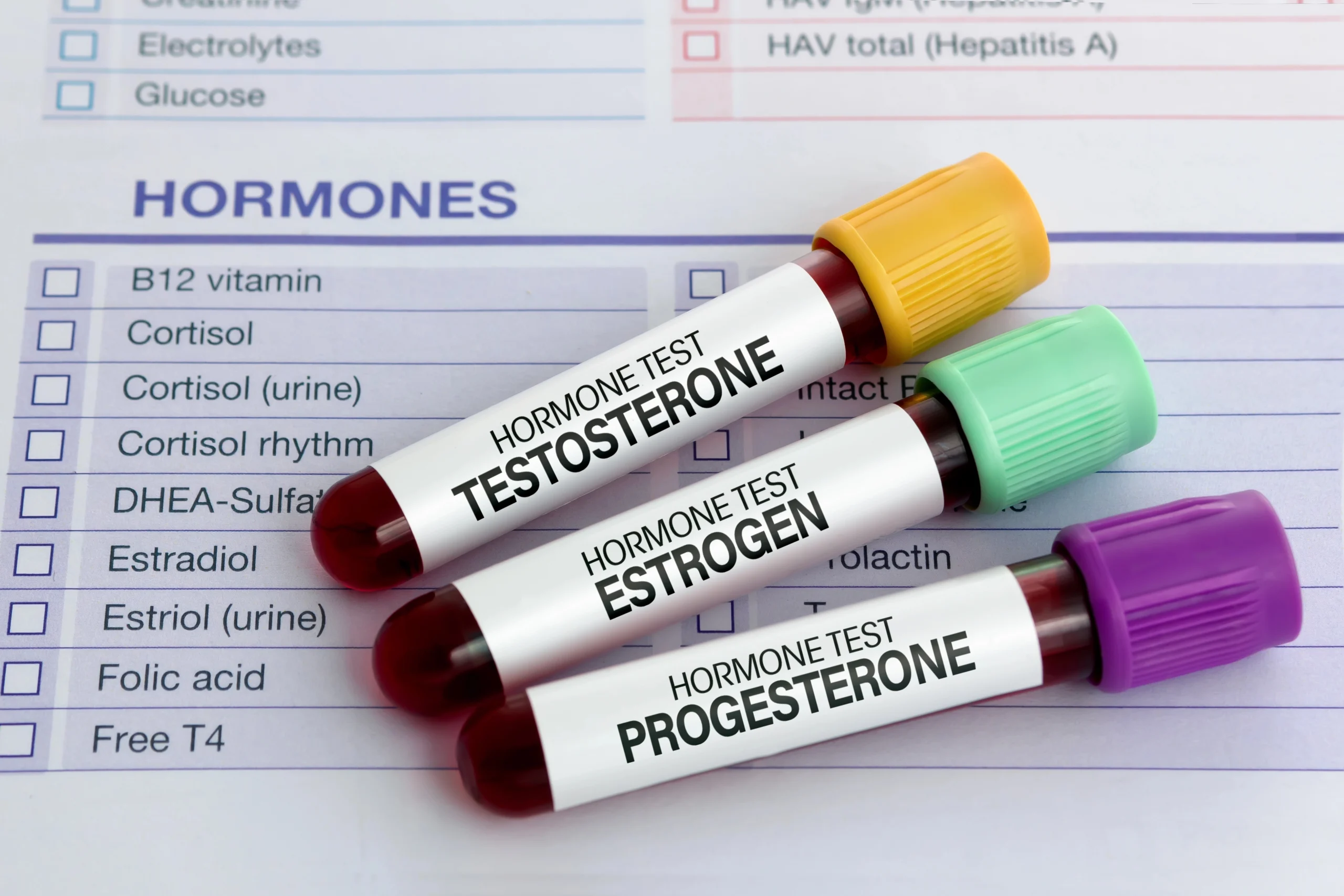

Male sex hormones, primarily testosterone and dehydroepiandrosterone (DHEA), play a crucial role in the development and maintenance of male characteristics and reproductive functions. These hormones are produced mainly in the testes, with smaller amounts synthesized in the adrenal glands. Testosterone is often regarded as the principal male hormone, influencing a wide array of physiological processes, including muscle mass, bone density, fat distribution, and libido.
DHEA, on the other hand, serves as a precursor to both testosterone and estrogen, contributing to hormonal balance and overall health. The significance of male sex hormones extends beyond mere reproductive functions; they are integral to various bodily systems. For instance, testosterone is involved in the regulation of mood, energy levels, and cognitive functions.
As men age, the production of these hormones typically declines, leading to a myriad of changes that can affect physical health, emotional well-being, and quality of life. Understanding the roles of these hormones is essential for addressing the challenges associated with aging in men.
Key Takeaways
- Male sex hormones, such as testosterone and DHEA, play a crucial role in various bodily functions and overall health.
- As men age, the levels of male sex hormones naturally decline, leading to various effects on health and aging.
- Declining male sex hormone levels can lead to decreased bone density, muscle mass, and libido, as well as increased risk of cardiovascular disease and cognitive decline.
- Testosterone replacement therapy can have positive effects on muscle mass, bone density, and overall well-being in aging men.
- DHEA supplementation may help improve mood, cognitive function, and overall vitality in aging men.
Role of Male Sex Hormones in Aging
As men progress through life, the levels of male sex hormones undergo significant changes. Testosterone levels peak during adolescence and early adulthood, but they begin to decline gradually after the age of 30. This decline is often subtle at first, with levels decreasing by approximately 1% per year.
However, this gradual reduction can accumulate over time, leading to noticeable effects on health and vitality. The role of male sex hormones in aging is multifaceted; they influence not only physical attributes but also psychological and emotional states. The decline in testosterone levels is associated with various age-related changes.
For instance, decreased testosterone can lead to reduced muscle mass and strength, increased body fat, and diminished bone density. These physical changes can contribute to a higher risk of osteoporosis and fractures in older men. Additionally, lower testosterone levels have been linked to mood disorders such as depression and anxiety, which can further impact overall well-being.
Understanding how male sex hormones interact with the aging process is vital for developing effective strategies to mitigate these effects.
Effects of Declining Male Sex Hormones on Health

The decline in male sex hormones can have profound implications for health as men age. One of the most significant effects is the impact on metabolic health. Lower testosterone levels are associated with an increased risk of obesity and metabolic syndrome, conditions characterized by insulin resistance, hypertension, and dyslipidemia.
These metabolic changes can lead to a higher likelihood of developing type 2 diabetes and cardiovascular diseases. Moreover, declining levels of DHEA can also contribute to health issues. DHEA is known for its role in immune function and its potential anti-aging properties.
As DHEA levels decrease with age, there may be a corresponding decline in immune response and an increased susceptibility to infections and chronic diseases. The interplay between testosterone and DHEA is complex; both hormones influence each other’s production and activity. Therefore, understanding their combined effects on health is essential for addressing the challenges posed by aging.
Testosterone and Its Impact on Aging
Testosterone’s impact on aging is particularly noteworthy due to its extensive influence on various bodily systems. Beyond its role in sexual function, testosterone is crucial for maintaining muscle mass and strength. Research has shown that men with higher testosterone levels tend to have greater muscle mass and lower body fat percentages.
Conversely, low testosterone levels are linked to sarcopenia, a condition characterized by the loss of muscle mass and strength that often accompanies aging. Additionally, testosterone plays a vital role in bone health. It promotes bone density by stimulating bone formation and inhibiting bone resorption.
As testosterone levels decline with age, men become more susceptible to osteoporosis and fractures. Studies have indicated that men with low testosterone levels have a higher risk of experiencing hip fractures compared to those with normal levels. This highlights the importance of monitoring testosterone levels as part of a comprehensive approach to maintaining skeletal health in aging men.
DHEA and Its Effects on Aging
DHEA is often referred to as a “parent hormone” because it serves as a precursor for both testosterone and estrogen. Its role in aging is significant, as it influences various physiological processes that contribute to overall health. DHEA levels peak in early adulthood and gradually decline with age, mirroring the patterns observed with testosterone.
This decline has been associated with several age-related conditions, including decreased energy levels, diminished cognitive function, and increased risk of chronic diseases. Research suggests that DHEA supplementation may offer potential benefits for older adults. Some studies have indicated that DHEA supplementation can improve mood, enhance cognitive function, and increase muscle strength in older men.
However, the effects of DHEA supplementation are still under investigation, and more research is needed to fully understand its long-term implications on health and aging. The relationship between DHEA and testosterone further complicates this picture; as DHEA levels decline, so too may testosterone production, potentially exacerbating the effects of aging.
Health Risks Associated with Imbalanced Male Sex Hormones

Imbalances in male sex hormones can lead to a range of health risks that significantly impact quality of life. Low testosterone levels are often associated with increased fatigue, reduced libido, and mood disturbances such as depression or irritability. These symptoms can create a cycle of declining mental health that further exacerbates physical health issues.
Additionally, low testosterone has been linked to an increased risk of cardiovascular diseases; studies have shown that men with low testosterone levels may have higher rates of heart attacks and strokes. On the other hand, excessively high levels of testosterone can also pose health risks. Conditions such as polycythemia (an increase in red blood cell mass) can occur due to elevated testosterone levels, leading to complications such as hypertension and increased risk of thrombosis.
Furthermore, anabolic steroid abuse—often associated with artificially high testosterone levels—can result in severe side effects including liver damage, cardiovascular issues, and psychological effects such as aggression or mood swings. Thus, maintaining a balanced hormonal profile is crucial for optimal health as men age.
Strategies for Maintaining Healthy Male Sex Hormone Levels in Aging
To mitigate the effects of declining male sex hormones during aging, several strategies can be employed to maintain healthy hormone levels. Lifestyle modifications play a pivotal role; regular physical activity has been shown to boost testosterone production naturally. Resistance training, in particular, is effective at increasing muscle mass and stimulating hormone release.
Additionally, maintaining a healthy diet rich in nutrients such as zinc and vitamin D can support hormonal balance. Stress management is another critical factor in maintaining healthy hormone levels. Chronic stress leads to elevated cortisol levels, which can negatively impact testosterone production.
Techniques such as mindfulness meditation, yoga, or engaging in hobbies can help reduce stress and promote overall well-being. Furthermore, adequate sleep is essential for hormonal regulation; studies have demonstrated that poor sleep quality can lead to decreased testosterone levels. Prioritizing sleep hygiene can thus be an effective strategy for preserving hormonal health.
Conclusion and Future Research
The intricate relationship between male sex hormones and aging presents both challenges and opportunities for improving men’s health as they age. While significant strides have been made in understanding the roles of testosterone and DHEA in various physiological processes, further research is needed to explore their long-term effects on health outcomes in older men. Investigating the potential benefits and risks associated with hormone replacement therapies could provide valuable insights into managing age-related hormonal decline.
Future research should also focus on identifying biomarkers that can predict hormonal imbalances before they manifest as clinical symptoms. This proactive approach could enable healthcare providers to implement preventive strategies tailored to individual needs. Additionally, exploring the interplay between lifestyle factors—such as diet, exercise, sleep quality—and hormonal health will be crucial for developing comprehensive guidelines aimed at promoting healthy aging in men.
As our understanding of male sex hormones continues to evolve, so too will our ability to enhance quality of life for aging men around the world.