

Erectile dysfunction (ED), often described as the consistent inability to achieve or maintain an erection adequate for satisfactory sexual performance, affects a significant portion of the male population. It is a condition that warrants careful consideration, not only for its direct impact on quality of life but also as a potential indicator of underlying health issues. While sometimes perceived as solely a matter of sexual performance, ED frequently serves as a crucial early warning system for more systemic problems within the body.
Physical Foundations of Erectile Dysfunction
The vast majority of ED cases, approximately 90%, stem from physical causes. Understanding these physiological mechanisms is paramount for effective diagnosis and treatment.
Cardiovascular Considerations
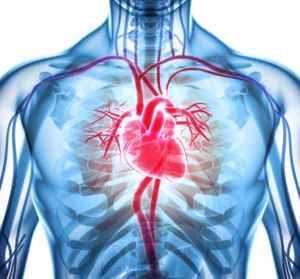
The cardiovascular system plays a pivotal role in erectile function, acting as the primary delivery mechanism for blood to the penis. When this system falters, so too can erections.
- Heart Disease: Conditions affecting the heart’s ability to pump blood efficiently, such as coronary artery disease, can restrict blood flow throughout the body, including to the penis.
- Clogged Arteries (Atherosclerosis): This condition, characterized by the hardening and narrowing of arteries due to plaque buildup, impedes blood flow. Just as it can affect arteries leading to the heart or brain, atherosclerosis in the penile arteries is a common culprit in ED, accounting for up to 40% of cases. The smaller arteries supplying the penis often show signs of atherosclerosis earlier than larger vessels, making ED a potential harbinger of broader cardiovascular disease.
- High Blood Pressure (Hypertension): Chronic high blood pressure can damage blood vessels over time, making them less elastic and prone to narrowing, thereby impairing blood flow.
- High Cholesterol: Elevated levels of low-density lipoprotein (LDL) cholesterol contribute to plaque formation in arteries, worsening atherosclerosis and compromising vascular health.
Metabolic and Hormonal Disruptions

The body’s metabolic processes and hormonal balance are intricate dance partners essential for various physiological functions, including erectile capability.
- Diabetes: A significant contributor to ED, accounting for approximately 33% of cases. Diabetes impairs both circulation and nerve function. High blood sugar levels damage blood vessels and nerves over time, hindering the delicate processes required for an erection.
- Hormonal Imbalances: Hormones act as chemical messengers, and their disruption can have widespread effects. Low testosterone, for instance, can diminish libido and contribute to ED. This imbalance is observed in approximately 11% of cases and can be linked to aging or as a side effect of certain treatments, particularly those for prostate cancer.
- Obesity and Metabolic Syndrome: Excess body weight, particularly around the waist, goes hand-in-hand with metabolic syndrome (a cluster of conditions including high blood pressure, high blood sugar, excess body fat around the waist, and abnormal cholesterol levels). These conditions are closely linked to insulin resistance and systemic inflammation, both of which negatively impact vascular health and erectile function.
Neurological Impairments
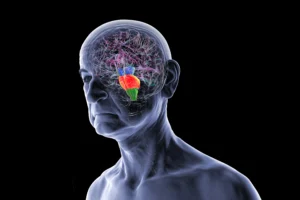
Erections are not solely a hydraulic event but also a neurological one. Nerve signals from the brain and spinal cord initiate and sustain the process.
- Neurodegenerative Diseases: Conditions such as Parkinson’s disease and multiple sclerosis can disrupt the nerve pathways responsible for erectile function, impacting approximately 10% of Erectile Dysfunction cases.
- Spinal Cord Injuries: Trauma to the spinal cord can sever or damage nerves crucial for transmitting signals to the penis, leading to ED.
Anatomical and Structural Issues
Sometimes, the issue lies within the physical structure of the penis itself.
- Peyronie’s Disease: This condition involves the development of fibrous scar tissue inside the penis, causing a curvature, pain during erections, and sometimes shortening or indentation. Affecting 1-3% of men, it can hinder the ability to achieve a straight, rigid erection.
Psychological and Lifestyle Contributors
While physical causes dominate, the mind and daily habits are not bystanders; they actively participate in the mechanism of erectile function.
The Mind’s Influence

The brain is the command center, and its state can directly impact corporeal responses.
- Stress, Anxiety, and Depression: These psychological factors can create a vicious cycle. Performance anxiety, for instance, can lead to difficulty achieving an erection, which in turn fuels further anxiety and stress, exacerbating the problem. Mental health conditions disturb the delicate balance of neurotransmitters and overall physiological readiness for sexual activity.
Iatrogenic and Lifestyle-Induced Factors

Sometimes, medical interventions or personal choices inadvertently contribute to ED.
- Medications: A range of pharmacological agents can have ED as a side effect. Common culprits include certain antidepressants (especially selective serotonin reuptake inhibitors or SSRIs), blood pressure drugs (such as beta-blockers), antihistamines, and some ulcer medications.
- Lifestyle Choices: Daily habits significantly impact overall health and, by extension, erectile function.
- Smoking: Nicotine constricts blood vessels and damages endothelial cells, which line the vessels, impairing blood flow.
- Excessive Alcohol Consumption: While light alcohol intake may not pose a risk, chronic heavy drinking can damage nerves, liver, and hormonal balance.
- Physical Inactivity: A sedentary lifestyle contributes to obesity, cardiovascular issues, and poor circulation.
- Illicit Drug Use: Substances like cocaine, heroin, and amphetamines can interfere with the nervous system and blood flow, leading to ED.
Medical Interventions and Trauma
Some medical procedures and injuries can directly impact the structures necessary for erections.
- Prostate Treatments: Surgeries for prostate cancer, such as radical prostatectomy, can damage nerves and blood vessels surrounding the penis. Radiation therapy to the pelvic area can also have similar effects. These interventions account for 3-5% of ED cases.
- Pelvic Trauma: Injuries to the pelvic region, or even riding a bicycle for extended periods on a hard seat, can cause nerve and blood vessel damage.
Unseen Disruptors and Broader Implications
Beyond the more commonly recognized causes, other factors can silently contribute to ED, serving as subtle indicators of underlying systemic distress.

- Sleep Disorders: Conditions like sleep apnea can disrupt hormonal profiles, particularly testosterone levels, and negatively impact endothelial function, thereby contributing to ED. The body repairs itself during sleep, and insufficient or fragmented sleep can undermine this restorative process.
Erectile dysfunction is seldom a standalone issue; it often acts as a barometer of overall health. The understanding that ED is frequently an early manifestation of broader systemic problems, particularly endothelial dysfunction (where the lining of blood vessels doesn’t function correctly), underscores its significance as a health indicator. Recent advancements in understanding and treating ED tend to focus on novel therapeutic approaches, reflecting the established and comprehensive knowledge base regarding its diverse etiology.