
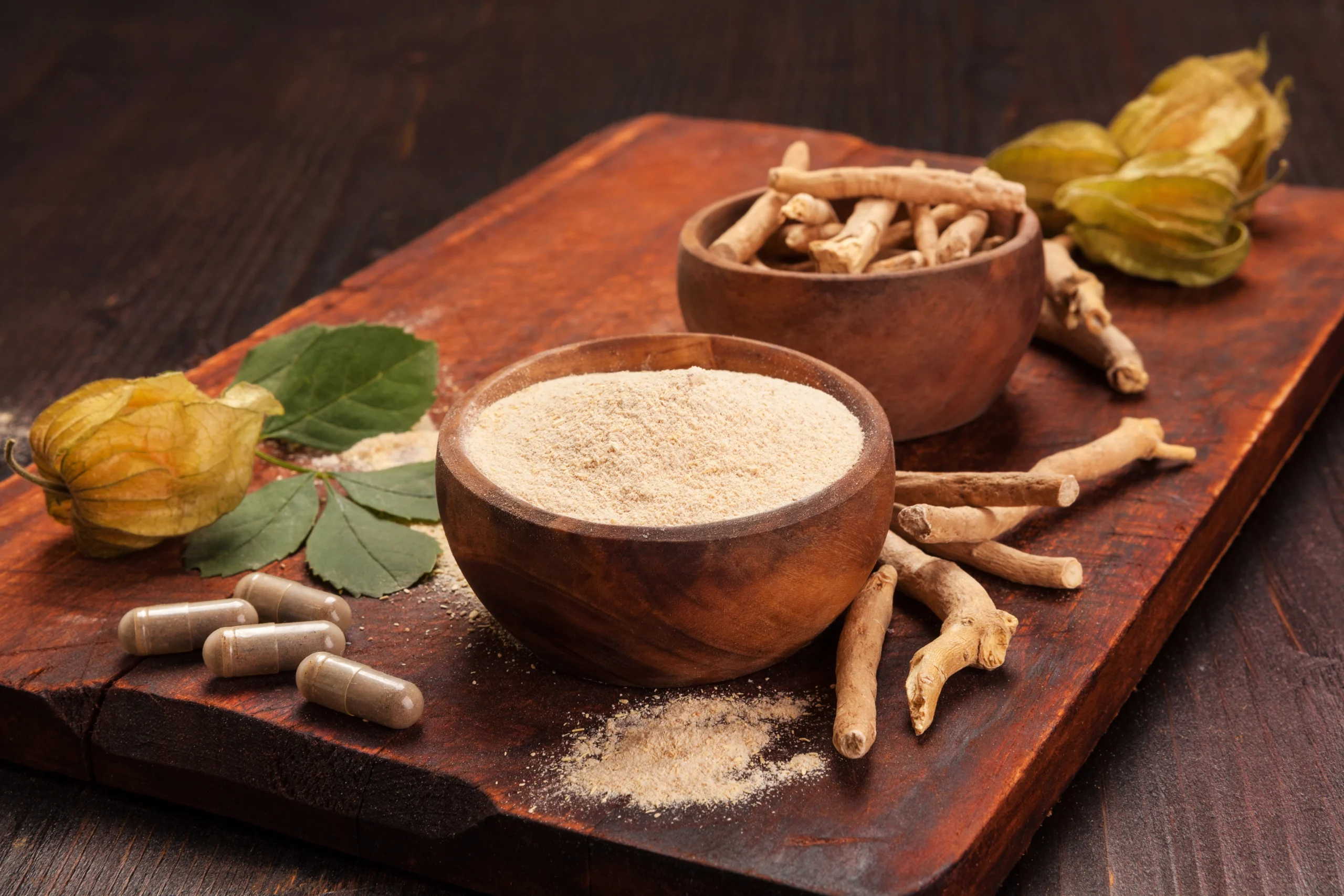

Ashwagandha, scientifically known as Withania somnifera, is an adaptogenic herb that has a long history of use in traditional Ayurvedic medicine. Adaptogens are a class of herbs believed to help the body adapt to stress and promote a state of balance. This article will explore the documented benefits, focusing on its impact on male sex drive, mental health, and other physiological functions, drawing upon recent scientific findings.
The modern world often bombards individuals with stressors, leading to the widespread experience of anxiety and fatigue. Ashwagandha has emerged as a notable agent in mitigating these effects, acting as a shield against the relentless onslaught of daily pressures. Scientific research indicates that ashwagandha possesses significant properties for stress and anxiety reduction.
Cortisol: The Body’s Stress Hormone Navigator
One of the primary mechanisms through which ashwagandha exerts its effects is by modulating the body’s response to stress, particularly through its impact on cortisol levels. Cortisol, often referred to as the “stress hormone,” is released by the adrenal glands in response to perceived threats or challenges. While essential for short-term survival, chronically elevated cortisol levels can have detrimental effects on both physical and mental health. Studies have demonstrated that ashwagandha can significantly lower cortisol levels in individuals experiencing chronic stress. This reduction is crucial, as high cortisol can disrupt sleep patterns, impair cognitive function, and contribute to weight gain.
Dose-Dependent Efficacy
The effectiveness of ashwagandha in stress reduction appears to be dose-dependent. Research suggests that benefits become more pronounced at daily dosages of 500-600 mg. This range allows the herb’s active compounds, particularly withanolides, to interact with the body’s stress response pathways.
Comparative Studies and Long-Term Impact
Further, comparative studies have investigated the efficacy of ashwagandha against placebo treatments. These investigations have shown that after a period of 12 weeks, individuals consuming 1,000 mg daily experienced greater reductions in symptoms of depression and anxiety compared to those receiving a placebo. This suggests that consistent, higher-dose supplementation can yield substantial improvements in mental well-being over time. For individuals navigating the turbulent seas of stress and anxiety, it can serve as a stabilizing anchor, helping to restore equilibrium to the internal compass.
In exploring the multifaceted benefits of Ashwagandha, it’s interesting to consider how various factors, including mental health, can influence overall well-being and vitality.
Fortifying the Mind: Cognitive Enhancement and Mental Clarity
Beyond its stress-reducing capabilities, ashwagandha demonstrates a noteworthy capacity to enhance cognitive function. In an era where mental acuity is highly valued, the herb offers a natural avenue to sharpen the mind. This impact spans various aspects of cognitive performance, from memory to executive function.
Sharpening the Mental Toolkit
Ashwagandha has been linked to improvements in several key cognitive domains. These include memory, which is the archivist of our experiences; attention, the spotlight that focuses our awareness; executive functioning, the conductor of our mental orchestra, orchestrating planning, decision-making, and problem-solving; and reaction time, the swiftness with which we respond to stimuli. By supporting these functions, ashwagandha can contribute to a more efficient and effective cognitive apparatus.
Addressing Depression and Insomnia
The herb’s influence extends to mood regulation and sleep quality. Research indicates that ashwagandha can be beneficial in managing symptoms of depression, offering a natural adjunct to traditional treatments. Furthermore, its impact on insomnia is significant. For individuals struggling with sleep disturbances, ashwagandha has been shown to enhance overall sleep quality, reduce the time it takes to fall asleep (sleep onset latency), increase total sleep time, and promote a feeling of alertness upon waking. This multifaceted approach to mental well-being positions ashwagandha as a valuable tool for those seeking to optimize their mental landscape.
Neurological Support and Mental Acuity
Moreover, ashwagandha has been explored for its potential in managing bipolar impairment and addressing certain neurological issues. Its ability to foster mental clarity, improve multitasking capabilities, and enhance alertness upon waking suggests a broad spectrum of cognitive benefits. For the individual striving for peak mental performance, ashwagandha can be likened to a highly effective polish, bringing a renewed luminescence to their cognitive faculties. This comprehensive support for mental health, from mood stabilization to cognitive enhancement, underscores the plant’s potency.
Ashwagandha: The Impact on Male Sex Drive and Fertility
One of the most widely recognized benefits of ashwagandha, particularly within traditional medicine, is its purported ability to enhance male sexual health, including libido and fertility. Scientific inquiry has begun to validate these traditional claims, offering a biological explanation for these observed effects.
Testosterone and DHEA-S: Hormonal Pillars
Central to male sexual function are the hormones testosterone and dehydroepiandrosterone sulfate (DHEA-S). Testosterone plays a critical role in libido, energy levels, muscle mass, and overall well-being in men. DHEA-S is a precursor to other steroid hormones, including testosterone. Studies have indicated that ashwagandha supplementation can lead to significant increases in both testosterone and DHEA-S levels. Specifically, research has shown an increase in testosterone by an average of 14.7% and in DHEA-S by approximately 18% in men taking ashwagandha. These hormonal uplifts can have a cascading positive effect on male vitality.
Addressing Infertility and Improving Sperm Parameters
Beyond hormonal regulation, ashwagandha has demonstrated a positive impact on male fertility, particularly in men experiencing issues with low sperm count. Meta-analyses, which are studies that combine the results of multiple individual studies, have shown that ashwagandha supplementation can improve key parameters of male reproductive health. These improvements include increased sperm concentration (the number of sperm per milliliter of semen), enhanced sperm volume, and better sperm motility (the ability of sperm to move effectively). This can be particularly significant for couples facing challenges with conception, offering a natural pathway to support fertility.
Supporting Impotence and Infertility
The collective evidence suggests that ashwagandha can be a valuable adjunct in supporting individuals experiencing impotence and infertility. By addressing underlying hormonal imbalances and improving sperm quality, the herb contributes to a more robust reproductive system. For the man seeking to reclaim his virility and potentially overcome fertility obstacles, ashwagandha can be viewed as a powerful tonic, restoring vigor and promise to his reproductive health. The implications for men’s overall well-being and confidence are substantial.
The Sweet Embrace of Slumber: Enhancing Sleep Quality
In a society where demands often encroach upon personal downtime, the quality of sleep has become a critical determinant of overall health and performance. Ashwagandha has emerged as a significant aid in improving sleep quality, offering a natural solution for those struggling with nocturnal rest.
Restoring the Circadian Rhythm
Ashwagandha’s ability to enhance sleep quality is multifaceted. It appears to work by not only promoting relaxation and reducing stress, which are common impediments to sleep, but also by directly influencing sleep architecture. This means it can impact the different stages of sleep and the overall efficiency of the sleep cycle. For individuals experiencing sleep disturbances, consistent use of ashwagandha can lead to a greater sense of restfulness and rejuvenation.
Beyond Falling Asleep: Comprehensive Sleep Improvement
The benefits are not confined to merely helping individuals fall asleep faster. Research indicates that ashwagandha can improve the overall efficiency of sleep, meaning a greater proportion of time spent in bed is actually spent sleeping. It can reduce sleep onset latency, the time it takes to drift off, and increase total sleep time. Crucially, it also leads to improved alertness upon waking, mitigating the grogginess that often accompanies poor sleep. This ensures that the restored energy from sleep is fully realized throughout the day.
Targeted Efficacy for Insomnia
The impact of ashwagandha on sleep is particularly pronounced for individuals suffering from insomnia, a condition characterized by persistent difficulties in falling or staying asleep. Studies suggest that dosages exceeding 600 mg per day, taken consistently for a period of eight weeks or more, tend to yield the most significant improvements in sleep quality. For those who find their nights to be a battlefield against wakefulness, ashwagandha can offer a peaceful sanctuary, paving the way for restorative sleep and a more energized day. It acts as a gentle lullaby for the overactive mind, guiding it towards tranquility.
Unleashing Physical Prowess: Athletic and Physical Performance
The pursuit of peak physical condition often involves a myriad of strategies, from rigorous training regimens to carefully curated diets. Ashwagandha has garnered attention within the athletic community for its potential to enhance physical performance and accelerate recovery.
Building Endurance and Capacity
Ashwagandha’s positive effects on athletic performance are linked to several physiological adaptations. It has been shown to boost VO2 max, a measure of the maximum amount of oxygen an individual can utilize during intense exercise, which is a key indicator of cardiorespiratory endurance. By improving the body’s oxygen uptake and utilization, ashwagandha can help athletes push their limits and sustain higher levels of activity for longer periods.
Recovery and Antioxidant Support
Beyond boosting endurance, ashwagandha plays a significant role in the recovery process. Athletes often experience muscle damage and inflammation after intense training. Ashwagandha has been shown to improve recovery scores, indicating a faster return to functional capacity and reduced muscle soreness. Furthermore, it enhances the body’s antioxidant levels. Antioxidants are crucial for combating oxidative stress, a cellular damage process that occurs during strenuous physical activity and contributes to fatigue and delayed recovery. By bolstering the body’s natural defense against oxidative stress, ashwagandha aids in repairing exercise-induced damage.
Endothelial Function and Energy Levels
The herb also contributes to improved endothelial function, which refers to the health and proper working of the inner lining of blood vessels. Healthy endothelial function is vital for efficient blood flow, oxygen delivery to muscles, and removal of metabolic waste products. Enhanced blood circulation ensures that muscles receive the nutrients and oxygen they need to perform and recover effectively. Additionally, ashwagandha has been reported to improve overall energy levels, providing a sustained sense of vitality that can support consistent training efforts. For the athlete striving for incremental gains and sustained performance, ashwagandha can function as a potent catalyst, unlocking new levels of physical capability and resilience.
A Spectrum of Wellness: Additional Health Benefits
The influence of ashwagandha extends beyond the domains of mental health, sexual vitality, and athletic performance, touching upon a broader array of physiological functions. Its adaptogenic nature suggests a capacity to support the body’s equilibrium across various systems.
Modulating Inflammation and Immune Response
One notable area of benefit is its anti-inflammatory action. Ashwagandha has been observed to reduce key markers of inflammation, such as C-reactive protein (CRP) and interleukin-6 (IL-6). This anti-inflammatory effect is particularly relevant in contexts like recovery from infections, including observations made during the COVID-19 pandemic where its use was explored to help manage inflammatory responses. By dampening excessive inflammation, ashwagandha contributes to a healthier internal environment.
Supporting Thyroid and Respiratory Function
Evidence also suggests that ashwagandha can offer support for thyroid function. The thyroid gland plays a crucial role in regulating metabolism, and disruptions to its function can lead to a range of health issues. Ashwagandha’s potential to positively influence thyroid hormones is an area of ongoing research and traditional use. Furthermore, the herb has shown promise in supporting respiratory function, aiding in conditions that affect breathing and lung capacity.
Age-Related Health and Chronic Conditions
Ashwagandha’s broad-spectrum benefits also extend to managing age-related symptoms. As the body ages, various systems can experience decline, and the herb’s adaptogenic properties may help mitigate some of these effects, promoting a greater sense of vitality and well-being in later years. Beyond age, ashwagandha has also been investigated for its potential role in managing chronic conditions such as diabetes and arthritis. Its impact on blood sugar regulation and its anti-inflammatory properties may contribute to improved outcomes in these areas. For individuals navigating the complexities of aging or managing chronic diseases, ashwagandha can be considered a supportive element in a holistic approach to health, offering a protective embrace to the body’s intricate mechanisms.