


The phenomenon of nocturnal penile tumescence (NPT), colloquially known as “morning wood,” is a natural physiological occurrence in men, indicating healthy circulatory and nervous system function. While often taken for granted, the intricacies behind its manifestation are subjects of ongoing scientific inquiry. Among the various biochemical factors influencing erectile function, magnesium has emerged as a particularly intriguing element. Recent research has begun to shed light on a potential dose-dependent relationship between Mg status and ejaculatory and erectile health, prompting a closer examination of its role.
Neural and Vascular Control
Nocturnal penile tumescence is not merely a random event but a complex interplay of neural, hormonal, and vascular mechanisms. During REM sleep, the parasympathetic nervous system becomes dominant, leading to the release of neurotransmitters such as nitric oxide (NO). Nitric oxide acts as a potent vasodilator, relaxing the smooth muscles of the penile arteries and corpus cavernosum, allowing blood to engorge the penis and induce an erection. This involuntary process serves several physiological functions, including oxygenating penile tissues and maintaining their health. The integrity of endothelial cells, which line blood vessels and produce NO, is paramount to this process.
Hormonal Influence
Testosterone, the primary male sex hormone, also plays a significant role in erectile function. While not a direct trigger for NPT, adequate testosterone levels are crucial for maintaining libido, penile tissue health, and the sensitivity of penile tissues to nitric oxide. Fluctuations or deficiencies in testosterone can negatively impact erectile quality and frequency.
In exploring the intriguing relationship between magnesium levels and morning wood, it is essential to consider how overall health and wellness can impact various bodily functions.
Magnesium’s Multifaceted Role in Erectile Function
Mg as an essential mineral, participates in over 300 enzymatic reactions within the human body. Its influence extends to numerous physiological processes that are directly or indirectly linked to erectile function, acting as a veritable linchpin in cellular biochemistry.
Vasodilation and Blood Flow Enhancement
One of magnesium’s critical functions is its involvement in smooth muscle relaxation. It acts as a natural calcium channel blocker, inhibiting the excessive influx of calcium into vascular smooth muscle cells. This inhibition promotes vasodilation, the widening of blood vessels, thereby improving blood flow. In the context of penile erection, optimal blood flow to the corpus cavernosum is non-negotiable. A deficiency in Mg can therefore impede the smooth muscle relaxation necessary for adequate blood engorgement, much like a kink in a hose restricts water flow.
Nitric Oxide Synthesis and Endothelial Function
Magnesium is a cofactor for enzymes involved in the synthesis of nitric oxide (NO). As previously mentioned, NO is the primary mediator of penile erection. By supporting its production and release from endothelial cells, magnesium contributes directly to the initiation and maintenance of erections. Furthermore, Mg plays a role in maintaining the health and integrity of the endothelium itself. Endothelial dysfunction, characterized by impaired vasodilation and reduced NO bioavailability, is a common precursor to erectile dysfunction (ED) and often indicates underlying cardiovascular issues. A well-functioning endothelium, like a finely tuned engine, is essential for robust NPT.
Hormone Balance and Testosterone Production
While not a direct precursor to testosterone, magnesium is indirectly involved in its regulation. Studies suggest that Mg may help reduce the binding of testosterone to sex hormone-binding globulin (SHBG), thereby increasing the bioavailability of free, active testosterone. Furthermore, magnesium’s role in energy production within cells can influence overall hormonal health, including the hypothalamic-pituitary-gonadal axis, which governs testosterone synthesis.
Insulin Sensitivity and Metabolic Health
Magnesium plays a crucial role in glucose metabolism and insulin sensitivity. Insulin resistance, a condition where cells do not respond effectively to insulin, is frequently associated with type 2 diabetes and metabolic syndrome, both of which are significant risk factors for erectile dysfunction. By improving insulin sensitivity, Mg can mitigate some of the metabolic factors that contribute to ED, acting as a modulator of overall metabolic health.
Emerging Evidence: The Link Between Magnesium Deficiency and ED
Recent research has significantly strengthened the association between magnesium status and erectile function, moving beyond anecdotal observations to more robust, data-driven conclusions.
A Recent Study: A Nationwide Analysis
A particularly salient study published in The Journal of Sexual Medicine on January 7, 2025, presented a nationwide analysis that revealed a dose-dependent link between magnesium deficiency score (MDS) and the risk of erectile dysfunction. This comprehensive investigation underscored that as magnesium deficiency worsened, the likelihood of developing ED increased proportionally. Compounding this finding, the study also identified a higher mortality rate among ED patients who simultaneously exhibited magnesium deficiency. This suggests that magnesium assessment and correction could serve as a valuable therapeutic strategy, not only for improving erectile function but also for managing the broader health implications associated with its deficiency. This study highlights Mg as more than just an accessory player; it positions it as a significant factor in both erectile health and overall longevity for those with ED.
Ubie Health Articles: Corroborating Findings
Further corroborating these findings, Ubie Health Articles published on January 13, 2025, highlighted several mechanisms through which magnesium supports erectile function. These include enhanced blood flow, increased nitric oxide production, muscle relaxation, support for testosterone levels, and reduction of inflammation. The articles cited a U.S. analysis linking high magnesium intake to a remarkable 41% lower odds of developing ED. However, it is crucial to note the caveat that while the observational data is compelling, high-quality randomized controlled trials specifically on magnesium supplementation as a primary treatment for ED are still lacking. This underscores the need for continued research to establish definitive therapeutic protocols.
Navigating Limitations and Practical Advice
While the recent evidence substantially bolsters the case for magnesium’s importance in erectile health, it is essential to approach supplementation with a balanced perspective.

No Panacea, No Optimal Dose Established
It is crucial for individuals to understand that magnesium is not a “magic bullet” or a proven cure for erectile dysfunction. While promising, the current body of evidence does not provide a definitively established optimal dose for treating or preventing ED. Recent studies suggest a dose-dependent link, but specific therapeutic dosages still require rigorous clinical validation. Treating ED solely with magnesium supplementation without addressing underlying causes like cardiovascular disease or diabetes would be akin to patching a leak in a boat without repairing the hole.
Prioritizing Dietary Intake
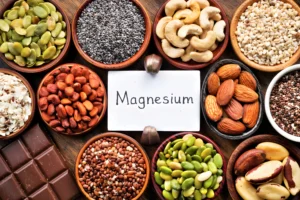
The most prudent approach to maintaining adequate magnesium levels is through a balanced diet rich in magnesium-containing foods. Excellent dietary sources include leafy green vegetables (like spinach and kale), nuts (almonds, cashews), seeds (pumpkin, chia), legumes, whole grains, avocados, and dark chocolate. A diverse dietary intake ensures a holistic supply of essential nutrients that work synergistically for optimal health.
Supplementation: When and How
For individuals with diagnosed magnesium deficiency or those whose dietary intake is insufficient, modest magnesium supplementation may be considered. However, this decision should always be made in consultation with a healthcare professional. Excessive magnesium intake can lead to adverse effects such as diarrhea, nausea, and in severe cases, cardiac issues. A doctor can determine the appropriate dosage and form of Mg supplement based on individual needs and medical history.
Addressing Underlying Conditions
It is paramount to recognize that erectile dysfunction can be an early warning sign of more serious underlying health conditions, such as cardiovascular disease, diabetes, or neurological disorders. Therefore, if an individual experiences ED, the primary course of action should always be to consult a doctor for a comprehensive evaluation. Relying solely on magnesium supplementation without addressing these potentially life-threatening conditions would be a significant oversight. Magnesium can be a valuable adjunct to a broader treatment plan, but it should not replace thorough medical investigation and management of underlying health issues. The human body is a complex system, and ED often signals an imbalance beyond just one nutrient.
In exploring the potential connection between magnesium and morning wood, it’s interesting to consider how various lifestyle factors can influence sexual health. For instance, a well-rounded diet and proper nutrition play crucial roles in overall well-being.
Conclusion
The connection between magnesium and morning wood, and more broadly, erectile function, is becoming increasingly clear. Recent scientific advancements have provided compelling evidence for a dose-dependent link between magnesium deficiency and ED risk, alongside concerns for increased mortality in deficient ED patients. Magnesium’s fundamental roles in vasodilation, nitric oxide synthesis, hormone balance, and metabolic health position it as a key player in maintaining robust erectile function. While the data strongly suggests that magnesium assessment and correction could be a valuable therapeutic avenue, it is crucial for individuals to adopt a holistic approach. This involves prioritizing magnesium-rich foods, considering modest supplementation under medical guidance, and most importantly, consulting a healthcare professional for a comprehensive evaluation of any erectile concerns. The goal is not just to address a symptom but to foster overall health and well-being.