
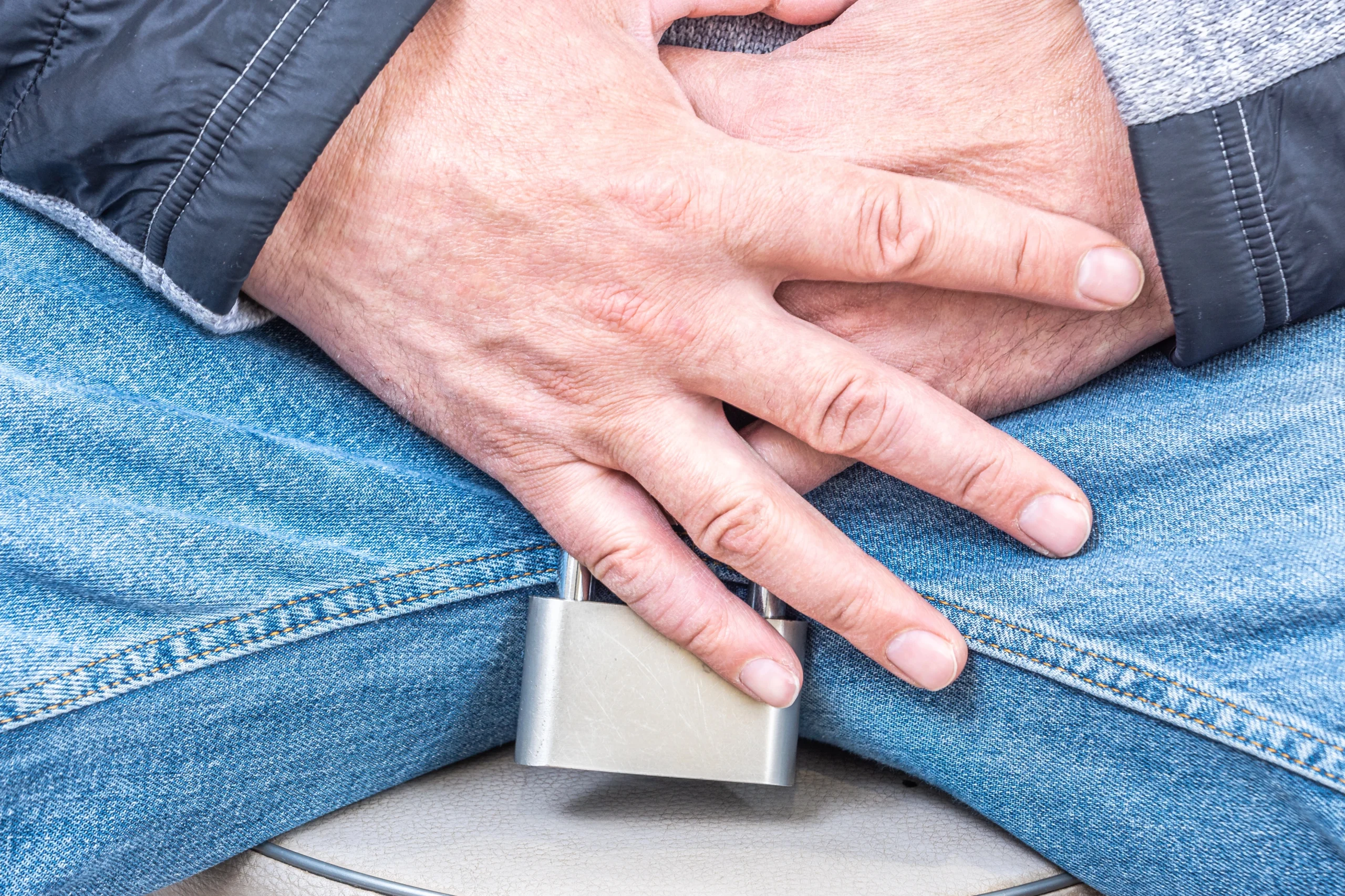

Some individuals choose to abstain from sexual activity for varying durations, a practice colloquially known as “sexual fasting” or “sex detox.” This intentional cessation, whether from all forms of sexual expression or specific activities, has garnered attention for its potential impact on sexual health, relationships, and psychological well-being. While scientific literature directly addressing “sexual fasting” as a distinct area of study remains limited, insights can be gleaned from research on sexual abstinence, mindfulness practices, and the physiological and psychological effects of sexual activity.
Sexual fasting, at its core, represents a deliberate break from sexual engagement. Unlike involuntary celibacy or prolonged abstinence due to circumstance, sexual fasting is a conscious decision. The motivations behind this choice are diverse, ranging from personal growth and spiritual exploration to addressing perceived sexual dysfunctions or improving relationship dynamics.
Defining the Parameters of Abstinence
The term “sexual fasting” can encompass different levels of abstinence. Some individuals might opt for a complete cessation of all sexual activities, including masturbation, while others might focus on abstaining from partnered sex while continuing self-pleasure. The duration of such a fast also varies widely, from a few days or weeks to several months or even longer.

Complete Sexual Abstinence
This involves refraining from all forms of sexual activity, both solo and partnered. Proponents suggest that this complete detachment allows for a deeper introspection into one’s sexual desires and patterns. It’s akin to resetting a system, allowing the body and mind to recalibrate without the usual sexual inputs.
Partnered Sexual Abstinence
This form of fasting involves abstaining from sexual activity with a partner, while still engaging in self-pleasure. The rationale here often revolves around refocusing intimacy within a relationship, rebuilding emotional connection, or addressing issues related to sexual performance or communication.
Abstinence from Specific Sexual Activities
Some individuals might choose to abstain from particular sexual acts they perceive as problematic or unfulfilling. This could include a break from pornography consumption, casual encounters, or specific sexual practices that have become routine or unstimulating.
In exploring the concept of sexual fasting and its potential benefits for sexual health, it can be insightful to consider the broader implications of personal discipline and lifestyle choices on overall well-being.
Proposed Benefits of Sexual Fasting
Advocates of sexual fasting often cite a range of potential benefits, encompassing physiological, psychological, and relational aspects. These purported advantages, while often anecdotal, draw parallels to the known effects of mindfulness, self-regulation, and intentional behavioral changes.
Enhancing Desire and Arousal
One of the most frequently cited benefits is the potential to “reset” sexual desire and arousal. Prolonged or habitual sexual activity, particularly if it becomes routine or unfulfilling, can sometimes lead to a blunting of sensitivity or a decrease in spontaneous desire.
Reinvigorating Libido
When individuals take a break from sexual activity, the body’s natural processes of arousal and desire may have an opportunity to be re-primed. This is similar to how a brief fast from certain foods can make them more enjoyable and desirable when reintroduced. The absence can foster a renewed appreciation and heightened sensitivity to sexual stimuli.
Reducing Habituation
Repetitive sexual patterns, especially with the same partner or through habitual porn consumption, can lead to habituation, where the usual stimuli no longer produce the same level of excitement. A fast can interrupt these patterns, allowing for a fresh perspective and a greater responsiveness to novel or subtle forms of arousal.
Improving Emotional and Mental Well-being
Sexual fasting is also often linked to various psychological benefits, including increased self-awareness, reduced anxiety related to sexual performance, and a greater sense of emotional control.
Fostering Self-Reflection and Introspection
Stepping away from sexual activity can create space for individuals to examine their relationship with sex, their motivations, and their emotional patterns. This introspective period can lead to a deeper understanding of one’s sexual identity and desires, independent of external pressures or expectations.
Reducing Performance Anxiety
For individuals who experience sexual performance anxiety, a period of abstinence can act as a circuit breaker. It removes the immediate pressure to perform, allowing them to rebuild confidence and address underlying anxieties without the added stress of imminent sexual encounters. This can be particularly beneficial for those struggling with erectile dysfunction or anorgasmia.
Cultivating Self-Control and Discipline
Intentional abstinence requires a degree of self-control and discipline. Successfully navigating a sexual fast can empower individuals, demonstrating their ability to manage impulses and make conscious choices about their bodies and desires. This newfound sense of mastery can extend to other areas of life.
Strengthening Relationships

In the context of partnered relationships, sexual fasting is sometimes undertaken to improve intimacy and communication, moving beyond purely physical expressions of affection.
Refocusing on Emotional Intimacy
When the emphasis on physical intimacy is temporarily removed, couples may find themselves compelled to explore other forms of connection. This can involve more verbal communication, shared activities, deeper conversations, and non-sexual physical affection like holding hands or cuddling. This can act as a catalyst for building a stronger emotional foundation.
Addressing Sexual Compatibility Issues
For couples grappling with sexual incompatibility, a period of fasting can provide an opportunity to openly discuss their needs, desires, and frustrations without the pressure of immediate sexual engagement. This facilitated communication can lead to a greater understanding and a collaborative approach to resolving sexual differences.
Rebuilding Trust and Connection
In relationships where trust has been eroded or where sexual issues have caused strain, a conscious decision to abstain can be a symbolic gesture of commitment and an effort to rebuild the emotional bond before reintroducing sexual activity.
Potential Challenges and Considerations
While the proposed benefits are compelling, embarking on a sexual fast is not without its potential challenges and requires careful consideration. It’s crucial to approach this practice with realistic expectations and a clear understanding of individual circumstances.
Navigating Increased Sexual Frustration
One of the most immediate challenges can be an increase in sexual frustration or “horniness.” The human sexual drive is a powerful biological imperative, and intentionally suppressing it can lead to discomfort, irritability, and preoccupation with sexual thoughts.
Managing Libidinal Energy
Individuals undertaking a sexual fast need strategies for managing their libidinal energy. This could involve redirecting energy into creative pursuits, physical exercise, or engaging in activities that foster a sense of well-being and accomplishment. The goal is not to eliminate desires but to channel them constructively.
Addressing Emotional Fluctuations
The absence of sexual release can sometimes lead to emotional fluctuations, including mood swings or increased anxiety. Being prepared for these emotional shifts and developing healthy coping mechanisms is essential for a successful fast.
Impact on Relationships
For individuals in partnered relationships, sexual fasting must be a mutually agreed-upon and openly discussed decision. Unilateral abstinence can lead to misunderstanding, resentment, and a breakdown in communication.
Partner Communication and Agreement
Open and honest communication with a partner is paramount. Both individuals must understand the reasons for the fast, its duration, and the expectations surrounding it. Without mutual understanding and consent, the practice can inadvertently damage the relationship.
Maintaining Non-Sexual Intimacy
During a sexual fast, it is crucial for partners to actively maintain and cultivate non-sexual forms of intimacy. This ensures that the emotional connection remains strong and that the abstinence doesn’t create distance or emotional estrangement.
Psychological and Emotional Well-being
While sexual fasting can offer psychological benefits, it can also exacerbate existing mental health concerns or lead to unhealthy patterns if not approached mindfully.
Risk of Hyper-Focus on Sex
Paradoxically, intentional abstinence can sometimes lead to an increased focus on sex, as the very act of refraining brings it to the forefront of one’s mind. This can be counterproductive to the goal of feeling more balanced and less sexually driven.
Addressing Underlying Issues
For individuals using sexual fasting as a way to avoid confronting deeper sexual or relational issues, it may only offer a temporary reprieve. True healing often requires addressing the root causes of discomfort or dissatisfaction, sometimes with professional guidance.
Best Practices for Implementing Sexual Fasting
For those considering sexual fasting, adopting a structured and mindful approach can enhance its potential benefits and mitigate potential drawbacks.
Setting Clear Intentions
Before embarking on a sexual fast, it is crucial to establish clear intentions. What are the specific goals? Is it to increase desire, improve a relationship, or foster self-awareness? Clear intentions provide a roadmap and a source of motivation.
Defining the “Why” and “How Long”
Understanding the “why” behind the fast is paramount. This purpose will guide decisions throughout the abstinence period. Similarly, setting a realistic duration for the fast, whether it’s a few weeks or months, provides a tangible endpoint and helps manage expectations.
Communicating with Partners (If Applicable)
As previously emphasized, open communication with a partner is non-negotiable. Both individuals should be fully informed, understand the rationale, and agree to the terms of the fast. This ensures mutual support and prevents misunderstandings.
Employing Mindfulness and Self-Care
Integrating mindfulness practices and prioritizing self-care can significantly enhance the experience of sexual fasting.
Practicing Self-Reflection
Regular self-reflection through journaling, meditation, or quiet contemplation can help individuals process their thoughts, emotions, and desires during the fast. This allows for a deeper understanding of one’s sexual self.
Engaging in Alternative Pleasure and Fulfilling Activities
Redirecting energy and seeking pleasure from non-sexual sources is key. This could involve pursuing hobbies, spending time in nature, engaging in creative endeavors, or strengthening social connections. Finding alternative avenues for joy and fulfillment can reduce frustration and enhance overall well-being.
Seeking Professional Guidance
For individuals struggling with sexual dysfunction, relationship issues, or underlying psychological concerns, professional guidance from a therapist, sexologist, or counselor can be invaluable.

Addressing Deeper Issues
A sexual fast can expose deeper layers of sexual or emotional distress. A qualified professional can provide support, help process these revelations, and offer strategies for sustainable change.
Tailored Advice and Support
Professional guidance can also offer tailored advice, help individuals set realistic goals, and provide coping mechanisms specific to their unique circumstances. This personalized support can optimize the benefits of sexual fasting while minimizing potential risks.
Conclusion
Sexual fasting, as a deliberate break from sexual activity, presents itself as a tool for introspection, rejuvenation, and relational growth. While empirical research directly on “sexual fasting” is nascent, its proponents draw upon principles from mindfulness, self-regulation, and the known impacts of sexual activity on human physiology and psychology. The potential benefits, ranging from heightened desire and improved emotional well-being to strengthened relationships, are compelling. However, like any intentional behavioral change, it is not without challenges. Individuals considering this practice are advised to approach it with clear intentions, open communication (especially with a partner), a commitment to self-care, and a willingness to seek professional guidance if needed. Ultimately, the efficacy of sexual fasting as a boost for sexual health appears to reside in its capacity to foster a more mindful and intentional relationship with one’s sexuality, allowing for a deeper understanding and appreciation of this fundamental aspect of human experience.