If any of these symptoms sound familiar, consider whether they are simply typical aging signs or if they stem from declining testosterone levels. Critical for many physical functions such as muscle development, libido, bone strength, cardiovascular health, mental clarity, and even penis size —adequate testosterone is vital. As levels fall, overall health may suffer.
Luckily, methods do exist to help increase your Testosterone. Nowadays boosters can be purchased at trusted, legal locations like local pharmacies or hormone therapy clinics. While they aren’t miracle cures and won’t stop aging completely, they can support maintaining healthy testosterone levels and possibly help preserve proper sexual function for years.
Alongside supplements, various natural approaches can increase T levels through nutrition, physical activity, and lifestyle changes. If you’re over 30, experiencing reduced workout stamina, difficulty focusing, or fatigue, keep reading. Our experts will guide you on the right path.
Factors Contributing to Declining Male Testosterone
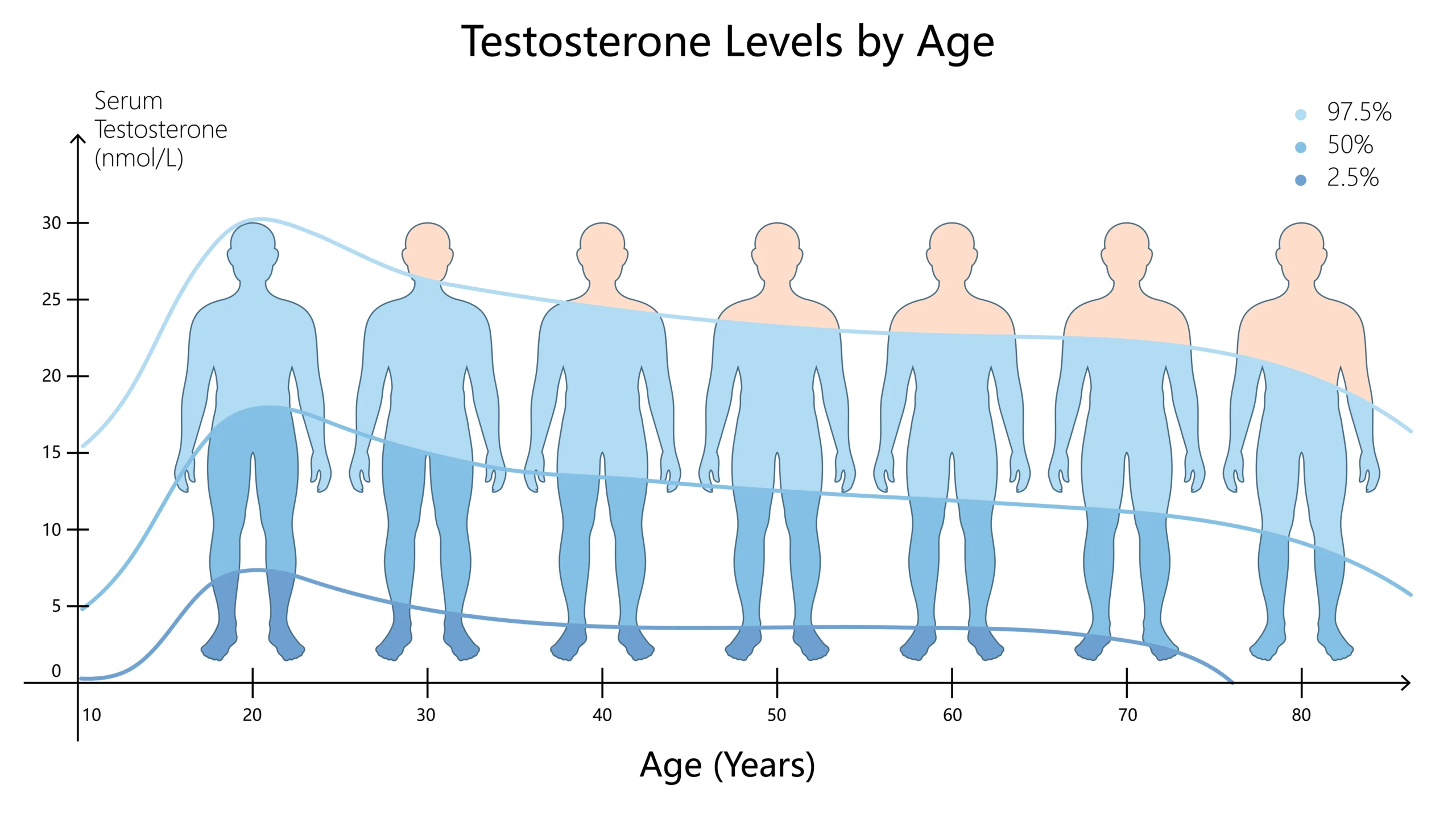
While lower testosterone levels are common and natural with aging—much like graying hair—they aren’t always a concern. According to the NHS, men in their thirties typically see a yearly decrease of 1-2% in their T-levels, which generally don’t lead to serious issues.
What causes T to drop more than expected? Often, lifestyle or mental health concerns are factors. Symptoms like erectile problems or diminished libido should prompt discussions with your healthcare provider to identify other potential causes like stress, depression, or anxiety.
Other reasons include hypogonadism—a condition where the testes produce little or no hormones. It may be congenital or acquired later due to injury or illness.
If left untreated, low T can weaken bones, raising osteoporosis risk. Worryingly, a study in the Journal of Clinical Endocrinology and Metabolism links low testosterone with increased mortality. If symptoms appear, timely medical evaluation is important.
Signs of Low Testosterone
Symptoms can vary by age. As per NHS, signs include fatigue, low stamina, mood swings like depression or anxiety, irritability, reduced libido, erectile difficulties, loss of physical strength, excessive sweating or night sweats, memory or focus issues, and less frequent shaving.
If such symptoms occur, the NHS notes that other factors may be involved. In these cases, supplements or hormone therapy might not be enough. Blood tests can confirm if testosterone levels are low.
What Is a Normal Testosterone Range by Age?
Testosterone levels are measured via blood tests, expressed in nanomoles per litre (nmol/l) in the UK. Generally, levels above 0.30 nmol/l are normal, with optimal levels above 0.45 nmol/l.
After age 30, T tends to decline roughly 1% yearly. Dr. Luke Pratsides, lead GP at Numan, explains that most men sustain healthy T levels well into old age, enabling many to father children into their eighties.
‘However, some individuals experience levels dropping below the normal range,’ he states. ‘This can cause decreased libido, erectile issues, fertility challenges, low energy, muscle loss, and a lower mood.’
What Do Testosterone Boosters Entail?
Testosterone boosters comprise various supplements designed to elevate T levels. Their choice depends on how low your levels are. Mild deficiencies can often be managed with herbal supplements like Tribulus Terrestris available from stores like Holland & Barrett or on Amazon.
For more severe deficiencies, medical treatments like DHEA—a steroid precursor available via prescription in the UK—may be considered, always under professional supervision. Excessive doses can cause mood swings and aggression, often dubbed roid rage, alongside other adverse effects. Medications like Clomifene and HCG are also options managed by healthcare providers.
Are Testosterone Boosters Effective?
Yes, if they are legitimate products and your T is actually low. Dr. Sohere Roked, an expert in hormone therapy at Omniya London, confirms, ‘I’ve seen these work for various individuals.’ She adds, ‘Some assume they’re unnecessary or a waste, but I’ve observed improvements in body composition, mood, energy, and functions closely linked to testosterone when combined with a healthy diet and exercise.’
Supporting evidence comes from studies like one from Shanghai University of Sport, which tracked 15 male boxers over three weeks of intensive training, with half receiving 1250mg of TT. Those supplementing showed reduced muscle damage and improved anaerobic performance.
Impact of Testosterone Boosters on Sexual Function
Boosters can boost libido, energy, and erectile function—if testosterone levels are genuinely low. However, overusing them can cause side effects like testicular shrinkage, gynecomastia, lower sperm count, or even erectile difficulties.
‘If arousal or erection issues arise, don’t assume it’s solely low T,’ suggests Sonia Khan of Medicine Direct. ‘Many factors—like alcohol, stress, depression, fatigue, or illness—affect libido. Consulting a healthcare professional is the safest approach.
Risks and Side Effects of Testosterone Boosters
Before using supplements, it’s crucial to confirm low T as the root cause of your symptoms. Unnecessary use may lead to irreversible problems—blood tests are essential for proper diagnosis. Regular blood work helps ensure appropriate dosing, as recommended by Roked.
Overproduction of testosterone can suppress natural hormone synthesis, lowering sperm count. Side effects might include acne, hair loss, mood swings, aggressive behavior, and more. Always seek professional advice before starting testosterone boosters.
‘Many gym-goers aren’t aware that supplements could permanently shut down their own hormone production or reduce fertility,’ notes Roked. ‘While rare, such issues are serious. It’s best to work with a healthcare provider and avoid unnecessary hormone use.’
Although compounds like DHEA can raise T levels, misuse or excessive doses can lead to liver issues, hormonal imbalance, high blood pressure, and increased heart attack or stroke risks, warns Dr. Emil Hodzovic, a bodybuilder and physician at Medichecks.
Should Men Consider Using Testosterone Boosters?
Without addressing overall health, using boosters is pointless. If physical health isn’t optimal, T-boosting techniques may have limited effect or even cause harm. Core lifestyle changes are key.
‘Poor habits—like sleep deprivation, high stress, or excess body fat—can mimic low T symptoms or cause them,’ states Hodzovic. ‘Focusing on sleep, a balanced diet, regular activity, and stress management is a good first step. Using boosters without correcting these fundamentals usually yields minimal benefit.’
Natural Ways to Increase Testosterone
As Roked suggests, increasing zinc and omega-3 intake can naturally elevate T levels. Incorporate these foods into your diet, or opt for supplements if you are deficient.
If diet and lifestyle adjustments aren’t enough, consult with an expert. Remember, ‘Supplements are ineffective if you neglect fundamental habits,’ Roked emphasizes. Be honest about your routines and choices.
Foods That Can Reduce Testosterone
‘Some foods promote estrogen-like hormones—female sex hormones—either directly or by converting testosterone into estrogens,’ explains Dr. Pratsides. ‘Elevated estrogen can suppress testosterone production.’

‘Overeating processed, high-fat, sugary foods increases abdominal fat,’ he continues. ‘This fat releases aromatase, an enzyme that converts testosterone into estrogen.’
Alcohol intake also affects T levels. ‘Ethanol reduces NAD+, a coenzyme essential for testosterone synthesis in the liver and testes,’ says Dr. Pratsides. Excessive drinking boosts estrogen and cortisol, which decrease testosterone levels.’
Occasional beer isn’t an issue, but heavy, long-term drinking can lower T. Diets high in dairy or low in dark leafy greens may also worsen hormonal balance, warns Khan.
Top Foods for Supporting Testosterone Production
Although testosterone declines naturally with age, you can stimulate your body to produce more through your diet. Consider adding these seven nutrient-rich foods:
- Oily fish like salmon, tuna, and sardines supply zinc, vitamin D, and protein—essential for maintaining T levels.
- Ginger—A 2012 study—found that daily ginger intake over three months boosted testosterone by 17.7% in men with fertility issues.
- Eggs—’The cholesterol in the yolk is a T precursor,’ says Kim Pearson.
- Dark greens like kale are rich in magnesium, crucial for healthy testosterone production.

- Extra virgin olive oil— 2013 study—shows that daily consumption can elevate T levels over three weeks.
- Fruits like berries, cherries, and pomegranates—research in the International Journal of Impotence Research reports that nearly half of men with erectile issues saw improvements after daily pomegranate juice.
- Red meats such as liver and ground beef contain vitamin D and zinc, vital for puberty and T production.
Effective Supplements for Enhancing Testosterone
If you’re seeking scientifically supported T-boosting supplements, here are some prominent options based on research:
Tribulus Terrestris
TT is popular for performance enhancement and may also support sexual health. While much of the evidence is from animal studies, some results are promising. Male rats given TT extracts showed increased mounting behavior, better erections, and heightened sexual activity, indicating potential benefits for humans.
D-Aspartic Acid
This natural amino acid is involved in testosterone synthesis. A 90-day trial with men suffering fertility issues showed that D-Aspartic acid doubled sperm counts from 8.2 million to 16.5 million per ml.
If your T is normal and you’re focusing on strength gains, D-Aspartic acid might offer limited advantages. A separate study published in Nutrition Research found no significant gains in body composition or strength among trained men taking it.
Vitamin D
Well-known for bone health, vitamin D also correlates with testosterone levels. A study from the University of Graz indicated that supplementing with vitamin D increased T over a year in overweight men. When sunlight exposure is limited, supplementation can be especially helpful.
Magnesium
Linked to T production, magnesium deficiency can reduce levels. A study involving athletes and sedentary men showed increased testosterone after magnesium supplements, highlighting its support role even for men with normal T levels.
DHEA
Earlier mentioned as a prescription steroid precursor, DHEA has been shown to raise T. A study in the European Journal of Applied Physiology found it prevented age-related T decline during high-intensity training in middle-aged men.
Read also: 12 Natural Foods that Boost Testosterone
]]>While generally safe, excessive or improper use of it may result in side effects such as headaches, insomnia, dizziness, and digestive discomfort.
This article will cover what it is, its different types, how it helps with erectile dysfunction, correct usage, and possible risks.
Understanding Ginseng and its varieties
Ginseng, from the Panax genus, is a medicinal plant notable for its roots. These roots carry active compounds like ginsenosides and gintonin, which have been revered in traditional medicine for centuries.
Types of Ginseng
It exists in various forms of plants, similar to Avena Sativa, another botanical researched for its role in erectile health. These include:
- Asian/Korean Red (Panax ginseng)
- American (Panax quinquefolius)
Which Ginseng Is Most Effective for Erectile Dysfunction?

While both varieties are beneficial, Korean or Asian type is generally regarded as the most effective and commonly used for erectile dysfunction. It provides a boost of energy and contains elevated levels of ginsenosides that promote better blood flow, support nitric oxide synthesis, and enhance sexual performance.
Conversely, American or Chinese type is often used in traditional Chinese practices to help relax the body and boost energy—complementing nutrients like fish oil for erectile dysfunction. It is less energizing compared to Korean ginseng and aids in calming the nervous system and restoring vitality.
How Does Ginseng Treat Erectile Dysfunction?
Ginseng has long been considered a natural remedy for ED. Its benefits arise from multiple factors.
Nitric oxide boost and adaptogenic qualities
It stimulates nitric oxide production in the penile blood vessels. Nitric oxide facilitates relaxation of smooth muscle tissue in the penis, allowing for improved blood flow and stronger erections. Ginsenosides in ginseng help enhance endothelial function and circulation, making it particularly helpful for men with vascular-related ED.
Antioxidant effects
It is renowned for its antioxidant properties, which protect blood vessels and improve endothelial health. These effects can reduce the risk of erectile difficulties.
Stress and fatigue reduction
It is associated with lowering fatigue, insomnia, stress, and depression. These factors can negatively influence sexual interest and lead to ED.
Metabolic influence
In addition to these effects, it assists in regulating blood sugar levels, lipid metabolism, and reducing body inflammation. These metabolic and health issues can contribute to the development of ED.
Research Findings on Ginseng and Erectile Dysfunction

Numerous clinical studies, reviews, and research have demonstrated it’s positive influence on ED. They show improvements in erectile function, sexual desire, satisfaction, and overall scores on the International Index of Erectile Function (IIEF).
Here are some key studies supporting it as a natural ED treatment:
A 2008 trial involving 363 men aged 24-70 found that red ginseng improved vasculogenic and psychogenic ED, as well as elevating erectile function scores. Participants took doses between 600 mg and 1,000 mg daily over 4 to 12 weeks.
A 2018 study with 2,080 men concluded that it enhanced IIEF scores and moderately improved erectile function, suggesting it benefits men with mild to moderate ED.
Another review conducted in 2021, involving 587 men, confirmed that it improved sexual activity and the ability to engage in intercourse.
How to Properly Use Ginseng for Erectile Dysfunction
Research indicates that using it is generally safe when taken within doses of 600 to 1,000 mg daily. Supplements are available in capsules, powders, liquids, and teas.
Always opt for standardized products and seek advice from a healthcare provider prior to beginning supplementation.
Potential Risks and Side Effects of Ginseng for ED
Korean Red Ginseng is often well tolerated. However, natural does not always equate to safe, and some individuals may experience adverse effects if taken without medical guidance.
Side effects
Common side effects can include headaches, trouble sleeping, dizziness, and gastrointestinal upset.
Overuse syndrome
Prolonged excessive use of it may lead to immune overactivation, known as ginseng abuse syndrome or shanghuo. Symptoms include excessive heat, nervousness, high blood pressure, redness, and ulcers.
Inconsistency in supplement standards
Many products in the market lack proper standardization. Some may contain hidden drugs; for instance, Ginseng She Lian Wan was found to include harmful substances like dexamethasone and chlorpheniramine, which can cause adverse effects.
Absence of FDA approval
Ginseng is not approved by the FDA for any specific medical use. It is important to consult a healthcare professional before starting any supplement, especially if on other medications or with chronic health issues.
Alternative Methods for Treating Erectile Dysfunction
Natural remedies and herbal supplements might be suitable for some men with mild to moderate ED—often enhancing results when combined with exercises for erectile dysfunction. But severe cases may require medical intervention, including:
- Prescription medications such as PDE5 inhibitors (e.g., Viagra, sildenafil, Cialis, tadalafil)
- Vacuum erection devices or penis pumps
- Injections directly into the penis
- Devices like ED rings or tension rings
- Shockwave therapy to improve circulation
- Stem cell therapy for damaged blood vessels
- Platelet-rich plasma treatments
- Surgical options like penile implants or prostheses
Read also: Top 10 ED Treatments available in 2026
Summary
Ginseng, particularly Korean or Asian red one, serves as a natural option for managing erectile dysfunction. Its active elements, ginsenosides and gintonin, help increase nitric oxide production, enhance blood flow, support vascular health, and lower stress. Research confirms that it can improve erections, libido, satisfaction, and IIEF scores in men with mild to moderate ED. Although generally safe, it can cause headaches, insomnia, dizziness, or gastrointestinal issues, with long-term misuse posing risks like ginseng abuse syndrome. Since many supplements lack proper standardization or FDA approval, consulting a healthcare professional before use is recommended.
]]>The modern world often bombards individuals with stressors, leading to the widespread experience of anxiety and fatigue. Ashwagandha has emerged as a notable agent in mitigating these effects, acting as a shield against the relentless onslaught of daily pressures. Scientific research indicates that ashwagandha possesses significant properties for stress and anxiety reduction.
Cortisol: The Body’s Stress Hormone Navigator
One of the primary mechanisms through which ashwagandha exerts its effects is by modulating the body’s response to stress, particularly through its impact on cortisol levels. Cortisol, often referred to as the “stress hormone,” is released by the adrenal glands in response to perceived threats or challenges. While essential for short-term survival, chronically elevated cortisol levels can have detrimental effects on both physical and mental health. Studies have demonstrated that ashwagandha can significantly lower cortisol levels in individuals experiencing chronic stress. This reduction is crucial, as high cortisol can disrupt sleep patterns, impair cognitive function, and contribute to weight gain.
Dose-Dependent Efficacy
The effectiveness of ashwagandha in stress reduction appears to be dose-dependent. Research suggests that benefits become more pronounced at daily dosages of 500-600 mg. This range allows the herb’s active compounds, particularly withanolides, to interact with the body’s stress response pathways.
Comparative Studies and Long-Term Impact
Further, comparative studies have investigated the efficacy of ashwagandha against placebo treatments. These investigations have shown that after a period of 12 weeks, individuals consuming 1,000 mg daily experienced greater reductions in symptoms of depression and anxiety compared to those receiving a placebo. This suggests that consistent, higher-dose supplementation can yield substantial improvements in mental well-being over time. For individuals navigating the turbulent seas of stress and anxiety, it can serve as a stabilizing anchor, helping to restore equilibrium to the internal compass.
In exploring the multifaceted benefits of Ashwagandha, it’s interesting to consider how various factors, including mental health, can influence overall well-being and vitality.
Fortifying the Mind: Cognitive Enhancement and Mental Clarity
Beyond its stress-reducing capabilities, ashwagandha demonstrates a noteworthy capacity to enhance cognitive function. In an era where mental acuity is highly valued, the herb offers a natural avenue to sharpen the mind. This impact spans various aspects of cognitive performance, from memory to executive function.
Sharpening the Mental Toolkit
Ashwagandha has been linked to improvements in several key cognitive domains. These include memory, which is the archivist of our experiences; attention, the spotlight that focuses our awareness; executive functioning, the conductor of our mental orchestra, orchestrating planning, decision-making, and problem-solving; and reaction time, the swiftness with which we respond to stimuli. By supporting these functions, ashwagandha can contribute to a more efficient and effective cognitive apparatus.
Addressing Depression and Insomnia
The herb’s influence extends to mood regulation and sleep quality. Research indicates that ashwagandha can be beneficial in managing symptoms of depression, offering a natural adjunct to traditional treatments. Furthermore, its impact on insomnia is significant. For individuals struggling with sleep disturbances, ashwagandha has been shown to enhance overall sleep quality, reduce the time it takes to fall asleep (sleep onset latency), increase total sleep time, and promote a feeling of alertness upon waking. This multifaceted approach to mental well-being positions ashwagandha as a valuable tool for those seeking to optimize their mental landscape.
Neurological Support and Mental Acuity
Moreover, ashwagandha has been explored for its potential in managing bipolar impairment and addressing certain neurological issues. Its ability to foster mental clarity, improve multitasking capabilities, and enhance alertness upon waking suggests a broad spectrum of cognitive benefits. For the individual striving for peak mental performance, ashwagandha can be likened to a highly effective polish, bringing a renewed luminescence to their cognitive faculties. This comprehensive support for mental health, from mood stabilization to cognitive enhancement, underscores the plant’s potency.
Ashwagandha: The Impact on Male Sex Drive and Fertility
One of the most widely recognized benefits of ashwagandha, particularly within traditional medicine, is its purported ability to enhance male sexual health, including libido and fertility. Scientific inquiry has begun to validate these traditional claims, offering a biological explanation for these observed effects.
Testosterone and DHEA-S: Hormonal Pillars
Central to male sexual function are the hormones testosterone and dehydroepiandrosterone sulfate (DHEA-S). Testosterone plays a critical role in libido, energy levels, muscle mass, and overall well-being in men. DHEA-S is a precursor to other steroid hormones, including testosterone. Studies have indicated that ashwagandha supplementation can lead to significant increases in both testosterone and DHEA-S levels. Specifically, research has shown an increase in testosterone by an average of 14.7% and in DHEA-S by approximately 18% in men taking ashwagandha. These hormonal uplifts can have a cascading positive effect on male vitality.
Addressing Infertility and Improving Sperm Parameters
Beyond hormonal regulation, ashwagandha has demonstrated a positive impact on male fertility, particularly in men experiencing issues with low sperm count. Meta-analyses, which are studies that combine the results of multiple individual studies, have shown that ashwagandha supplementation can improve key parameters of male reproductive health. These improvements include increased sperm concentration (the number of sperm per milliliter of semen), enhanced sperm volume, and better sperm motility (the ability of sperm to move effectively). This can be particularly significant for couples facing challenges with conception, offering a natural pathway to support fertility.
Supporting Impotence and Infertility
The collective evidence suggests that ashwagandha can be a valuable adjunct in supporting individuals experiencing impotence and infertility. By addressing underlying hormonal imbalances and improving sperm quality, the herb contributes to a more robust reproductive system. For the man seeking to reclaim his virility and potentially overcome fertility obstacles, ashwagandha can be viewed as a powerful tonic, restoring vigor and promise to his reproductive health. The implications for men’s overall well-being and confidence are substantial.
The Sweet Embrace of Slumber: Enhancing Sleep Quality
In a society where demands often encroach upon personal downtime, the quality of sleep has become a critical determinant of overall health and performance. Ashwagandha has emerged as a significant aid in improving sleep quality, offering a natural solution for those struggling with nocturnal rest.
Restoring the Circadian Rhythm
Ashwagandha’s ability to enhance sleep quality is multifaceted. It appears to work by not only promoting relaxation and reducing stress, which are common impediments to sleep, but also by directly influencing sleep architecture. This means it can impact the different stages of sleep and the overall efficiency of the sleep cycle. For individuals experiencing sleep disturbances, consistent use of ashwagandha can lead to a greater sense of restfulness and rejuvenation.
Beyond Falling Asleep: Comprehensive Sleep Improvement
The benefits are not confined to merely helping individuals fall asleep faster. Research indicates that ashwagandha can improve the overall efficiency of sleep, meaning a greater proportion of time spent in bed is actually spent sleeping. It can reduce sleep onset latency, the time it takes to drift off, and increase total sleep time. Crucially, it also leads to improved alertness upon waking, mitigating the grogginess that often accompanies poor sleep. This ensures that the restored energy from sleep is fully realized throughout the day.
Targeted Efficacy for Insomnia
The impact of ashwagandha on sleep is particularly pronounced for individuals suffering from insomnia, a condition characterized by persistent difficulties in falling or staying asleep. Studies suggest that dosages exceeding 600 mg per day, taken consistently for a period of eight weeks or more, tend to yield the most significant improvements in sleep quality. For those who find their nights to be a battlefield against wakefulness, ashwagandha can offer a peaceful sanctuary, paving the way for restorative sleep and a more energized day. It acts as a gentle lullaby for the overactive mind, guiding it towards tranquility.
Unleashing Physical Prowess: Athletic and Physical Performance
The pursuit of peak physical condition often involves a myriad of strategies, from rigorous training regimens to carefully curated diets. Ashwagandha has garnered attention within the athletic community for its potential to enhance physical performance and accelerate recovery.
Building Endurance and Capacity
Ashwagandha’s positive effects on athletic performance are linked to several physiological adaptations. It has been shown to boost VO2 max, a measure of the maximum amount of oxygen an individual can utilize during intense exercise, which is a key indicator of cardiorespiratory endurance. By improving the body’s oxygen uptake and utilization, ashwagandha can help athletes push their limits and sustain higher levels of activity for longer periods.
Recovery and Antioxidant Support
Beyond boosting endurance, ashwagandha plays a significant role in the recovery process. Athletes often experience muscle damage and inflammation after intense training. Ashwagandha has been shown to improve recovery scores, indicating a faster return to functional capacity and reduced muscle soreness. Furthermore, it enhances the body’s antioxidant levels. Antioxidants are crucial for combating oxidative stress, a cellular damage process that occurs during strenuous physical activity and contributes to fatigue and delayed recovery. By bolstering the body’s natural defense against oxidative stress, ashwagandha aids in repairing exercise-induced damage.
Endothelial Function and Energy Levels
The herb also contributes to improved endothelial function, which refers to the health and proper working of the inner lining of blood vessels. Healthy endothelial function is vital for efficient blood flow, oxygen delivery to muscles, and removal of metabolic waste products. Enhanced blood circulation ensures that muscles receive the nutrients and oxygen they need to perform and recover effectively. Additionally, ashwagandha has been reported to improve overall energy levels, providing a sustained sense of vitality that can support consistent training efforts. For the athlete striving for incremental gains and sustained performance, ashwagandha can function as a potent catalyst, unlocking new levels of physical capability and resilience.
A Spectrum of Wellness: Additional Health Benefits
The influence of ashwagandha extends beyond the domains of mental health, sexual vitality, and athletic performance, touching upon a broader array of physiological functions. Its adaptogenic nature suggests a capacity to support the body’s equilibrium across various systems.
Modulating Inflammation and Immune Response
One notable area of benefit is its anti-inflammatory action. Ashwagandha has been observed to reduce key markers of inflammation, such as C-reactive protein (CRP) and interleukin-6 (IL-6). This anti-inflammatory effect is particularly relevant in contexts like recovery from infections, including observations made during the COVID-19 pandemic where its use was explored to help manage inflammatory responses. By dampening excessive inflammation, ashwagandha contributes to a healthier internal environment.
Supporting Thyroid and Respiratory Function
Evidence also suggests that ashwagandha can offer support for thyroid function. The thyroid gland plays a crucial role in regulating metabolism, and disruptions to its function can lead to a range of health issues. Ashwagandha’s potential to positively influence thyroid hormones is an area of ongoing research and traditional use. Furthermore, the herb has shown promise in supporting respiratory function, aiding in conditions that affect breathing and lung capacity.
Age-Related Health and Chronic Conditions
Ashwagandha’s broad-spectrum benefits also extend to managing age-related symptoms. As the body ages, various systems can experience decline, and the herb’s adaptogenic properties may help mitigate some of these effects, promoting a greater sense of vitality and well-being in later years. Beyond age, ashwagandha has also been investigated for its potential role in managing chronic conditions such as diabetes and arthritis. Its impact on blood sugar regulation and its anti-inflammatory properties may contribute to improved outcomes in these areas. For individuals navigating the complexities of aging or managing chronic diseases, ashwagandha can be considered a supportive element in a holistic approach to health, offering a protective embrace to the body’s intricate mechanisms.
]]>Neural and Vascular Control
Nocturnal penile tumescence is not merely a random event but a complex interplay of neural, hormonal, and vascular mechanisms. During REM sleep, the parasympathetic nervous system becomes dominant, leading to the release of neurotransmitters such as nitric oxide (NO). Nitric oxide acts as a potent vasodilator, relaxing the smooth muscles of the penile arteries and corpus cavernosum, allowing blood to engorge the penis and induce an erection. This involuntary process serves several physiological functions, including oxygenating penile tissues and maintaining their health. The integrity of endothelial cells, which line blood vessels and produce NO, is paramount to this process.
Hormonal Influence
Testosterone, the primary male sex hormone, also plays a significant role in erectile function. While not a direct trigger for NPT, adequate testosterone levels are crucial for maintaining libido, penile tissue health, and the sensitivity of penile tissues to nitric oxide. Fluctuations or deficiencies in testosterone can negatively impact erectile quality and frequency.
In exploring the intriguing relationship between magnesium levels and morning wood, it is essential to consider how overall health and wellness can impact various bodily functions.
Magnesium’s Multifaceted Role in Erectile Function
Mg as an essential mineral, participates in over 300 enzymatic reactions within the human body. Its influence extends to numerous physiological processes that are directly or indirectly linked to erectile function, acting as a veritable linchpin in cellular biochemistry.
Vasodilation and Blood Flow Enhancement
One of magnesium’s critical functions is its involvement in smooth muscle relaxation. It acts as a natural calcium channel blocker, inhibiting the excessive influx of calcium into vascular smooth muscle cells. This inhibition promotes vasodilation, the widening of blood vessels, thereby improving blood flow. In the context of penile erection, optimal blood flow to the corpus cavernosum is non-negotiable. A deficiency in Mg can therefore impede the smooth muscle relaxation necessary for adequate blood engorgement, much like a kink in a hose restricts water flow.
Nitric Oxide Synthesis and Endothelial Function
Magnesium is a cofactor for enzymes involved in the synthesis of nitric oxide (NO). As previously mentioned, NO is the primary mediator of penile erection. By supporting its production and release from endothelial cells, magnesium contributes directly to the initiation and maintenance of erections. Furthermore, Mg plays a role in maintaining the health and integrity of the endothelium itself. Endothelial dysfunction, characterized by impaired vasodilation and reduced NO bioavailability, is a common precursor to erectile dysfunction (ED) and often indicates underlying cardiovascular issues. A well-functioning endothelium, like a finely tuned engine, is essential for robust NPT.
Hormone Balance and Testosterone Production
While not a direct precursor to testosterone, magnesium is indirectly involved in its regulation. Studies suggest that Mg may help reduce the binding of testosterone to sex hormone-binding globulin (SHBG), thereby increasing the bioavailability of free, active testosterone. Furthermore, magnesium’s role in energy production within cells can influence overall hormonal health, including the hypothalamic-pituitary-gonadal axis, which governs testosterone synthesis.
Insulin Sensitivity and Metabolic Health
Magnesium plays a crucial role in glucose metabolism and insulin sensitivity. Insulin resistance, a condition where cells do not respond effectively to insulin, is frequently associated with type 2 diabetes and metabolic syndrome, both of which are significant risk factors for erectile dysfunction. By improving insulin sensitivity, Mg can mitigate some of the metabolic factors that contribute to ED, acting as a modulator of overall metabolic health.
Emerging Evidence: The Link Between Magnesium Deficiency and ED
Recent research has significantly strengthened the association between magnesium status and erectile function, moving beyond anecdotal observations to more robust, data-driven conclusions.
A Recent Study: A Nationwide Analysis
A particularly salient study published in The Journal of Sexual Medicine on January 7, 2025, presented a nationwide analysis that revealed a dose-dependent link between magnesium deficiency score (MDS) and the risk of erectile dysfunction. This comprehensive investigation underscored that as magnesium deficiency worsened, the likelihood of developing ED increased proportionally. Compounding this finding, the study also identified a higher mortality rate among ED patients who simultaneously exhibited magnesium deficiency. This suggests that magnesium assessment and correction could serve as a valuable therapeutic strategy, not only for improving erectile function but also for managing the broader health implications associated with its deficiency. This study highlights Mg as more than just an accessory player; it positions it as a significant factor in both erectile health and overall longevity for those with ED.
Ubie Health Articles: Corroborating Findings
Further corroborating these findings, Ubie Health Articles published on January 13, 2025, highlighted several mechanisms through which magnesium supports erectile function. These include enhanced blood flow, increased nitric oxide production, muscle relaxation, support for testosterone levels, and reduction of inflammation. The articles cited a U.S. analysis linking high magnesium intake to a remarkable 41% lower odds of developing ED. However, it is crucial to note the caveat that while the observational data is compelling, high-quality randomized controlled trials specifically on magnesium supplementation as a primary treatment for ED are still lacking. This underscores the need for continued research to establish definitive therapeutic protocols.
Navigating Limitations and Practical Advice
While the recent evidence substantially bolsters the case for magnesium’s importance in erectile health, it is essential to approach supplementation with a balanced perspective.

No Panacea, No Optimal Dose Established
It is crucial for individuals to understand that magnesium is not a “magic bullet” or a proven cure for erectile dysfunction. While promising, the current body of evidence does not provide a definitively established optimal dose for treating or preventing ED. Recent studies suggest a dose-dependent link, but specific therapeutic dosages still require rigorous clinical validation. Treating ED solely with magnesium supplementation without addressing underlying causes like cardiovascular disease or diabetes would be akin to patching a leak in a boat without repairing the hole.
Prioritizing Dietary Intake
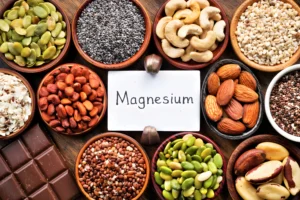
The most prudent approach to maintaining adequate magnesium levels is through a balanced diet rich in magnesium-containing foods. Excellent dietary sources include leafy green vegetables (like spinach and kale), nuts (almonds, cashews), seeds (pumpkin, chia), legumes, whole grains, avocados, and dark chocolate. A diverse dietary intake ensures a holistic supply of essential nutrients that work synergistically for optimal health.
Supplementation: When and How
For individuals with diagnosed magnesium deficiency or those whose dietary intake is insufficient, modest magnesium supplementation may be considered. However, this decision should always be made in consultation with a healthcare professional. Excessive magnesium intake can lead to adverse effects such as diarrhea, nausea, and in severe cases, cardiac issues. A doctor can determine the appropriate dosage and form of Mg supplement based on individual needs and medical history.
Addressing Underlying Conditions
It is paramount to recognize that erectile dysfunction can be an early warning sign of more serious underlying health conditions, such as cardiovascular disease, diabetes, or neurological disorders. Therefore, if an individual experiences ED, the primary course of action should always be to consult a doctor for a comprehensive evaluation. Relying solely on magnesium supplementation without addressing these potentially life-threatening conditions would be a significant oversight. Magnesium can be a valuable adjunct to a broader treatment plan, but it should not replace thorough medical investigation and management of underlying health issues. The human body is a complex system, and ED often signals an imbalance beyond just one nutrient.
In exploring the potential connection between magnesium and morning wood, it’s interesting to consider how various lifestyle factors can influence sexual health. For instance, a well-rounded diet and proper nutrition play crucial roles in overall well-being.
Conclusion
The connection between magnesium and morning wood, and more broadly, erectile function, is becoming increasingly clear. Recent scientific advancements have provided compelling evidence for a dose-dependent link between magnesium deficiency and ED risk, alongside concerns for increased mortality in deficient ED patients. Magnesium’s fundamental roles in vasodilation, nitric oxide synthesis, hormone balance, and metabolic health position it as a key player in maintaining robust erectile function. While the data strongly suggests that magnesium assessment and correction could be a valuable therapeutic avenue, it is crucial for individuals to adopt a holistic approach. This involves prioritizing magnesium-rich foods, considering modest supplementation under medical guidance, and most importantly, consulting a healthcare professional for a comprehensive evaluation of any erectile concerns. The goal is not just to address a symptom but to foster overall health and well-being.
]]>