Premature ejaculation, often referred to as PE or early ejaculation, is a common form of sexual dysfunction. It occurs when a man ejaculates sooner than he or his partner would like during sexual activity. This can happen before or very shortly after vaginal penetration.
While there’s no strict “normal” time for ejaculation, premature ejaculation is generally diagnosed when a man consistently ejaculates within approximately one minute of vaginal penetration, or prior to his desire. It’s fundamentally about a lack of control over the ejaculatory process.
This lack of ejaculation control can lead to significant frustration, impacting sexual satisfaction and overall sexual health for both the man and his partner. Many men seek urology care and a urologist consultation to address this common men’s health concern.
Causes of Premature Ejaculation
The causes of premature ejaculation (PE) are often complex, involving a mix of psychological and biological factors. Understanding these can be the first step towards effective ejaculation treatment and regaining sexual satisfaction.
For many men experiencing premature climax, a medical diagnosis is crucial. Consulting with a medical professional, such as a urologist, is often recommended to explore male health conditions related to sexual dysfunction.
Psychological Factors
Many cases of early ejaculation are linked to psychological elements. These can include stress, anxiety, guilt, or even depression. Performance anxiety, especially with a new partner or after a period of sexual difficulty, can significantly contribute to PE.
Relationship problems or a history of conditioning to ejaculate quickly, perhaps to avoid being caught during masturbation, can also play a role in developing premature ejaculation. Counseling for sex can be very helpful in addressing these underlying issues.
Biological Factors
Beyond psychological aspects, biological components can also contribute to premature ejaculation. These include neurotransmitter imbalances, particularly involving serotonin levels in the brain. Low serotonin levels are often associated with PE.
Other physical influences may include prostate problems, thyroid issues (both overactive and underactive), or abnormalities in the ejaculatory system. Some medical conditions, or even certain medications, can also be contributing factors to male sexual performance issues or erectile dysfunction.
The Mayo Clinic, a trusted resource for patient-centered care and urological health, highlights that thorough diagnostic procedures are essential to pinpoint these biological causes. This often involves a urologist consultation to ensure accurate ejaculation diagnosis and explore appropriate treatment methods.
Symptoms and Diagnosis Criteria for Premature Ejaculation

The main symptom of premature ejaculation, or PE, is the inability to control when you ejaculate. This means it happens sooner than you or your partner would like. This often leads to feelings of distress, frustration, or dissatisfaction with your sexual health.
You might be experiencing early ejaculation if you consistently ejaculate within about one minute of vaginal penetration, or even before penetration, against your desire. This is a key indicator for a medical diagnosis.
To accurately diagnose premature ejaculation, a medical professional, often a urologist, will discuss your medical and sexual history. Sometimes, a physical exam is also part of the diagnostic procedures. Joint assessment with partners can significantly improve diagnosis accuracy, as their perspective on sexual satisfaction is crucial.
This comprehensive approach helps distinguish PE from other male health conditions like erectile dysfunction, which can sometimes coexist. Understanding these symptoms is the first step towards effective ejaculation treatment and regaining control over your sexual performance.
Types of Premature Ejaculation
Premature ejaculation is categorized into two main types. Understanding these types is crucial for an accurate diagnosis and effective treatment planning for male sexual performance.
Lifelong Premature Ejaculation
Lifelong PE, also known as primary premature ejaculation, is present from a man’s very first sexual experience and continues consistently. Men with lifelong PE typically report always experiencing rapid ejaculation with little control, significantly impacting their sexual satisfaction. This form of early ejaculation can be a source of ongoing distress.
Acquired Premature Ejaculation
Acquired PE develops after a period of normal ejaculatory function. This type of premature ejaculation can often be linked to specific health issues, such as anxiety, stress, or even physical conditions like prostatitis. Identifying any new underlying causes is an important step in managing acquired premature ejaculation and is a key part of the urology care process. Consulting with a medical professional, such as a urologist, is vital for a proper medical diagnosis.
Treatment Options Overview for Premature Ejaculation
If you’re experiencing premature ejaculation, you’re not alone, and there’s good news: many effective treatment methods are available. These options range from behavioral techniques to medications and counseling. Often, the most successful approach involves a combination of these methods, carefully tailored to your specific needs and the type of premature ejaculation you experience.
For instance, behavioral therapy has shown significant promise for many men seeking ejaculation control, with effectiveness rates reported at over 60% in some studies. This highlights the importance of a comprehensive approach to address male sexual performance issues and improve sexual satisfaction.
Understanding these treatment methods is a crucial step in managing this common men’s health concern. A urologist consultation or a discussion with a medical professional can help determine the best path forward, ensuring patient-centered care.
Medications for Premature Ejaculation Treatment
Several medications can help you manage premature ejaculation. A urologist consultation is key to determining the most suitable option for your unique situation and to ensure comprehensive urology care.
Selective Serotonin Reuptake Inhibitors (SSRIs)
SSRIs, such as paroxetine, are commonly prescribed off-label for premature ejaculation. These medications can significantly increase ejaculation latency, often by 2-4 times. They work by altering serotonin levels in the brain, helping to delay premature climax and improve ejaculation control.
Studies and clinical trials have shown SSRIs to be effective in improving male sexual performance and sexual satisfaction for many men experiencing this common sexual dysfunction.
Topical Anesthetics
Topical anesthetics, available as creams or sprays, are applied directly to the penis. They work by reducing penile sensitivity, which can effectively help delay ejaculation. These are often used shortly before sexual activity and can provide immediate relief from early ejaculation.
This method offers a direct approach to prevent ejaculation and enhance sexual health, often without the systemic effects of oral medications.
Other Medications for Ejaculation Treatment
Other medications, including some tricyclic antidepressants and phosphodiesterase-5 inhibitors (often used for erectile dysfunction), may also be considered in certain cases of premature ejaculation. Your medical professional can provide detailed information on these options, ensuring patient-centered care.
It’s important to discuss all potential drug and supplement information with your doctor, especially if you have other male health conditions or are concerned about male sexual performance. Resources like the Mayo Clinic often provide comprehensive information on these treatment methods.
Behavioral and Psychological Techniques for Ejaculation Control

Behavioral techniques are a cornerstone of premature ejaculation treatment, empowering you to gain better control over your sexual response. These methods are often recommended by medical professionals and can significantly improve male sexual performance.
Stop-Start Method to Prevent Ejaculation
The ‘stop-start’ method involves stimulating the penis until you feel close to ejaculating, then stopping stimulation until the sensation subsides. This is repeated several times before allowing ejaculation. Studies show success rates for this method are around 50-70% in improving ejaculation control.
Pause-Squeeze Technique for Ejaculation Control
Similar to the stop-start method, the ‘squeeze’ technique involves stimulating to near ejaculation. At that point, you or your partner gently squeezes the head of the penis for about 30 seconds, reducing the urge to ejaculate. This helps improve ejaculation control and can be a vital part of your sexual health journey.
Counseling and Sexual Therapy for Premature Ejaculation
Counseling for sex and sexual therapy can address underlying psychological causes of premature ejaculation, such as anxiety or relationship issues. A sex therapist can provide strategies and support, often involving both partners to improve sexual satisfaction. This patient-centered care approach is often highlighted by institutions like the Mayo Clinic as crucial for comprehensive urology care and managing sexual dysfunction.
Comparison of Treatment Options for Premature Ejaculation
Understanding the various treatment methods for premature ejaculation (PE) is crucial for regaining control and improving your sexual health. As a common men’s health concern, effective ejaculation treatment often involves a combination of approaches tailored to your specific needs.
The Mayo Clinic emphasizes a patient-centered care approach, recommending a thorough medical diagnosis to identify the most suitable treatment methods. Here’s a comparison of common treatment approaches for premature ejaculation, often discussed during a urologist consultation:
| Treatment Type | Mechanism | Pros | Cons |
|---|---|---|---|
| Behavioral Techniques (Stop-Start, Squeeze) | Teaches control over arousal levels, helping to prevent ejaculation. | Non-invasive, no systemic side effects, empowers self-control over male sexual performance. Studies show success rates of 50-70%. | Requires practice and patience, may not be effective for all, especially those with severe premature climax. |
| Topical Anesthetics | Reduces penile sensitivity, delaying ejaculation. | Fast-acting, local effect, generally safe. Can increase ejaculation latency. | May transfer to partner, can temporarily reduce pleasure, a temporary solution for early ejaculation. |
| SSRIs (e.g., Paroxetine) | Increases serotonin levels in the brain, which delays ejaculation. | Highly effective for many, long-lasting effect with continued use. Can increase ejaculation latency by 2-4 times. | Requires prescription and medical professional resources, potential systemic side effects, not immediate. |
| Counseling/Sex Therapy | Addresses psychological factors, improves communication and relationship dynamics. | Holistic approach to sexual dysfunction, improves sexual satisfaction, long-term benefits for male health conditions. | Can be time-consuming, requires commitment from both partners, and may involve exploring underlying causes of premature climax. |
Lifestyle Changes and Self-Help Strategies for Ejaculation Control
Beyond specific treatments, certain lifestyle adjustments can support better sexual health and potentially help prevent ejaculation issues. Taking a proactive approach to your overall well-being is a key component of effective ejaculation treatment.
Regular exercise, a balanced diet, and stress management techniques can contribute to overall well-being, which in turn can positively impact male sexual performance and ejaculation control. Avoiding excessive alcohol and recreational drugs is also beneficial for urological health.
The Mayo Clinic emphasizes that a holistic approach to men’s health can significantly improve sexual satisfaction. Incorporating behavioral techniques, such as the stop-start method or the pause-squeeze technique, into your routine can also help you gain better control over premature ejaculation.
Addressing underlying psychological factors through counseling for sex or sexual therapy, alongside these lifestyle changes, can further enhance your ability to manage and prevent premature climax. This patient-centered care approach is vital for comprehensive urology care.
The Role of Your Partner and Sex Therapy in Ejaculation Treatment
Your partner’s involvement is crucial when addressing premature ejaculation. Open communication and mutual support are vital for both accurate diagnosis and effective ejaculation treatment. This collaborative approach fosters a shared understanding and helps overcome sexual dysfunction.
Sex therapy often includes both partners, creating a patient-centered care approach that can significantly improve intimacy and sexual satisfaction for the couple. This type of sexual therapy is a key component of comprehensive men’s health strategies.
Prevention and When to Seek Help for Premature Ejaculation
While complete prevention of premature ejaculation may not always be possible, understanding its causes and symptoms can certainly help. If you experience persistent issues with early ejaculation that cause distress or impact your relationship, it is important to seek help.
A urologist consultation or discussion with a general practitioner is recommended. They can provide a medical diagnosis and discuss appropriate treatment methods, ensuring you receive professional urology care. This initial step is crucial for addressing any underlying male health conditions contributing to sexual dysfunction.
Understanding the definition and causes of premature ejaculation is the first step toward managing it. Studies show that premature ejaculation affects approximately 30% of men at some point. Causes often include psychological factors, stress, and biological components such as neurotransmitter imbalances. Recognizing these factors can guide your approach to prevent ejaculation or seek timely ejaculation treatment.
When considering prevention, integrating behavioral techniques into your life can be beneficial. These include methods like the ‘stop-start’ method or the ‘pause-squeeze technique,’ which aim to improve ejaculation control. These behavioral techniques are often discussed in sexual therapy and can lead to improved sexual satisfaction.
If you are experiencing symptoms and diagnosis criteria point to premature ejaculation, a medical professional, perhaps from a reputable source like the Mayo Clinic, can offer guidance. They can help determine if it’s lifelong versus acquired premature ejaculation, which impacts the recommended treatment methods. This patient-centered care approach ensures you get the most effective support for your sexual health.
Potential Underlying Medical Conditions Affecting Ejaculation
Sometimes, premature ejaculation can be a symptom of an underlying medical condition. These can include hormonal imbalances, thyroid disorders, or even prostate inflammation. Recognizing these links is crucial for effective ejaculation treatment.
Therefore, thorough diagnostic procedures are important to rule out any other male health conditions that might be contributing to the problem. This ensures that the treatment targets the root cause, leading to better sexual satisfaction and overall men’s health.
For instance, conditions like erectile dysfunction can sometimes coexist with premature ejaculation, complicating male sexual performance. Addressing these underlying issues is a key aspect of urology care and comprehensive sexual health management.
“Premature ejaculation is a treatable condition, and seeking professional help can significantly improve a man’s quality of life and sexual satisfaction. Don’t hesitate to discuss your concerns with a medical professional.” This sentiment is echoed by many experts, including those at the Mayo Clinic, who emphasize patient-centered care and the importance of a medical diagnosis.
Conclusion: Taking Control of Premature Ejaculation
Premature ejaculation is a common and treatable sexual health issue, affecting roughly 30% of men at some point. It’s defined by early ejaculation, often within about one minute of vaginal penetration or sooner than desired. The good news is that various behavioral techniques, medications, and psychological support are available to help men achieve better ejaculation control and improve their sexual satisfaction.
References
Kegel exercises are highly effective for men aiming to enhance their pelvic health. These exercises target the pelvic floor muscles, which are essential for bladder control, sexual performance, and overall core stability.
Men may choose Kegels for various reasons, such as managing urinary incontinence, improving sexual function, preparing for prostate surgery, or posta radical prostatectomy as part of a recovery plan. Maintaining a strong and functional pelvic floor through Kegel exercises can significantly improve quality of life.
However, men often ask how effective these exercises are and how long it takes to see real benefits. Let’s explore!
Are Kegel Exercises Effective?
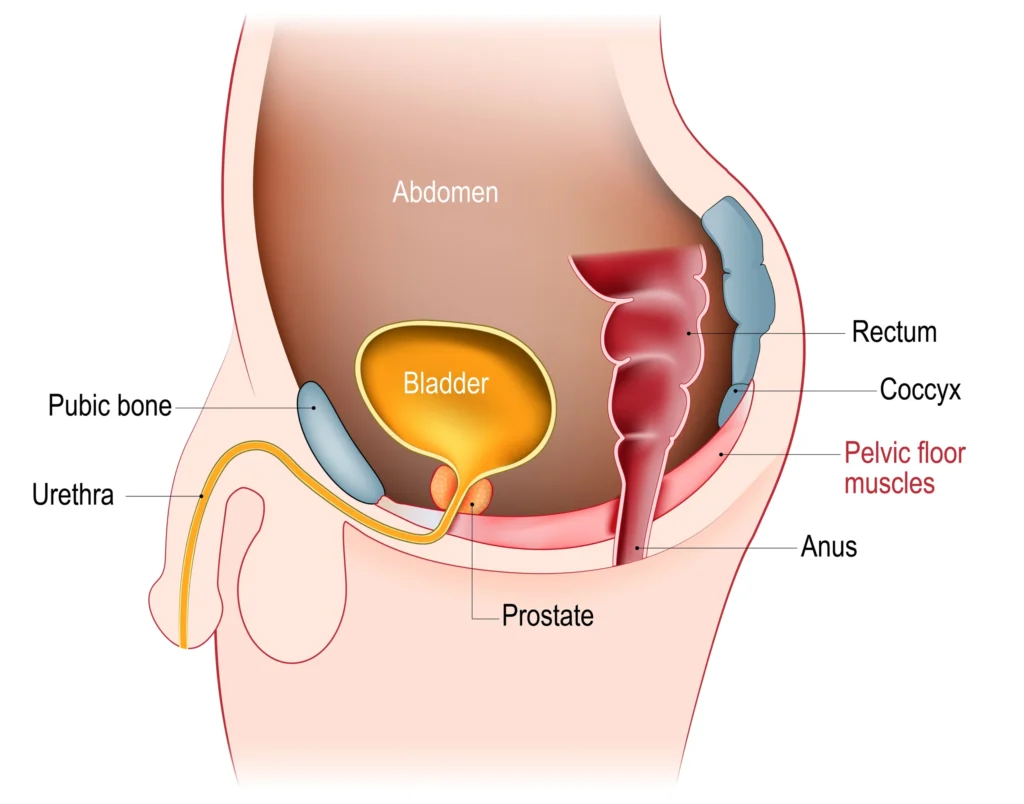
Absolutely, Kegel exercises are effective!
They strengthen the pelvic floor muscles, which support bladder control, bowel function, and sexual health. Multiple clinical studies confirm they can prevent or help manage urinary incontinence and other pelvic floor issues.
Research indicates that regular practice can improve sexual health for both men and women. Correctly identifying and engaging the pelvic floor muscles is crucial before beginning a Kegel routine.
For men, evidence shows that consistent Kegel exercises can boost erectile function, gain better ejaculation control, improve sexual satisfaction, and enhance bladder and bowel control.
The secret to successful Kegels lies in regularity and proper form. Performing them incorrectly may hinder results or cause issues.
Therefore, newcomers should consult a pelvic floor specialist or follow a professionally designed Kegel program for optimal guidance.
How Quickly Can Men Expect Results from Kegels?
Understanding that the timeframe for seeing results varies among individuals is essential.
Typically, men may notice improvements within a few weeks to up to several months of consistent practice. For those with pelvic floor dysfunction, progress may take a bit longer. Here’s a detailed overview:
Early Stage (0-2 weeks)
Initial changes might not be evident during the first two weeks. This phase is vital for learning correct technique and establishing a routine. Focus on accurately locating the pelvic floor muscles and performing exercises properly.
Using a professionally designed Kegel program can help ensure proper form and muscle engagement.
It’s common to feel unsure at first, but persistence is key. If you’re uncertain, consider consulting a pelvic health PT or expert to confirm proper technique.
Initial Progress (3-6 weeks)
Many men begin experiencing noticeable improvements between weeks three and six.
Be mindful not to activate your thigh muscles instead of the pelvic floor, as this common mistake can impede progress. You might observe better bladder control and less urinary leakage.
For those aiming to enhance sexual performance, increased ejaculation control, stronger orgasms, and firmer erections may become apparent.
Early signs of progress can motivate continued commitment.
Clear Improvements (7-12 weeks)
By the 2-3 month point, many men see more significant changes.
Symptoms of pelvic organ prolapse can improve within 6-8 weeks with consistent Kegels. Notable improvements in bladder control, including fewer leaks, often occur.
Sexual performance tends to improve markedly, with enhanced erectile function and stamina. This phase marks a pivotal point where benefits of regular practice are clearly visible.
Long-Term Results (Beyond 3 months)
Continuing exercises past three months solidifies the gains. By this time, pelvic floor muscles are stronger and more resilient, leading to lasting benefits for sexual health and pelvic function.
Many men dealing with incontinence report a major boost in quality of life, with better bladder control increasing confidence and comfort during daily activities. Consistent effort ensures these improvements are maintained and further enhanced.
Men seeking to improve sexual performance often experience greater control over ejaculation, increased erectile firmness, more intense orgasms, and stronger ejaculatory force. These advances improve confidence and satisfaction during intimacy.
Results vary depending on initial severity, overall health, and adherence. Some may see quicker changes, while others might take longer.
Patience and consistency are essential. The long-term benefits of Kegel exercises are well worth the effort, leading to sustained improvements in pelvic health and well-being.
Tips to Maximize Results from Kegel Exercises
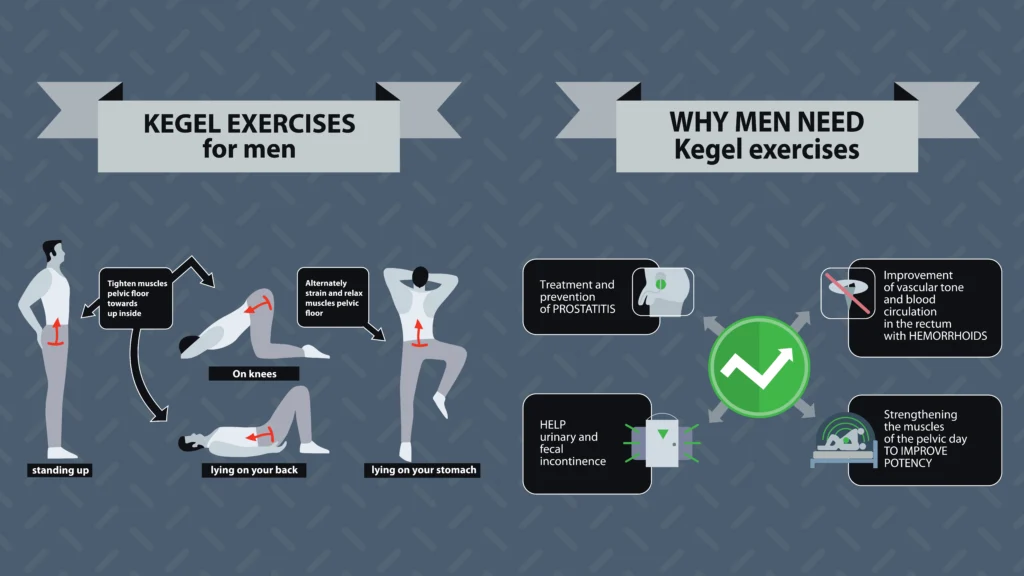
Achieving the best results with Kegels involves more than just regular practice. Proper technique, consistency, and strategic strategies play vital roles in optimizing outcomes.
Adding these tips to your routine will strengthen and rehabilitate your pelvic muscles, improving bladder control, sexual health, and overall pelvic function.
Practice Proper Technique
Correctly identifying the right muscles is the first step for effective Kegel exercises. One way is to pause urination midstream—those muscles used to do so are your pelvic floor muscles. Avoid clenching glutes, abdominal muscles, or thighs, as this can cause discomfort and reduce effectiveness.
Once identified, you can perform Kegels anywhere. Focus on relaxing other muscles while contracting the pelvic floor to target the right area.
If unsure about your form, consulting a healthcare provider or pelvic trainer can help ensure correct technique and maximize benefits.
Vary Your Routine for Better Results
Mixing different types of contractions is essential for overall strength and endurance. Avoid engaging your thigh muscles during exercises, which can diminish results. Incorporate quick contractions and longer holds to challenge different muscle fibers.
For example, do ten quick squeezes followed by five contractions held for 10 seconds each. Coming up with varied routines prevents boredom and promotes balanced muscle development.
Our Kegel training program for men includes diverse exercises within a structured plan, gradually increasing difficulty to prevent injury and overexertion while optimizing gains.
Monitor Your Progress with a Kegel Tracker
Documenting your exercises and improvements can boost motivation. Tracking how your bladder control, sexual function, and muscle strength evolve helps keep you committed.
Record number of reps, hold durations, and any challenges faced. Reviewing progress fosters a sense of achievement and allows you to fine-tune your routine for best results.
Add Resistance for Greater Strength
Just like resistance training enhances muscle strength, adding resistance to Kegel exercises can improve results. Nowadays it’s easier to find resistance rings or a guided program with ongoing coaching that ensures proper technique and gradual progression.
As an alternative, lifting a wet towel with an erect penis can provide added resistance at no extra cost. Incorporating resistance exercises significantly boosts pelvic muscle strength and durability.
Achieve Better Results with Kegel Training Apps
Kegel exercises offer many benefits for men, including improved bladder control, better sexual performance, and a stronger core.
While individual results may differ, consistent effort and correct form generally lead to visible improvements within weeks or months. Enhancing these outcomes involves regular practice, variation, and progress tracking.
Today you can find many Kegel training apps in the market that offer tailored sexual health programs to help men achieve real results. Top-rated Kegel routines ensure targeted muscle engagement and steady progress, with guidance from sexual performance coaches to prevent overexertion and maximize gains for stronger pelvic muscles, improved bladder control, and better sexual health.
Make your own research, don’t think too mucho and start improving your sexual health and overall performance!
]]>What Is the Squeeze Technique?
The squeeze or pause-squeeze method is aimed at managing and potentially overcoming premature ejaculation. It is a form of self-help therapy designed to enhance control over ejaculation and extend the duration of sexual activity. This technique involves applying firm pressure to the base of the penis to decrease sexual tension and delay ejaculation. Developed by renowned sex researchers William Masters and Virginia Johnson in the 1970s, the technique is based on the premise that ejaculation is a reflex governed by the central nervous system, and disrupting this reflex can help individuals gain better control over their arousal levels.
The Science Behind the Squeeze Technique
The goal of the squeeze method is to interrupt the sexual response cycle by lowering arousal and prolong ejaculation. Applying pressure at the base of the penis temporarily diminishes sexual excitement, helping individuals develop better control over when they ejaculate. Scientifically, the method works by stimulating the pudendal nerve when pressure is applied to this area, which is involved in the ejaculatory reflex. This stimulation can momentarily reduce arousal and postpone ejaculation. Moreover, the technique can increase awareness of sexual responses, enabling better recognition and control of sensations leading to ejaculation.
While the squeeze technique is one among several behavioral strategies to address premature ejaculation, others such as the stop-start method or using desensitizing creams can be combined to improve results. Overall, it offers a non-invasive, medication-free way to manage premature ejaculation. However, its effectiveness varies, and consulting a healthcare provider or sex therapist for tailored guidance is always recommended.
Step-by-step Guide to Implementing the Squeeze Technique for Premature Ejaculation
The squeeze method is a valuable behavioral tool to assist men in managing premature ejaculation, a condition characterized by the inability to control ejaculation during intercourse. By interrupting the sexual response at key moments, it supports delaying ejaculation. Here’s a detailed step-by-step approach to applying the squeeze technique:
- Learn about the method: Familiarize yourself with how and why the squeeze approach works. This involves applying pressure to the penis to reduce arousal temporarily and delay ejaculation.
- Discuss with your partner: Communicate openly with your partner about using this technique. Make sure both are comfortable with this approach and understand its purpose.
- Engage in sexual activity: Start sexual stimulation (foreplay or intercourse) until you feel the instinct to ejaculate. Monitor your arousal levels and sensations carefully.
- Recognize the point of no return: While stimulating, identify the “point of no return,” the moment just before ejaculation when it’s most difficult to stop. Recognizing this allows for effective intervention.
- Apply pressure: When nearing the point of no return, either you or your partner should firmly press the base of the penis where the shaft meets the head using your thumb and forefinger.
- Maintain pressure: Hold the squeeze for approximately 4-10 seconds, until the urge to ejaculate lessens. The pressure should be firm but not painful or uncomfortable.
- Release and pause: After squeezing, release pressure and pause sexual activity for about 30 seconds or until the sensation diminishes. Use this moment to relax and reduce arousal.
- Resume activity: Once the urgency subsides, continue sexual stimulation and repeat the process if necessary, always being aware of the point of no return.
- Practice regularly: Consistent use of this method can improve your control over ejaculation over time. Regular practice helps in mastering the technique and increasing confidence.
Note that the squeeze technique may not work equally for everyone, and underlying health issues causing premature ejaculation should be addressed with the help of a healthcare professional or sex therapist for best results.
Important Considerations When Using the Squeeze Technique
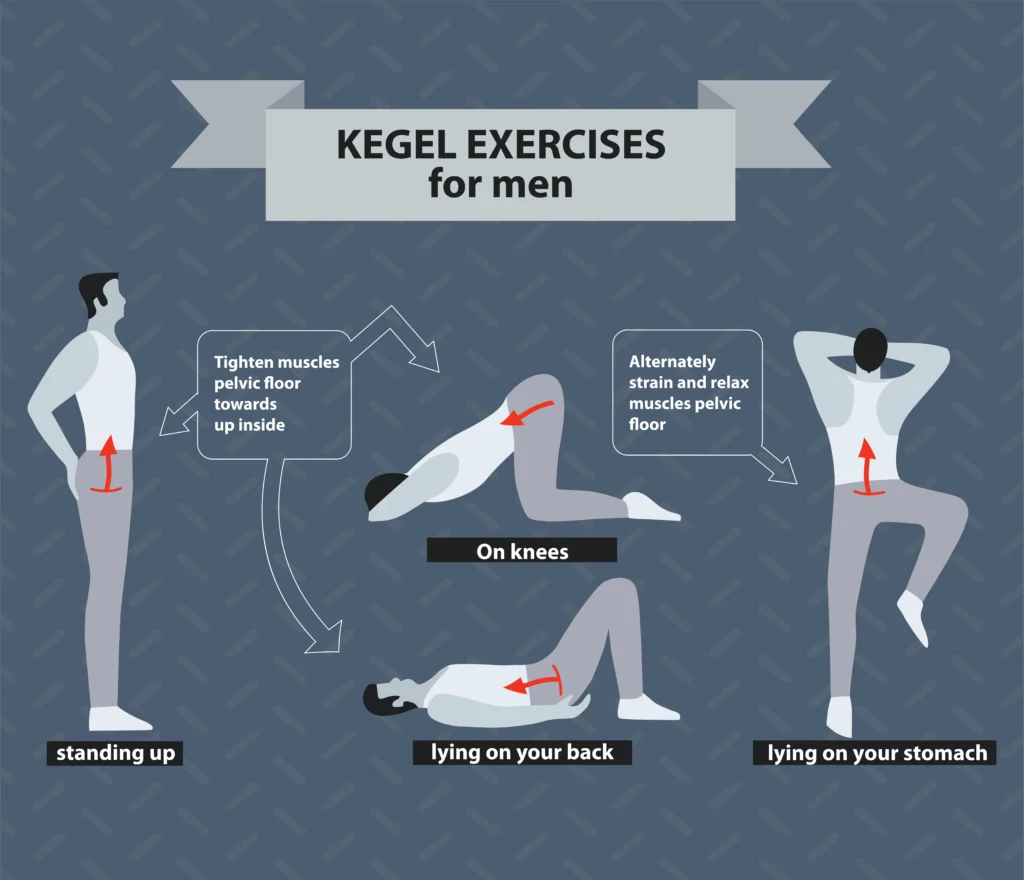
When applying the squeeze method to manage premature ejaculation, it’s essential to incorporate additional practices for optimal results. These include practicing Kegel exercises, avoiding numbing agents, timing the squeeze appropriately, using thicker condoms, maintaining honest communication with your partner, and most importantly, being patient and consistent in your efforts. Let’s look at these considerations in detail.
- Perform Kegel exercises: Engage in Kegel exercises regularly to strengthen pelvic muscles involved in ejaculation control. This can enhance your ability to delay ejaculation and improve the effectiveness of the squeeze method.
- Prioritize overall sexual health: Adopt a healthy lifestyle, manage stress effectively, and address any medical or psychological issues contributing to premature ejaculation. Good sexual health practices can positively influence treatment success.
- Be cautious with numbing agents: Using topical anesthetics or numbing creams/sponges might help delay ejaculation but should be used cautiously and under medical advice to avoid reducing pleasure for both partners.
- Time the squeeze accurately: Apply pressure during sexual activity when the urge to ejaculate arises. Proper timing is vital; too early or too late application reduces effectiveness.
- Communicate openly with your partner: Discuss the technique beforehand so both understand and are comfortable with it. Clear communication enhances cooperation and success.
- Use specialized condoms: Opt for thicker or climax-control condoms that can diminish penile sensitivity and help delay ejaculation. Experiment to find the most suitable type for you.
- Be patient and persistent: Mastery of the squeeze method requires time and regular practice. Keep working on it with patience, as results can improve gradually.
- Seek professional advice: If premature ejaculation persists or causes distress, consult a healthcare provider or sex therapist for personalized care and additional treatment options.
Does the Squeeze Technique Actually Work?
Yes, the squeeze approach has been proven to be effective for many men in delaying ejaculation and gaining better control over sexual responses. However, individual outcomes vary, and further research continues to evaluate its long-term benefits. The technique involves applying pressure to the area between the penis and scrotum or the base of the penis right before ejaculation, to suppress the ejaculatory reflex. By disrupting ongoing stimulation, it can prolong the time until ejaculation. Although many users report success, it may not work universally or offer lasting results. Since causes of premature ejaculation can be psychological, relational, or medical, the effectiveness depends on individual factors. Consulting a healthcare or sexual health specialist for tailored advice and treatment strategies can optimize outcomes.
Other Available Treatment Options for Premature Ejaculation
In addition to the squeeze technique, various other treatments are available for premature ejaculation, including:
- Behavioral strategies like the stop-start method
- Medications, topical creams, and sprays
- Pelvic floor muscle training
- Desensitizing condoms and sprays
- Acupuncture
- Herbal remedies
- Combination approaches for enhanced effectiveness
Relying solely on the squeeze technique might not be sufficient; hence, exploring a broader range of options is advisable. Here’s a closer look at these treatments:
Behavioral Approaches
- Stop-Start Technique: This technique involves stimulating the penis until the point of imminent ejaculation, then pausing to let arousal decrease before restarting. It helps in building better control over ejaculation reflexes.
- Psychological counseling: Working with a sex therapist can help address emotional or psychological factors such as anxiety, performance pressure, or relationship difficulties that contribute to premature ejaculation.
Therapies like cognitive-behavioral therapy can modify thoughts and behaviors related to sexual performance, improving overall control.
Topical and Medications
- Numbing Creams and Sprays: These products contain agents like lidocaine or benzocaine, which decrease penile sensitivity when applied before intercourse, extending duration.
- Medications: SSRIs such as sertraline, paroxetine, or fluoxetine can be prescribed to delay ejaculation. They work by increasing serotonin levels to improve control, but may have side effects and require ongoing use. Additionally, medications like sildenafil (Viagra) or tadalafil (Cialis) primarily treat erectile dysfunction but can sometimes help delay ejaculation when combined with other therapies.
Pelvic Floor Exercises
- Kegel workouts: Strengthening pelvic muscles through regular Kegel exercise improves control over ejaculation and enhances muscle endurance during sexual activity.
Desensitizing Products
- Specialized Condoms: Thicker or delay condoms designed to reduce sensation can be useful tools for lasting longer during sex.
- Delay Sprays: Applied prior to sex, these sprays contain anesthetic agents to suppress sensitivity temporarily, helping to delay ejaculation.
Alternative Therapies
Some individuals find relief through acupuncture, which involves stimulating specific points in the body to restore energy flow and potentially improve sexual performance.
Herbal Supplements
Herbal options like ginkgo biloba, Tribulus terrestris, or Withania somnifera are sometimes used to support sexual health, but their effectiveness can vary. Always consult a healthcare professional before using herbal remedies.
Combining Treatments

Using a combination of behavioral techniques, medications, and counseling tends to produce better results than relying solely on one method. A healthcare professional specializing in sexual health can help tailor an integrated plan suited to individual needs. Effectiveness depends on underlying causes and personal factors, so seeking personalized guidance is essential.
Frequently Asked Questions
Q: Can the squeeze technique be applied during sex? A: Absolutely. The squeeze method can be performed during sexual activity—either by the partner or yourself—to help postpone ejaculation and prolong the encounter.
Q: Is it possible for both partners to use the squeeze technique? A: Yes, it is. The person experiencing premature ejaculation can ask their partner to assist with applying the squeeze, fostering cooperation and mutual effort in managing the condition.
Q: Can this technique be combined with medication? A: Certainly. The squeeze technique often complements medications like SSRIs or topical creams. Combining methods under medical supervision can enhance control over ejaculation.
Q: How soon can one expect results with the squeeze method? A: The timeline varies. Some men notice improved control in a short period, while for others, consistent practice over weeks is necessary. Patience and ongoing communication with a partner can increase success rates.
Q: Is the squeeze technique suitable for lifelong premature ejaculation? A: Yes, it can be effective for lifelong cases. While it may not eliminate the condition completely, it helps manage and delay ejaculation, contributing to more satisfying sexual experiences. Combining it with other treatments, like therapy or medication, can provide more comprehensive management.
In summary, the squeeze technique is a respected behavioral tool for controlling premature ejaculation. By applying pressure at the right moment, users can disrupt the process leading to ejaculation and gain increased control over arousal. It’s simple, non-invasive, and can be practiced independently or with a partner’s help. Although it may not serve as a cure, it can significantly enhance sexual performance and satisfaction. Results differ among individuals, requiring patience and regular practice for optimal outcomes. For those dealing with premature ejaculation, the squeeze method offers a practical approach to improving bedroom confidence and intimacy.
]]>Some sex positions are inherently more stimulating, which can rapidly elevate male arousal—this is unfavorable if the individual is already experiencing symptoms of premature ejaculation.
Identifying the optimal sexual position for one’s needs boosts self-assurance and helps increase the duration before climax.
This article details which sexual positions can enable individuals to achieve greater endurance by facilitating superior ejaculatory management.
To begin exploring the positions that enhance male endurance, it is essential to first grasp the underlying reasons why certain stances aid in climax management.
Why Certain Sex Positions Help You Last Longer in Bed
When aiming to improve ejaculatory performance, professionals highlight three key variables that can significantly extend sexual duration.
- Depth of thrust
- Complexity of holding a position
- Ability to relax and breathe in a position
Exploring novel positions or modifying current favorites to incorporate these criteria points is an excellent way to delay climax and experience more sustained sexual encounters.
Knowing which sexual position best works for you will give you confidence and extend your time before ejaculation.
Explore these nine suggested sex positions to determine which ones align best with the individual’s body type and physical needs for improved bedroom longevity.
Sex Positions to Help You Last Longer
The following sexual positions are described primarily from the male point of view.
Sex Position #1
Modified Cowgirl

The modified cowgirl stance brilliantly merges minimal penetration depth, ease of execution, and complete physical repose.
How-to:
- Start by lying flat on your back with a pillow to help prop your head up.
- Have your partner straddle on top of your body with one leg on either side of your hips.
- As she slowly lowers onto your penis, have her lean slightly forward or back to help introduce a more shallow penetration at a slow, controlled pace.
- Grinding can be beneficial in reducing the depth of penetration too!
Sex Position #2
Reverse Female Rider
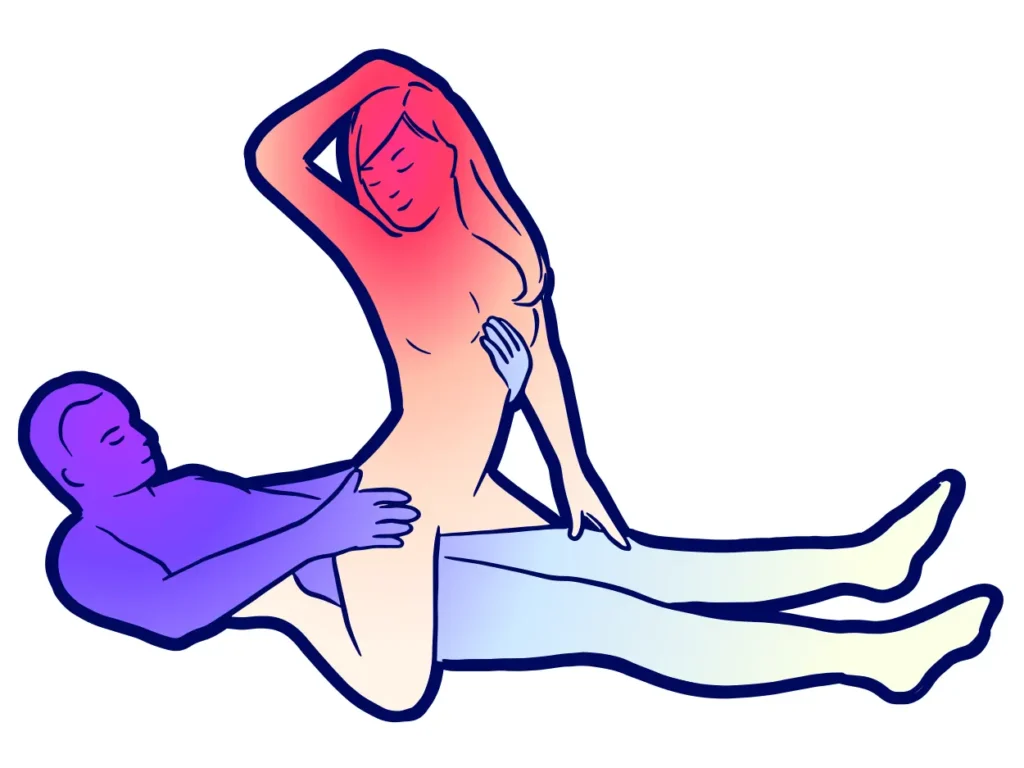
Following the modified cowgirl, the reverse female rider is an ideal position because it requires minimal muscle engagement, helping to extend climax and promote more lengthy lovemaking.
Similar to the modified cowgirl, the reverse female rider involves the partner straddling the man, but with her facing away. This change in orientation can provide novel stimulation angles, resulting in a distinct sexual encounter.
Sex Position #3
Spooning

How-to:
- As the “big spoon”, lay behind your partner, facing the same direction and cuddle up close behind her hips.
- Lift her top leg as you slowly guide your penis inside
- Then rest her leg on top of your body.
Much like the cowgirl variations, the spooning position facilitates muscle relaxation, thereby providing superior control over arousal levels.
To enhance closeness, individuals should utilize any available free hand to pleasure their partner, engaging in manual clitoral stimulation, breast play, or, if mutually desired, consensual anal exploration.
Sex Position #4
Side-by-Side

The side-by-side position ensures the man remains in control, promoting physical relaxation, deep face-to-face connection, and extended climax duration.
How-to:
- Begin by lying down on your bed facing your partner.
- Relax your body and pull her top leg over your hips helping your partner to hold her own leg with one hand
- Using your own hand to guide your penis inside her, draw close and gently grind your bodies into one another in a circular motion.
This stance is often highly gratifying for the female partner as it liberates the man’s hands, allowing him to prioritize clitoral stimulation over intense depth of penetration.
Sex Position #5
The Chairman
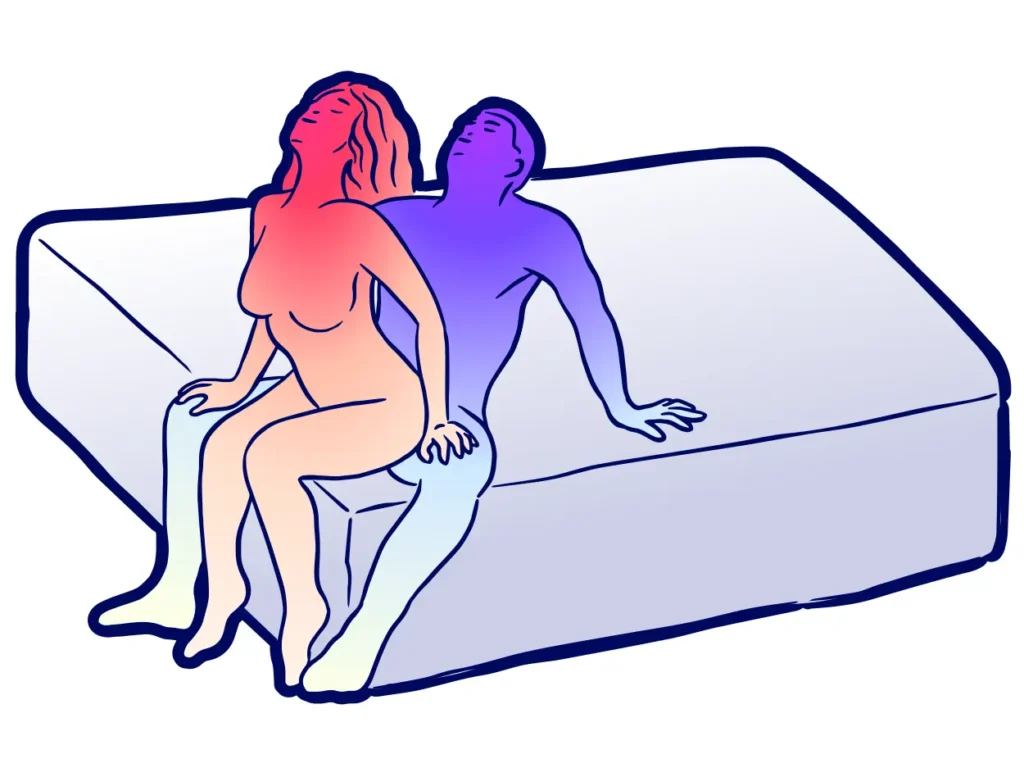
Whether it’s on a chair, the floor, or on the side of the bed, we’re operating on the same partner in control, slower sex, at your partner’s pace and arousal level..
How-to:
- Begin by sitting your partner on your lap, facing away from you
- From here, your partner can control the angle of penetration and guide your penis inside, and also toward the connected clitoral nerves just inside the front of her vagina
- Use your arms and the incredible access to your partner’s body to touch her and increase the chances to bring her to climax faster
Sex Position #6
Seated Lotus

The seated lotus is an extraordinarily intimate modification of a standard position, delivering heightened physical connection and sustained eye contact.
How-to:
- Begin by sitting upright on the bed with your legs crossed.
- Have your partner lower herself onto your lap with her legs wrapped around your back as you guide your penis into her.
- From here, she can grind her hips into your body to create a slower build-up to climax without any thrusting.
- This position helps stimulate her g-spot while allowing you to relax your body as she rides you.
Sex Position #7
Standing With Her Leg Lifted

The standing position is superb for diverting mental focus away from immediate pleasure, thereby aiding in stamina development and delaying orgasm.
How-to:
- To begin, have your partner face you or while you enter her standing position.
- While both are standing, you’ll experience a shallow penetration depth as you thrust.
This stance provides control over the tempo, enabling the participant to decrease speed or pause entirely when needed.
Sex Position #8
Missionary Grind

While the traditional missionary position often leads to quicker climaxes for men, the missionary grind variation emphasizes deliberate grinding motions rather than fast, intense thrusting.
How-to:
- Begin with your partner lying on her back on the bed.
- You can use a pillow to prop her hips up slightly as you kneel in front of her body, opening her legs wide to get closer.
- Using your hips, grind your pelvis into her body in a slow, circular motion to enjoy the stimulating pleasure of non-penetrative missionary sex.
Sex Position #9
Lowered Doggy Style
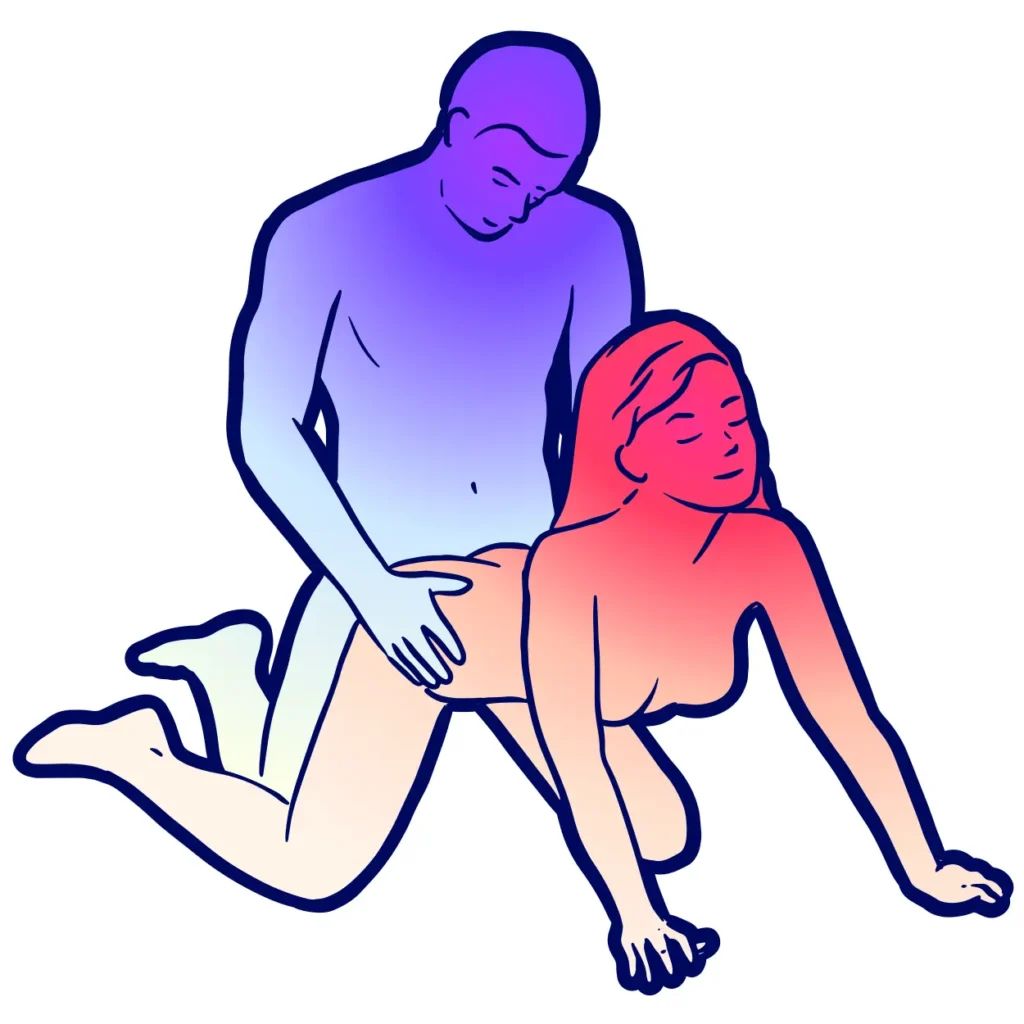
For those who love the doggy-style sex position but find it triggers rapid climax, the lowered doggy style modification offers an excellent solution!
How-to:
- Starting in a regular doggy style position with your partner bent over in a tabletop position.
- Enter her from behind and gently lower her down so you’re lying flat on top of her body.
Even though this position involves deep insertion, the urge can be managed by focusing on grinding motions instead of thrusting, all while maintaining g-spot stimulation.
Effective Treatments for Premature Ejaculation
It is crucial to understand that while specific sexual positions assist in postponing climax during intimacy, they do not inherently improve long-term overall stamina.
Healthcare professionals might suggest several potent treatment strategies, tailored according to the underlying root causes of premature ejaculation, which encompass both biological and mental components.
Pelvic Floor Exercises
Kegel exercises are highly advantageous for men, helping to fortify the muscles of the pelvic floor and enhance control over erectile performance.
Research published in the Therapeutic Advances in Urology journal confirms that Kegels effectively restore pelvic muscle function, thereby alleviating symptoms associated with chronic premature ejaculation.
Pause and Squeeze Technique
The pause and squeeze method is excellent for developing endurance and managing the impulse toward rapid climax. When arousal peaks, withdraw and gently compress the glans of the penis with two fingers until the intense sensation diminishes.
Topical Anesthetic
Numerous readily available delay spray products are designed to lessen sensitivity, promoting extended pleasure and longer sexual encounters!
Urologists frequently endorse the application of regulatory-approved male delay sprays,, to enhance stamina and address premature ejaculation concerns.
KEY TAKEAWAYS
- Simply adjusting techniques slightly can dramatically increase sexual duration, leading to a more satisfying sex life for both partners.
- The most effective sexual positions for managing the urge to climax are those that minimize thrusting depth, reduce complexity, and facilitate relaxation and controlled breathing.
- While these 9 positions are helpful tools for increasing ejaculatory threshold and control during sex, they are not a definitive cure for premature ejaculation but offer superior climax management.
- Leading treatment options recommended by urologists for sexual dysfunction include Kegel exercises, the pause and squeeze technique, and the use of topical anesthetics.
What Factors Contribute to Premature Ejaculation?
PE arises from a combination of psychological and physical factors. Mental contributors include low self-esteem regarding one’s body, worry about performance, history of sexual trauma, depressive disorders, conflicts in relationships, and high stress levels. Physical factors often involve genetic predispositions, imbalances in hormone levels, and increased penile sensitivity. Additionally, various medical conditions can influence premature ejaculation, either triggering or worsening its progression. These are:
- Erectile dysfunction: ED frequently appears alongside PE. If a person struggles to get or sustain an erection, they might hurry sexual intercourse to prevent detumescence, resulting in premature ejaculation. Conversely, the stress stemming from PE can also contribute to ED development.
- Chronic prostatitis: Chronic prostatitis involves inflammation of the prostate gland. This condition may induce pain and discomfort, potentially causing increased sensitivity and tightness in the pelvic area, thereby fostering premature ejaculation.
- Thyroid disorders: Issues with the thyroid, particularly hyperthyroidism (an excessively active thyroid), can disrupt the body’s hormonal equilibrium. Such hormonal shifts may impair the ability to regulate ejaculation, leading to PE.
- Neurological conditions: Disorders affecting the nervous system, such as spinal cord damage, multiple sclerosis, and neuropathy, can disrupt the nerve signals responsible for controlling ejaculation. This signal interruption can result in the difficulty of postponing climax.
- Anxiety, stress and depression: General nervousness, specific performance worries, and intense stress can elevate arousal levels, triggering premature ejaculation. Psychological elements are significant drivers of PE, and anxiety tends to intensify the problem. Depression can lower libido and arousal. Individuals struggling with depression may experience a reduced capacity to manage their ejaculatory response, contributing to PE.
- Relationship issues: Conflict within a partnership, deficiencies in emotional bonding, or poor communication often generate tension and worry during sexual activity, which can contribute to premature ejaculation.
- Substance abuse: Consumption of alcohol, illicit drugs, and certain pharmaceuticals can influence neurotransmitter function in the brain, potentially compromising ejaculatory control.
The correlation between various health issues and premature ejaculation is not uniform across all individuals. Addressing the primary health concern—be it via medical treatment, psychological counseling, or modifications to daily habits—can frequently result in a reduction of premature ejaculation symptoms.
Signs Indicating Premature Ejaculation

The hallmark sign of PE is the difficulty in postponing climax, resulting in unfulfilling sexual encounters. This circumstance often provokes emotional hardship, diminishes self-worth, and introduces difficulties into partnerships. It must be recognized that premature ejaculation is possible in any sexual context, including self-stimulation (or solo activity). If the subsequent points are experienced regularly, it may indicate a deeper problem:
- Rapid ejaculation: The main indicator of PE is reaching climax earlier than intended during sexual activity. This may happen immediately after or even prior to penetration, generating feelings of disappointment and annoyance for both individuals involved.
- Lack of control: Those affected by PE typically find it hard to manage their ejaculation reflex. Despite trying to hold back, ejaculation may occur involuntarily, making it difficult to extend sexual duration.
- Negative self-image: Individuals dealing with PE might form a poor perception of themselves concerning their sexual capabilities. This negative view can go beyond sexual situations and influence general self-assurance.
- Performance anxiety: Worrying about premature climax can trigger performance anxiety, thereby reinforcing the pattern of early ejaculation. The anxiety itself often contributes directly to PE episodes.
- Reduced sexual intimacy: Recurrent PE episodes can diminish the physical and emotional closeness that typically results from extended sexual encounters. This situation risks straining emotional bonds within the partnership.
- Distress and frustration: Ongoing PE often results in significant emotional discomfort and irritation, establishing a harmful loop where concern over PE intensifies the issue. This emotional weight affects overall quality of life.
When Should Professional Help Be Sought?
If premature ejaculation frequently interferes with sexual life and adversely affects emotional health or the partnership, seeking advice from a medical expert such as a primary care doctor, urologist, or specialized sex therapist is highly advisable, as they can accurately diagnose the underlying triggers and recommend personalized treatment plans.
Having established a clear understanding of PE, we will now examine various long-term strategies and suggestions aimed at enhancing sexual performance.
Strategies for Handling Premature Ejaculation
Several measures are available for controlling PE. These involve:
- Behavioral techniques: These methods focus on incrementally developing mastery over the ejaculatory response through conscious effort and practice. Methods such as the “stop-start” method and the “squeeze” technique are effective tools for enhancing control over time.
- Kegel exercises: Kegels are suitable for anyone possessing pelvic floor muscles. These exercises require tightening and releasing the muscles of the pelvic floor. These muscles are essential for regulating bladder and bowel function, as well as influencing the control of ejaculation. Strengthening the pelvic floor via Kegels can boost regulation and postpone climax.
- Counselling and therapy: Sex therapy is beneficial for addressing mental aspects linked to PE, such as relationship conflicts or performance worries. Stress, anxiety, and depression that exacerbate PE can also be alleviated through professional counseling. Therapists assist clients, individually or as couples, in identifying triggers, mitigating sexual performance anxiety, enhancing dialogue, and formulating effective coping mechanisms.
- Medications: Physicians may occasionally recommend selective serotonin reuptake inhibitors (SSRIs) as a pharmacological method to help postpone climax.
- Lifestyle adjustments: Changes in daily habits can influence PE indirectly. Minimizing stress, maintaining a nutritious diet, engaging in regular physical activity, and ensuring sufficient rest are vital for general health and for improving ejaculatory management.
- Patience and consistency: Overcoming PE requires time and persistence. Dedication to practicing recommended exercises, techniques, and therapeutic approaches is crucial for achieving lasting progress. Acknowledge and appreciate every minor success throughout this journey.
Providing Support to a Partner Dealing with Premature Ejaculation

Partners are encouraged to provide assistance by fostering transparent discussion, demonstrating empathy, and engaging in any suggested practices or exercises. Shared patience and prioritizing the emotional bond can significantly reduce the sense of pressure experienced by the individual.
Suggestions for Extending Sexual Closeness
Some tips for prolonging sexual intimacy are:
- Emphasize foreplay: Dedicate time to extended foreplay activities to boost excitement and postpone climax.
- Varying positions: Exploring different sexual postures may help decrease physical sensitivity and extend the duration of the encounter.
- Distraction techniques: Consciously shift mental focus away from the nearing climax to extend the period of activity.
- Controlled breathing: Slow, deep breaths can assist in lowering anxiety levels and delaying ejaculation.
Grasping the underlying factors of premature ejaculation, consulting experts when necessary, and employing a range of strategies are essential steps toward better ejaculatory management and improved sexual health. Partners are indispensable in offering empathy and encouragement, cultivating a unified approach toward achieving a rewarding and intimate sexual life.
]]>