Erectile dysfunction (ED), the ongoing difficulty in achieving or maintaining an erection suitable for sex, is a common issue that tends to increase with age. While factors like psychological stress, hormonal imbalances, and nerve problems can contribute, high cholesterol is a significant, often overlooked cause. Its impact on erectile function is complex, mainly affecting the blood vessels.
Blockages in Arteries and Impaired Blood Flow
Sound erections depend on healthy blood flow to the penis. During arousal, the corpora cavernosa fill with blood as the penile arteries relax, allowing circulation. High cholesterol causes plaque buildup—fatty deposits—in artery walls. This condition, known as atherosclerosis, narrows arteries and hampers the smooth flow of blood.
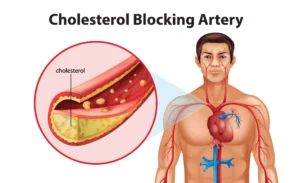
Atherosclerosis and the Penile Blood Supply
The arteries feeding the penis are affected by atherosclerosis, too. As cholesterol deposits form, the inner lining becomes uneven and constricted. This limits blood flow volume and slows its delivery, meaning even with stimulation, the corpora cavernosa may not receive enough blood to produce or sustain an erection.
Nitric Oxide and Its Role in Erections
Erectile function relies heavily on nitric oxide (NO), which widens blood vessels—vasodilation. NO is made by cells lining the blood vessels, including those in the penis. When released, it relaxes smooth muscles, boosting blood flow. High cholesterol severely hampers NO production and availability.
Endothelial Damage
The endothelium, the vessel lining, becomes dysfunctional due to high cholesterol. Oxidative stress—primarily from LDL (“bad”) cholesterol—damages these cells, reducing NO synthesis. Additionally, plaques can physically block NO release and promote harmful molecules that counteract its effects. This combination results in decreased vasodilation, impairing erections.
The Cycle of Inflammation
Elevated cholesterol triggers chronic inflammation inside arterial walls. This damages the endothelium further, accelerates plaque buildup, and makes arteries stiffer. The resulting hostile environment diminishes overall vascular health, including the capacity to produce and maintain erections.
Oxidative Stress and Penile Tissue Damage
Besides causing arterial narrowing, high cholesterol increases oxidative stress throughout the body, including within penile tissues. This imbalance between free radicals—unstable molecules that damage cells—and the body’s defenses leads to tissue damage.
LDL and Radical Formation
Particularly, LDL or “bad” cholesterol, is involved in oxidative stress. When oxidized, it is more likely to be taken up by immune cells, forming foam cells that drive inflammation and plaque growth. Oxidized LDL also harms cells in blood vessel walls, including smooth muscle and endothelium cells.
Damage to Penile Smooth Muscle and Nerves
The ongoing inflammation and oxidative stress can directly hurt smooth muscle cells in the corpora cavernosa, reducing their response to NO. Small nerves vital for signaling sexual arousal may also be damaged, adding to erectile difficulties.
Cholesterol and Sexual Desire: Hormonal and Libido Effects
While its effect on erections is well-known, it also influences key aspects of sexual desire and hormonal balance that govern libido.
Cholesterol and Testosterone Production
Testosterone is critical for libido, mood, and energy, all vital for a healthy sex life. Cholesterol is an essential precursor for testosterone synthesis within the testes’ Leydig cells. A healthy cholesterol level supports optimal testosterone production.
Steroid Hormone Synthesis from Cholesterol
All steroid hormones, including testosterone, estrogen, and cortisol, originate from cholesterol. The molecule converts to pregnenolone through enzymatic steps, serving as the foundation for hormone creation. Imbalanced cholesterol levels can disrupt this process, affecting hormone levels.
Ideal balance for Hormone Production
While high cholesterol damages blood vessels, very low levels can limit the raw materials for testosterone. Nonetheless, the main concern regarding sexual health is how elevated cholesterol often coincides with hormonal disturbances.
High Cholesterol’s Effect on Testosterone
Interestingly, conditions leading to high cholesterol—such as obesity, insulin resistance, and chronic inflammation—are often linked to lower testosterone levels. These issues impair the Leydig cells’ ability to produce testosterone, even when cholesterol is abundant. Inflammation can also interfere with hormonal signaling pathways.
Impact on Other Sex Hormones
Cholesterol’s influence extends beyond testosterone. It can indirectly affect hormones like cortisol, elevated during inflammation, which can dampen libido and cause fatigue.
Thyroid Hormones and Sexual Function
Although not synthesized from cholesterol, thyroid hormones regulate metabolism and energy, both crucial for sexual performance. Metabolic syndrome, associated with high cholesterol, can impair thyroid function, leading to decreased libido and sexual performance issues.
Hormonal and Vascular Interactions
Hormonal balance and vascular health are interconnected. Testosterone influences blood vessels, while poor vascular health from high lipids can reduce hormone effectiveness, creating a vicious cycle.
Early Signs: When it Starts Affecting Sexual Life
High cholesterol often has no symptoms, with many unaware until serious cardiovascular issues arise. However, early signs may appear in sexual health. Persistent erectile problems or lowered libido, especially alongside other heart disease risk factors, should prompt medical evaluation.

Noticeable Changes in Erection Quality
Men concerned might observe erections becoming less firm or fading faster during sex. These subtle changes can initially be mistaken for fatigue or stress.
Morning Erections as Indicators
Having morning erections usually reflects good vascular health. A decrease or absence might suggest blood flow issues, potentially caused by high cholesterol.
Difficulty Maintaining Erections
Some men can initiate an erection but struggle to keep it, or experience difficulty with penetration. Such new problems merit medical attention.
Reduced Libido and Sexual Interest
A consistent decline in sexual desire or lack of interest can be linked to hormonal imbalances or the physical and mental effects of chronic conditions like high cholesterol.
Fatigue and Reduced Energy
High lipids, particularly with metabolic syndrome, can cause fatigue and low energy, reducing sexual motivation and desire.
Emotional Effects and Mood
Chronic health issues, such as high cholesterol, can negatively influence mental health. Anxiety, depression, and low mood can further diminish libido and enjoyment of intimacy.
Managing Cholesterol: Protecting Your Heart and Sexual Health
Recognizing the link between cholesterol and sexual wellness encourages men to actively control lipid levels. Efforts to lower lipids often improve erectile function and libido.
Lifestyle Changes as the Main Strategy
Healthier habits form the foundation of managing cholesterol and improving sexual health. These adjustments not only lower lipids but enhance overall quality of life.
Diet for Heart and Sexual Wellness
A heart-friendly diet involves reducing saturated and trans fats from sources like red meats, full-fat dairy, and processed foods. Focus on healthy fats from olive oil, avocados, nuts, and seeds. Increasing soluble fiber from oats, beans, fruits, and vegetables can lower LDL levels.
Benefits of Plant-Based Foods
Consuming more fruits, vegetables, whole grains, and legumes provides nutrients and fiber that help lower cholesterol and fight inflammation. Rich in antioxidants, these foods help combat oxidative stress.
Cutting Back on Processed Foods and Sugar
Limiting processed foods and sugars reduces inflammation and improves lipid profiles, offering significant benefits for vascular and sexual health.

Physical Activity’s Role in Heart and Sexual Function
Engaging in regular aerobic activity—aiming for at least 150 minutes of moderate or 75 minutes of vigorous exercise weekly—boosts cardiovascular health. Exercise reduces LDL, increases HDL (“good” cholesterol), and improves blood flow.
Enhancing Blood Flow and NO Production
Regular activity promotes healthy endothelium, aiding nitric oxide production, leading to better vasodilation and improved erections.
Weight Loss and Sexual Well-being
Maintaining a healthy weight benefits cholesterol and hormone levels. Shedding excess weight improves insulin sensitivity, reduces inflammation, and can raise testosterone levels.
Ceasing Smoking for Better Blood Vessels
Smoking significantly damages blood vessels, hampers blood flow, and accelerates atherosclerosis. Quitting smoking is one of the most effective steps to enhance both heart and sexual health, as nicotine constricts vessels and worsens vessel damage.
Medical Solutions When Lifestyle Changes Aren’t Enough
When lifestyle adjustments don’t achieve desired cholesterol levels, medications supervised by healthcare providers become necessary. These can markedly improve lipid profiles and thus benefit sexual function.

Statins and Erectile Function
Statins, the most prescribed cholesterol-lowering drugs, reduce LDL by blocking liver enzyme activity. Many studies indicate statins can improve erections by decreasing inflammation and improving endothelial health, including nitric oxide availability.
How Statins Work
By lowering LDL and reducing plaque buildup, statins enhance blood flow, directly supporting stronger and more reliable erections.
Side Effects and Sexual Health
While generally safe, statins can cause muscle pain or weakness in some men. Rarely, sexual side effects are reported, but their benefits often outweigh these concerns. Discussing symptoms with a doctor is essential.
Other Medications
Alternative drugs like PCSK9 inhibitors, ezetimibe, and fibrates help manage cholesterol, either alone or combined with statins. Their purpose is to lower cardiovascular risk and promote healthier blood vessels, which benefits sexual performance.
Regular Check-ups for Long-term Management
Consistent medical visits are vital for tracking cholesterol, assessing cardiovascular risks, and catching issues early. A proactive approach ensures tailored interventions for heart and sexual health.
Testing and Monitoring
Routine lipid screening, starting in adulthood, detects high lipids early, allowing for intervention before significant artery damage occurs.
Open Dialogue with Healthcare Providers
Discuss honestly any sexual health concerns or changes with your doctor. Their input helps craft the best overall plan, considering both cholesterol levels and sexual function.
]]>Peruvian communities, who have consumed it for hundreds of years, suggest that maca root provides positive impacts on general wellness and sexual function, such as boosting energy and metabolism, supporting brain and cardiac health, easing menopausal issues in women, enhancing libido, and minimizing sexual impairment.
Due to these purported advantages for health and therapeutic attributes, maca has gained increased recognition within complementary and alternative medical practices recently.
Whether you are already aware of maca root’s advantages for males (or are discovering them presently), you might question if it genuinely offers favorable results for sexual wellness. Below is the essential information.
Defining Maca
Academically, maca is identified as Lepidium meyenii or Lepidium meyenii Walp. It is also frequently referred to as Peruvian maca or Peruvian ginseng.
While maca exists in various shades, yellow, red, and black are encountered most often. A significant number of individuals favor yellow maca roots because of their pleasant taste and broad spectrum of wellness advantages. Furthermore, certain studies indicate that maca’s potential health effects might differ depending on its hue.
The root of maca is typically processed into powder or transformed into gelatinized root powder. These forms lend an earthy taste when incorporated into food, and some consumers mix maca powder into their coffee or smoothies seeking increased vitality. Maca extract is also frequently marketed as an herbal supplement in the form of capsules or tablets.
However, what are maca’s effects on men, and what is the actual evidence supporting maca root’s advantages? We will clarify if there are sexual benefits of maca root for males, address widespread misconceptions regarding maca powder and extract, and review possible side effects.
Advantages of Maca Root for Males
Maca root contains an abundance of various nutrients, including fiber, vital amino acids, fatty acids, calcium, antioxidants such as vitamin C, and numerous other biologically active components thought to contribute to its therapeutic attributes.
The question remains: are maca extracts or powdered maca root capable of boosting libido? Is it possible that maca root’s actions could alleviate sexual impairments such as ED (erectile dysfunction) or premature ejaculation?
Continue reading for details concerning the health advantages of maca root specifically for men.
Enhances Sexual Desire
Is the widespread notion of maca being an aphrodisiac accurate? Certain data points to enhanced libido as a possible advantage of maca for male consumers.
In a systematic review published in 2010 examining how L. meyenii affects sexual performance, findings from four rigorous studies involving 131 individuals indicated that maca root boosted sexual appetite after a minimum duration of six weeks.
Nevertheless, the studies analyzed within the review were limited in size, leading researchers to state that the existing evidence was insufficient for forming definitive judgments.
Therefore, despite the encouraging nature of the research, it remains uncertain whether the benefits of maca root on libido are conclusive.
Alleviates Sexual Impairment
Maca root has the potential to enhance sexual performance; notably, maca’s influence might assist individuals dealing with erectile dysfunction, which represents one of themost prevalent forms of sexual impairment.
The previously mentioned review also examined findings from a single randomized controlled trial, concluding that maca exhibited greater efficacy than a placebo among subjects suffering from mild erectile dysfunction.
Nevertheless, this particular study lacked sufficient size to establish a definitive conclusion regarding maca’s efficacy in treating erectile dysfunction or other forms of sexual impairment.
Improves Fertility
Certain research indicates that consuming maca for reproductive purposes might be advantageous and could boost male sexual health, specifically by enhancing sperm concentration and quality.
A preliminary investigation involving 20 men demonstrated that participants who used maca extract supplements showed improvements in sperm motility and count after three months. Nonetheless, the sample size of this study was very limited.
A separate minor placebo-controlled preliminary trial included 69 men suffering from either low sperm count, poor sperm motility, or both conditions. Relative to the placebo group, daily supplementation with 2 grams of maca substantially raised sperm count after 12 weeks. Yet, no changes were observed in sperm shape, motility, or semen volume.
In the same vein, a systematic review conducted in 2023, which analyzed five studies on how Lepidium meyenii impacts sperm motility and sperm cell concentration, yielded inconsistent findings regarding maca’s utility for infertile men. Further investigation is necessary to confirm the validity of maca root as a fertility aid.
Positive Effects on Benign Prostatic Hyperplasia (BPH)
Benign prostatic hyperplasia describes the condition where the prostate—a vital, walnut-sized gland for reproductive health—becomes swollen. BPH has the capacity to impact sexual performance, possibly resulting in erectile dysfunction, diminished sexual gratification, and decreased libido.
Research conducted on animals implies that extracts derived from maca root could contribute to reducing the size of the prostate. Nonetheless, further investigation is required to ascertain maca root’s influence on BPH in human populations.
Increases Vitality

A key advantage frequently associated with maca powder is its ability to enhance energy levels.
In a double-blind, placebo-controlled study from 2016 involving 175 participants, consuming 3 grams of black or red maca every day for 12 weeks resulted in higher energy levels compared to the placebo group.
A parallel investigation into maca’s effects on mice revealed comparable outcomes, showing that maca extracts specifically enhanced metabolic function.
Aminor study from 2023 observed 44 male professional athletes who consumed 2.5 grams of 100 percent concentrated black maca extract twice daily for eight weeks. The findings suggested that black maca contributed to better aerobic metabolism among these athletes.
Although this body of research appears favorable, more extensive trials are necessary to confirm whether maca extracts or powdered maca root genuinely boost energy levels.
Misconceptions Regarding Maca Root Advantages
Are there additional authentic sexual advantages of maca root for men? Are maca extracts capable of enhancing testicular performance and elevating circulating testosterone levels? Regarding penile rigidity, does maca truly result in size increase?
Despite assertions that maca extract or powdered maca root can enhance sexual capabilities—with the internet frequently suggesting methods to utilize maca for testosterone elevation, for instance—scientific backing for these claims remains scarce.
Adverse Reactions to Maca Root
Research indicates that consuming maca is typically safe and does not result in harmful side effects.
Astudy involving 175 participants demonstrated that a daily 3-gram intake of red or black maca over a three-month period was tolerated effectively and did not produce any severe adverse reactions.
While adverse effects from maca root are infrequent, a small number of individuals report minor gastrointestinal problems or headaches.
An editorial piece from 2024 expressed worries that the stimulating nature of maca might negatively influence mood and sleep patterns. Nonetheless, these issues require additional research for confirmation.
Maca Root for Males: Does It Deliver Value?
For hundreds of years, maca root has been utilized due to its perceived capacity to treat various health ailments.
Among the alleged benefits for men, maca root is claimed to reduce sexual impairment and enhance male reproductive capacity, concurrently offering potential prostate size reduction and energy enhancement.
While limited-scale studies suggest encouraging impacts on men’s sexual function, the outcomes are inconsistent, necessitating further research, particularly clinical trials, to fully comprehend maca’s effects.
This sentiment was reinforced by apublication in 2018, which stressed that numerous health assertions concerning maca lack complete scientific validation currently, demanding additional research. The authors further pointed out that sufficient data is unavailable to establish the optimal dosage, frequency, or duration of maca use necessary to yield benefits.
At present, the most scientifically validated and efficient therapies for sexual dysfunction include medications for erectile dysfunction and treatments for premature ejaculation. Standard ED interventions are oral drugs, such as Viagra® (sildenafil), Levitra® (vardenafil), Stendra® (avanafil), and Cialis® (tadalafil).
Should you have concerns regarding reproductive health, fertility, or your testosterone concentration, consider researching methods for naturally raising testosterone or exploring dietary items that elevate testosterone levels.
Alternatively, schedule a consultation with a medical professional to investigate the root cause of diminished sex drive or testosterone and determine the most appropriate course of treatment.
]]>Additionally, medical conditions such as diabetes, obesity, and cardiovascular diseases can also play a significant role. These conditions can lead to reduced blood flow and nerve function, which are crucial for sexual arousal and satisfaction. Psychological factors are equally influential in shaping one’s sex drive.
Stress, anxiety, and depression can create a mental block that inhibits sexual desire. For example, an individual experiencing chronic stress may find it difficult to relax enough to engage in sexual activity. Furthermore, past traumas or negative experiences related to intimacy can create barriers to sexual enjoyment.
Relationship dynamics also contribute significantly; unresolved conflicts or lack of emotional connection with a partner can diminish the desire for physical intimacy. Understanding these multifaceted causes is essential for addressing decreased libido effectively.
Key Takeaways
- Decreased sex drive can be caused by a variety of factors including hormonal imbalances, stress, relationship issues, and certain medications.
- Maintaining a healthy lifestyle through regular exercise, balanced diet, and adequate sleep can help improve libido.
- Open and honest communication with your partner about your needs and concerns is essential for a healthy sex life.
- Seeking professional help from a therapist or counselor can be beneficial for addressing underlying issues affecting low libido.
- Exploring alternative therapies such as acupuncture or yoga can help reduce stress and improve overall well-being, leading to a healthier sex life.
Maintaining a Healthy Lifestyle to benefit Sex Drive
A healthy lifestyle is foundational for maintaining a robust sex drive. Regular physical activity not only enhances overall health but also boosts libido by improving circulation and increasing energy levels. Engaging in aerobic exercises, such as running or swimming, can elevate heart rate and promote blood flow to the pelvic region, which is vital for sexual arousal.
Strength training can also be beneficial, as it helps in building muscle mass and increasing testosterone levels in men. Moreover, exercise releases endorphins, which can enhance mood and reduce stress, further contributing to a healthy sex drive. Nutrition plays a pivotal role in sexual health as well.
A balanced diet rich in fruits, vegetables, whole grains, and lean proteins can improve overall well-being and energy levels. Certain foods are particularly known for their aphrodisiac properties; for instance, dark chocolate contains flavonoids that can enhance blood flow, while nuts like almonds and walnuts are rich in essential fatty acids that support hormone production. Staying hydrated is equally important; dehydration can lead to fatigue and decreased libido.
By prioritizing a healthy lifestyle through diet and exercise, individuals can create a solid foundation for a fulfilling sexual life.
Communicating with Your Partner

Open communication with your partner is crucial when addressing issues related to decreased sex drive. Discussing feelings about intimacy can help both partners understand each other’s needs and concerns better. It is essential to create a safe space where both individuals feel comfortable expressing their thoughts without fear of judgment or rejection.
For example, if one partner feels overwhelmed by work stress, discussing this openly can lead to mutual understanding and support, fostering a more intimate connection. Moreover, exploring each other’s desires and preferences can reignite passion in the relationship. Engaging in conversations about fantasies or experimenting with new activities can enhance intimacy and strengthen the emotional bond between partners.
It is important to approach these discussions with empathy and patience; rather than placing blame or expressing frustration, focusing on collaborative solutions can lead to positive outcomes. By prioritizing communication, couples can navigate the complexities of decreased libido together, ultimately enhancing their sexual relationship.
Seeking Professional Help
When decreased sex drive becomes a persistent issue that affects quality of life or relationships, seeking professional help may be necessary. Healthcare providers specializing in sexual health can offer valuable insights into underlying medical conditions that may be contributing to low libido. For instance, endocrinologists can assess hormonal levels and recommend appropriate treatments if imbalances are detected.
Additionally, therapists or counselors who specialize in sexual health can provide strategies for addressing psychological barriers that may be impacting sexual desire. Therapy can be particularly beneficial for couples experiencing intimacy issues. A trained therapist can facilitate discussions about sensitive topics and help partners navigate their feelings in a constructive manner.
Cognitive-behavioral therapy (CBT) has been shown to be effective in treating anxiety and depression, which are often linked to decreased libido. By addressing both individual and relational factors through professional guidance, couples can work towards restoring their sexual connection.
Exploring Alternative Therapies
Alternative therapies have gained popularity as complementary approaches to enhancing sexual health and addressing decreased libido. Acupuncture is one such method that has been explored for its potential benefits in improving sexual function. By targeting specific points on the body, acupuncture aims to balance energy flow and promote relaxation, which may enhance sexual desire.
Some studies suggest that acupuncture may help alleviate stress and anxiety, thereby indirectly improving libido. Another alternative therapy worth considering is mindfulness meditation. This practice encourages individuals to focus on the present moment without judgment, which can help reduce anxiety and increase self-awareness.
By fostering a deeper connection with one’s body and emotions, mindfulness may enhance sexual experiences and improve overall satisfaction. Couples may also benefit from engaging in mindfulness exercises together, creating a shared space for intimacy that transcends physical interactions.
Trying Natural Supplements
Natural supplements have emerged as a popular option for individuals seeking to boost their sex drive without resorting to pharmaceuticals. One of the most well-known supplements is maca root, a Peruvian herb that has been traditionally used to enhance libido and improve sexual function. Research indicates that maca may help increase sexual desire in both men and women by balancing hormone levels and improving energy.
Another supplement gaining attention is ginseng, particularly Korean red ginseng. Studies have shown that ginseng may improve erectile function in men and enhance sexual arousal in women. Additionally, L-arginine, an amino acid that promotes blood flow by increasing nitric oxide levels in the body, has been linked to improved sexual function.
While these natural supplements may offer benefits, it is essential to consult with a healthcare provider before starting any new regimen to ensure safety and efficacy.
Managing Stress and Anxiety
Stress and anxiety are significant contributors to decreased sex drive; therefore, managing these factors is crucial for restoring libido. Techniques such as deep breathing exercises, yoga, and progressive muscle relaxation can help alleviate tension and promote relaxation. For instance, practicing yoga not only enhances flexibility but also encourages mindfulness and body awareness, which can positively impact sexual experiences.
Incorporating regular relaxation practices into daily routines can create a more conducive environment for intimacy. Setting aside time for hobbies or activities that bring joy can also serve as an effective stress reliever. Whether it’s painting, gardening, or reading, engaging in pleasurable activities allows individuals to unwind and shift focus away from stressors.
By actively managing stress and anxiety through various techniques, individuals can create a more favorable mental state for rekindling their sex drive.
Making Time for Intimacy
In today’s fast-paced world, making time for intimacy often takes a backseat to daily responsibilities and obligations. However, prioritizing intimate moments is essential for maintaining a healthy sex life. Scheduling regular date nights or dedicated time for intimacy can help couples reconnect on both emotional and physical levels.
This intentional approach allows partners to focus solely on each other without distractions from work or family commitments. Creating an inviting atmosphere can also enhance the experience of intimacy. Simple gestures such as dimming the lights, playing soft music, or preparing a romantic meal can set the stage for connection.
Additionally, exploring new environments—whether it’s a weekend getaway or simply rearranging the bedroom—can reignite excitement and passion within the relationship. By consciously making time for intimacy and fostering an environment conducive to connection, couples can work towards overcoming challenges related to decreased sex drive together.
For men over 40 looking to increase their libido, understanding the broader context of health and lifestyle can be beneficial. While focusing on physical health and hormonal balance is crucial, it’s also important to consider the role of mental and emotional well-being. Many articles in our site explore how you can enhance your sense of identity and emotional health, which can indirectly contribute to overall well-being and vitality, potentially impacting sex drive positively.
]]>Additionally, neurotransmitters such as dopamine and serotonin play crucial roles in regulating mood and desire, meaning that imbalances can lead to diminished libido. Understanding these underlying mechanisms is essential for addressing the issue effectively. Psychological factors also contribute significantly to low libido.
Stress, anxiety, and depression can create a mental environment that is not conducive to sexual desire. For instance, an individual experiencing high levels of stress may find it difficult to relax enough to engage in sexual activity. Furthermore, past traumas or negative experiences related to intimacy can create barriers to sexual desire.
Social factors, such as relationship dynamics and societal expectations, can also play a role. A lack of emotional connection with a partner or feeling pressured to perform can further exacerbate feelings of low libido. Recognizing these multifaceted influences is the first step toward finding effective solutions.
Key Takeaways
- Low libido can be caused by a variety of factors including stress, anxiety, medical conditions, and relationship issues.
- Making lifestyle changes such as regular exercise, a healthy diet, and getting enough sleep can help boost libido.
- Open and honest communication with your partner about your feelings and desires is essential for addressing low libido.
- Seeking professional help from a therapist or sex therapist can provide valuable support and guidance in addressing low libido.
- Exploring sensual and erotic activities with your partner can help reignite passion and intimacy in the relationship.
Lifestyle Changes for Boosting Libido
Making lifestyle changes can have a profound impact on libido. One of the most significant areas to focus on is physical health. Regular exercise not only improves overall well-being but also enhances blood circulation and boosts energy levels, both of which are vital for a healthy sex drive.
Engaging in activities such as jogging, swimming, or even yoga can help release endorphins, which are known to elevate mood and increase feelings of desire. Additionally, maintaining a balanced diet rich in vitamins and minerals can support hormonal health. Foods high in zinc, such as oysters and pumpkin seeds, are particularly beneficial for testosterone production, which plays a crucial role in sexual desire for both men and women.
Sleep quality is another critical factor that often goes overlooked. Poor sleep can lead to fatigue and irritability, both of which can diminish libido. Establishing a regular sleep routine and creating a restful environment can help improve sleep quality.
Limiting screen time before bed and practicing relaxation techniques such as meditation or deep breathing can also contribute to better sleep hygiene. Furthermore, reducing alcohol consumption and quitting smoking are essential lifestyle changes that can enhance sexual health. Both substances have been shown to negatively affect libido and overall sexual performance.
Communicating with Your Partner

Effective communication with your partner is vital when addressing issues related to low libido. Open discussions about sexual desires, preferences, and concerns can foster intimacy and understanding within the relationship. It is essential to approach these conversations with sensitivity and empathy, ensuring that both partners feel safe expressing their feelings without fear of judgment or rejection.
For instance, setting aside time for a candid conversation about each other’s needs can help clarify misunderstandings and strengthen emotional bonds. Moreover, discussing low libido openly can help normalize the experience and reduce feelings of isolation or shame. Many individuals may feel embarrassed about their lack of interest in sex, but sharing these feelings with a partner can create an environment of support and reassurance.
It may also be beneficial to explore each other’s love languages—understanding how you both express and receive love can enhance emotional intimacy and potentially rekindle sexual desire. Engaging in non-sexual physical affection, such as cuddling or holding hands, can also help bridge the gap between emotional connection and physical intimacy.
Seeking Professional Help
| Metrics | Data |
|---|---|
| Percentage of people seeking professional help | 45% |
| Reasons for seeking professional help | Anxiety, Depression, Relationship issues |
| Types of professional help sought | Therapy, Counseling, Psychiatry |
| Effectiveness of professional help | 70% reported improvement |
When lifestyle changes and communication efforts do not yield the desired results, seeking professional help may be necessary. A healthcare provider or therapist specializing in sexual health can offer valuable insights into the underlying causes of low libido. They may conduct assessments to rule out any medical conditions or hormonal imbalances that could be contributing to the issue.
For example, conditions such as hypothyroidism or diabetes can affect sexual desire and function, making it essential to address these health concerns first. Therapy can also provide a safe space for individuals or couples to explore their feelings about sex and intimacy. Cognitive-behavioral therapy (CBT) has been shown to be effective in addressing issues related to sexual dysfunction by helping individuals identify negative thought patterns and develop healthier coping strategies.
Additionally, sex therapy specifically focuses on improving sexual relationships and addressing any psychological barriers to intimacy. A trained therapist can guide couples through exercises designed to enhance communication and intimacy, ultimately leading to improved sexual satisfaction.
Exploring Sensual and Erotic Activities
Exploring sensual and erotic activities can be an exciting way to reignite passion and boost libido. Engaging in activities that focus on pleasure rather than performance can help alleviate pressure associated with sexual encounters. This could include trying out new forms of touch, such as massages or sensual baths, which allow partners to connect physically without the expectation of intercourse.
Such experiences can foster intimacy and create a more relaxed atmosphere conducive to desire. Incorporating erotic literature or films into your routine can also stimulate interest in sexual activities. These mediums can serve as inspiration for new ideas or fantasies that couples may want to explore together.
Additionally, attending workshops or classes focused on intimacy and sexuality can provide couples with tools to enhance their connection. Whether it’s learning about different techniques or exploring new forms of expression, these activities can help couples rediscover their desires in a supportive environment.
Managing Stress and Anxiety
Stress and anxiety are significant contributors to low libido, making it essential to develop effective management strategies. Mindfulness practices such as meditation or yoga can be particularly beneficial in reducing stress levels. These practices encourage individuals to focus on the present moment, helping to alleviate worries about performance or external pressures that may hinder sexual desire.
Regularly incorporating mindfulness into daily routines can lead to improved mental clarity and emotional stability. Additionally, engaging in hobbies or activities that bring joy can serve as an effective stress reliever. Whether it’s painting, gardening, or playing a musical instrument, finding time for personal interests allows individuals to unwind and recharge emotionally.
Social support is also crucial; spending time with friends or family members who uplift you can provide a sense of belonging and reduce feelings of isolation that often accompany stress and anxiety.
Addressing Medical Concerns
Addressing any underlying medical concerns is crucial when dealing with low libido. Hormonal imbalances are often at the forefront of these issues; for instance, low testosterone levels in men can lead to decreased sexual desire and performance issues. In women, hormonal changes during menopause can result in vaginal dryness and discomfort during intercourse, further diminishing interest in sex.
Consulting with a healthcare provider for hormone testing may provide insights into whether hormonal therapy could be beneficial. Other medical conditions such as diabetes, cardiovascular disease, or certain medications may also impact libido. Antidepressants, for example, are known to have side effects that include reduced sexual desire.
It is essential for individuals experiencing low libido to have open discussions with their healthcare providers about any medications they are taking and explore potential alternatives if necessary. A comprehensive approach that considers both physical health and mental well-being is vital for effectively addressing low libido.
Embracing Self-Care and Self-Love
Embracing self-care and self-love is fundamental in addressing low libido effectively. Individuals must prioritize their own well-being by engaging in activities that promote self-esteem and body positivity. This could involve practicing self-compassion through positive affirmations or engaging in regular physical activity that makes one feel good about their body.
Taking time for oneself—whether through relaxation techniques like baths or indulging in favorite hobbies—can enhance overall mood and create a more positive self-image. Additionally, exploring one’s own body through solo activities such as masturbation can help individuals reconnect with their desires without the pressure of a partner’s expectations. This exploration allows for greater understanding of personal preferences and what brings pleasure, which can ultimately enhance sexual experiences with partners as well.
Cultivating a mindset of self-acceptance fosters an environment where individuals feel more comfortable expressing their needs and desires within intimate relationships. By understanding the multifaceted nature of low libido and implementing lifestyle changes while fostering open communication with partners, individuals can take significant steps toward enhancing their sexual health and overall well-being.
]]>