Erectile dysfunction (ED), the ongoing difficulty in achieving or maintaining an erection suitable for sex, is a common issue that tends to increase with age. While factors like psychological stress, hormonal imbalances, and nerve problems can contribute, high cholesterol is a significant, often overlooked cause. Its impact on erectile function is complex, mainly affecting the blood vessels.
Blockages in Arteries and Impaired Blood Flow
Sound erections depend on healthy blood flow to the penis. During arousal, the corpora cavernosa fill with blood as the penile arteries relax, allowing circulation. High cholesterol causes plaque buildup—fatty deposits—in artery walls. This condition, known as atherosclerosis, narrows arteries and hampers the smooth flow of blood.

Atherosclerosis and the Penile Blood Supply
The arteries feeding the penis are affected by atherosclerosis, too. As cholesterol deposits form, the inner lining becomes uneven and constricted. This limits blood flow volume and slows its delivery, meaning even with stimulation, the corpora cavernosa may not receive enough blood to produce or sustain an erection.
Nitric Oxide and Its Role in Erections
Erectile function relies heavily on nitric oxide (NO), which widens blood vessels—vasodilation. NO is made by cells lining the blood vessels, including those in the penis. When released, it relaxes smooth muscles, boosting blood flow. High cholesterol severely hampers NO production and availability.
Endothelial Damage
The endothelium, the vessel lining, becomes dysfunctional due to high cholesterol. Oxidative stress—primarily from LDL (“bad”) cholesterol—damages these cells, reducing NO synthesis. Additionally, plaques can physically block NO release and promote harmful molecules that counteract its effects. This combination results in decreased vasodilation, impairing erections.
The Cycle of Inflammation
Elevated cholesterol triggers chronic inflammation inside arterial walls. This damages the endothelium further, accelerates plaque buildup, and makes arteries stiffer. The resulting hostile environment diminishes overall vascular health, including the capacity to produce and maintain erections.
Oxidative Stress and Penile Tissue Damage
Besides causing arterial narrowing, high cholesterol increases oxidative stress throughout the body, including within penile tissues. This imbalance between free radicals—unstable molecules that damage cells—and the body’s defenses leads to tissue damage.
LDL and Radical Formation
Particularly, LDL or “bad” cholesterol, is involved in oxidative stress. When oxidized, it is more likely to be taken up by immune cells, forming foam cells that drive inflammation and plaque growth. Oxidized LDL also harms cells in blood vessel walls, including smooth muscle and endothelium cells.
Damage to Penile Smooth Muscle and Nerves
The ongoing inflammation and oxidative stress can directly hurt smooth muscle cells in the corpora cavernosa, reducing their response to NO. Small nerves vital for signaling sexual arousal may also be damaged, adding to erectile difficulties.
Cholesterol and Sexual Desire: Hormonal and Libido Effects
While its effect on erections is well-known, it also influences key aspects of sexual desire and hormonal balance that govern libido.
Cholesterol and Testosterone Production
Testosterone is critical for libido, mood, and energy, all vital for a healthy sex life. Cholesterol is an essential precursor for testosterone synthesis within the testes’ Leydig cells. A healthy cholesterol level supports optimal testosterone production.
Steroid Hormone Synthesis from Cholesterol
All steroid hormones, including testosterone, estrogen, and cortisol, originate from cholesterol. The molecule converts to pregnenolone through enzymatic steps, serving as the foundation for hormone creation. Imbalanced cholesterol levels can disrupt this process, affecting hormone levels.
Ideal balance for Hormone Production
While high cholesterol damages blood vessels, very low levels can limit the raw materials for testosterone. Nonetheless, the main concern regarding sexual health is how elevated cholesterol often coincides with hormonal disturbances.
High Cholesterol’s Effect on Testosterone
Interestingly, conditions leading to high cholesterol—such as obesity, insulin resistance, and chronic inflammation—are often linked to lower testosterone levels. These issues impair the Leydig cells’ ability to produce testosterone, even when cholesterol is abundant. Inflammation can also interfere with hormonal signaling pathways.
Impact on Other Sex Hormones
Cholesterol’s influence extends beyond testosterone. It can indirectly affect hormones like cortisol, elevated during inflammation, which can dampen libido and cause fatigue.
Thyroid Hormones and Sexual Function
Although not synthesized from cholesterol, thyroid hormones regulate metabolism and energy, both crucial for sexual performance. Metabolic syndrome, associated with high cholesterol, can impair thyroid function, leading to decreased libido and sexual performance issues.
Hormonal and Vascular Interactions
Hormonal balance and vascular health are interconnected. Testosterone influences blood vessels, while poor vascular health from high lipids can reduce hormone effectiveness, creating a vicious cycle.
Early Signs: When it Starts Affecting Sexual Life
High cholesterol often has no symptoms, with many unaware until serious cardiovascular issues arise. However, early signs may appear in sexual health. Persistent erectile problems or lowered libido, especially alongside other heart disease risk factors, should prompt medical evaluation.

Noticeable Changes in Erection Quality
Men concerned might observe erections becoming less firm or fading faster during sex. These subtle changes can initially be mistaken for fatigue or stress.
Morning Erections as Indicators
Having morning erections usually reflects good vascular health. A decrease or absence might suggest blood flow issues, potentially caused by high cholesterol.
Difficulty Maintaining Erections
Some men can initiate an erection but struggle to keep it, or experience difficulty with penetration. Such new problems merit medical attention.
Reduced Libido and Sexual Interest
A consistent decline in sexual desire or lack of interest can be linked to hormonal imbalances or the physical and mental effects of chronic conditions like high cholesterol.
Fatigue and Reduced Energy
High lipids, particularly with metabolic syndrome, can cause fatigue and low energy, reducing sexual motivation and desire.
Emotional Effects and Mood
Chronic health issues, such as high cholesterol, can negatively influence mental health. Anxiety, depression, and low mood can further diminish libido and enjoyment of intimacy.
Managing Cholesterol: Protecting Your Heart and Sexual Health
Recognizing the link between cholesterol and sexual wellness encourages men to actively control lipid levels. Efforts to lower lipids often improve erectile function and libido.
Lifestyle Changes as the Main Strategy
Healthier habits form the foundation of managing cholesterol and improving sexual health. These adjustments not only lower lipids but enhance overall quality of life.
Diet for Heart and Sexual Wellness
A heart-friendly diet involves reducing saturated and trans fats from sources like red meats, full-fat dairy, and processed foods. Focus on healthy fats from olive oil, avocados, nuts, and seeds. Increasing soluble fiber from oats, beans, fruits, and vegetables can lower LDL levels.
Benefits of Plant-Based Foods
Consuming more fruits, vegetables, whole grains, and legumes provides nutrients and fiber that help lower cholesterol and fight inflammation. Rich in antioxidants, these foods help combat oxidative stress.
Cutting Back on Processed Foods and Sugar
Limiting processed foods and sugars reduces inflammation and improves lipid profiles, offering significant benefits for vascular and sexual health.

Physical Activity’s Role in Heart and Sexual Function
Engaging in regular aerobic activity—aiming for at least 150 minutes of moderate or 75 minutes of vigorous exercise weekly—boosts cardiovascular health. Exercise reduces LDL, increases HDL (“good” cholesterol), and improves blood flow.
Enhancing Blood Flow and NO Production
Regular activity promotes healthy endothelium, aiding nitric oxide production, leading to better vasodilation and improved erections.
Weight Loss and Sexual Well-being
Maintaining a healthy weight benefits cholesterol and hormone levels. Shedding excess weight improves insulin sensitivity, reduces inflammation, and can raise testosterone levels.
Ceasing Smoking for Better Blood Vessels
Smoking significantly damages blood vessels, hampers blood flow, and accelerates atherosclerosis. Quitting smoking is one of the most effective steps to enhance both heart and sexual health, as nicotine constricts vessels and worsens vessel damage.
Medical Solutions When Lifestyle Changes Aren’t Enough
When lifestyle adjustments don’t achieve desired cholesterol levels, medications supervised by healthcare providers become necessary. These can markedly improve lipid profiles and thus benefit sexual function.

Statins and Erectile Function
Statins, the most prescribed cholesterol-lowering drugs, reduce LDL by blocking liver enzyme activity. Many studies indicate statins can improve erections by decreasing inflammation and improving endothelial health, including nitric oxide availability.
How Statins Work
By lowering LDL and reducing plaque buildup, statins enhance blood flow, directly supporting stronger and more reliable erections.
Side Effects and Sexual Health
While generally safe, statins can cause muscle pain or weakness in some men. Rarely, sexual side effects are reported, but their benefits often outweigh these concerns. Discussing symptoms with a doctor is essential.
Other Medications
Alternative drugs like PCSK9 inhibitors, ezetimibe, and fibrates help manage cholesterol, either alone or combined with statins. Their purpose is to lower cardiovascular risk and promote healthier blood vessels, which benefits sexual performance.
Regular Check-ups for Long-term Management
Consistent medical visits are vital for tracking cholesterol, assessing cardiovascular risks, and catching issues early. A proactive approach ensures tailored interventions for heart and sexual health.
Testing and Monitoring
Routine lipid screening, starting in adulthood, detects high lipids early, allowing for intervention before significant artery damage occurs.
Open Dialogue with Healthcare Providers
Discuss honestly any sexual health concerns or changes with your doctor. Their input helps craft the best overall plan, considering both cholesterol levels and sexual function.
]]>Erectile dysfunction, characterized by the consistent inability to achieve or maintain an erection firm enough for satisfactory sexual intercourse, is a prevalent condition affecting millions of men worldwide. Its origin is multifactorial, encompassing a wide range of physiological and psychological components. Understanding these underlying causes is paramount to appreciating how wine might, or might not, play a role in its prevention.
Physiological Factors Contributing to Erectile Dysfunction
The physiological foundations of erectile function are complex, relying on a delicate interplay of neurological, vascular, and hormonal systems. Any disruption to these intricate pathways can manifest as ED.

Endothelial Dysfunction
The inner lining of blood vessels, known as the endothelium, plays a critical role in regulating blood flow. Healthy endothelial function is essential for the production of nitric oxide (NO), a potent vasodilator that relaxes smooth muscle in the penis, allowing blood to engorge the erectile tissues. Impaired endothelial function, often linked to conditions like atherosclerosis, hypertension, and diabetes, can significantly reduce NO bioavailability, impeding the erectile process.
Atherosclerosis
The hardening and narrowing of arteries due to plaque buildup, atherosclerosis, can impede blood flow throughout the body, including to the penis. As the penile arteries are among the smallest in the body, they are often early indicators of systemic vascular disease. Reduced blood flow due to atherosclerosis directly compromises the ability to achieve and maintain an erection.
Hypertension
High blood pressure, or hypertension, damages blood vessels over time, making them less elastic and prone to narrowing. This can lead to impaired blood flow to the penis and contribute to endothelial dysfunction, both of which are risk factors for ED. Moreover, some medications given to treat hypertension can also trigger erectile dysfunction as a side effect.
Diabetes
Diabetes, particularly uncontrolled diabetes, is a major risk factor for Erectile Dysfunction. High blood sugar levels can damage nerves (neuropathy) and blood vessels (angiopathy) throughout the body, including those essential for erectile function. Diabetic neuropathy can impair nerve signals required for erection, while diabetic angiopathy contributes to poor blood flow.
Hormonal Imbalances
Testosterone, the primary male sex hormone, plays a crucial role in libido and erectile function. Low testosterone levels (hypogonadism) can contribute to Erectile Dysfunction. Other hormonal imbalances, such as those involving thyroid hormones or prolactin, can also impact erectile function.
Psychological Factors Influencing Erectile Dysfunction
Beyond physiological causes, psychological stressors and mental health conditions can significantly contribute to ED.

Stress and Anxiety
Chronic stress, performance anxiety, and general anxiety can activate the “fight or flight” response, diverting blood flow away from non-essential functions, including sexual arousal. These psychological states can also interfere with the complex neurological signals required for an erection.
Depression
Depression is strongly linked to ED. It can reduce libido, impact mood, and interfere with the brain’s ability to initiate and maintain an erection. Furthermore, some antidepressant medications can have sexual side effects, including Erectile dysfunction.
Relationship Issues
Interpersonal conflicts and communication issues within a relationship can create emotional distance and sexual difficulties, manifesting as Erectile Dysfunction.
The Science Behind Wine and Cardiovascular Health
The potential connection between wine, particularly red wine, and a reduced risk of erectile dysfunction largely stems from its purported cardiovascular benefits. A healthy cardiovascular system is fundamental for robust erectile function, as the underlying mechanism of an erection relies heavily on adequate blood flow.

Antioxidant Properties
Red wine is rich in polyphenols, a class of compounds known for their potent antioxidant properties. These antioxidants combat oxidative stress, a process that damages cells and contributes to various chronic diseases, including cardiovascular disease.
Resveratrol
One of the most extensively studied polyphenols in red wine is resveratrol. Resveratrol has been shown in numerous in vitro and animal studies to exert significant antioxidant and anti-inflammatory effects. It may protect endothelial cells from damage, promote the production of nitric oxide, and inhibit the oxidation of low-density lipoprotein (LDL) cholesterol, all of which contribute to improved vascular health.
Flavonoids
Other flavonoids present in red wine, such as anthocyanins, catechins, and quercetin, also contribute to its antioxidant capacity. These compounds work synergistically to protect against free radical damage, reduce inflammation, and support healthy blood vessel function.
Nitric Oxide Production
As previously mentioned, nitric oxide (NO) is a crucial molecule for penile erection. Studies suggest that certain compounds in red wine can enhance the activity of endothelial nitric oxide synthase (eNOS), the enzyme responsible for producing NO in blood vessels.
Endothelial Function Improvement
By promoting eNOS activity and reducing oxidative stress, wine polyphenols may contribute to improved endothelial function. A healthy endothelium is better equipped to produce sufficient levels of NO, leading to proper vasodilation and increased blood flow, which are vital for achieving and maintaining an erection.
Anti-inflammatory Effects
Chronic inflammation is a significant contributor to cardiovascular disease and, by extension, Erectile Dysfunction. The anti-inflammatory properties of wine polyphenols can help mitigate this systemic inflammation, protecting blood vessels and promoting overall cardiovascular health.
Wine and Erectile Dysfunction: Direct Evidence and Mechanisms
While the cardiovascular benefits of wine provide an indirect link to ED prevention, some research has explored a more direct correlation.
Epidemiological Studies
Several observational studies have investigated the association between wine consumption and the prevalence of Erectile Dysfunction. These studies, while not proving causation, have offered intriguing insights.
The Health Professionals Follow-up Study
One prominent study, the Health Professionals Follow-up Study, which tracked a large cohort of men over time, found that moderate wine consumption was associated with a lower risk of ED. Specifically, men who consumed 1-3 glasses of wine per week had a lower incidence of it compared to abstainers.
Other Observational Findings
Other epidemiological studies have similarly reported a reduced risk of Erectile Dysfunction among moderate wine drinkers, particularly red wine drinkers. These findings often attribute the protective effect to the aforementioned cardiovascular benefits and the actions of specific polyphenols.
Mechanisms Beyond Cardiovascular Health
Beyond its cardiovascular effects, wine may exert other physiological effects that could influence erectile function.
Testosterone Levels
Some research suggests that certain compounds in wine, particularly red wine, might influence testosterone levels, though this area requires further investigation. While chronic excessive alcohol intake is known to depress testosterone, moderate consumption might have a more nuanced effect. For instance, some flavonoids have been implicated in preventing the breakdown of testosterone, thus potentially maintaining healthier levels. However, this is largely theoretical and not yet conclusively proven in human studies with moderate wine consumption.
Cognitive and Psychological Impact
Moderate wine consumption can lead to relaxation and a reduction in stress, which in turn can positively impact psychological factors contributing to Erectile dysfunction. Reduced anxiety and enhanced mood could indirectly improve sexual function. It is important to emphasize that this effect is highly individual and easily negated by excessive consumption or pre-existing mental health conditions.
The Importance of Moderation: A Crucial Distinction
While the potential benefits of wine in preventing ED are intriguing, it is absolutely critical to emphasize the concept of “moderation.” The line between moderate and excessive alcohol consumption is a fine one, and crossing it can negate any potential benefits and instead lead to numerous adverse health outcomes, including worsened erectile dysfunction.

Defining Moderate Consumption
The definition of moderate alcohol consumption varies slightly across different health organizations, but generally, it refers to:
- For men: Up to two standard drinks per day.
- For women: Up to one standard drink per day.
A “standard drink” typically contains about 14 grams of pure alcohol, which equates to:
- 12 ounces of regular beer (about 5% alcohol)
- 5 ounces of wine (about 12% alcohol)
- 1.5 ounces of distilled spirits (about 40% alcohol)
Risks of Excessive Alcohol Consumption
Exceeding moderate limits can have detrimental effects on overall health and significantly worsen erectile function.
Direct Impact on the Nervous System
Excessive alcohol acts as a depressant on the central nervous system, slowing down nerve impulses, including those essential for initiating and maintaining an erection. It can impair the brain’s ability to communicate effectively with the penis.
Hormonal Disruption
Chronic heavy alcohol consumption can disrupt hormone balance, between testosterone and estrogen levels both of which can negatively impact libido and erectile function.
Liver Damage
The liver metabolizes alcohol, and excessive consumption can lead to liver damage, such as alcoholic fatty liver disease, hepatitis, and cirrhosis. These conditions can have systemic effects, including hormonal imbalances and impaired detoxification, which indirectly impact sexual health.
Vascular Damage
While moderate wine might benefit vascular health, heavy alcohol consumption is known to damage blood vessels, increase blood pressure, and contribute to atherosclerosis, directly counteracting any potential protective effects and exacerbating ED.
Performance Anxiety and Psychological Effects
Regular heavy drinking can lead to dependence, depression, and more anxiety, all of which are significant psychological contributors to Erectile dysfunction. The “hangover effect” alone can profoundly impact sexual desire and performance.
Beyond Wine: A Hollistic Approach to Erectile Dysfunction Prevention
While wine may play a modest role, it is essential to recognize that preventing Erectile dysfunction is a multifaceted endeavor that extends far beyond a single beverage. A comprehensive approach to health and lifestyle is paramount.
Adopting a Healthy Diet
A balanced and nutritious diet is fundamental for overall health, including cardiovascular and endocrine function.
Mediterranean Diet
The Mediterranean diet, rich in fruits, vegetables, whole grains, nuts, seeds, olive oil, and lean proteins, has consistently been associated with a lower risk of cardiovascular disease and Erectile dysfunction. Its emphasis on antioxidant-rich foods and healthy fats supports endothelial function and blood flow.
Limiting Processed Foods and Sugars
Diets in this type of foods, refined sugars, and unhealthy fats contribute to inflammation, oxidative stress, and weight gain, all of which are risk factors for Erectile dysfunction.
Regular Physical Activity
Consistent exercise is a cornerstone of good health and a powerful tool in erectile dysfunction prevention.
Improved Blood Flow
Physical activity strengthens the cardiovascular system, improves blood circulation, and enhances endothelial function, all of which are crucial for erections.
Weight Management
Regular exercise helps maintain a healthy weight, reducing the risk of obesity, diabetes, and hypertension.
Stress Reduction
Exercise is a well-known stress reliever, helping to mitigate the psychological factors that can impact erectile function.
Stress Management Techniques
Given the significant psychological component of ED, effective stress management is vital.
Mindfulness and Meditation
Practices like mindfulness and meditation can help reduce anxiety, improve mood, and foster a greater sense of well-being, indirectly benefiting sexual function.
Engaging in Hobbies and Social Activities
Participating in enjoyable activities and maintaining strong social connections can reduce stress and enhance overall mental health.
Adequate Sleep
Quality sleep is essential for hormonal balance, energy levels, and overall physical and mental recovery. Chronic sleep deprivation can negatively impact testosterone levels and contribute to stress and fatigue, increasing the risk of Erectile dysfunction.
Avoiding Smoking
Smoking is a major risk factor for cardiovascular disease, severely damaging blood vessels and impairing blood flow, making it a significant contributor to Erectile dysfunction. Quitting smoking is one of the most impactful steps a man can take to improve his erectile health.
Conclusion: A Nuanced Perspective
The available scientific evidence suggests that moderate consumption of wine, particularly red wine, may be associated with a reduced risk of erectile dysfunction. This potential benefit is largely attributed to its rich content of antioxidants and polyphenols, such as resveratrol, which contribute to improved cardiovascular health, enhanced endothelial function, and increased nitric oxide production. These mechanisms directly support the physiological processes necessary for achieving and maintaining an erection.
However, it is imperative to approach this conclusion with a nuanced perspective. The potential benefits are tightly linked to the concept of moderation; excessive alcohol consumption, conversely, is a well-established risk factor for Erectile dysfunction and can lead to numerous other serious health problems. Moreover, wine should not be considered a singular “cure” or primary preventative measure for it. Instead, it might be viewed as one small component within a broader, holistic approach to men’s health.
A comprehensive strategy for preventing Erectile dysfunction encompasses a healthy diet, regular exercise, effective stress management, adequate sleep, avoidance of smoking, and diligent management of underlying medical conditions. For individuals who already enjoy wine, moderate consumption might offer an additional, albeit minor, protective layer. For those who do not drink, there is no compelling reason to start for the sole purpose of preventing ED, as the same health benefits can be achieved through other, less risky lifestyle interventions. Ultimately, the relationship between wine and erectile function is complex, underscoring the importance of individual health choices, responsible consumption, and a holistic commitment to well-being.
Read Also: Top ED Treatments available on 2026
]]>While generally safe, excessive or improper use of it may result in side effects such as headaches, insomnia, dizziness, and digestive discomfort.
This article will cover what it is, its different types, how it helps with erectile dysfunction, correct usage, and possible risks.
Understanding Ginseng and its varieties
Ginseng, from the Panax genus, is a medicinal plant notable for its roots. These roots carry active compounds like ginsenosides and gintonin, which have been revered in traditional medicine for centuries.
Types of Ginseng
It exists in various forms of plants, similar to Avena Sativa, another botanical researched for its role in erectile health. These include:
- Asian/Korean Red (Panax ginseng)
- American (Panax quinquefolius)
Which Ginseng Is Most Effective for Erectile Dysfunction?

While both varieties are beneficial, Korean or Asian type is generally regarded as the most effective and commonly used for erectile dysfunction. It provides a boost of energy and contains elevated levels of ginsenosides that promote better blood flow, support nitric oxide synthesis, and enhance sexual performance.
Conversely, American or Chinese type is often used in traditional Chinese practices to help relax the body and boost energy—complementing nutrients like fish oil for erectile dysfunction. It is less energizing compared to Korean ginseng and aids in calming the nervous system and restoring vitality.
How Does Ginseng Treat Erectile Dysfunction?
Ginseng has long been considered a natural remedy for ED. Its benefits arise from multiple factors.
Nitric oxide boost and adaptogenic qualities
It stimulates nitric oxide production in the penile blood vessels. Nitric oxide facilitates relaxation of smooth muscle tissue in the penis, allowing for improved blood flow and stronger erections. Ginsenosides in ginseng help enhance endothelial function and circulation, making it particularly helpful for men with vascular-related ED.
Antioxidant effects
It is renowned for its antioxidant properties, which protect blood vessels and improve endothelial health. These effects can reduce the risk of erectile difficulties.
Stress and fatigue reduction
It is associated with lowering fatigue, insomnia, stress, and depression. These factors can negatively influence sexual interest and lead to ED.
Metabolic influence
In addition to these effects, it assists in regulating blood sugar levels, lipid metabolism, and reducing body inflammation. These metabolic and health issues can contribute to the development of ED.
Research Findings on Ginseng and Erectile Dysfunction

Numerous clinical studies, reviews, and research have demonstrated it’s positive influence on ED. They show improvements in erectile function, sexual desire, satisfaction, and overall scores on the International Index of Erectile Function (IIEF).
Here are some key studies supporting it as a natural ED treatment:
A 2008 trial involving 363 men aged 24-70 found that red ginseng improved vasculogenic and psychogenic ED, as well as elevating erectile function scores. Participants took doses between 600 mg and 1,000 mg daily over 4 to 12 weeks.
A 2018 study with 2,080 men concluded that it enhanced IIEF scores and moderately improved erectile function, suggesting it benefits men with mild to moderate ED.
Another review conducted in 2021, involving 587 men, confirmed that it improved sexual activity and the ability to engage in intercourse.
How to Properly Use Ginseng for Erectile Dysfunction
Research indicates that using it is generally safe when taken within doses of 600 to 1,000 mg daily. Supplements are available in capsules, powders, liquids, and teas.
Always opt for standardized products and seek advice from a healthcare provider prior to beginning supplementation.
Potential Risks and Side Effects of Ginseng for ED
Korean Red Ginseng is often well tolerated. However, natural does not always equate to safe, and some individuals may experience adverse effects if taken without medical guidance.
Side effects
Common side effects can include headaches, trouble sleeping, dizziness, and gastrointestinal upset.
Overuse syndrome
Prolonged excessive use of it may lead to immune overactivation, known as ginseng abuse syndrome or shanghuo. Symptoms include excessive heat, nervousness, high blood pressure, redness, and ulcers.
Inconsistency in supplement standards
Many products in the market lack proper standardization. Some may contain hidden drugs; for instance, Ginseng She Lian Wan was found to include harmful substances like dexamethasone and chlorpheniramine, which can cause adverse effects.
Absence of FDA approval
Ginseng is not approved by the FDA for any specific medical use. It is important to consult a healthcare professional before starting any supplement, especially if on other medications or with chronic health issues.
Alternative Methods for Treating Erectile Dysfunction
Natural remedies and herbal supplements might be suitable for some men with mild to moderate ED—often enhancing results when combined with exercises for erectile dysfunction. But severe cases may require medical intervention, including:
- Prescription medications such as PDE5 inhibitors (e.g., Viagra, sildenafil, Cialis, tadalafil)
- Vacuum erection devices or penis pumps
- Injections directly into the penis
- Devices like ED rings or tension rings
- Shockwave therapy to improve circulation
- Stem cell therapy for damaged blood vessels
- Platelet-rich plasma treatments
- Surgical options like penile implants or prostheses
Read also: Top 10 ED Treatments available in 2026
Summary
Ginseng, particularly Korean or Asian red one, serves as a natural option for managing erectile dysfunction. Its active elements, ginsenosides and gintonin, help increase nitric oxide production, enhance blood flow, support vascular health, and lower stress. Research confirms that it can improve erections, libido, satisfaction, and IIEF scores in men with mild to moderate ED. Although generally safe, it can cause headaches, insomnia, dizziness, or gastrointestinal issues, with long-term misuse posing risks like ginseng abuse syndrome. Since many supplements lack proper standardization or FDA approval, consulting a healthcare professional before use is recommended.
]]>
- Gold Standard Treatment: Prescription PDE5 inhibitors (like sildenafil/Viagra and tadalafil/Cialis) are the most effective treatments, helping over 50% of sufferers. Tadalafil is favored for its flexibility, available as an “as-needed” med (lasting up to 36 hours) or a daily pill.
- Easy and Affordable Access: Telehealth platforms (e.g., BlueChew, Hims, Strut) have simplified access to generic ED medication, offering discreet consultations and highly cost-effective options (often starting around $1.07, $1.60 per dose).
- Safety First: Since ED is often linked to underlying physical issues (hypertension, diabetes) or psychological factors (stress, anxiety), a mandatory medical consultation and Cardiovascular Risk Assessment are required to safely prescribe PDE5 inhibitors and rule out nitrate drug contraindications.
- Holistic Options: Non-pharmacological alternatives include Shockwave Therapy (e.g., the Phoenix device) to improve vascular health and Erectile Dysfunction rings. Long-term success also requires incorporating lifestyle modifications and Mental Health Care for ED.
Table of Contents
- Finding Hope: Top ED Treatments for 2026
- You Are Not Alone: Understanding Erectile Dysfunction (ED)
- Gaining Clarity: Understanding What Causes Erectile Dysfunction (ED)
- The Gold Standard: Prescription PDE5 Inhibitors
- Finding Your Path: Easy Access to ED Medication
- Finding the Right Fit: A Look at Prescription PDE5 Inhibitors
- Exploring Beyond the Pill: Device and Non-Pharmacological Treatments
- Safety and Consultation: Starting Your Treatment Journey
- Lifestyle Modifications: Building a Foundation for Well-being
- Frequently Asked Questions
- Frequently Asked Questions
Finding Hope: Top ED Treatments for 2026
If you are exploring treatment options for Erectile Dysfunction (ED), please know that you are absolutely not alone. This journey can sometimes feel isolating, but we want to offer you warmth and support right from the start.
Erectile Dysfunction is remarkably common. We understand that discussing it can be challenging, but the reality is that roughly one-third to one-half of all men experience ED at some point in their lives.
It is certainly not just an issue for older men, either. Data shows that over 25% of men under the age of 40 in the United States are affected, although it is true that half of ED patients are over age 60.
The good news is that in 2026, the landscape of ED treatment is more hopeful and accessible than ever before. We have seen incredible advancements, giving you a wider range of effective options to explore.
Whether you are considering traditional treatments like lifestyle changes, or potent prescription medication like PDE5 inhibitor drugs, there is a path forward that feels right for you.
This comprehensive guide will gently walk you through the best ED treatments available today, comparing everything from daily ED meds and flexible dosage options to new device alternatives and mental health care resources.
We aim to provide clarity on the efficacy, side effects, and availability of key options, including sildenafil (Viagra) and tadalafil (Cialis), as well as convenient services like BlueChew and Hims.
Our goal is to help you feel informed and supported so you can have a gentle conversation with your trusted healthcare provider about the best path forward.
You Are Not Alone: Understanding Erectile Dysfunction (ED)
If you are exploring treatment options for Erectile Dysfunction (ED), please know that we see you, and we understand that this can feel like a deeply personal and often frustrating challenge. It is completely normal to feel apprehensive, but we want to assure you that you are absolutely not alone in this experience.
The landscape of ED treatment in 2026 is filled with compassionate and effective solutions that can truly make a difference in your life and relationships.
Prevalence: Why ED Is So Common
Erectile Dysfunction is remarkably common. We know from research conducted by groups like Innerbody Research that roughly one-third to one-half of all men will experience ED at some point in their lives.
While ED is often associated with age, affecting about half of all ED patients in the United States over the age of 60, it is also a significant concern for younger men.
Studies confirm that over 25% of men under 40 are affected to some extent. This means a huge community of people is actively seeking solutions, and we are here to gently guide you through the best options available today.
What Causes ED? Looking at the Whole Picture
It is important to remember that ED is rarely caused by just one factor. It often arises from a combination of physical and psychological elements, and understanding these causes is the first gentle step toward finding the right ED treatment.
Physical health conditions frequently contribute. We know that issues like hypertension, obesity, and Diabetes-induced ED (DMED) can restrict the essential blood flow needed for an erection.
Studies show that ED can also stem from specific conditions like prostatitis. If this is the cause, the ED often disappears once the underlying inflammation is successfully treated.
Your mental well-being plays a significant role as well. High levels of stress, anxiety, depression, and poor sleep can directly impact performance. Seeking out professional Mental health care for ED is a valid and often highly effective path for many men.
Gaining Clarity: Understanding What Causes Erectile Dysfunction (ED)
If you are navigating the reasons behind ED, please know that you are in great company. This is a common experience, not a personal failing.
In the United States, we know that roughly one-third to one-half of all men experience Erectile Dysfunction (ED) at some point. This challenge affects men across the lifespan, over 25% of men under 40 are dealing with ED, and about half of ED patients in the U.S. are over age 60.
Before diving into specific treatments, taking a moment to explore the root causes with a trusted health care provider is the most compassionate and validating first step toward finding a lasting solution.
ED is often a signal from your body that something foundational needs attention. It rarely stems from a single factor, usually resulting from a combination of physical health conditions and psychological components.
The Foundation of Health: Physical Factors and Cardiovascular Screening
Erectile function relies fundamentally on healthy circulation and robust blood flow. Anything that restricts this flow can interfere with the ability to achieve or maintain an erection.
We see strong links between ED and conditions like hypertension, obesity, and Diabetes-induced ED (DMED). Addressing these underlying chronic health issues is a foundational part of any comprehensive ED treatment plan.
Furthermore, researchers have noted connections between ED and specific inflammatory issues. For example, studies suggest conditions like Prostatitis, an inflammation of the prostate gland, can sometimes cause ED that disappears entirely once the inflammation is successfully treated.
This is why medical consultation and screening are so essential. Your healthcare provider will often perform a Cardiovascular risk assessment and check your blood pressure before safely prescribing PDE5 inhibitor medication like sildenafil (Viagra) or tadalafil (Cialis).
They may also recommend routine Testosterone testing and support, as hormone balance plays a vital, interconnected role in overall sexual health and ED treatment success.
The Mind-Body Connection: The Importance of Mental Health Care for ED
Never underestimate the powerful connection between your mental well-being and your physical health. Your mind and body work together for sexual arousal.
Psychological factors are recognized as major contributors to Erectile Dysfunction (ED), particularly for younger men. Stress, performance anxiety, depression, and general anxiety can all create barriers to the necessary mental relaxation required for sexual function.
Seeking Mental health care for ED, whether through counseling, therapy, or specialized stress management techniques, is recognized as the next most likely path to help, right after Prescription medication.
Companies like Cerebral recognize this critical link and offer comprehensive care that compassionately addresses both the physical and mental components of ED management.
The Gold Standard: Prescription PDE5 Inhibitors
We understand that finding an effective path forward feels like the biggest step, and we want you to know there is immediate, proven help available.
For most men, the most reliable and immediate solution involves Prescription PDE5i medication. These treatments are considered the first line of defense against Erectile Dysfunction (ED).
These powerful medications work by gently inhibiting the phosphodiesterase type 5 (PDE5) enzyme. This action allows the smooth muscles in the penis to relax, encouraging better blood flow when you are aroused.
Studies consistently show that PDE5 inhibitors are likely to help more than 50% of ED sufferers achieve successful results, providing a strong foundation for regaining intimacy.
Understanding the Top PDE5 Inhibitors
In the United States, there are four primary FDA-approved PDE5 inhibitor options. While they are often known by their famous brand names, the generic versions are equally effective and significantly more affordable.
Accessing these medications has become simpler than ever, thanks to telehealth providers like BlueChew, Hims, Strut, and Cerebral, who offer discrete and convenient consultations.

Sildenafil (Viagra)
Sildenafil, widely known as Viagra, is a trusted classic for ED treatment. It generally takes effect within 30 to 60 minutes and lasts for about four to eight hours.
This is an excellent choice for men who prefer an As-needed ED med, requiring a bit of planning but offering reliable performance when you need it.
It often works best when taken on an empty stomach. For budget-conscious users, companies like Strut offer generic sildenafil at highly competitive prices, sometimes as low as $1.60 per dose.
Tadalafil (Cialis)
Tadalafil, or Cialis, is often referred to as the “weekend pill” because of its remarkable duration. It starts working within 30 to 60 minutes, but its effects can last for up to 36 hours.
This extended flexible dosage window removes the pressure of precise timing, allowing for maximum spontaneity. Many couples prefer tadalafil for this very reason.
Tadalafil is also available as a low-dose Daily ED med. This keeps a constant, therapeutic level in your system, making spontaneous intimacy even easier.
For men requiring Daily ED meds, platforms like Hims offer tadalafil starting around $1.07 per pill, making it a highly cost-effective solution over time.
Vardenafil and Avanafil
Vardenafil (Levitra) and Avanafil (Stendra) are also effective choices for Prescription medication.
Avanafil is known for its very rapid onset, sometimes working in as little as 15 minutes. This is ideal for men who prioritize maximum speed and immediate results from their ED medication.
Regardless of your choice, remember that discussing your cardiovascular health and any nitrate drug contraindications with a healthcare professional is essential before starting any PDE5 inhibitor.
Finding Your Path: Easy Access to ED Medication
We understand that discretion and ease matter greatly when seeking help.
In 2026, finding effective ED medication is simpler than ever before, thanks to specialized telehealth platforms.
These services gently connect you with licensed prescribers quickly and confidentially, removing the stress of traditional doctor visits.
Crucially, they often provide lower costs than traditional pharmacies, removing one more barrier to starting your ED treatment.
BlueChew: Convenience and Flexible Dosage
For many men exploring options, BlueChew is often the perfect starting point.
They offer compounded, chewable forms of the proven treatments, sildenafil and tadalafil.
This chewable delivery system is incredibly convenient; it requires no water, which adds a layer of discretion to your routine.
BlueChew provides flexible dosage options for both as-needed ED meds and daily ED meds.
A wonderful benefit is their introductory offer: you can often receive a free trial of their medication, requiring only a small shipping fee (around $5) to gently get you started.
Hims, Strut, and Cerebral: Budget-Friendly Prescription Medication
Other leading platforms like Hims, Strut, and Cerebral also simplify obtaining your Prescription medication.
These providers focus on offering generic versions of the powerful PDE5 inhibitor treatments, significantly reducing the financial barrier.
For example, generic sildenafil from Strut can cost approximately $1.60 to $2.65 per dose, making this reliable treatment highly budget-friendly.
If you are considering consistent use, daily tadalafil from Hims starts around $1.07 per pill.
This approach makes daily support a very cost-effective choice for men needing reliable, consistent support without the high price tag of brand-name Viagra or Cialis.
These accessible options ensure that finding the Best ED treatments is within reach for everyone.
Finding the Right Fit: A Look at Prescription PDE5 Inhibitors
We understand that once you have easy access to care, perhaps through specialized telehealth platforms like BlueChew or Hims, the next step is choosing the right ED medication for your life.
Prescription PDE5 inhibitors are the most effective and trusted form of ED treatment available today, helping well over 50% of men who seek help. These medications work gently to increase blood flow, making achieving and maintaining an erection possible when you are aroused.
Choosing the right option depends heavily on your lifestyle, desired spontaneity, and how quickly you need the medication to work. We want to help you compare the key characteristics of the top four options available in 2026.
| Medication (Generic Name) | Brand Name Examples | Typical Onset Time | Duration of Effect | Key Benefit |
|---|---|---|---|---|
| Sildenafil | Viagra, Generic Sildenafil | 30-60 minutes | 4-8 hours | Proven efficacy, high success rate, and often the most affordable choice. |
| Tadalafil | Cialis, Generic Tadalafil | 30-60 minutes | Up to 36 hours | Maximum spontaneity and available in daily low-dose format. |
| Vardenafil | Levitra, Staxyn | 30-60 minutes | 4-8 hours | Less affected by fatty foods than sildenafil. |
| Avanafil | Stendra | 15-30 minutes | Up to 6 hours | Fastest onset among oral medications. |
Understanding Flexible Dosage: As-Needed vs. Daily ED Meds
The primary difference many patients consider when choosing a prescription medication is the dosing schedule.
Tadalafil (Cialis) truly stands out because of its incredible duration, offering effects up to 36 hours. This maximum spontaneity is why many couples prefer it over sildenafil (Viagra) in certain studies, as it completely separates the act of taking the pill from the act of intimacy.
Tadalafil is also available as a Daily ED med, a very low dose you take every day. This removes the need to plan ahead entirely, providing round-the-clock readiness. This approach is highly effective and simple for managing Erectile Dysfunction (ED).
If you prefer an as-needed ED med and budget is a key consideration, sildenafil remains an excellent choice. Services like Strut or Hims often offer generic sildenafil at highly competitive rates, sometimes costing as little as $1.60 per dose, making it one of the most affordable options for Prescription PDE5i medication.
Remember, platforms like BlueChew offer these powerful ingredients in a chewable format, requiring no water and providing flexible dosage options for both sildenafil and tadalafil.
Exploring Beyond the Pill: Device and Non-Pharmacological Treatments
We know that while Prescription PDE5i medication is highly effective, it might not be the ideal approach for every man.
You may be looking for alternatives that focus on long-term vascular improvement, or you might simply prefer a non-pharmaceutical path for managing Erectile Dysfunction (ED).
We want to ensure you explore every option that feels right for your lifestyle and goals.
Shockwave Therapy: Targeting Vascular Health
Shockwave therapy (often referred to as Low-Intensity Shockwave Therapy or LiSWT) is a fascinating, non-invasive option gaining traction in the ED treatment landscape.
This approach uses gentle sound waves to stimulate the growth of new blood vessels and help break up micro-plaque in existing vessels.
By addressing the underlying vascular health, a common root cause of Erectile Dysfunction, it aims to improve your natural erectile function over a period of time.
For convenient home use, devices like the Phoenix Shockwave Device are available, offering a compelling Best device alternative to pills for those who qualify and prefer a physical intervention.
Understanding Over-the-Counter (OTC) Budget Options
We know that many men first explore easy, non-prescription solutions, especially when looking at OTC budget options.
It is crucial to approach OTC supplements with great caution. They are not regulated by the FDA in the same way as Prescription medication, and their efficacy can vary wildly.
However, some products, such as Performer 8, market themselves as natural male enhancement supplements.
We strongly encourage you to always consult your doctor before mixing any supplement with your prescribed ED medication to ensure safety and prevent interactions.
Physical Aids: Erectile Dysfunction Rings
Another popular physical alternative is the use of Erectile Dysfunction rings (ED rings).
These are physical devices designed to help maintain an erection once you achieve it by trapping blood flow in the penis.
While they do not treat the root cause of Erectile Dysfunction, they can be highly effective when used in conjunction with other treatments or for men whose primary issue is maintaining rigidity rather than achieving it.
They offer immediate support and confidence, making them a valuable tool in your overall ED treatment plan.
The Importance of Holistic Health and Mental Health Care
Regardless of the treatment path you choose, be it sildenafil, tadalafil, or a device, it is vital to remember that Erectile Dysfunction often has multiple origins.
Roughly one-third to one-half of all men will experience ED at some point, and causes can include physical factors like hypertension, obesity, and diabetes, as well as psychological factors like stress, depression, and anxiety.
This is why incorporating Mental health care for ED is so important, as is having a thorough cardiovascular risk assessment by your physician.
Addressing these underlying issues, alongside specialized treatment, provides the Best ED treatments for long-term health.
Safety and Consultation: Starting Your Treatment Journey
We know that while exploring new options for managing Erectile Dysfunction (ED), safety must always come first. Your well-being is our absolute priority.
Before starting any new ED treatment, whether it’s a daily pill, an exciting new device, or a simple lifestyle change, a medical consultation is mandatory. This is a critical step to ensure that the approach you choose is safe for your specific health profile.
The Importance of Medical Screening for ED Treatment

Because your erection health is deeply connected to your overall physical health, a qualified healthcare provider needs to perform a thorough screening.
Providers, such as Dr. Isabel Urdaneta or a specialist from services like Strut, will conduct a detailed Cardiovascular risk assessment. This is crucial because heart health often dictates the safety of Prescription PDE5i medication, like sildenafil (Viagra) or tadalafil (Cialis).
Recent blood pressure measurements are always needed to safely prescribe these PDE5 inhibitors.
It is vital to understand the severe Nitrate drug contraindications. If you use nitrates, often prescribed for chest pain or heart conditions, mixing them with ED medication can be extremely dangerous.
Addressing the Holistic Causes of Erectile Dysfunction
It is validating to remember that you are not alone. Roughly one-third to one-half of all men experience Erectile Dysfunction at some point in their lives, and over 25% of men under 40 are affected.
We encourage you to view your ED treatment holistically. ED can result from hypertension, obesity, and Diabetes-induced ED (DMED), but psychological factors are just as significant.
Stress, sleep disorders, anxiety, and depression all play a role. Exploring Mental health care for ED is an essential part of finding long-term success, as addressing these underlying factors can enhance the effectiveness of all other treatments.
Hormonal Balance: Testosterone Testing and Support
Low energy and reduced libido often accompany ED symptoms. We strongly recommend discussing Testosterone testing and support with your provider.
Addressing hormonal imbalances can significantly enhance the effectiveness of your primary ED treatment and improve your overall quality of life.
When you take the time to understand your body’s unique needs through proper screening, you are setting yourself up for the best possible outcomes on your journey toward better health.
We want you to feel supported every step of the way.
Lifestyle Modifications: Building a Foundation for Well-being
We know that starting any new ED treatment requires careful planning and consultation. However, please remember that the choices you make every day are incredibly powerful. While prescription medication like sildenafil or tadalafil can offer immediate help, small, sustainable Lifestyle modifications for ED management create the gentle foundation for long-term success.
For many people, Erectile Dysfunction (ED) is closely linked to underlying physical conditions such as hypertension, obesity, and Diabetes-induced ED (DMED). Focusing on your overall health is not just about feeling better, it is a direct path toward improving erectile function and intimacy.
Here are some empowering changes that can dramatically improve your vascular health and overall well-being on this journey:
- Embracing Physical Activity: Regular movement is vital. It improves your cardiovascular health and ensures healthy blood flow, which is essential for achieving and maintaining erections.
- Managing Weight: Maintaining a healthy body weight helps reduce risks associated with obesity and diabetes, two significant contributors to Erectile Dysfunction.
- Reducing Substance Use: Eliminating smoking and moderating alcohol intake drastically improves vascular function throughout your body.
- Prioritizing Rest: Good sleep hygiene is critical. Lack of sleep contributes to stress and hormonal imbalances, both of which can worsen ED symptoms.
Addressing Psychological Factors and Mental Health Care for ED
We also recognize that ED is not always purely physical. Stress, performance anxiety, depression, and relationship difficulties are significant psychological factors that can cause or exacerbate the condition. Studies show that addressing these issues is often the missing piece of the puzzle.
This is why incorporating Mental health care for ED is so important. Seeking support from a counselor or therapist, perhaps even through platforms like Cerebral, can alleviate the stress and anxiety that often accompany Erectile Dysfunction.
Remember, this journey is about progress, not perfection. Every positive step you take towards better health, physically and mentally, is a step toward reclaiming confidence and enjoying intimacy again.
Expert Insight
“Sexual health issues like erectile dysfunction are often key diagnostic indicators, revealing underlying systemic conditions, whether they be vascular compromise, hormonal imbalances, or significant psychological factors, that demand a holistic approach for successful treatment.”, Urology Specialist
Frequently Asked Questions
It is completely natural to have many questions as you explore your options for ED treatment. We want to provide you with gentle, factual answers so you feel supported and informed on this journey.
How common is Erectile Dysfunction (ED) really?
We want you to know that you are absolutely not alone in facing this challenge. Erectile Dysfunction (ED) is incredibly common.
Roughly one-third to one-half of all men experience ED at some point in their lives. Even younger men are affected; studies show that over 25% of men under 40 are dealing with this concern.
While approximately half of ED patients in the United States are over age 60, this is a widespread health issue that touches men of all ages, underscoring the need for open discussion and effective solutions.
What usually causes ED, and why is talking to a doctor so important?
ED is often a signal from your body that something else needs attention. It can stem from physical issues like hypertension, obesity, and Diabetes-induced ED (DMED).
However, we must also acknowledge the role of mental health care. Psychological factors like stress, depression, and anxiety play a huge role in many cases.
Sometimes, treating an underlying condition, such as prostatitis, can actually resolve the ED entirely.
This is why medical consultation is critical. Your doctor needs to perform a cardiovascular risk assessment and check your testosterone testing and support levels. They must also have recent blood pressure measurements to safely prescribe Prescription PDE5i medication.
Which Prescription medication works best: sildenafil or tadalafil?
Both sildenafil (Viagra) and tadalafil (Cialis) are highly effective PDE5 inhibitor options and are considered the best ED treatments available today.
Prescription PDE5i medication is the gold standard, likely helping over 50% of ED sufferers achieve successful outcomes.
The main difference is timing and duration. Sildenafil is an as-needed ED med, typically lasting 2 to 8 hours. Tadalafil, however, provides a flexible dosage, with effects lasting up to 36 hours.
This extended window is why many couples prefer tadalafil, and it is frequently used as a Daily ED med option.
How can I start ED treatment easily, and what are the OTC budget options?
We understand that starting this journey can feel overwhelming, but access is easier than ever thanks to telehealth platforms.
BlueChew is a fantastic starting point for many men in 2026. They offer chewable tadalafil and sildenafil, which are ideal if you need medication quickly and without water.
You can often try BlueChew with a free trial (just cover the $5 shipping fee), making it a low-risk entry point.
For cost comparison, daily tadalafil from providers like Hims is very cost-effective, sometimes starting around $1.07 per pill. Sildenafil from providers like Strut also offers great OTC budget options, sometimes costing as little as $1.60 per dose.
Are there non-pill alternatives like devices or supplements that really help?
Yes, there are other paths to explore! Shockwave therapy is a drug-free option that is gaining traction, often delivered via devices like the Phoenix Shockwave Device.
While research is still developing, some men find this to be a promising alternative.
Over-the-counter (OTC) supplement options like Performer 8 or using Erectile Dysfunction rings (ED rings) might offer mild support. However, please remember that these are not FDA-approved ED medication treatments, and you should always discuss them with your doctor first.
Expert Insight
]]>“While Sildenafil and Tadalafil are equally effective for most men, the ideal treatment plan, whether that involves flexible daily dosing, on-demand use, or non-pharmacological options like Shockwave therapy, must be tailored based on a proper medical diagnosis and individual relationship goals.”, Urologist and Pelvic Surgeon
Erectile dysfunction can stem from a complex interplay of physiological and psychological factors. These may include cardiovascular disease, diabetes, neurological disorders, hormonal imbalances, psychological stress, anxiety, and certain medications. The conventional medical approach often involves lifestyle modifications, pharmacotherapy (such as phosphodiesterase-5 (PDE5) inhibitors), vacuum erection devices, or surgical interventions. However, a significant portion of the population shows interest in natural alternatives, often turning to herbal preparations steeped in traditional medicine.
The Appeal of Herbal Solutions
The human desire for natural remedies is ancient and deeply ingrained. Herbal preparations, often perceived as gentler and less fraught with side effects than pharmaceutical drugs, attract individuals seeking discreet or culturally aligned healing modalities. Erection teas fall into this category, appealing to those who prefer a holistic or less invasive approach to their health concerns.
Historical Context of Herbal Aphrodisiacs
Throughout history, various cultures have utilized plants for their purported aphrodisiac qualities. Ingredients commonly found in modern erection teas, such as ginseng, have been venerated in East Asian medicine for centuries owing to their believed revitalizing properties. Similarly, other botanicals have played roles in increasing vitality and desire in diverse traditional medical systems across continents.
In exploring natural remedies for erectile dysfunction, many individuals have turned to Erection Tea, raising the question: does it really work? For those interested in enhancing their overall well-being and productivity, a related article titled “Transform Your Morning Routine with Simple Hacks for Productivity” offers valuable insights. By incorporating effective morning habits, one can potentially improve not only their physical health but also their mental clarity and energy levels, which may indirectly benefit sexual health. To read about these transformative morning strategies and more, visit our blog archives at MenRestore.com
What Constitutes an Erection Tea?
Erection teas are typically blends of various herbs and plant extracts, often marketed with claims of enhancing sexual function. These blends are not standardized and can vary significantly in their composition. The efficacy of such preparations is critically dependent on the active compounds within these ingredients and their bioavailability when consumed as a tea.
Common Ingredients and Their Potential Roles
A recurring cast of characters appears in the ingredient lists of many erection teas. These typically include botanicals with histories of use in traditional medicine for circulatory support or aphrodisiac effects.
Red Ginseng (Panax ginseng)

Red ginseng is a well-researched adaptogen, a substance believed to help the body adapt to stress and exert a normalizing effect on bodily processes. Studies suggest ginseng may improve nitric oxide synthesis, a critical chemical messenger for vasodilation and subsequent penile erection. Through this mechanism, it may facilitate blood flow to the corpus cavernosum, the spongy tissue in the penis that fills with blood during an erection.
L-Arginine
L-arginine is an amino acid that serves as a precursor to nitric oxide (NO) in the body. Nitric oxide plays a fundamental role in the physiological process of erection by relaxing smooth muscle in the penile arteries, allowing increased blood flow. The hypothesis behind its inclusion in erection teas is that increasing L-arginine levels could boost NO production, thus aiding erectile function.
Horny Goat Weed (Epimedium species)
Often cited for its suggestive name, horny goat weed contains icariin, a flavonoid believed to act as a phosphodiesterase-5 (PDE5) inhibitor. This mechanism is similar to that of conventional ED medications like sildenafil. By inhibiting PDE5, icariin may prevent the degradation of cyclic guanosine monophosphate (cGMP), a molecule crucial for relaxing smooth muscle and enhancing blood flow to the penis.
Green Tea (Camellia sinensis)

Green tea is renowned for its antioxidant properties, primarily attributed to catechins like epigallocatechin gallate (EGCG). These antioxidants may contribute to improved vascular health by protecting endothelial cells and enhancing nitric oxide bioavailability, thus potentially supporting healthy blood flow. Improved circulation is a cornerstone of effective erectile function.
Ginkgo Biloba
Ginkgo biloba is an ancient tree species, extracts of which are widely used for cognitive enhancement and circulatory support. Its purported benefits for ED stem from its ability to improve peripheral blood flow, possibly by relaxing blood vessels and reducing blood viscosity. However, its direct impact on ED is less established than some other ingredients.
Other Botanical Additives
Other herbs frequently appear in these blends, such as Catuaba and Marapuama. These Amazonian botanicals are traditionally used for their purported libido-enhancing and nerve-stimulating properties rather than direct erectile mechanics. Their inclusion is often based on anecdotal evidence and traditional use, with limited rigorous scientific validation.
Scientific Scrutiny: Evidence for Efficacy
The scientific community approaches herbal remedies with a critical lens, demanding rigorous clinical trials to substantiate claims of efficacy. While some individual ingredients in erection teas have shown promise, the overall body of evidence for the blends themselves remains nascent and often inconclusive.
Limited Evidence for Effectiveness
The overarching consensus among medical professionals and researchers is that the evidence supporting the broad effectiveness of erection teas as a primary treatment for ED is limited. While isolated components may show some physiological activity, their synergistic effects in a tea format, precise dosages, and long-term outcomes are largely understudied. The current landscape is more akin to a scattered garden of individual studies rather than a well-cultivated field of definitive proof.
Specific Ingredient Studies and Findings
Despite the general lack of comprehensive studies on whole erection teas, several ingredients have undergone individual investigation. These studies offer glimpses into potential mechanisms and benefits.
Red Ginseng: A Beacon of Hope
Reviews of multiple clinical trials have indicated that red ginseng may be effective in improving erectile function, particularly in men with mild to moderate ED. Its capacity to enhance nitric oxide synthesis is a key proposed mechanism. However, effect sizes vary, and not all trials have yielded uniformly positive results, underscoring the need for further, larger-scale research.
L-Arginine in Combination
While L-arginine alone has shown inconsistent results for ED, studies suggest that when combined with other compounds, its efficacy may improve. For instance, L-arginine in conjunction with Pycnogenol (a maritime pine bark extract) has demonstrated promising outcomes, with one study reporting improvement in 92.5% of cases over a three-month period. This suggests that the synergy between ingredients might be crucial.
Green Tea’s Vascular Potential
Numerous studies have highlighted green tea’s beneficial effects on cardiovascular health, including its ability to improve endothelial function and blood flow. Given that ED often shares underlying vascular pathologies with cardiovascular disease, it is plausible that regular green tea consumption could contribute to better erectile function through improved circulation. However, this is largely an indirect benefit, and green tea is not considered a sole treatment for ED.
Horny Goat Weed’s Biochemical Profile
Research has delved into the mechanism of icariin from horny goat weed. In vitro and animal studies have suggested its PDE5 inhibitory activity. However, human trials evaluating its clinical efficacy for ED are fewer and often limited in scope, making it difficult to draw definitive conclusions about its potency and safety in a human context, especially when consumed as a tea.
The Need for Further Research
The current scientific literature, particularly up to early 2026, reiterates the potential of certain herbal ingredients but consistently calls for more rigorous, placebo-controlled, double-blind human trials. Many existing studies are small, short-term, or conducted in animal models, which do not always translate directly to human physiology. Without such comprehensive research, the claims made by marketers of erection teas remain largely anecdotal or based on extrapolation from individual ingredient studies.
Recommendations and Cautions
Given the current state of evidence, an informed and cautious approach is paramount for anyone considering erection teas for ED. These preparations are not a panacea and come with their own set of considerations.
Professional Medical Consultation is Essential
Before embarking on any new treatment, including herbal remedies, individuals experiencing ED should consult a medical doctor. A healthcare professional can accurately diagnose the underlying cause of ED, rule out serious health conditions, and recommend appropriate, evidence-based treatments. Self-treating with erection teas without medical guidance can delay crucial interventions or mask more severe health issues.
Why a Doctor’s Visit?
- Accurate Diagnosis: ED can be a symptom of conditions like heart disease or diabetes.
- Personalized Advice: A doctor can assess individual health status, medication interactions, and suitability for specific treatments.
- Safety First: Ensuring the proposed treatment will not exacerbate existing conditions or interact negatively with current medications.
Complementary, Not Replacement Therapy
Erection teas should be viewed as potential complementary therapies rather than standalone replacements for medically proven treatments. Mainstay ED treatments, such as PDE5 inhibitors (e.g., sildenafil, tadalafil), have undergone extensive clinical trials, are FDA-approved, and possess well-established efficacy and safety profiles when used under medical supervision.
Integration with Lifestyle Changes
For individuals with mild ED, or as an adjunct to conventional treatments, lifestyle changes can play a significant role. These include:
- Dietary Modifications: A heart-healthy diet can improve vascular function.
- Regular Exercise: Physical activity boosts cardiovascular health and blood flow.
- Stress Reduction: Techniques like mindfulness and meditation can alleviate psychological causes of ED.
- Smoking Cessation and Alcohol Moderation: Both smoking and excessive alcohol consumption negatively impact erectile function.
- Erection teas, if used, should be part of this broader holistic approach, aiming to support overall well-being.
Side Effects and Warnings
Despite their “natural” label, herbal products are not without potential risks. Erection teas, like any bioactive substance, can induce side effects and interact with medications, sometimes with serious consequences.
Potential Adverse Effects
Some individuals consuming erection teas have reported side effects such as nausea, stomach cramps, headaches, and dizziness. These reactions can vary depending on the specific ingredients, their concentration, and individual sensitivities.
Drug-Herb Interactions
This is a critical area of concern. Several ingredients found in erection teas can interact with conventional medications:
- Blood Thinners: Ginkgo biloba and ginseng can have anticoagulant effects, increasing the risk of bleeding when taken with warfarin or other antiplatelet drugs.
- Blood Pressure Medications: Some herbs might lower blood pressure, potentially leading to symptomatic hypotension when combined with antihypertensive drugs. Individuals with high blood pressure already on medication should exercise extreme caution.
- Diabetes Medications: Certain herbs can affect blood sugar levels, necessitating careful monitoring in individuals with diabetes.
- Cardiac Conditions: Individuals with pre-existing heart conditions should be particularly wary, as some ingredients might affect heart rate or rhythm.
Not for Severe ED
Erection teas are generally not recommended for individuals with severe ED. Such cases often have significant underlying medical causes that require targeted, potent interventions. Relying on teas in these scenarios can lead to inadequate treatment and potential progression of underlying health issues. The current scientific understanding, extending to early 2026, emphasizes that while some ingredients show potential for mild ED, they are not breakthroughs capable of addressing severe erectile dysfunction, for which established therapies like TRT (Testosterone Replacement Therapy) or shockwave therapy might be considered.
Quality Control and Regulation
A significant challenge with herbal teas is the lack of stringent regulation compared to pharmaceutical drugs. This can lead to:
- Inconsistent Dosing: The concentration of active ingredients can vary widely between batches and brands.
- Contamination: Products may be contaminated with pesticides, heavy metals, or undeclared pharmaceutical ingredients.
- Mislabeling: Some products might not contain the advertised ingredients or may include undisclosed ones, posing serious health risks.
This regulatory vacuum is a critical factor for consumers to consider, as it introduces an element of uncertainty regarding product safety and efficacy.
Conclusion
Erection teas, with their blends of traditional herbs like ginseng, L-arginine, horny goat weed, green tea, and ginkgo biloba, represent an intriguing facet of alternative medicine for erectile dysfunction. While individual components within these teas demonstrate some scientific plausibility for improving blood flow and potentially aiding mild ED through mechanisms such as nitric oxide enhancement or antioxidant activity, the collective evidence for the efficacy of the teas as a whole remains limited and inconclusive. Research up to early 2026 continues to highlight the potential of these herbs but underscores the absence of definitive breakthroughs or FDA approvals for erection teas as a treatment for ED.
Readers grappling with ED are strongly advised to regard erection teas not as a primary solution, but rather as a potential complementary option that necessitates thorough medical consultation. The risks of adverse effects, drug interactions, and potential product inconsistencies warrant a cautious approach. Like a complex tapestry, effective ED management often interweaves pharmaceutical interventions, lifestyle modifications, and, for some, carefully chosen complementary therapies under the vigilant eye of a healthcare provider. The journey to addressing erectile dysfunction is deeply personal and should be navigated with evidence-based knowledge and professional medical guidance.
]]>Erectile dysfunction is not merely a physical ailment; it carries substantial psychological and relational ramifications. For the individual experiencing ED, there can be feelings of shame, inadequacy, and a diminished sense of masculinity or sexual desirability. Partners, on the other hand, might experience confusion, self-doubt, or a sense of rejection, often internalizing the issue and questioning their own attractiveness. These unspoken anxieties can create a silent chasm within the relationship, hindering open dialogue and fostering emotional distance.
The Impact on Individuals
For the person with ED, the condition can erode self-esteem. The physical act of failing to achieve an erection can be perceived as a personal failure, leading to withdrawal from sexual activity and even from intimate interactions altogether. This withdrawal can be a protective mechanism, an attempt to avoid further disappointment or perceived humiliation. The constant worry about sexual performance can also become a self-fulfilling prophecy, exacerbating the problem through performance anxiety. This anxiety itself can contribute to ED, creating a vicious cycle that is difficult to break without intervention.
The Impact on Partners
Partners of individuals with ED often experience a range of emotions, from concern and sympathy to frustration and confusion. They might initially ponder if they are no longer attractive or if their partner has lost interest in them, potentially leading to feelings of sadness or rejection. It is crucial to recognize that the partner’s emotional landscape is also altered by ED. Their attempts to be understanding might be met with defensiveness, further complicating the situation. Without clear and empathetic communication, these unaddressed feelings can fester, creating resentment and misunderstandings.
The Cornerstone of Open Communication
Effective communication is the bedrock upon which couples can construct a foundation for addressing ED. It involves more than just discussing the issue; it demands an environment of empathy, reassurance, and a shared commitment to resolving the challenge. When one partner initiates a conversation about ED, it is not merely about reciting facts; it is about conveying vulnerability and inviting support.

Initiating Empathetic Dialogue
Discussing ED can be daunting. The individual experiencing ED may feel vulnerable and exposed, while the partner may fear saying the wrong thing. An empathetic approach means acknowledging these fears without judgment. Instead of using accusatory language, such as “You’re not interested in me anymore,” a more empathetic opening might be, “I’ve noticed some changes, and I’m wondering how you’re feeling and if there’s anything we can talk about.” This frames the conversation as a shared challenge, rather than a personal failing of one partner.
Reassuring Attraction and Commitment
One of the most critical aspects of communication in this context is the explicit reassurance of attraction and commitment. The partner of an individual with ED must convey that their desire and love extend beyond penetrative sex. This can be achieved through verbal affirmations, such as “I still find you incredibly desirable, and our intimacy is about so much more than just sex.” Non-verbal cues, such as increased physical affection outside of sexual contexts, can also reinforce this message. The goal is to separate sexual performance from overall relationship satisfaction and personal worth.
Addressing Fears and Avoiding Blame
Both partners often harbor unexpressed fears. The individual with ED might fear losing their partner’s affection or being seen as “less of a man.” The partner might fear a future devoid of sexual intimacy. Openly acknowledging these fears, without assigning blame, can be incredibly liberating. Phrases like “I understand this must be really tough for you, and I worry about how it affects us” demonstrate both empathy and a willingness to confront the shared anxieties. Blame, in any form, is a corrosive element in these delicate conversations; it shuts down dialogue and fosters resentment.
Providing Unwavering Emotional Support
Beyond communication, active emotional support is paramount. This involves a conscious effort to validate the partner’s experience, reduce stigma, and prevent the withdrawal that often accompanies ED. Emotional support acts as a lifeline, helping both partners navigate the turbulent waters of this condition.
Valuing Your Partner Beyond Sexual Performance
A relationship’s strength lies in its multi-faceted nature, extending far beyond the bedroom. When ED arises, it becomes even more crucial to reinforce this understanding. Partners should actively demonstrate that their love and appreciation for their significant other are not contingent upon sexual performance. This can involve celebrating their partner’s other qualities, achievements, and contributions to the relationship and family. Shifting the focus from what is “broken” to what is cherished can help alleviate the immense pressure associated with sexual encounters.
Avoiding Self-Blame and Internalization
The partner of someone with ED may inadvertently internalize the issue, believing they are somehow responsible or that their attractiveness is diminishing. It is vital for both individuals to actively counter this self-blame. The individual with ED can reassure their partner that the issue is not a reflection of their desirability, while the partner needs to be mindful of this tendency and consciously remind themselves that ED is a medical condition, not a personal fault.
Acknowledging the Struggle and Reducing Stigma
ED carries a historical baggage of shame and secrecy. Acknowledging that ED is a legitimate medical condition, and not a moral failing, helps to dismantle this stigma. Partners can actively participate in this by treating the condition with the same level of seriousness and empathy they would accord to any other health issue. This might involve expressing understanding of the partner’s struggle and offering unwavering support, thereby creating a safe space where the individual with ED feels less isolated and more comfortable discussing their challenges. This open acknowledgement can prevent withdrawal and foster a sense of shared responsibility in tackling the issue.
Encouraging Professional Help and Exploring Solutions
While emotional support and communication are vital, ED is often a medical condition requiring professional intervention. Encouraging and facilitating professional help is a critical step in addressing the issue comprehensively. This involves seeking medical advice, considering therapeutic options, and understanding available treatments.
Seeking Medical Consultation Together
The initial step in professional intervention is often a visit to a general practitioner or a urologist. This appointment can be intimidating for the individual with ED. Partners can offer immense support by suggesting, and even attending, these appointments together. This not only demonstrates solidarity but also allows both partners to gain a clearer understanding of the underlying causes of ED and the potential medical solutions. The doctor can assess for physical causes such as cardiovascular disease, diabetes, hormonal imbalances, neurological conditions, or side effects of medications.
The Role of Therapy and Counseling
Beyond physiological causes, psychological factors frequently contribute to or exacerbate ED. Performance anxiety, stress, depression, and relationship issues can all play a role. Referral to a sex therapist or couples counselor can be highly beneficial. A therapist can help individuals and couples explore these psychological triggers, develop coping mechanisms for anxiety, and improve communication patterns. Couples counseling, in particular, can provide a neutral space to discuss sensitive topics and develop strategies for navigating intimacy challenges.
Exploring Treatment Options and Management
Medical advancements have provided a range of treatment options for ED. These generally fall into several categories:
- Oral Medications (PDE5 Inhibitors): Drugs like sildenafil (Viagra), tadalafil (Cialis), vardenafil (Levitra), and avanafil (Stendra) are commonly prescribed. These medications work by increasing blood flow to the penis, facilitating an erection in response to sexual stimulation. It is crucial to understand their proper usage, potential side effects, and contraindications with other medications.
- Other Medications: For some individuals, other medications may be explored, such as alprostadil, which can be administered as a urethral suppository or through penile injections. These work directly on the penile tissue to induce an erection.
- Vacuum Erection Devices (VEDs): These non-invasive devices create a vacuum around the penis, drawing blood into the organ to achieve an erection. A constriction ring is then placed at the base of the penis to maintain the erection.
- Penile Implants: For individuals where other treatments have been ineffective, surgical implantation of a penile prosthesis can be an option. These devices allow for on-demand erections.
- Hormone Therapy: In cases where ED is linked to low testosterone levels, hormone replacement therapy may be considered, though this is less common and requires careful medical supervision.
Understanding the range of available treatments empowers couples to make informed decisions with their healthcare providers about the most suitable course of action.
When navigating the complexities of erectile dysfunction in a relationship, it can be beneficial to explore various aspects of well-being that contribute to overall health and intimacy. By incorporating such fulfilling hobbies, couples may find new ways to strengthen their bond and alleviate stress related to ED.
Redefining Intimacy and Rekindling Connection
When penetrative sex becomes challenging, it presents an opportunity to broaden the definition of intimacy within the relationship. This reframing can alleviate pressure, foster creativity, and ultimately strengthen emotional and physical connection in new ways.
Focusing on Non-Penetrative Play and Affection
Sexual intimacy is a vast landscape, with penetrative intercourse being only one peak. When ED is present, couples can explore the valleys and hillsides—the rich terrain of non-penetrative pleasure. This includes an emphasis on:
- Kissing and Cuddling: Re-emphasizing passionate kissing and extended periods of cuddling can foster deep emotional connection and physical arousal without the pressure of performance.
- Manual Stimulation and Mutual Masturbation: Exploring manual stimulation of each other and engaging in mutual masturbation can provide fulfilling sexual experiences. This allows for focus on pleasure without the necessity of an erection.
- Oral Sex and Foreplay: Extended and explorative oral sex can be a source of intense pleasure for both partners. Similarly, dedicating more time to foreplay, beyond its traditional role as a prelude to intercourse, can be deeply satisfying and arousal-building.
- Using Sex Toys: Sex toys can enhance pleasure for both partners and introduce novelty into sexual encounters. They can be particularly useful in maintaining intimacy when erections are inconsistent.
These activities are not merely substitutes; they are integral components of a rich and varied sexual life that can be deeply fulfilling in their own right.
Reducing Performance Pressure and Fostering Creativity
The shadow of performance anxiety can stifle spontaneity and joy in sexual intimacy. Actively working to reduce this pressure is crucial. This means:
- Relaxation and Mindfulness: Approaching sexual encounters with a relaxed mindset, rather than as a test, can significantly improve the experience. Mindfulness techniques can help both partners stay present and focused on pleasure.
- Experimentation: Trying new positions or scenarios that may be less dependent on a rigid erection can be liberating. This could involve positions where the partner takes a more active role or where clitoral stimulation is prioritized.
- Prioritizing Emotional Closeness: Shifting the focus from the act of intercourse to the shared experience of intimacy and connection can redefine sexual success. This means valuing the emotional bond over the physical outcome.
- Reframing Sex as Shared Pleasure: Moving away from a performance-oriented view of sex towards one of shared pleasure and exploration can transform the sexual landscape. The goal becomes mutual satisfaction and connection, rather than achieving a specific physical outcome. This collective quest for pleasure cultivates a sense of teamwork and reduces individual burden.
Adopting Healthy Habits for Sustainable Intimacy
Lifestyle choices play a significant role in overall health and can directly impact erectile function. Encouraging and adopting healthy habits can contribute to improved physical and mental well-being, which in turn supports sustainable intimacy.
The Link Between Lifestyle and Erectile Dysfunction
Numerous studies have established a strong correlation between lifestyle factors and ED. Conditions such as obesity, diabetes, cardiovascular disease, hypertension, and high cholesterol are all risk factors for ED because they can impair blood flow, which is essential for an erection. Smoking and excessive alcohol consumption also negatively impact erectile function. By addressing these underlying health issues through lifestyle modifications, couples can not only improve general health but also potentially enhance erectile function.
Implementing Beneficial Lifestyle Changes
Couples can embark on a shared journey towards healthier living, providing mutual support and accountability. Key lifestyle changes include:
- Regular Physical Activity: Engaging in moderate-intensity exercise, such as brisk walking, jogging, or swimming, for at least 30 minutes most days of the week can improve cardiovascular health and blood flow.
- Balanced Nutrition: Adopting a diet rich in fruits, vegetables, whole grains, and lean proteins, (e.g., a Mediterranean diet), while limiting processed foods, unhealthy fats, and excessive sugar intake, can contribute to weight management and overall vascular health.
- Smoking Cessation: Quitting smoking is one of the most impactful changes an individual can make to improve their erectile function and overall health.
- Moderating Alcohol Consumption: Excessive alcohol intake can temporarily impair erectile function and, over time, contribute to long-term ED. Moderation is key.
- Stress Management: Chronic stress can negatively affect sexual function. Incorporating stress-reduction techniques such as mindfulness, meditation, yoga, or hobbies can be beneficial.
- Adequate Sleep: Sufficient and quality sleep is vital for hormone regulation and overall well-being, which indirectly supports healthy sexual function.
By integrating these healthy habits into their daily lives, couples are not only addressing a component of ED but also investing in their collective well-being and the longevity of their relationship. This shared commitment can itself be a powerful form of intimacy and support.
Navigating erectile dysfunction in a relationship is a journey that demands patience, understanding, and concerted effort from both partners. It is an opportunity to strengthen communication, deepen emotional bonds, and redefine the parameters of intimacy beyond conventional expectations. By embracing open dialogue, providing unwavering emotional support, seeking professional guidance, exploring new dimensions of intimacy, and adopting healthy lifestyles, couples can effectively navigate the challenges of ED and emerge with a relationship that is richer, more resilient, and more deeply connected.
]]>Testosterone, a primary male sex hormone, plays a pivotal role in a man’s overall health and well-being, extending far beyond its association with masculinity. Its influence on sexual function is multifaceted, acting as a conductor for various physiological processes essential for a healthy sex life. Understanding these fundamental roles is crucial before delving into its link with ED.
The Basics of Testosterone Production and Function
Produced primarily in the testes and in smaller amounts by the adrenal glands, testosterone levels naturally fluctuate throughout a man’s life. Production typically peaks in adolescence and early adulthood, gradually declining with age. This gradual decline, known as andropause or the “male menopause,” can, in some individuals, lead to levels that impact their physical and psychological health. Beyond its direct sexual effects, testosterone is instrumental in maintaining muscle mass, bone density, red blood cell production, mood regulation, and energy levels. Its presence is, therefore, a cornerstone of male vitality.
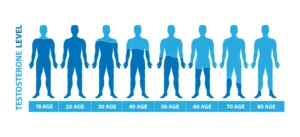
Testosterone’s Reach: Libido and Desire
One of the most well-established roles of testosterone is its impact on libido, or sex drive. It acts as a powerful catalyst for sexual desire and arousal. When testosterone levels are adequate, men typically experience normal levels of interest in sexual activity. Conversely, a significant drop in testosterone can lead to a diminished libido, where the desire for sex wanes. This reduction in desire can be a significant precursor to, or concurrent symptom of, ED, as a lack of sexual interest can make achieving or maintaining an erection less likely or even a secondary concern.
The Indirect Influence on Erections
While testosterone is essential for libido, its direct role in the physical mechanism of erection is less pronounced than commonly believed. Erections are primarily a vascular and neurological event, heavily reliant on nitric oxide production and smooth muscle relaxation within the penile tissue. However, testosterone plays an indirect but important supporting role. It helps maintain the health and responsiveness of the penile tissues, including the smooth muscle and blood vessels, over the long term. Without sufficient testosterone, these tissues may become less pliable and less capable of responding robustly to the stimuli that trigger an erection. Think of testosterone as the essential maintenance crew for the machinery of erection; while it might not be the switch that turns it on, its absence can lead to the machinery becoming rusty and less functional over time.
The Prevalent Link: Low Testosterone in Men with ED
The observation that a significant proportion of men presenting with erectile dysfunction also exhibit low testosterone levels is a recurring theme in clinical practice and research. This statistical association has led many to assume a direct causal link, but the reality is more nuanced, a complex tapestry rather than a simple thread.
Statistical Prevalence: A Significant Overlap
Studies have consistently shown a high prevalence of hypogonadism, or low testosterone, among men diagnosed with ED. Depending on the study and the definition of low testosterone used (often an arbitrary threshold like <400 ngdl or <300 dl),nearly half of men with ed may have testosterone levels below the normal range. this statistic is compelling and undeniable; it highlights that these two conditions often walk hand in hand. however, crucial to recognize correlation does not equate causation. presence low a large percentage patients not, itself, prove sole even primary driver their erectile issues.
Beyond the Numbers: Understanding the Contributing Factors
The observed overlap is likely due to a confluence of shared risk factors that contribute to both low testosterone and ED. Conditions such as obesity, type 2 diabetes, metabolic syndrome, cardiovascular disease, and chronic inflammation are known to negatively impact both gonadal function (leading to lower testosterone production) and vascular health (impairing the erectile process). Therefore, when these underlying conditions are present, they can simultaneously suppress testosterone and directly compromise the physical ability to achieve and maintain an erection. In essence, these shared culprits are often the architects of both problems.
Navigating the Complexity: Low Testosterone is Not Always the Primary Culprit
While the prevalence of low testosterone in ED patients is undeniable, it is a vital distinction to make that it is rarely the sole or initiating cause of erectile dysfunction for the majority of men. The intricate mechanisms of erection involve a delicate interplay of vascular, neurological, hormonal, and psychological factors, and low testosterone, while a contributing element, often plays a supporting or exacerbating role rather than leading the charge.
Vascular Issues: The Silent Engine of ED
The primary driver of ED for most men, particularly as they age, is impaired blood flow to the penis. This vascular component is often the first and most significant hurdle. Conditions like atherosclerosis (hardening of the arteries), hypertension (high blood pressure), and diabetes can damage the delicate blood vessels in the penis, restricting the blood flow necessary for an erection. These conditions can compromise the smooth muscle function and endothelial nitric oxide production, which are the workhorses of the erectile process. It is like trying to fill a garden hose with a kink in it; no matter how much pressure is applied, the water flow will be insufficient.
The Psychological Dimension: The Mind-Body Connection
The mind plays a profound role in sexual function. Performance anxiety, stress, depression, relationship issues, and guilt can all create significant psychological barriers to achieving an erection. These psychological stressors can trigger the body’s “fight or flight” response, which diverts blood away from the extremities, including the penis, making an erection difficult or impossible. In such cases, even with optimal testosterone levels and healthy vascularity, psychological factors can act as a potent inhibitor.
Medications and Lifestyle: Unseen Saboteurs
A wide range of prescription medications, including those for blood pressure, antidepressants, and even some pain relievers, can have ED as a side effect. Lifestyle choices also play a substantial role. Smoking damages blood vessels, excessive alcohol consumption can impair nerve function and hormonal balance, and a sedentary lifestyle contributes to weight gain and poor cardiovascular health. These factors can individually or collectively undermine the complex systems required for a healthy erection.
The Therapeutic Landscape: Testosterone Replacement Therapy (TRT) and ED
When low testosterone is confirmed to be a significant factor, Testosterone Replacement Therapy (TRT) emerges as a potential treatment option. However, understanding its precise impact on ED is crucial; it is not a universal panacea and its benefits are often concentrated in specific areas of sexual function.
Boosting Libido and Mood: Reliable Benefits
One of the most consistent and reliably observed benefits of TRT is its positive effect on libido and overall mood. For men experiencing a significantly reduced sex drive due to hypogonadism, TRT can often reignite their desire for intimacy. This improvement in sex drive can be quite pronounced and is a primary indication for therapy. Furthermore, adequate testosterone levels are linked to better energy, reduced fatigue, and improved mood regulation. Many men on TRT report feeling more energetic and less prone to depressive symptoms, which indirectly can contribute to a more positive outlook on sexual activity.
The Nuance of Erectile Function Improvement
The effect of TRT on the physical aspect of erectile function is, by contrast, often more nuanced and less dramatic. While some men with low testosterone may see an improvement in their ability to achieve and maintain erections with TRT alone, this is not universally the case. TRT’s contribution to erections is largely indirect, by improving the health and responsiveness of penile tissues over time, rather than directly facilitating the immediate vascular event of erection. For many, TRT may improve their baseline erectile capacity, making them more responsive to other treatments, or it might be insufficient on its own to overcome existing vascular or neurological impediments. It is like ensuring the car’s engine is running smoothly; it makes it more likely to perform well, but it doesn’t fix a flat tire.
Synergy with Other Treatments: A Combined Approach
For a significant proportion of men with ED and low testosterone, TRT is most effective when used in conjunction with other ED treatments, particularly phosphodiesterase-5 (PDE-5) inhibitors such as sildenafil (Viagra), tadalafil (Cialis), and vardenafil (Levitra). These medications directly address the vascular component of ED by increasing blood flow to the penis. When combined, TRT can improve the underlying hormonal environment and tissue health, while PDE-5 inhibitors provide the immediate vascular support. This synergistic approach often yields the most comprehensive improvements in erectile function. The combination allows for both a healthier foundation and a more potent immediate response.
Long-Term Efficacy and Considerations
The long-term efficacy of TRT for ED can vary. While improvements in libido and mood may be sustained, the impact on erectile function can sometimes diminish or plateau over time, especially if underlying vascular or neurological issues are progressive. Furthermore, TRT is a lifelong commitment with potential side effects that require ongoing monitoring, including an increased risk of blood clots, prostate issues, and sleep apnea. Therefore, a thorough discussion with a healthcare professional is essential to weigh the benefits against the risks and to establish realistic expectations regarding long-term outcomes.
When to Consider Screening: Identifying the Role of Low Testosterone
The decision to screen for low testosterone in men experiencing erectile dysfunction is a clinically informed one, guided by a constellation of symptoms and patient circumstances. It is not a universal recommendation for all men with ED, but rather a strategic diagnostic step in specific scenarios.
The Red Flags for Low Testosterone
Several indicators suggest that low testosterone might be a significant contributor to a man’s ED. Beyond the physical act of experiencing erectile difficulties, men may report a noticeable decline in their libido or sexual interest. Persistent fatigue, a decrease in muscle mass or strength, and a tendency towards a more somber or depressed mood can also be associated with hypogonadism. If a man presents with ED alongside these other symptoms, it raises the suspicion that low testosterone is playing a role in his overall health, including his sexual function.
Patients Unresponsive to Standard Treatments
A particularly strong indication for testosterone screening involves men whose ED has not adequately responded to first-line treatments, such as PDE-5 inhibitors. If Viagra or Cialis, when taken correctly and in appropriate dosages, fail to produce satisfactory results, it suggests that the underlying cause of the ED might not be solely vascular or that there are additional contributing factors at play. In such cases, low testosterone becomes a more likely suspect, and testing can help to uncover this potential obstacle to successful treatment. It’s a bit like trying a common key that doesn’t work; it’s time to explore alternative locks.
Comprehensive Health Assessment
Screening for low testosterone is often integrated into a broader health assessment for men with ED. This comprehensive approach acknowledges that ED is frequently a harbinger of underlying health issues. By testing testosterone levels, a physician can gain valuable insights into a patient’s endocrine health and identify potential imbalances. Even if low testosterone is not the primary cause of ED, its treatment can lead to improvements in other health parameters, such as a reduction in abdominal fat and an improved metabolic profile, which can, in turn, positively influence erectile function. It is about treating the whole person, not just the symptom.
Conclusion: A Collaborative Approach to Sexual Health
The link between low testosterone and erectile dysfunction is a complex interplay, not a simple cause-and-effect relationship. While low testosterone can significantly impact libido and contribute to ED, it is rarely the sole perpetrator. Vascular issues, psychological factors, medications, and lifestyle choices often play more dominant roles in the genesis of erectile dysfunction.
For men experiencing ED, a thorough evaluation by a healthcare professional is paramount. This assessment should include a comprehensive history, physical examination, and appropriate diagnostic testing, which may include testosterone levels, especially if standard treatments are ineffective or if other symptoms of hypogonadism are present.
If low testosterone is confirmed, Testosterone Replacement Therapy (TRT) can be a valuable component of treatment, particularly for improving libido and mood, and for enhancing the overall responsiveness to other ED therapies. However, it is crucial to have realistic expectations, as TRT alone may not fully resolve erectile dysfunction.
Ultimately, addressing ED effectively requires a collaborative approach between patient and physician, one that considers all potential contributing factors and tailors the treatment plan to the individual’s unique needs. By understanding the nuanced relationship between testosterone and erectile function, men can make informed decisions about their sexual health and work towards achieving greater satisfaction and well-being.
]]>Physical Foundations of Erectile Dysfunction
The vast majority of ED cases, approximately 90%, stem from physical causes. Understanding these physiological mechanisms is paramount for effective diagnosis and treatment.
Cardiovascular Considerations
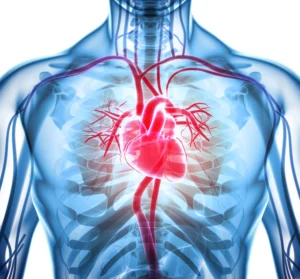
The cardiovascular system plays a pivotal role in erectile function, acting as the primary delivery mechanism for blood to the penis. When this system falters, so too can erections.
- Heart Disease: Conditions affecting the heart’s ability to pump blood efficiently, such as coronary artery disease, can restrict blood flow throughout the body, including to the penis.
- Clogged Arteries (Atherosclerosis): This condition, characterized by the hardening and narrowing of arteries due to plaque buildup, impedes blood flow. Just as it can affect arteries leading to the heart or brain, atherosclerosis in the penile arteries is a common culprit in ED, accounting for up to 40% of cases. The smaller arteries supplying the penis often show signs of atherosclerosis earlier than larger vessels, making ED a potential harbinger of broader cardiovascular disease.
- High Blood Pressure (Hypertension): Chronic high blood pressure can damage blood vessels over time, making them less elastic and prone to narrowing, thereby impairing blood flow.
- High Cholesterol: Elevated levels of low-density lipoprotein (LDL) cholesterol contribute to plaque formation in arteries, worsening atherosclerosis and compromising vascular health.
Metabolic and Hormonal Disruptions
The body’s metabolic processes and hormonal balance are intricate dance partners essential for various physiological functions, including erectile capability.
- Diabetes: A significant contributor to ED, accounting for approximately 33% of cases. Diabetes impairs both circulation and nerve function. High blood sugar levels damage blood vessels and nerves over time, hindering the delicate processes required for an erection.
- Hormonal Imbalances: Hormones act as chemical messengers, and their disruption can have widespread effects. Low testosterone, for instance, can diminish libido and contribute to ED. This imbalance is observed in approximately 11% of cases and can be linked to aging or as a side effect of certain treatments, particularly those for prostate cancer.
- Obesity and Metabolic Syndrome: Excess body weight, particularly around the waist, goes hand-in-hand with metabolic syndrome (a cluster of conditions including high blood pressure, high blood sugar, excess body fat around the waist, and abnormal cholesterol levels). These conditions are closely linked to insulin resistance and systemic inflammation, both of which negatively impact vascular health and erectile function.
Neurological Impairments
Erections are not solely a hydraulic event but also a neurological one. Nerve signals from the brain and spinal cord initiate and sustain the process.
- Neurodegenerative Diseases: Conditions such as Parkinson’s disease and multiple sclerosis can disrupt the nerve pathways responsible for erectile function, impacting approximately 10% of Erectile Dysfunction cases.
- Spinal Cord Injuries: Trauma to the spinal cord can sever or damage nerves crucial for transmitting signals to the penis, leading to ED.
Anatomical and Structural Issues
Sometimes, the issue lies within the physical structure of the penis itself.
- Peyronie’s Disease: This condition involves the development of fibrous scar tissue inside the penis, causing a curvature, pain during erections, and sometimes shortening or indentation. Affecting 1-3% of men, it can hinder the ability to achieve a straight, rigid erection.
Psychological and Lifestyle Contributors
While physical causes dominate, the mind and daily habits are not bystanders; they actively participate in the mechanism of erectile function.
The Mind’s Influence
The brain is the command center, and its state can directly impact corporeal responses.
- Stress, Anxiety, and Depression: These psychological factors can create a vicious cycle. Performance anxiety, for instance, can lead to difficulty achieving an erection, which in turn fuels further anxiety and stress, exacerbating the problem. Mental health conditions disturb the delicate balance of neurotransmitters and overall physiological readiness for sexual activity.
Iatrogenic and Lifestyle-Induced Factors

Sometimes, medical interventions or personal choices inadvertently contribute to ED.
- Medications: A range of pharmacological agents can have ED as a side effect. Common culprits include certain antidepressants (especially selective serotonin reuptake inhibitors or SSRIs), blood pressure drugs (such as beta-blockers), antihistamines, and some ulcer medications.
- Lifestyle Choices: Daily habits significantly impact overall health and, by extension, erectile function.
- Smoking: Nicotine constricts blood vessels and damages endothelial cells, which line the vessels, impairing blood flow.
- Excessive Alcohol Consumption: While light alcohol intake may not pose a risk, chronic heavy drinking can damage nerves, liver, and hormonal balance.
- Physical Inactivity: A sedentary lifestyle contributes to obesity, cardiovascular issues, and poor circulation.
- Illicit Drug Use: Substances like cocaine, heroin, and amphetamines can interfere with the nervous system and blood flow, leading to ED.
Medical Interventions and Trauma
Some medical procedures and injuries can directly impact the structures necessary for erections.
- Prostate Treatments: Surgeries for prostate cancer, such as radical prostatectomy, can damage nerves and blood vessels surrounding the penis. Radiation therapy to the pelvic area can also have similar effects. These interventions account for 3-5% of ED cases.
- Pelvic Trauma: Injuries to the pelvic region, or even riding a bicycle for extended periods on a hard seat, can cause nerve and blood vessel damage.
Unseen Disruptors and Broader Implications
Beyond the more commonly recognized causes, other factors can silently contribute to ED, serving as subtle indicators of underlying systemic distress.

- Sleep Disorders: Conditions like sleep apnea can disrupt hormonal profiles, particularly testosterone levels, and negatively impact endothelial function, thereby contributing to ED. The body repairs itself during sleep, and insufficient or fragmented sleep can undermine this restorative process.
Erectile dysfunction is seldom a standalone issue; it often acts as a barometer of overall health. The understanding that ED is frequently an early manifestation of broader systemic problems, particularly endothelial dysfunction (where the lining of blood vessels doesn’t function correctly), underscores its significance as a health indicator. Recent advancements in understanding and treating ED tend to focus on novel therapeutic approaches, reflecting the established and comprehensive knowledge base regarding its diverse etiology.
]]>The mind’s influence on erectile function is profound. An erection is not merely a physical event; it is a neurovascular process intimately linked to states of arousal, relaxation, and confidence. When psychological factors interfere with these states, the capacity for an erection can be compromised and then it needs to be corrected.
The Rise of Psychogenic Erectile Dysfunction
Recent research highlights the pervasive nature of psychogenic ED, especially in younger demographics. A notable finding indicates that 85.2% of men under the age of 40 experiencing ED have psychological causes as the primary factor. Even among men over 40, psychogenic factors account for a substantial 40.7% of cases. This prevalence underscores the necessity of considering mental health in the diagnostic process for all individuals presenting with ED symptoms.
Key Psychological Contributors
Several distinct psychological states and traits contribute to the development of ED. These factors often intertwine, creating a complex web that can be challenging to unravel without professional assistance.
Performance Anxiety

Performance anxiety stands out as a primary psychological cause of ED. The pressure to “perform” sexually can trigger a cascade of physiological responses antithetical to achieving an erection. Just as a performer on stage might experience a dry mouth or racing heart, a man experiencing sexual performance anxiety enters a state of heightened stress. This stress elevates adrenaline levels, which in turn causes vasoconstriction, the narrowing of blood vessels. When blood flow to the penis is restricted, an erection becomes difficult or impossible to sustain. This creates a vicious cycle: the failure to achieve an erection due to anxiety fuels further anxiety about future encounters, reinforcing the problem.
Stress
Chronic or acute stress is a significant impediment to sexual function. The body’s stress response, often referred to as “fight or flight,” prioritizes survival functions over non-essential activities like sexual arousal. When an individual is perpetually under mental duress, whether from work, financial concerns, or personal issues, the nervous system remains in a hyper-aroused state. This makes it difficult for the parasympathetic nervous system, responsible for relaxation and sexual arousal, to take over and facilitate an erection.
Depression and Anxiety Disorders
The link between depression and ED is well-established and often bidirectional. Depression can manifest as low energy, anhedonia (the inability to experience pleasure), and a general lack of motivation, all of which directly impact libido and sexual desire. Conversely, experiencing ED can contribute to feelings of hopelessness and inadequacy, thereby exacerbating existing depressive symptoms or even precipitating new ones. Similarly, generalized anxiety disorders, panic disorders, and social anxiety can all interfere with sexual function. The constant state of worry and apprehension characteristic of these conditions creates an internal environment hostile to sexual arousal.
Low Self-Esteem and Negative Thoughts
Poor self-esteem, particularly concerning one’s body image or sexual attractiveness, can profoundly affect sexual confidence and performance. Individuals with low self-esteem may harbor negative self-talk, internally critical narratives that erode their belief in their sexual capabilities. These negative thoughts can become self-fulfilling prophecies, creating a mental block that prevents an erection.
Relationship Issues

The quality of a romantic relationship plays a critical role in sexual health. Unresolved conflicts, poor communication, lack of intimacy, or feelings of resentment can all manifest as ED. When emotional distance or tension exists between partners, the psychological safety and connection necessary for sexual arousal may be absent. ED can serve as a canary in the coal mine, signaling deeper problems within the relationship.
Personality Traits
Certain personality traits can also predispose individuals to psychogenic ED. High neuroticism, characterized by a tendency towards negative emotions, anxiety, and self-consciousness, can heighten an individual’s susceptibility to performance anxiety and stress. Conversely, low extraversion, associated with introversion and reduced social engagement, might contribute to difficulties in open communication and intimacy within a sexual context, further complicating matters.
The Mechanisms of Psychological Interference
The precise ways in which the mind interferes with physiological processes leading to ED are multifaceted. Understanding these mechanisms is key to developing targeted interventions.
Shifting Focus from Arousal to Worry
Under normal circumstances, sexual arousal involves a focus on pleasurable sensations, tactile stimulation, and emotional connection. However, when psychological factors like anxiety are at play, an individual’s mental energy shifts dramatically. Instead of attending to arousal cues, the mind becomes preoccupied with worries: “Will I be able to get an erection?” “What if I fail?” “What will my partner think?” This cognitive diversion effectively short-circuits the arousal process, making an erection impossible to achieve or maintain. It’s akin to trying to read a book in a noisy, distracting environment—the focus required for the task is constantly interrupted.
The Vicious Cycle of Negative Self-Talk
Negative self-talk and catastrophic thinking create a self-perpetuating loop. A past experience of ED can lead to anticipatory anxiety, causing the individual to catastrophize about future sexual encounters. This mental rehearsal of failure often manifests as actual failure, confirming the negative beliefs and reinforcing the cycle. This “self-fulfilling prophecy” can be incredibly destructive, eroding confidence and intimacy over time.
Interplay with Biological Factors
It is crucial to recognize that psychological and biological factors often cooperate in the manifestation of ED. Psychological stress or anxiety can exacerbate mild underlying physiological issues, transforming a minor circulatory problem into a pronounced case of ED. Conversely, initial organic causes of ED can lead to psychological distress, such as anxiety or depression, which then contribute to the persistence of the condition. The mind and body are not separate entities but interact dynamically, akin to two sides of the same coin.
The Impact of ED
The effects of ED extend far beyond the bedroom, impacting an individual’s holistic well-being and their relationships.
Personal and Emotional Toll
For many men, the inability to achieve or maintain an erection can lead to profound feelings of emasculation, shame, and isolation. Societal expectations often link masculinity with sexual prowess, making ED a deeply damaging blow to self-identity. This can lead to withdrawal, avoidance of sexual situations, and a significant drop in self-esteem. The internal monologue of inadequacy can be relentless, affecting all areas of life.
Impact on Relationships
ED can exert considerable strain on romantic relationships. Partners may experience frustration, confusion, or even personal feelings of rejection, leading to a decline in their own self-esteem. Without open communication and understanding, the partner of someone with ED may misinterpret the situation, assuming a lack of attraction or interest. This often leads to reduced intimacy, emotional distance, and, in severe cases, the dissolution of relationships. The silent suffering common with ED often creates a chasm between partners that grows wider with time.
Treatment Options for Psychogenic ED
Fortunately, a range of effective treatment options exists for psychological ED, often requiring a multi-pronged approach addressing both the mental and, if present, physical components.
Psychotherapeutic Interventions
Psychological therapies are paramount for addressing the root causes of psychogenic ED.
Cognitive Behavioral Therapy (CBT)
CBT is highly effective for breaking the vicious cycles of anxiety, negative thoughts, and avoidance behaviors associated with ED. It helps individuals identify and challenge distorted thought patterns (e.g., “I’m a failure if I can’t get an erection”) and replace them with more realistic and adaptive ones. CBT also incorporates behavioral techniques to gradually expose individuals to sexual situations in a less anxious manner, improving confidence and reducing performance pressure. The focus is on recognizing the thoughts and feelings that prevent an erection and developing coping strategies.
Sex Therapy
Often conducted by specialized therapists, sex therapy delves into the specific sexual concerns and dynamics contributing to ED. It provides a safe space to explore sexual anxieties, communication issues, and relationship dynamics. Techniques often include sensate focus exercises, where couples engage in non-genital touching to reduce performance pressure and enhance intimacy, gradually reintroducing sexual activity without the burden of expectation.
Couples Therapy

When relationship issues are a significant contributor to ED, couples therapy can be invaluable. It facilitates open communication, helps partners understand each other’s perspectives and fears, and addresses underlying conflicts that may be impacting sexual intimacy. By improving the overall health and communication within the relationship, the psychological environment becomes more conducive to sexual function.
Stress Management Techniques
Learning to effectively manage stress is crucial for individuals with psychogenic ED. Techniques such as mindfulness meditation, deep breathing exercises, yoga, and regular physical activity can help regulate the body’s stress response, promoting relaxation and allowing the parasympathetic nervous system to function optimally.
Lifestyle Modifications
Lifestyle choices significantly impact both physical and mental well-being, and consequently, erectile function.

Regular Exercise
Physical activity improves cardiovascular health, boosts mood, reduces stress, and enhances body image, all of which indirectly support erectile function. It acts as a natural anxiolytic and antidepressant, helping to mitigate some of the psychological causes of ED.
Diet and Nutrition
A balanced diet rich in fruits, vegetables, and whole grains supports overall health, including vascular function. Reducing intake of processed foods and unhealthy fats can contribute to better cardiovascular health, which is essential for erections.
Avoiding Smoking and Excessive Alcohol Consumption
Both smoking and excessive alcohol intake are detrimental to erectile health. Smoking damages blood vessels, impairing blood flow, while excessive alcohol can depress the central nervous system and directly inhibit erection mechanisms. Quitting these habits can significantly improve erectile function.
Medical Interventions (Adjunctive)
While the primary focus for psychogenic ED is on psychological treatments, medical interventions can serve as a valuable adjunct.
PDE5 Inhibitors
Medications such as sildenafil (Viagra), tadalafil (Cialis), vardenafil (Levitra), and avanafil (Stendra) are known as phosphodiesterase-5 (PDE5) inhibitors. While they work physiologically by enhancing blood flow to the penis, they can be particularly useful in cases of psychogenic ED. By providing a “pharmacological crutch,” these medications can help break the cycle of performance anxiety. The ability to achieve an erection with medication can bolster confidence and reduce anxiety, allowing individuals to gradually overcome the psychological barriers. However, it is crucial that these medications are used in conjunction with psychological therapy to address the underlying mental causes, rather than serving as a standalone solution. Misusing them without addressing the psychological roots can perpetuate reliance and not resolve the core issue.
Internet-Based CBT
The accessibility and anonymity of internet-based Cognitive Behavioral Therapy (CBT) platforms have shown promising results. Studies indicate that internet-based CBT for ED yields strong outcomes, offering a convenient and effective way for individuals to engage in therapeutic interventions outside traditional clinic settings. This modality can be particularly beneficial for those who feel embarrassed or are geographically constrained, providing a flexible and discreet avenue for treatment.
In conclusion, psychological factors represent a profoundly significant and often underestimated dimension of erectile dysfunction. From the immediate anxieties of performance to the insidious creep of depression and relationship distress, the mind’s influence is undeniable. A holistic approach that acknowledges and actively addresses these psychological components, alongside any physiological considerations, offers the most promising path to recovery and renewed sexual well-being. By understanding the intricate dance between mind and body, individuals can navigate the challenges of ED with greater clarity and hope.
]]>